
Google's New Patent Watches What You Have Open and Surfaces Relevant Assistant Actions
Google is patenting a system that watches which app or webpage you have open and automatically surfaces relevant AI assistant actions, displayed in a format tuned to how much you've historically used Google Assistant.
What Google's context-aware assistant suggestion system does
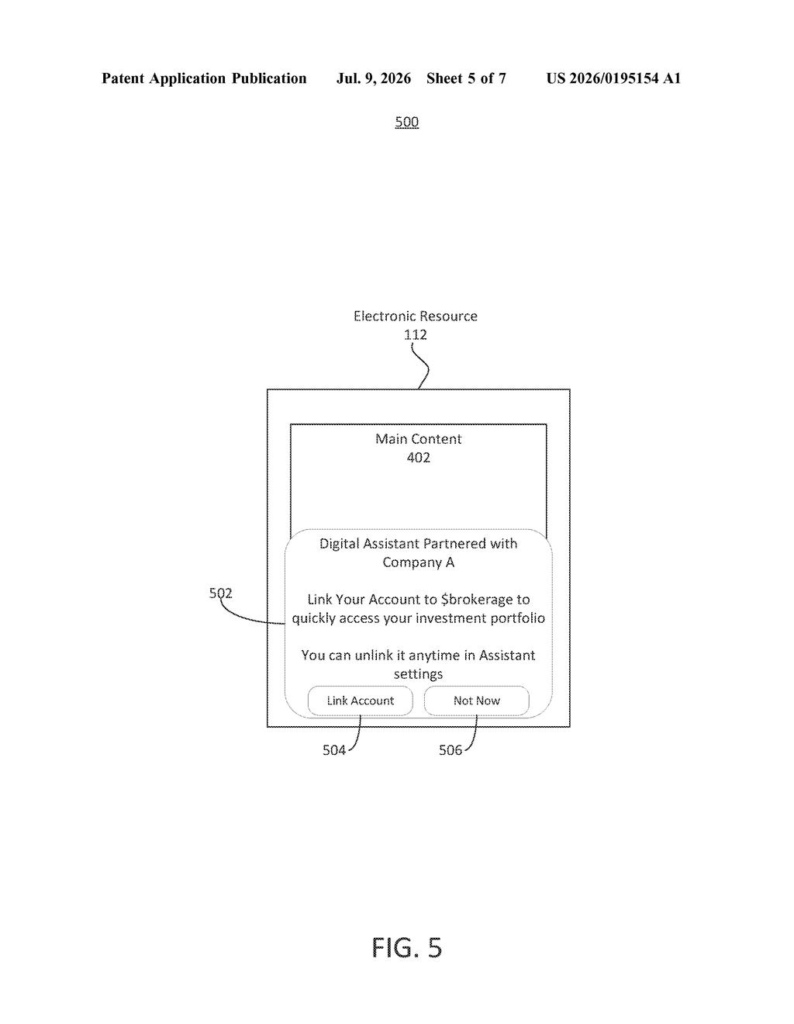
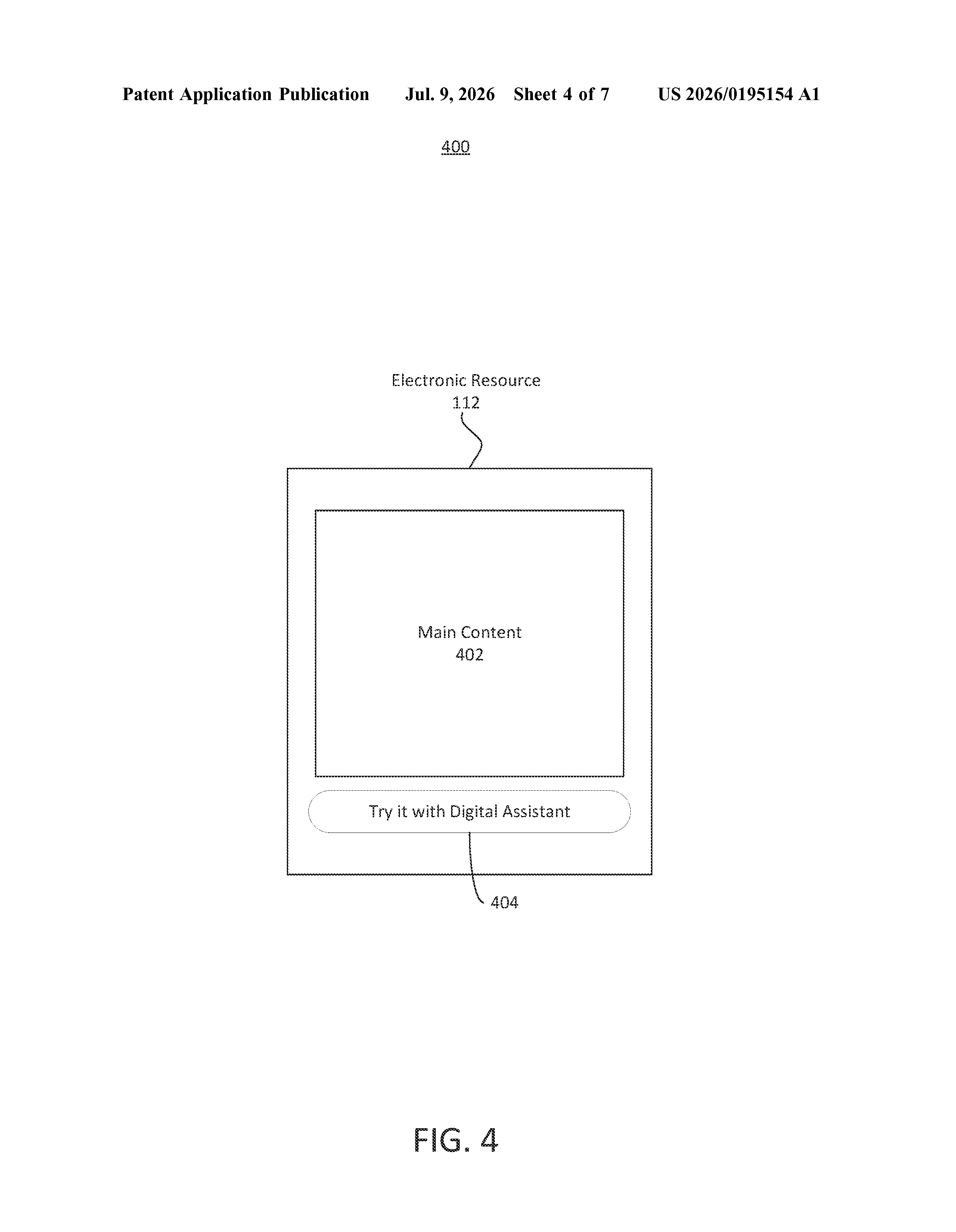
Imagine you open a restaurant's website on your phone. Instead of manually asking Google Assistant to 'add this place to my calendar' or 'call and make a reservation,' a prompt just appears, already knowing what actions make sense for that page. That's the core idea here.
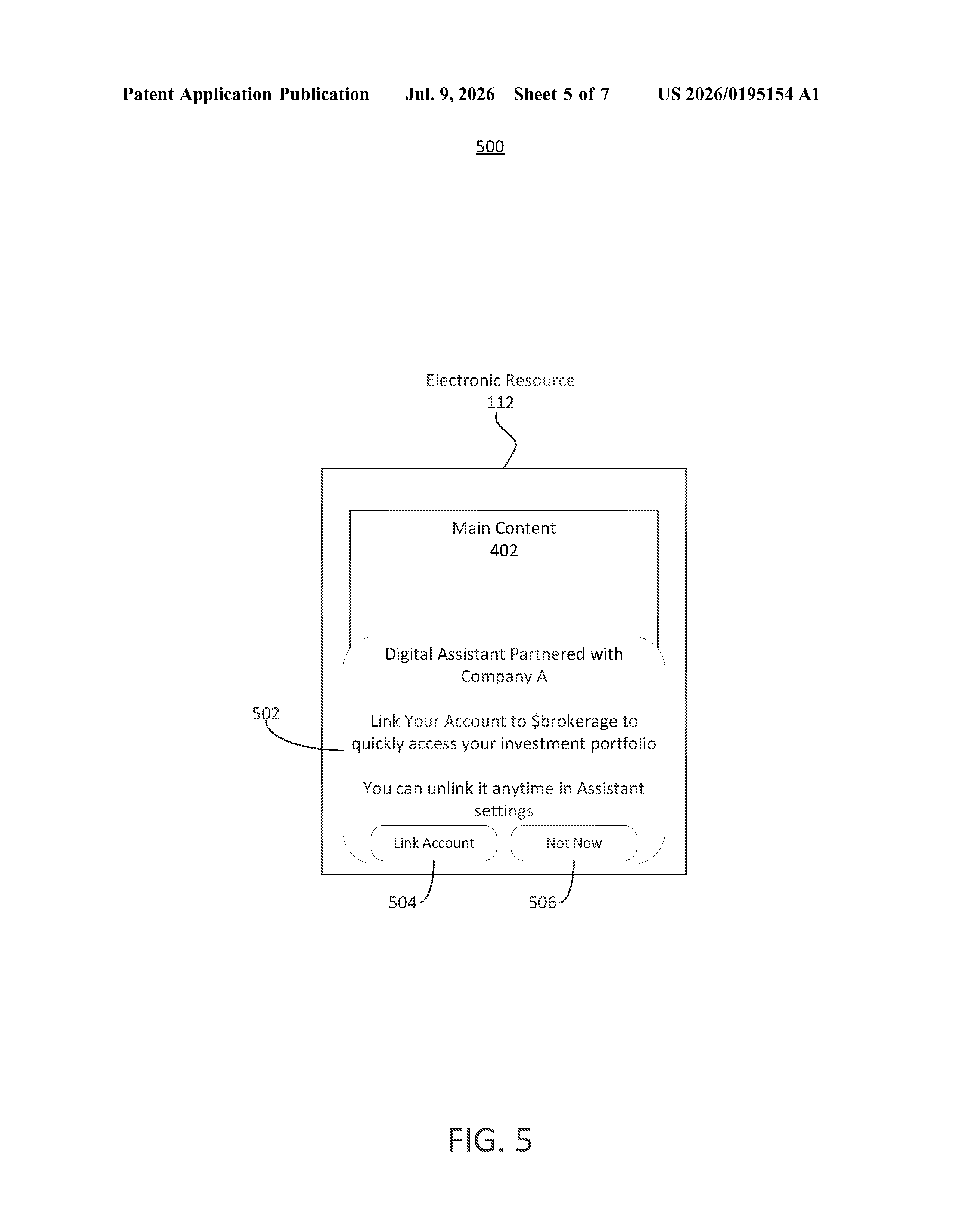
Google's patent describes a system that identifies which app or website you're currently using, figures out what its AI assistant could usefully do in that context, and then decides how to show you those options. Crucially, it factors in how much you've used AI assistants in the past: a power user might get a richer, more prominent interface, while someone who rarely uses voice or AI tools might see something more subtle.
If you tap the prompt, the system also decides which assistant and even which of your devices should carry out the action. So a task you trigger on your phone could silently be handed off to a tablet or smart display if that makes more sense.
How the system picks which actions to show and where
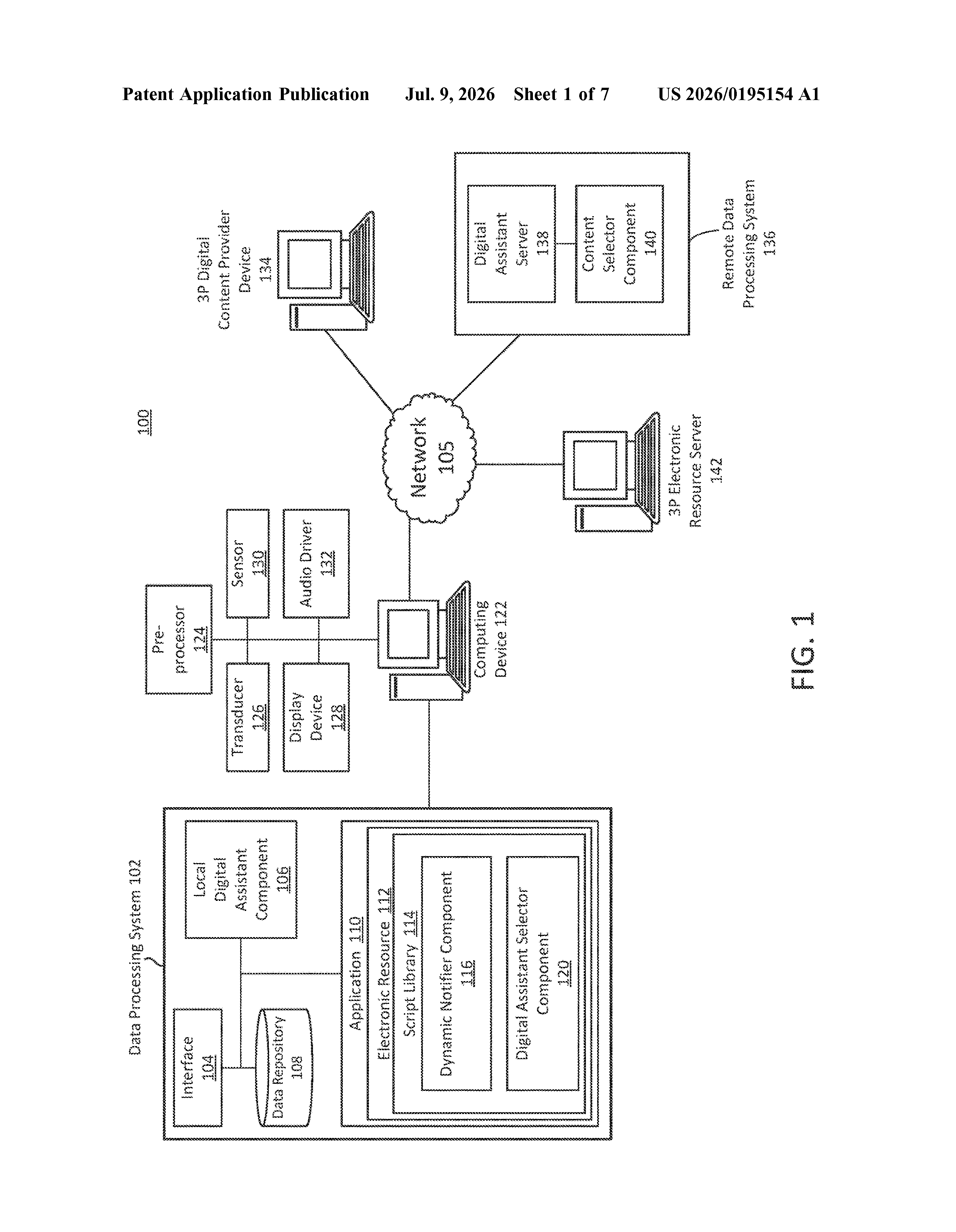
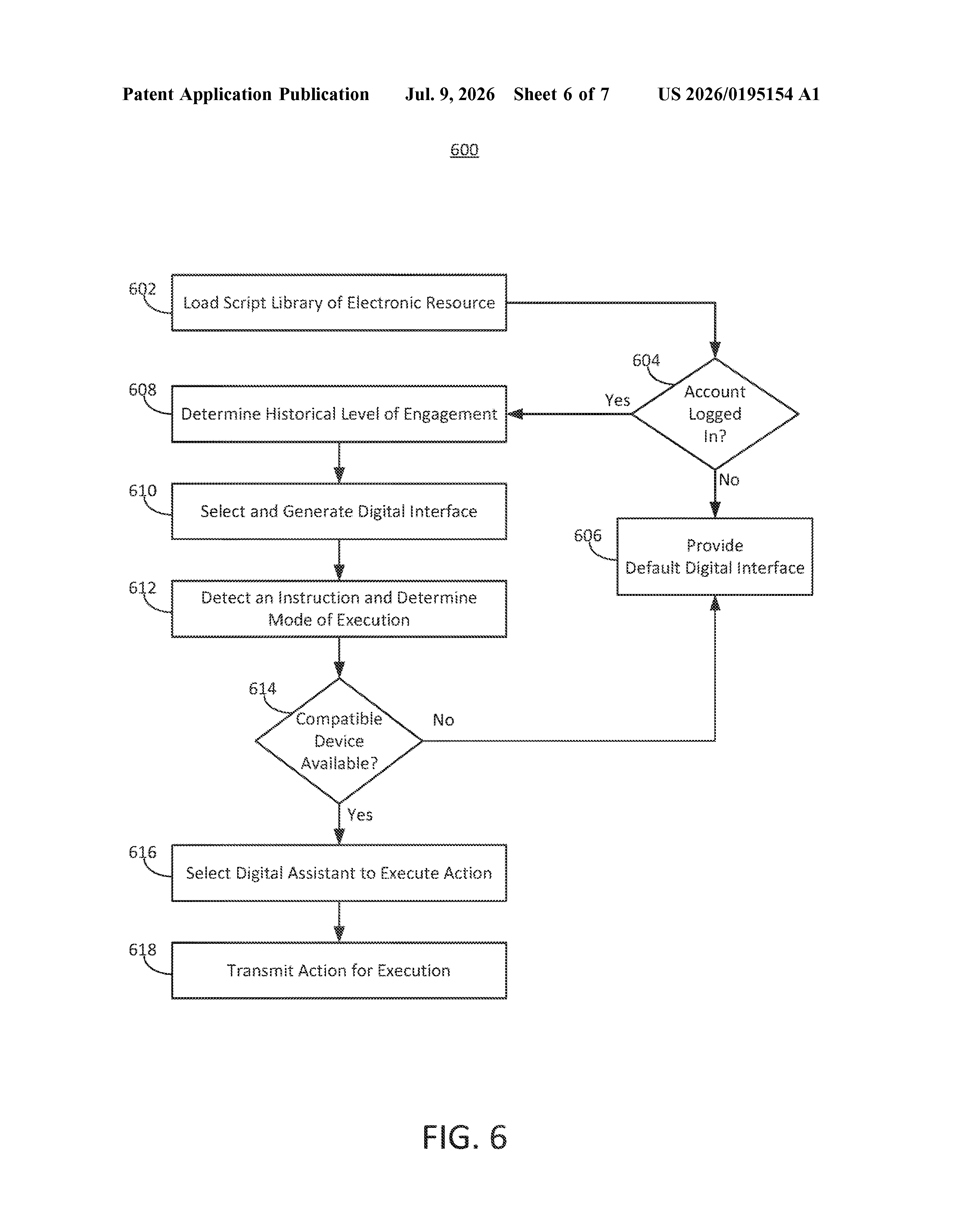
The system has three main jobs, all happening in the background as you use your phone or browser.
- Context detection: It identifies the currently active app or webpage and cross-references it against a library of actions the assistant knows how to perform in that context (booking, calling, adding to a list, and so on).
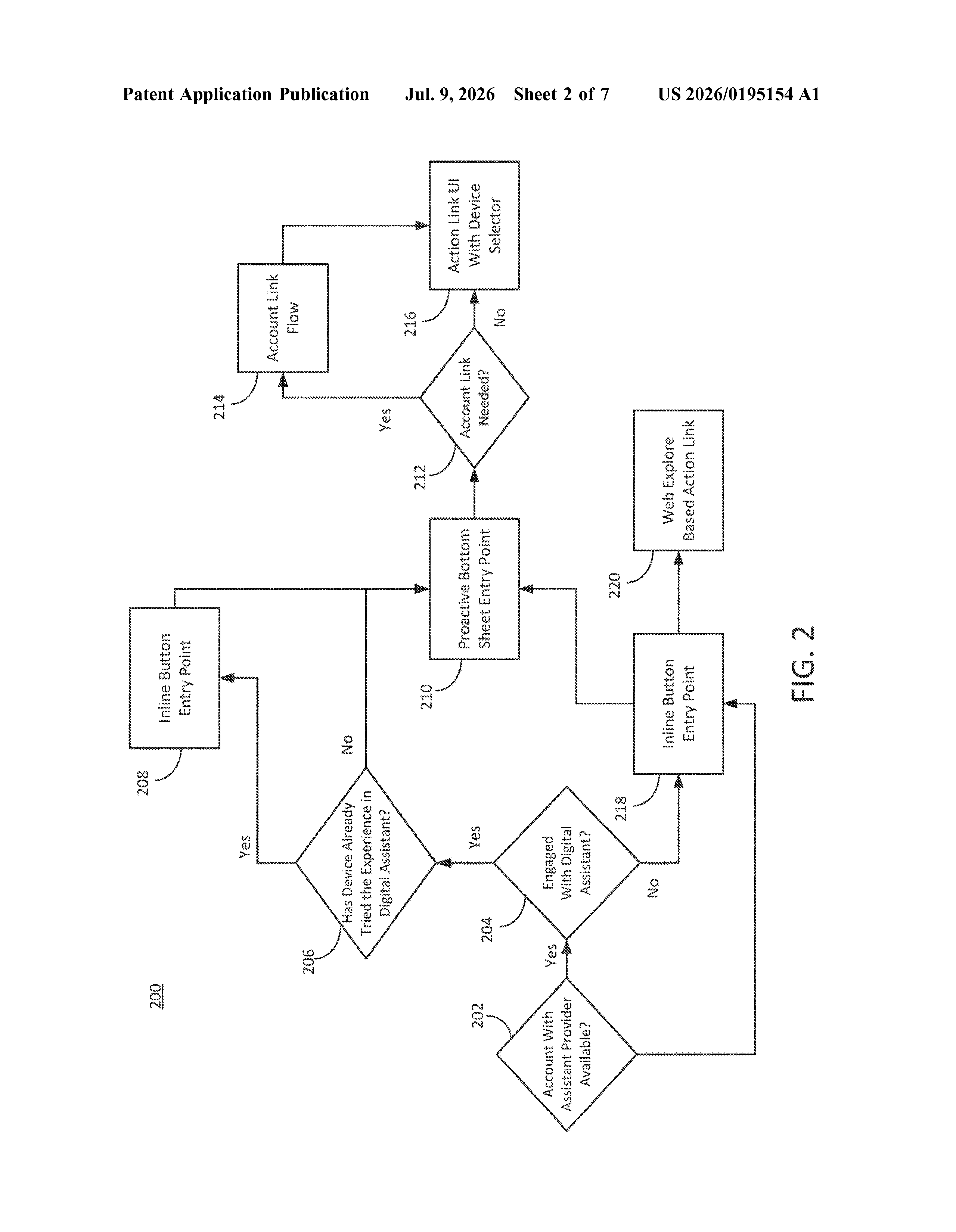
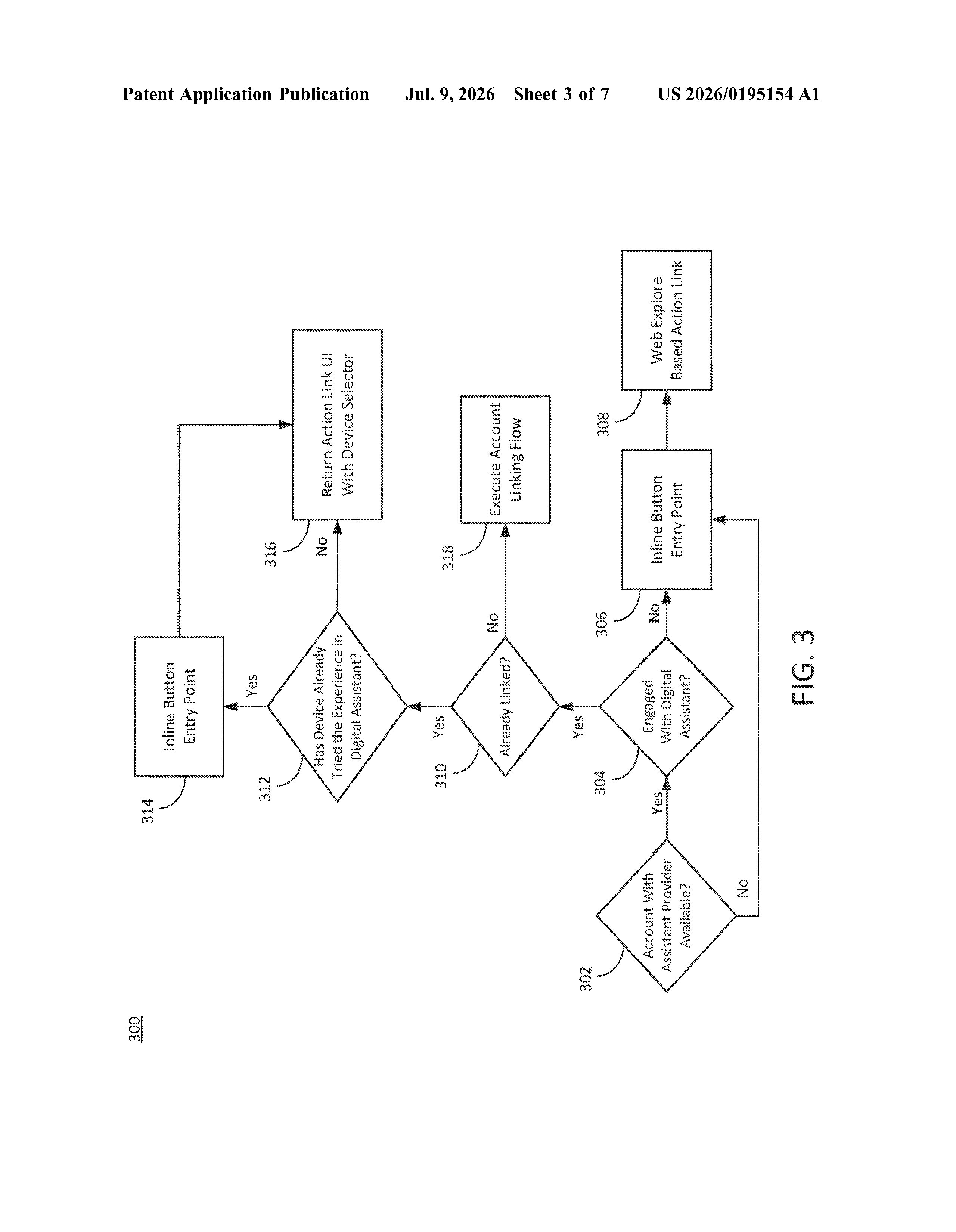
- Interface selection: Based on your device type and your history of engaging with AI assistants, it chooses a format for surfacing those action suggestions. A first-time user and a daily Assistant user might see very different UI treatments for the same suggestion.
- Execution routing: When you tap a suggested action, the system picks the best assistant and the best device to actually carry it out, potentially forwarding the task to a different device than the one you triggered it on.
The patent describes this as being driven by a script library embedded in electronic resources (think a small piece of code loaded alongside a webpage or app), which acts as the bridge between the content you're viewing and Google's assistant infrastructure.
The historic engagement level piece is notable: the system is explicitly calibrating how assertively to present AI options based on behavioral data, not just device type. Someone who ignores assistant prompts repeatedly would, in theory, see less intrusive suggestions over time.
What this means for how Google Assistant fits into daily apps
This patent is essentially Google trying to solve a real friction point: AI assistants know how to do a lot, but you have to know to ask. By having the assistant proactively read your context and suggest relevant actions, Google is making a bet that ambient helpfulness converts better than waiting for a voice command or typed query. If it works, the assistant becomes less of a tool you invoke and more of a layer that's always paying attention.
For you as a user, the practical effect could be that navigating any app or website starts to feel like the assistant already knows why you're there. The multi-device routing angle is also worth watching: offloading a task to your smart speaker or tablet without you picking which device adds a layer of automation that Google has been building toward across its hardware ecosystem.
This is a quiet but directionally important patent for Google. The idea of calibrating how assertively to show AI suggestions based on a user's engagement history shows real product thinking, not just technical plumbing. Whether it ships as a clean experience or becomes another ignored notification depends entirely on execution, but the underlying approach is sensible.
Get our take in your Top Stories
Liked this breakdown? Add Patentlyze as a preferred source on Google, and our plain-English take shows up more often in your Top Stories the next time Google patent news breaks.
There are more where this came from
We read every patent application Big Tech publishes and send you the ones worth knowing. Plain English, free, every week.
The drawings
7 drawing sheets from US 2026/0195154 A1 · click any drawing to enlarge
Want this weekly breakdown for a company we don't cover? Patentlyze Pro →