
IBM Patents an AI System That Checks If Software Matches Its Own Blueprint
Every large software project has a blueprint, and almost every large software project drifts away from it over time. IBM is patenting an AI that catches that drift automatically.
What IBM's architecture-checking AI actually does
Imagine a construction company that builds a skyscraper, then discovers years later that several floors were built differently from the original architectural drawings, and nobody noticed. Something similar happens constantly in software: teams write detailed plans for how a system should be built, but the finished product ends up looking different.
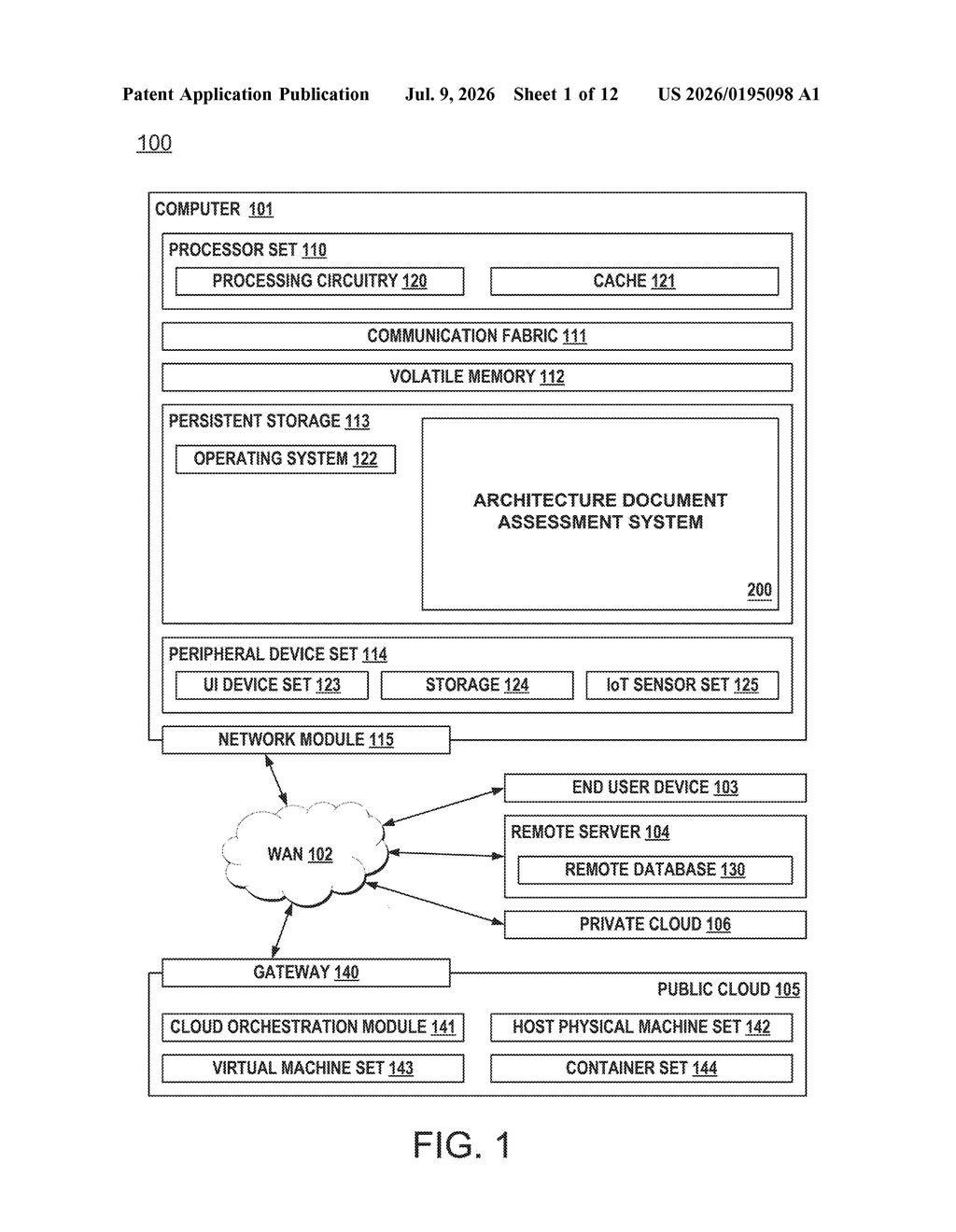
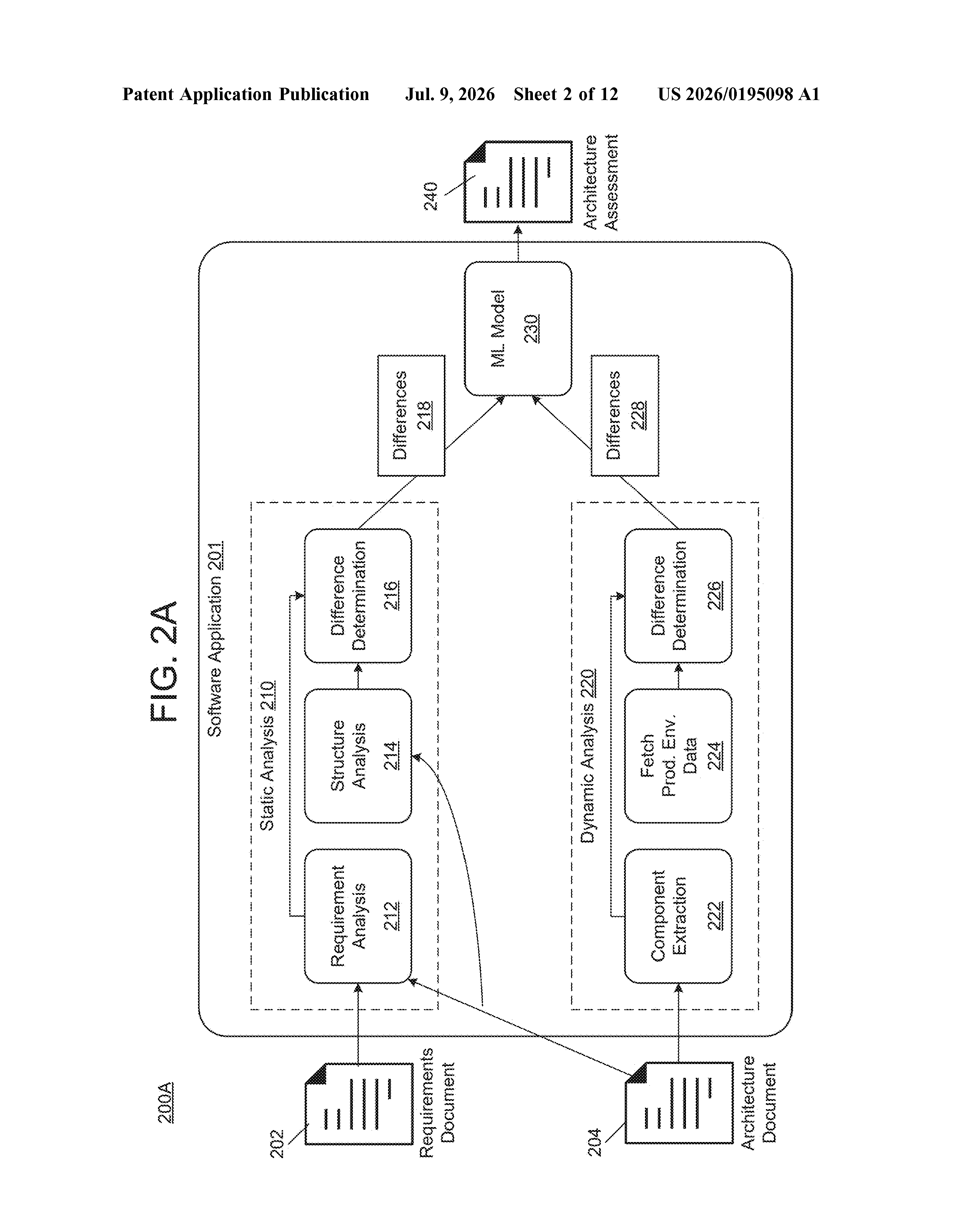
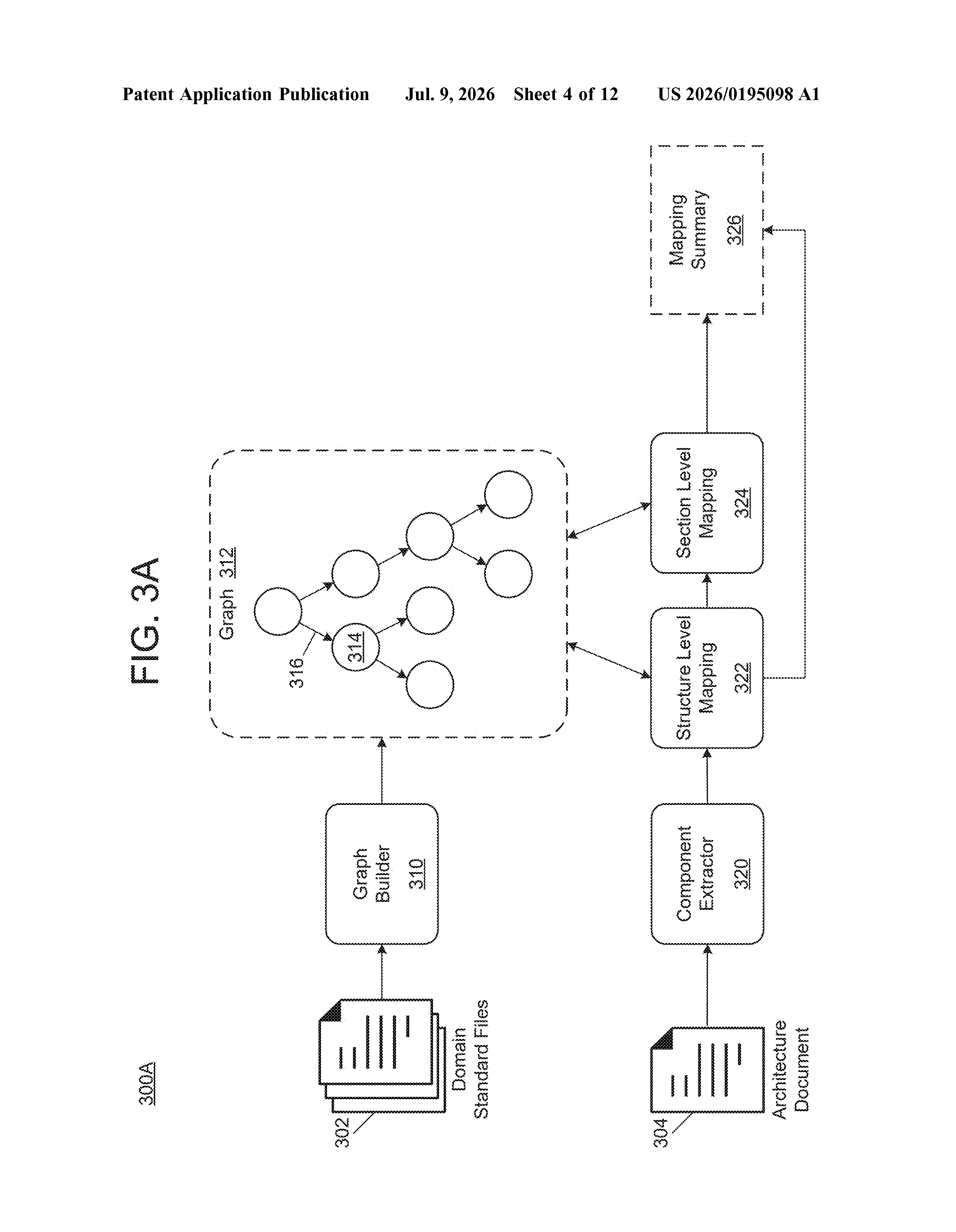
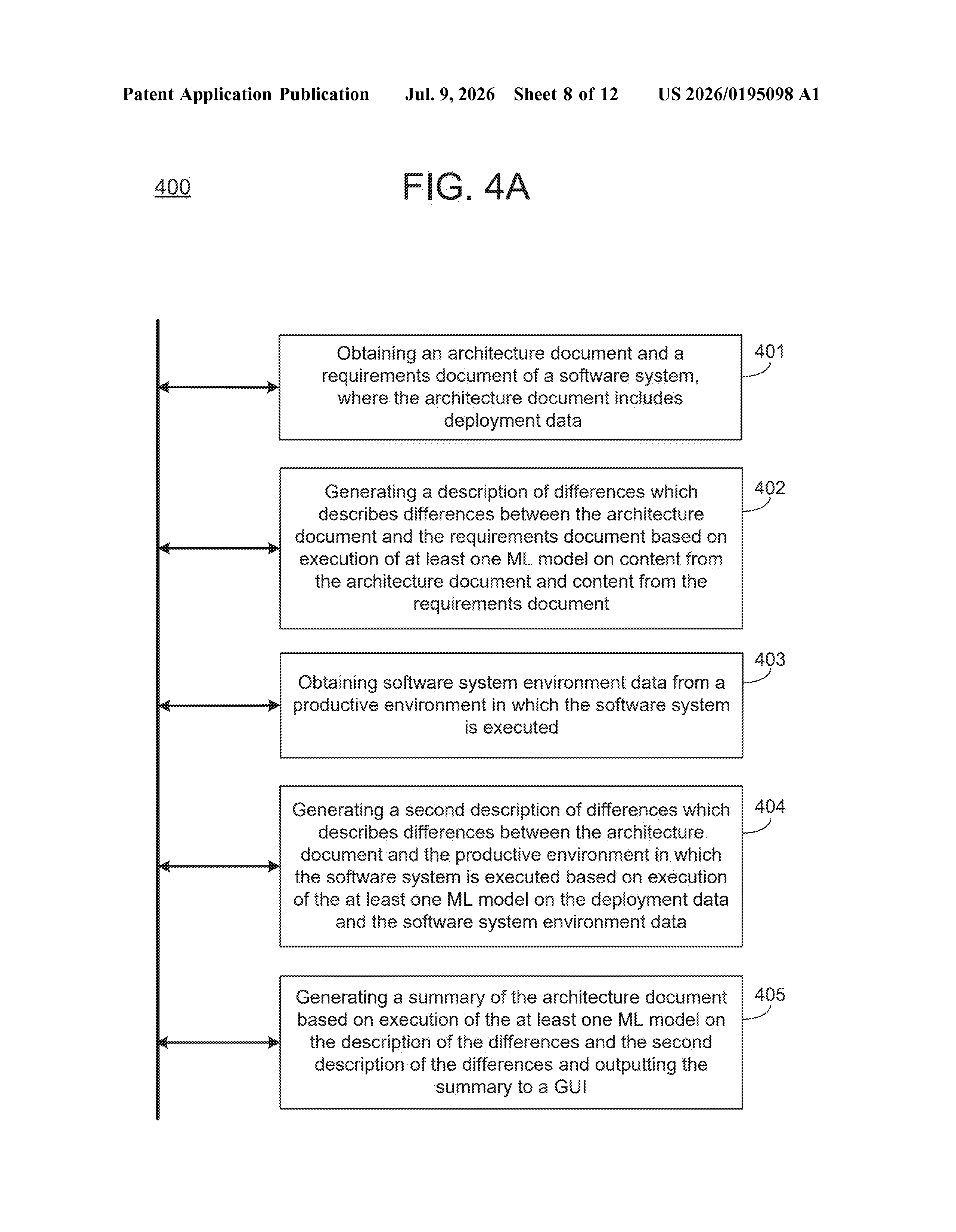
IBM's patent describes an AI tool that reads three things at once: the original architecture document (the blueprint), the requirements document (what the software was supposed to do), and data pulled from the live system actually running in production. It then generates a plain-language summary of everywhere those three sources disagree.
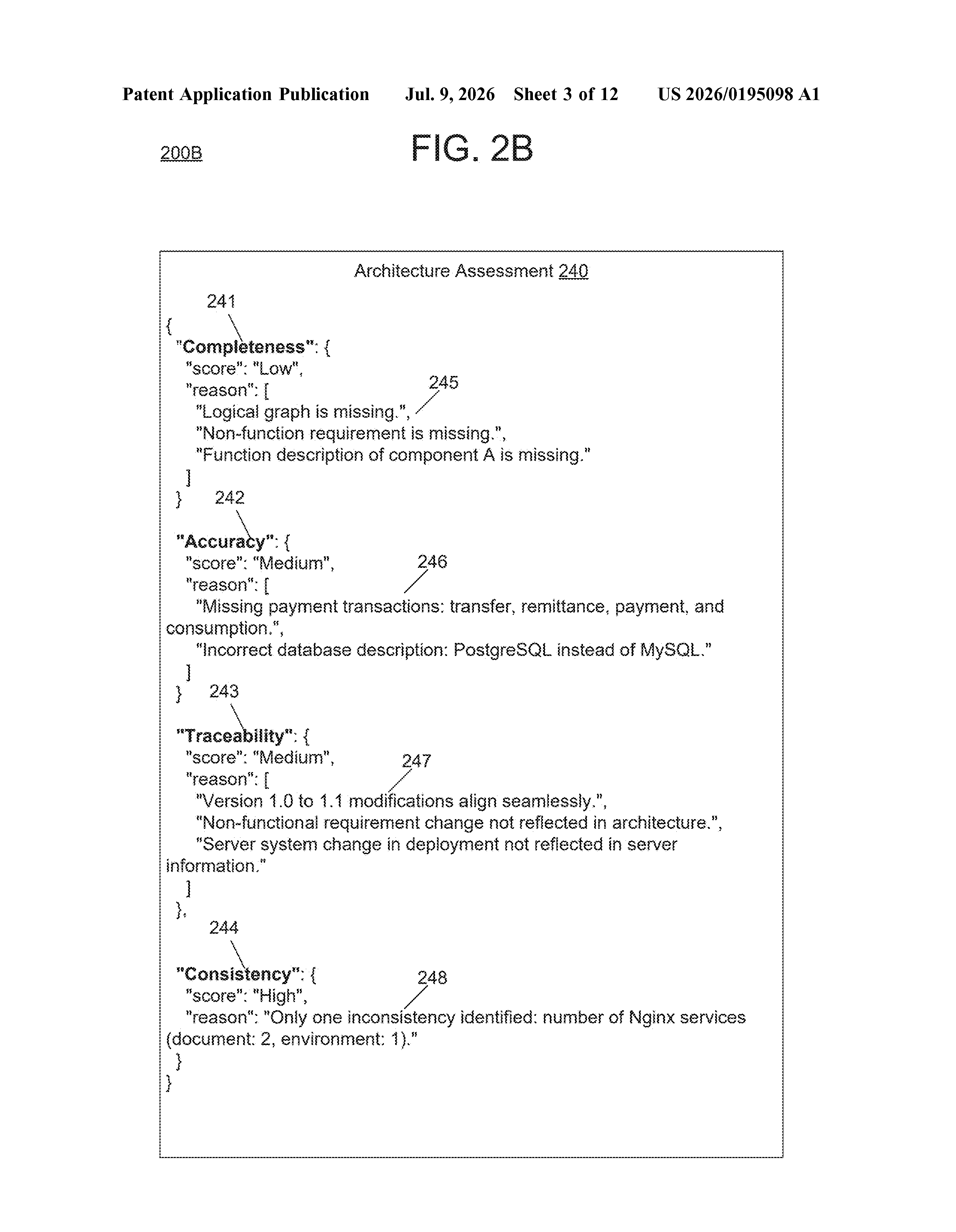
The result gets displayed in a dashboard so engineers or managers can see at a glance where the real system has drifted from the plan, and where the plan never matched the requirements in the first place. Think of it as a spell-checker, but for software architecture.
How the ML model compares documents to live systems
The patent describes a two-track comparison process, both handled by one or more machine learning models.
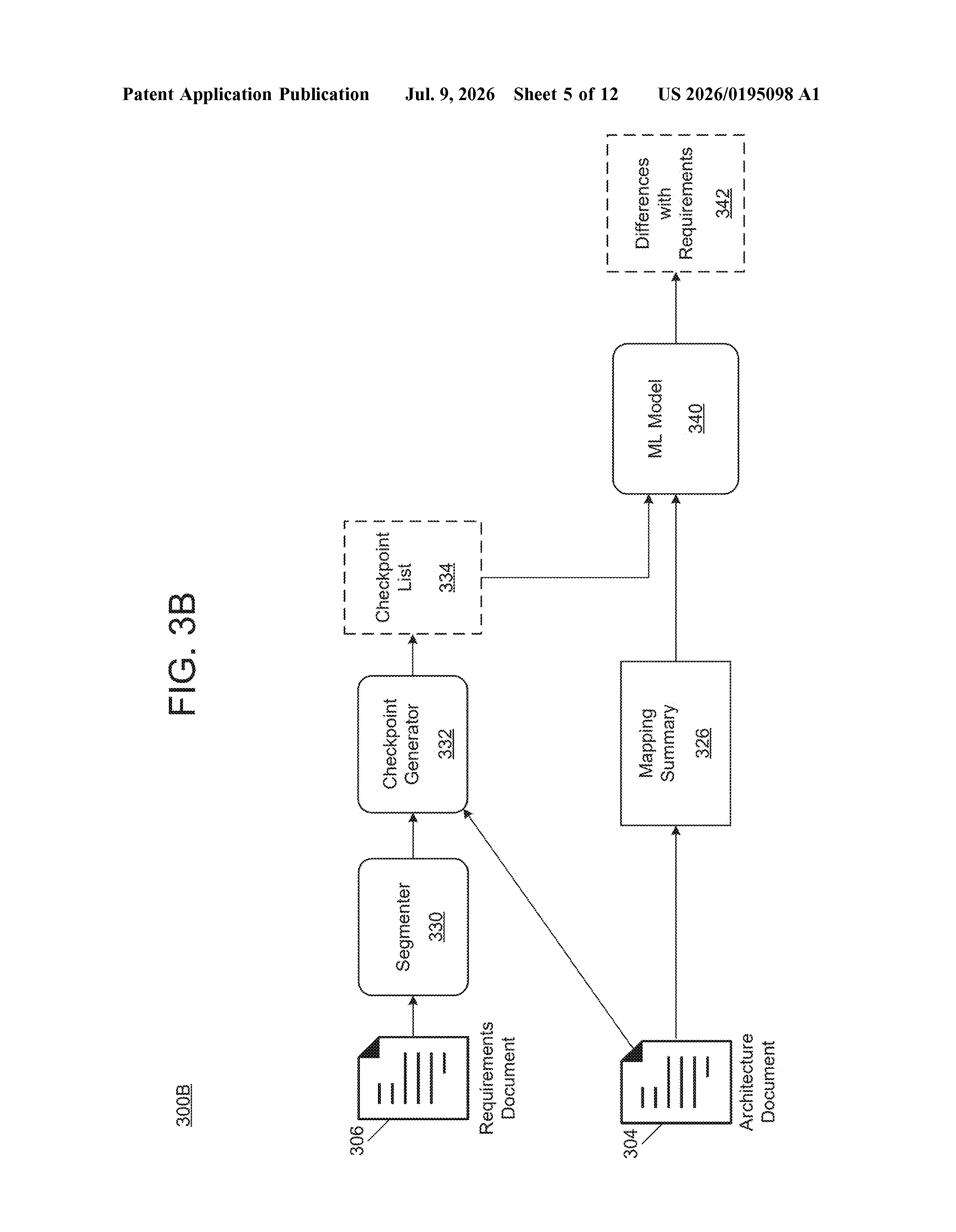
Track one (static check): The system reads the architecture document and the requirements document side by side. The ML model generates a structured description of the differences, essentially noting where what was planned does not match what was specified.
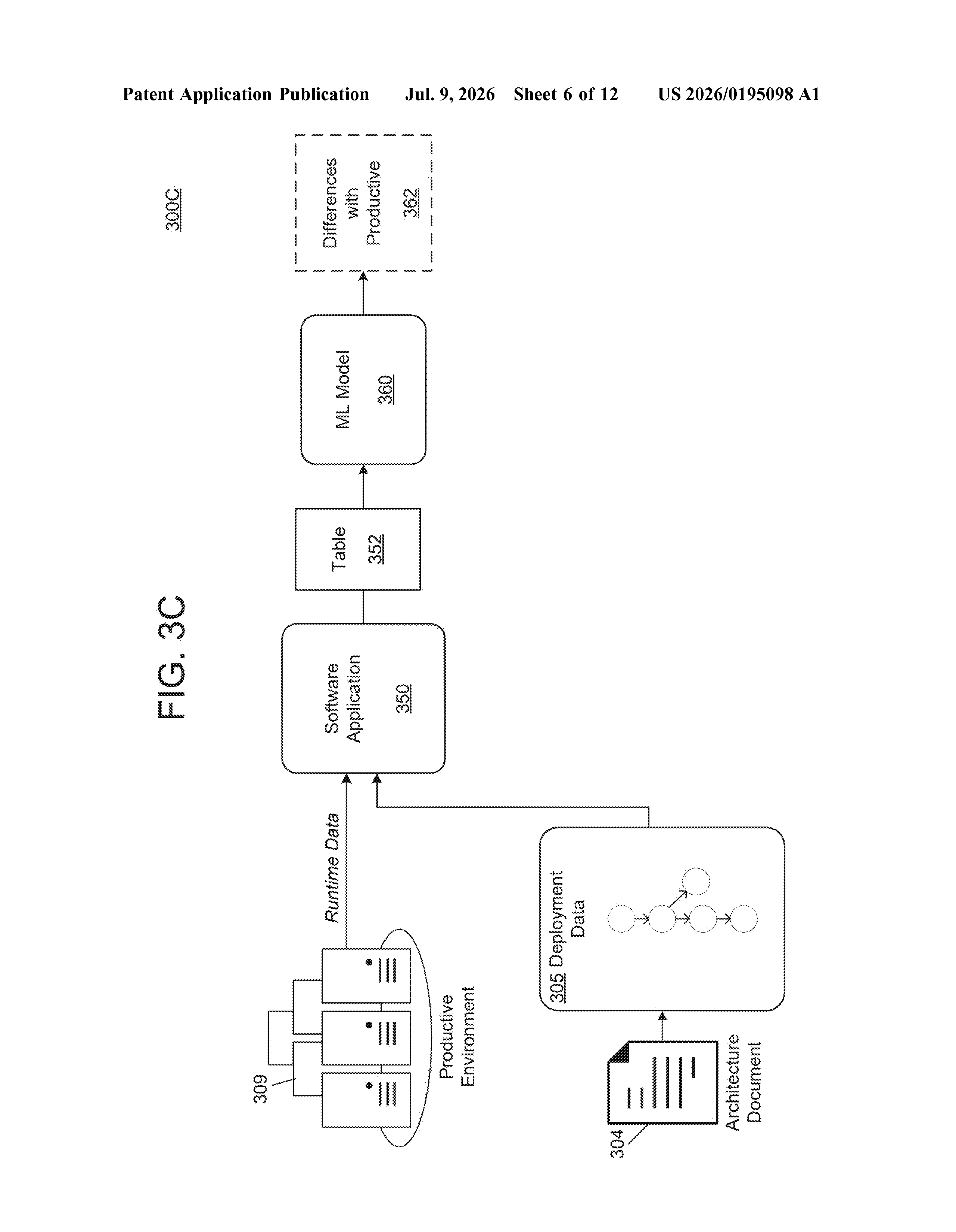
Track two (dynamic check): The system also pulls live data from the productive environment (the actual running software infrastructure, including servers, services, and deployment configurations). It then compares the architecture document's deployment data against this real-world snapshot, producing a second gap report describing where the built system diverges from the blueprint.
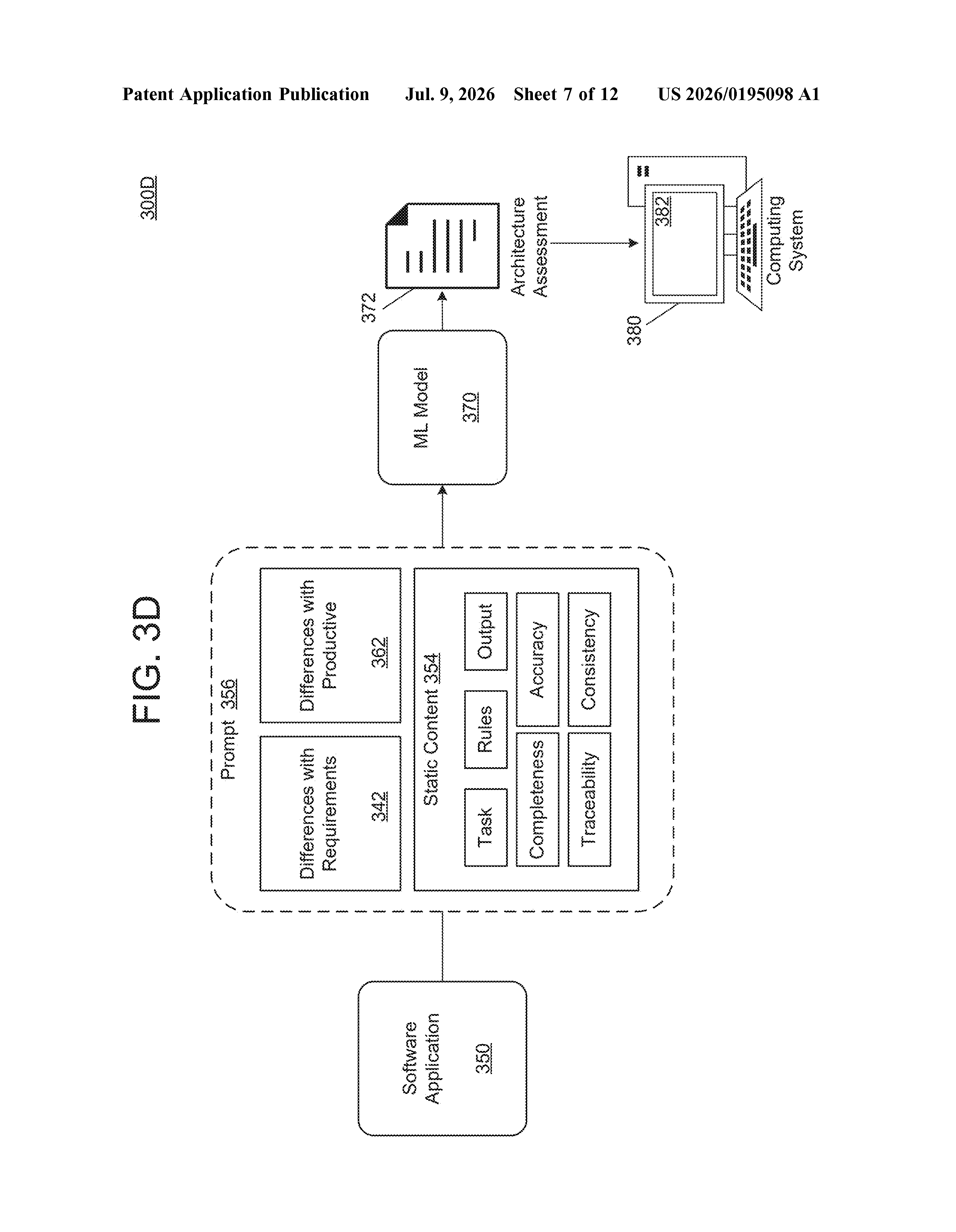
Finally, both gap reports are fed back into the ML model, which synthesizes them into a single summary and pushes it to a graphical user interface for human review.
- Reads architecture docs and requirements docs to find planning gaps
- Pulls live environment data to find implementation gaps
- Merges both gap reports into one readable summary
- Displays results in a GUI for engineers or auditors
What this means for software teams and audits
For large enterprises running complex software, keeping documentation accurate is a constant and largely manual headache. Compliance audits, security reviews, and new-hire onboarding all depend on architecture documents actually reflecting reality, and they often do not. An automated tool that flags those gaps on demand could save significant audit preparation time.
This fits squarely into IBM's ongoing push to apply AI to enterprise software development workflows, an area where it competes with offerings from Microsoft and Google. The practical value here is real, even if the patent itself describes a fairly contained use case.
This is a genuinely useful idea for enterprise software teams, even if it is not exciting technology. The two-track approach, checking docs against requirements AND against the live system, is the right way to frame the problem. Whether the ML models described can handle the messy, inconsistent documentation that real enterprise projects produce is the harder question the patent does not answer.
Get our take in your Top Stories
Liked this breakdown? Add Patentlyze as a preferred source on Google, and our plain-English take shows up more often in your Top Stories the next time IBM patent news breaks.
There are more where this came from
We read every patent application Big Tech publishes and send you the ones worth knowing. Plain English, free, every week.
The drawings
12 drawing sheets from US 2026/0195098 A1 · click any drawing to enlarge
Want this weekly breakdown for a company we don't cover? Patentlyze Pro →