
Google Patents Geoffrey Hinton's Alternative to the Way AI Models Learn
Geoffrey Hinton, one of the founding figures of modern AI, has filed a patent with Google for a training method that could one day replace the algorithm that underlies virtually every major AI model today.
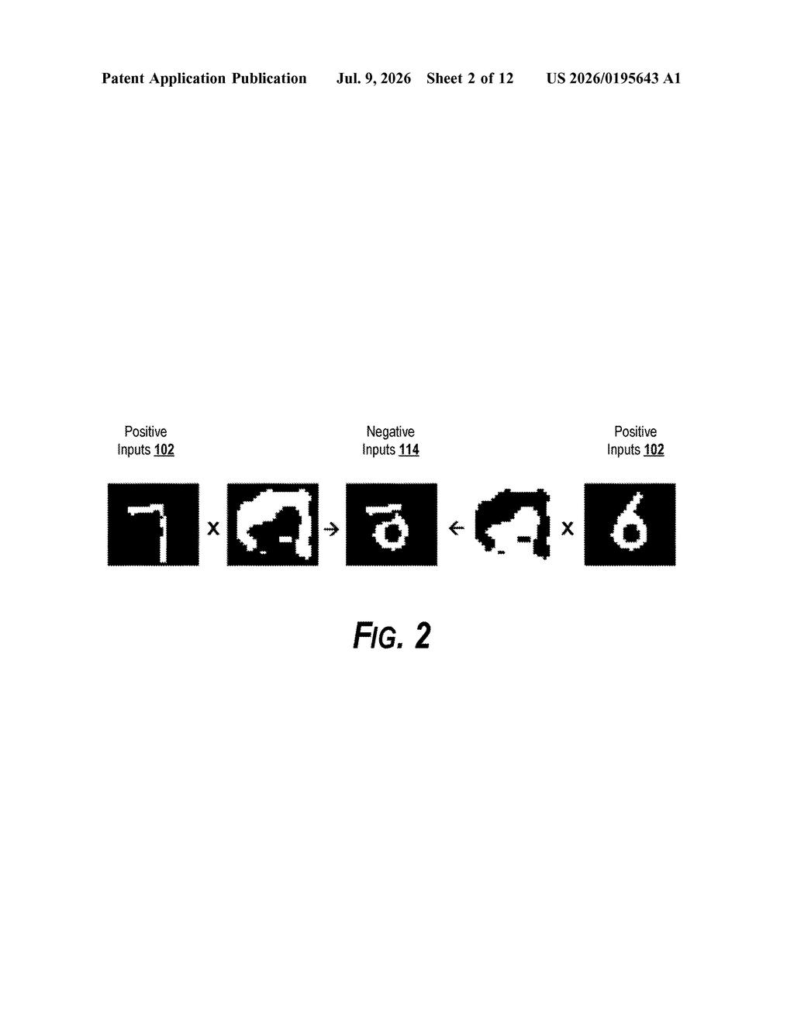
How Google's two-pass training method works
Every AI model you've ever used, from ChatGPT to Google Photos, was trained using a technique called backpropagation. It works by running data through the model, measuring how wrong the output is, and then flowing that error signal backward through the network to fix each layer's mistakes. It's effective, but it requires the model to hold a lot of information in memory and work in one coordinated sweep.
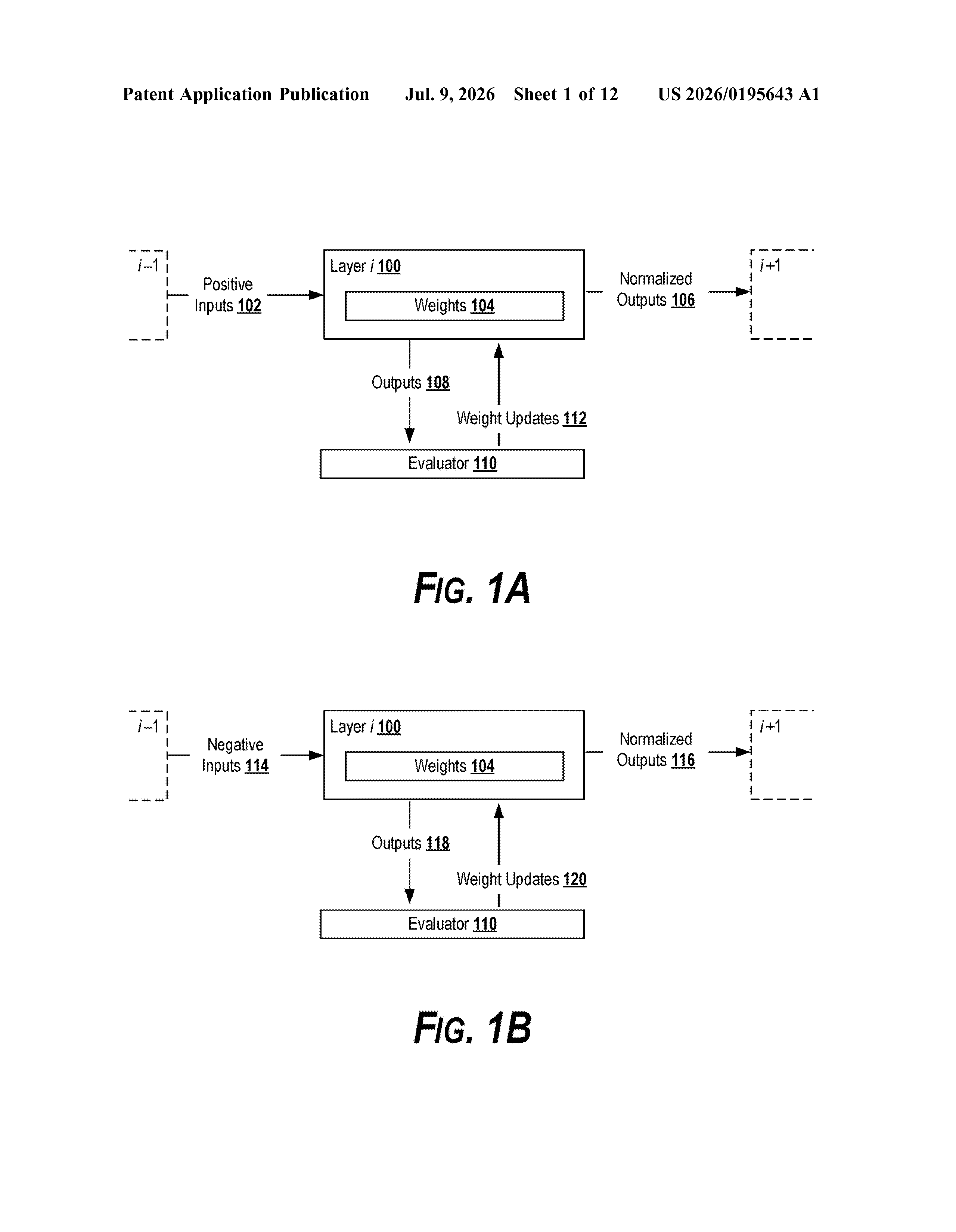
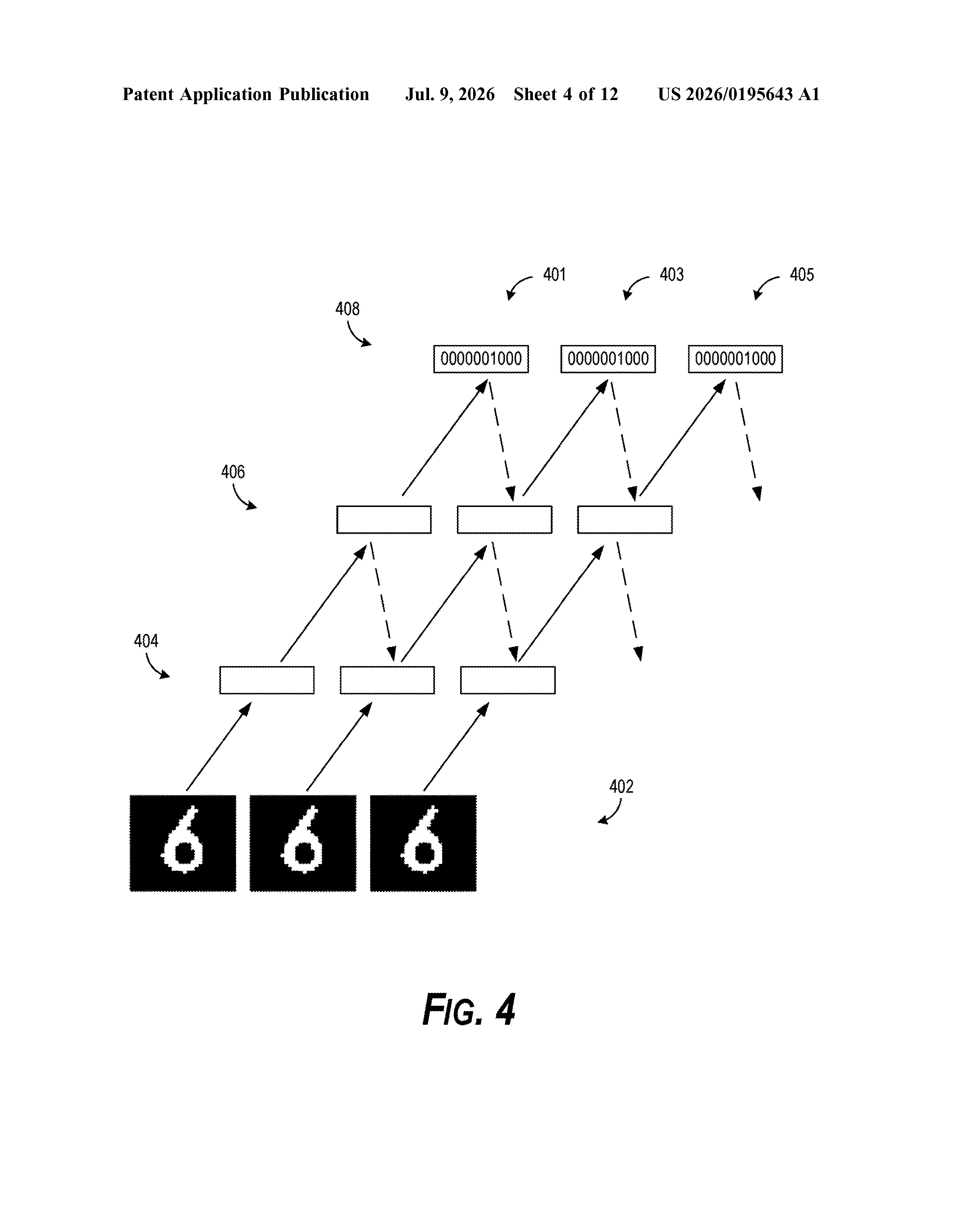
This patent describes a different approach: instead of one forward pass followed by a backward error correction, the model runs two forward passes. In the first, it sees real, correct examples and adjusts to get better at recognizing them. In the second, it sees deliberately wrong or fake examples and adjusts to push those away. Each layer learns on its own, without needing a signal from the end of the network.
The person behind this is Geoffrey Hinton, who won the Nobel Prize in Physics in 2024 for his foundational work on neural networks. He first described this approach publicly in 2022. Now it's a Google patent filing.
Inside the goodness metric and the two forward passes
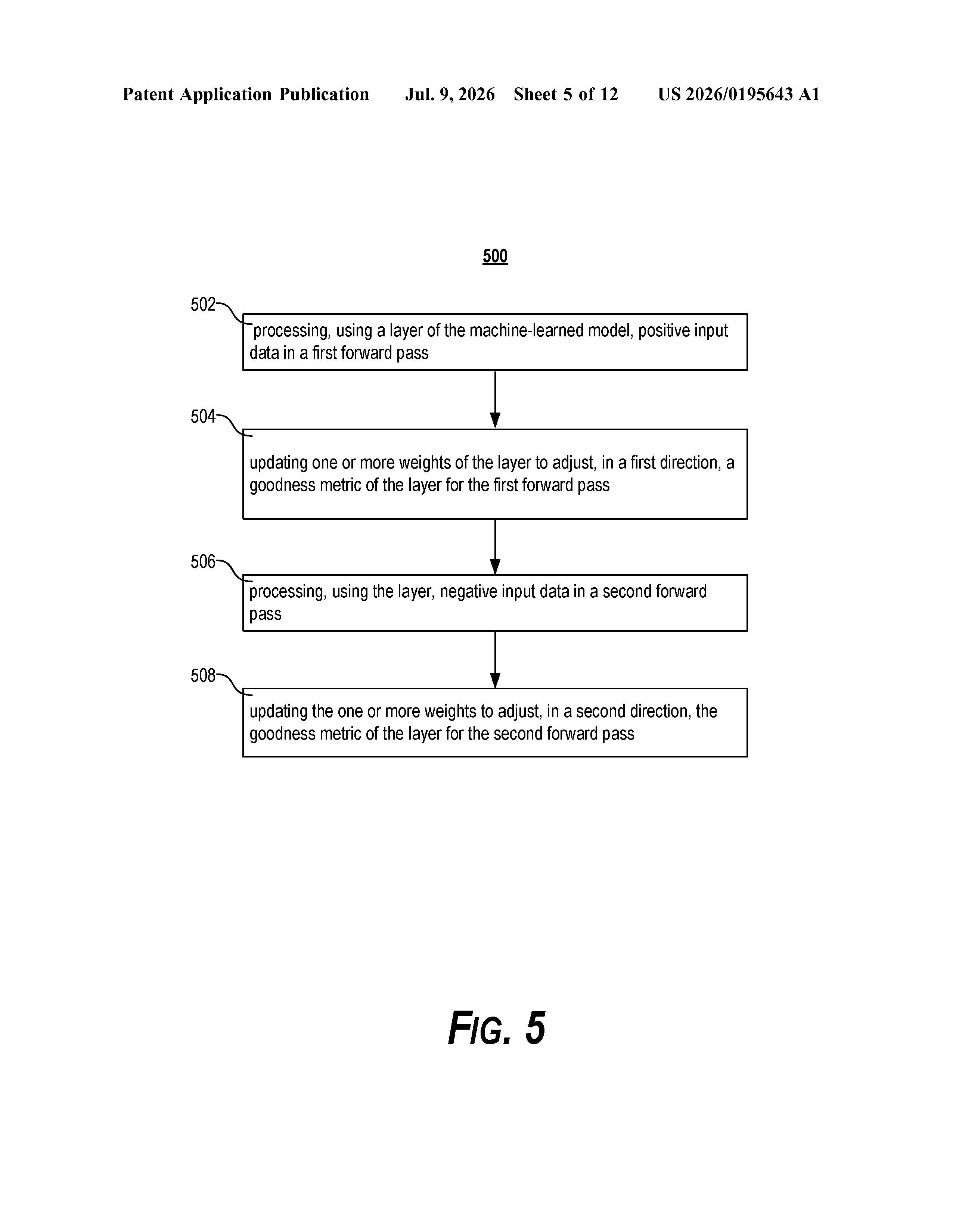
The patent covers a training loop built around what it calls a goodness metric: a score that measures how strongly a layer in the neural network activates in response to a given input. The goal is simple: make the goodness go up when the model sees real data, and make it go down when the model sees fake or incorrect data.
In practice, this means:
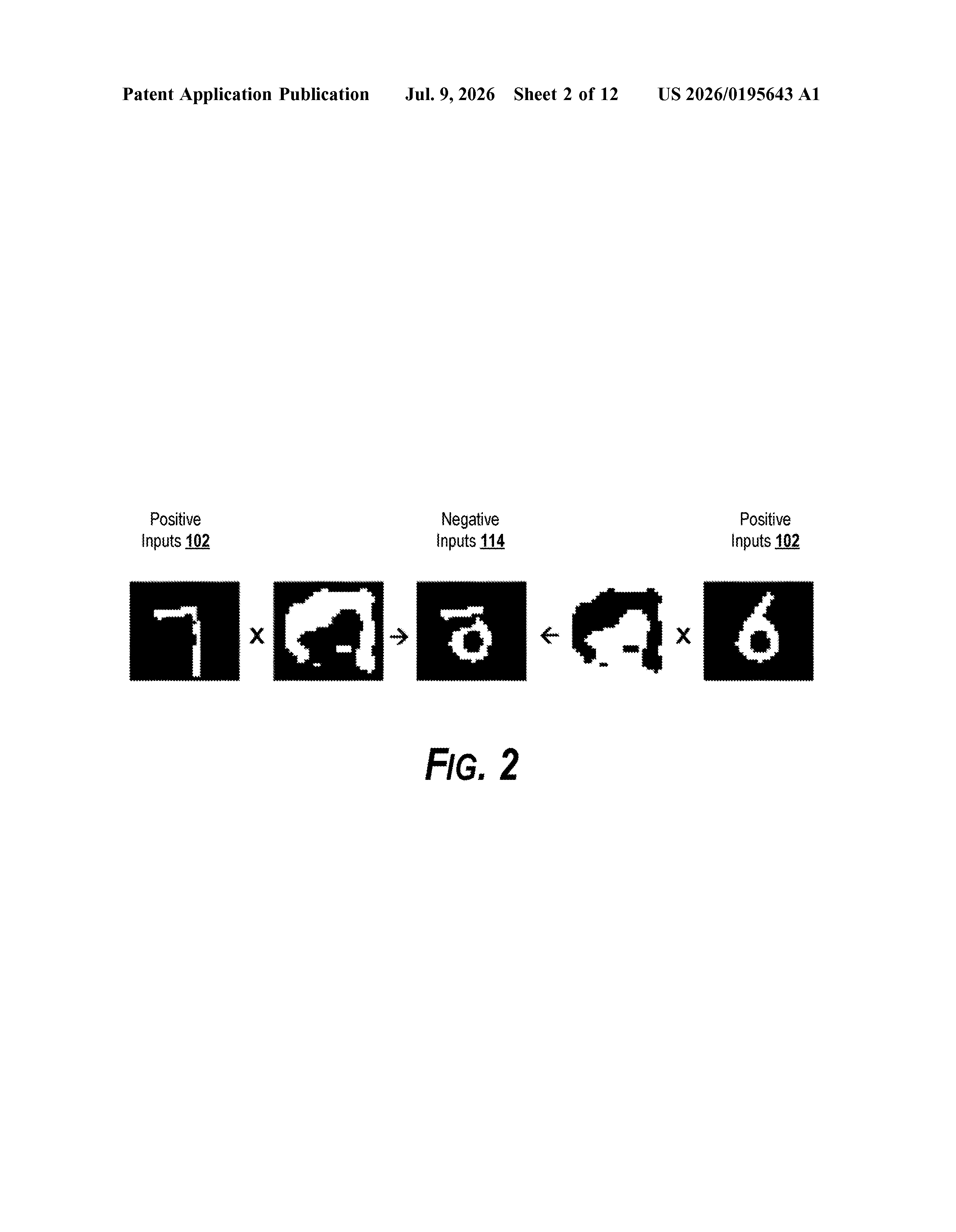
- A layer processes positive input data (real, correctly labeled examples) in a first forward pass, and its weights are updated to increase the goodness score.
- The same layer then processes negative input data (fabricated or mislabeled examples) in a second forward pass, and its weights are updated to decrease the goodness score.
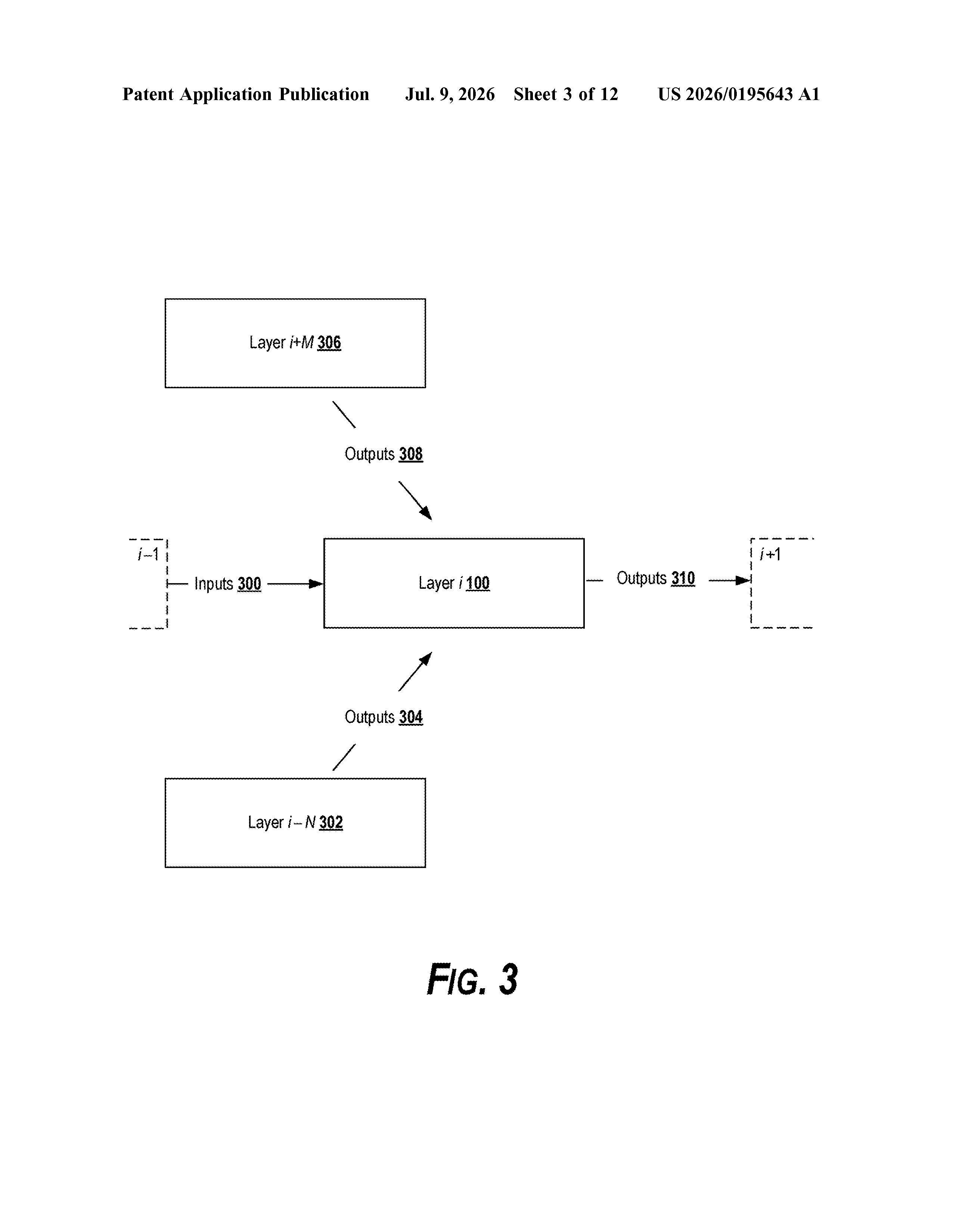
- Each layer does this independently, meaning no backward error signal needs to travel from the output back through the whole network.
This is the core departure from backpropagation (the standard algorithm where error information flows backward through every layer simultaneously). In Hinton's approach, sometimes called the Forward-Forward algorithm, layers learn locally, one at a time, using only forward passes.
The patent is broad, covering the general method, the goodness metric concept, and the positive-versus-negative data framing.
What this means for how AI gets built
Backpropagation has dominated AI training for decades, but it has real constraints: it's memory-intensive, it requires the full network to coordinate during training, and it doesn't map well onto how biological brains actually learn. A method that trains layer by layer using only forward passes could be more memory-efficient and potentially easier to run on lower-power hardware.
That said, the Forward-Forward algorithm is still largely a research idea. Early experiments showed it was competitive on simple tasks but lagged behind backpropagation on harder ones. What matters here is that Google now holds a patent on the foundational method, filed by Hinton himself. If this approach ever becomes practical at scale, Google would be sitting on a key piece of intellectual property in AI training.
This is one of the more genuinely interesting AI patents filed in recent years, not because it describes a product, but because it locks down a training paradigm from one of the most cited researchers in the field. Hinton described this method publicly in 2022, so the novelty window may be narrow, and its real-world performance at scale is still unproven. But if the Forward-Forward algorithm ever matures into something competitive with backpropagation, this filing will matter a lot.
Get our take in your Top Stories
Liked this breakdown? Add Patentlyze as a preferred source on Google, and our plain-English take shows up more often in your Top Stories the next time Google patent news breaks.
There are more where this came from
We read every patent application Big Tech publishes and send you the ones worth knowing. Plain English, free, every week.
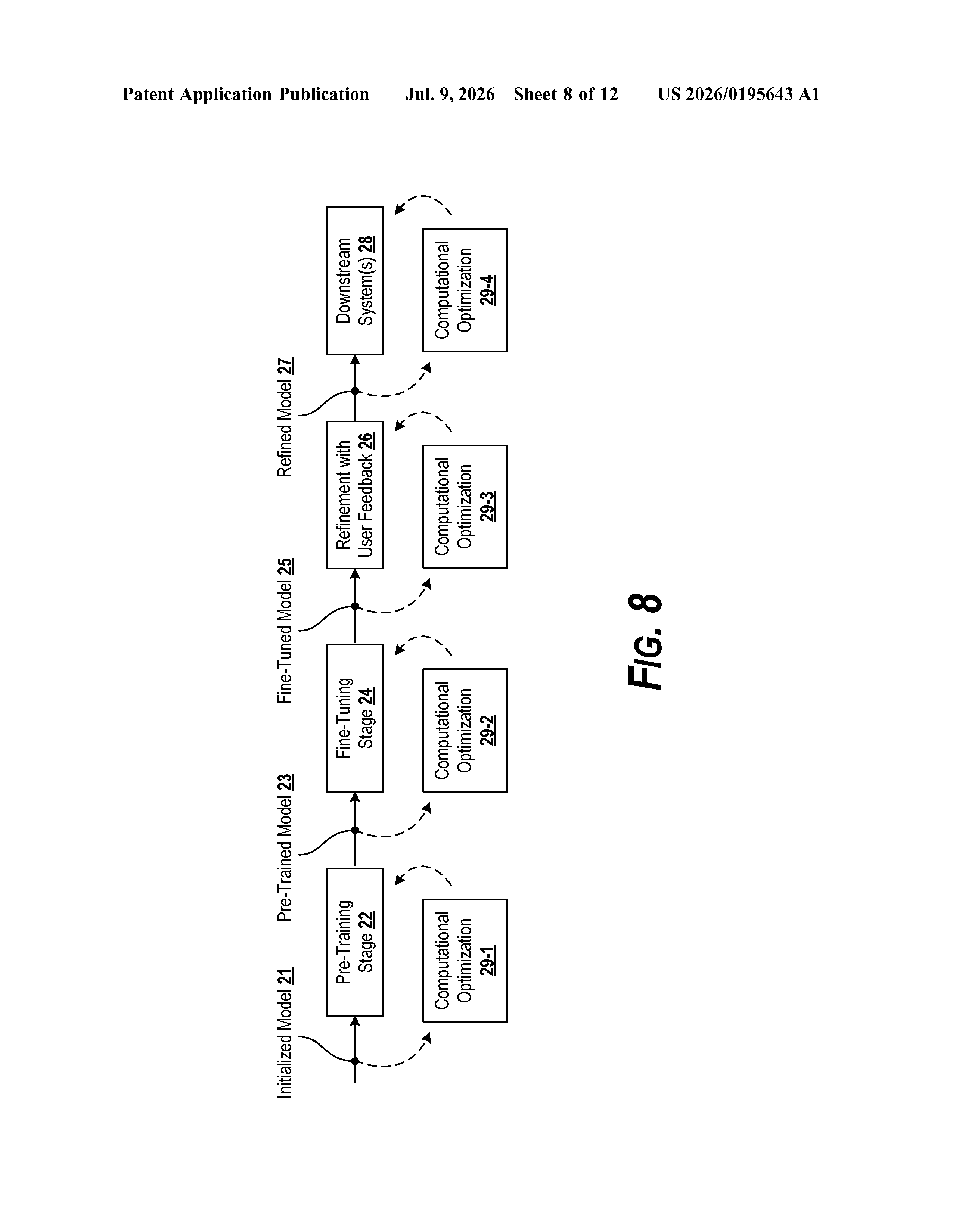
The drawings
12 drawing sheets from US 2026/0195643 A1 · click any drawing to enlarge
Want this weekly breakdown for a company we don't cover? Patentlyze Pro →