
Samsung Patent Introduces Layered Electrode Design to Separate Pen and Touch Sensing
Samsung Display is rethinking how a screen tells your fingertip apart from your stylus pen, and it wants to do it without adding extra layers of glass or wiring.
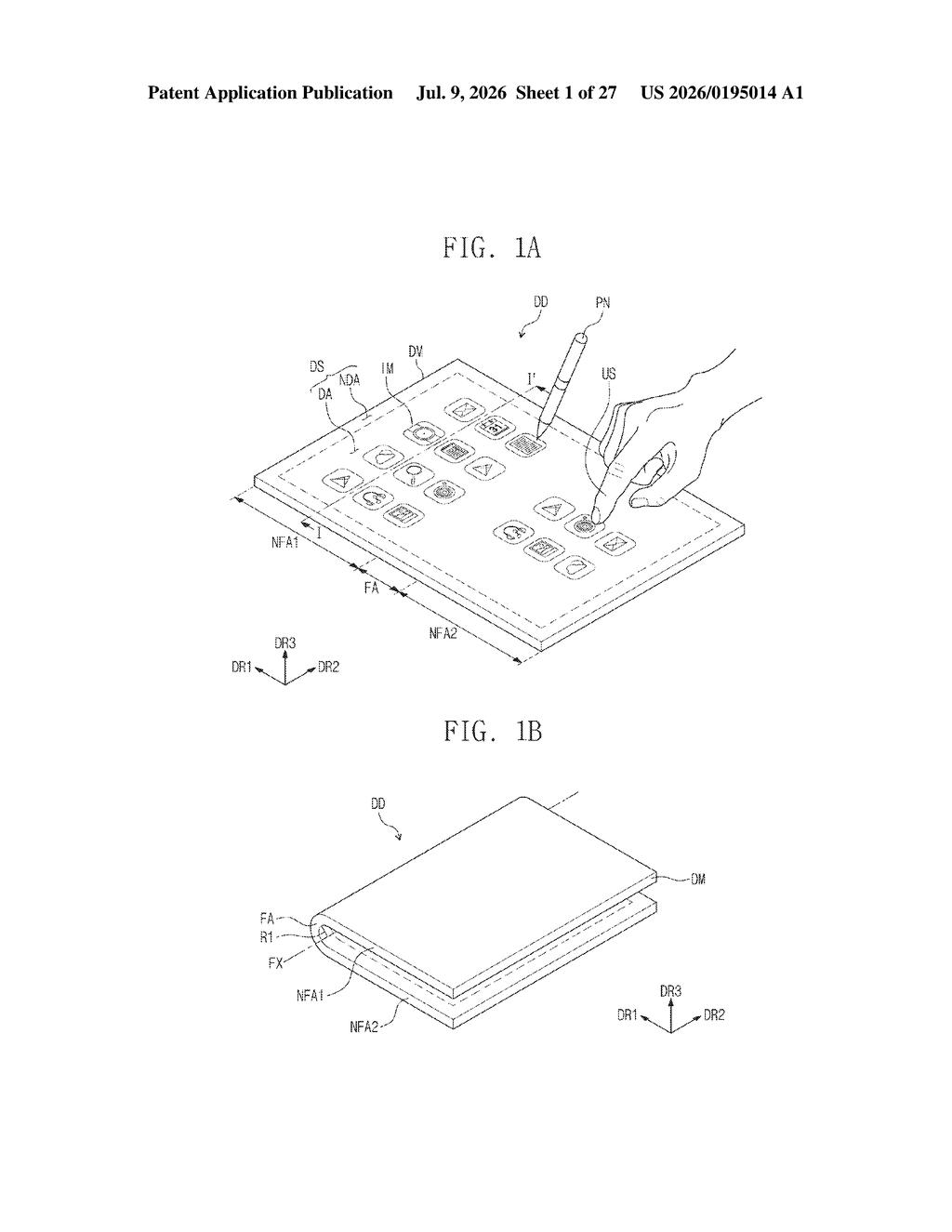
What Samsung's stacked touch sensor actually does
Imagine trying to listen to two conversations at once in a noisy room. That's roughly the problem a touchscreen faces when you use both your finger and a stylus at the same time: the screen has to track both inputs without getting them confused.
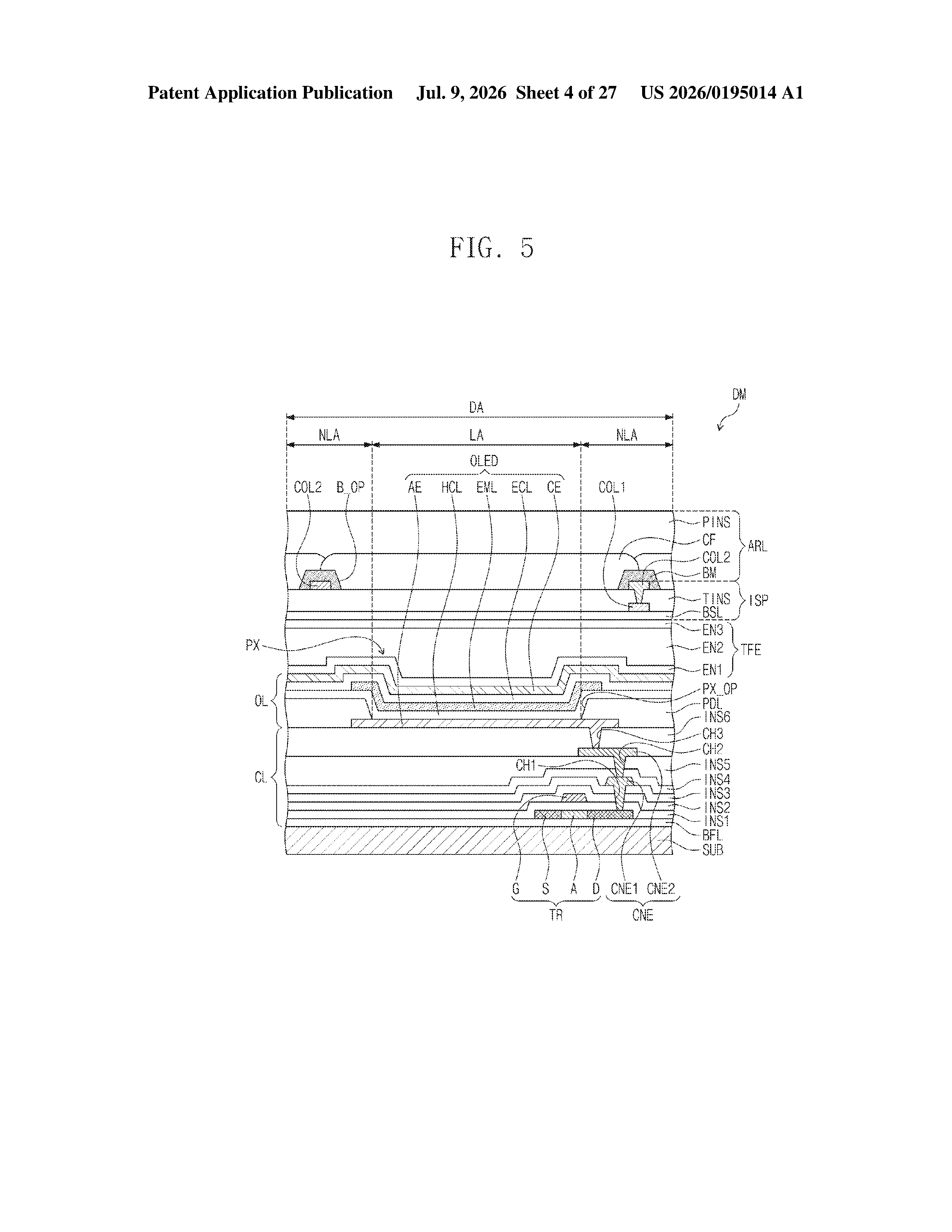
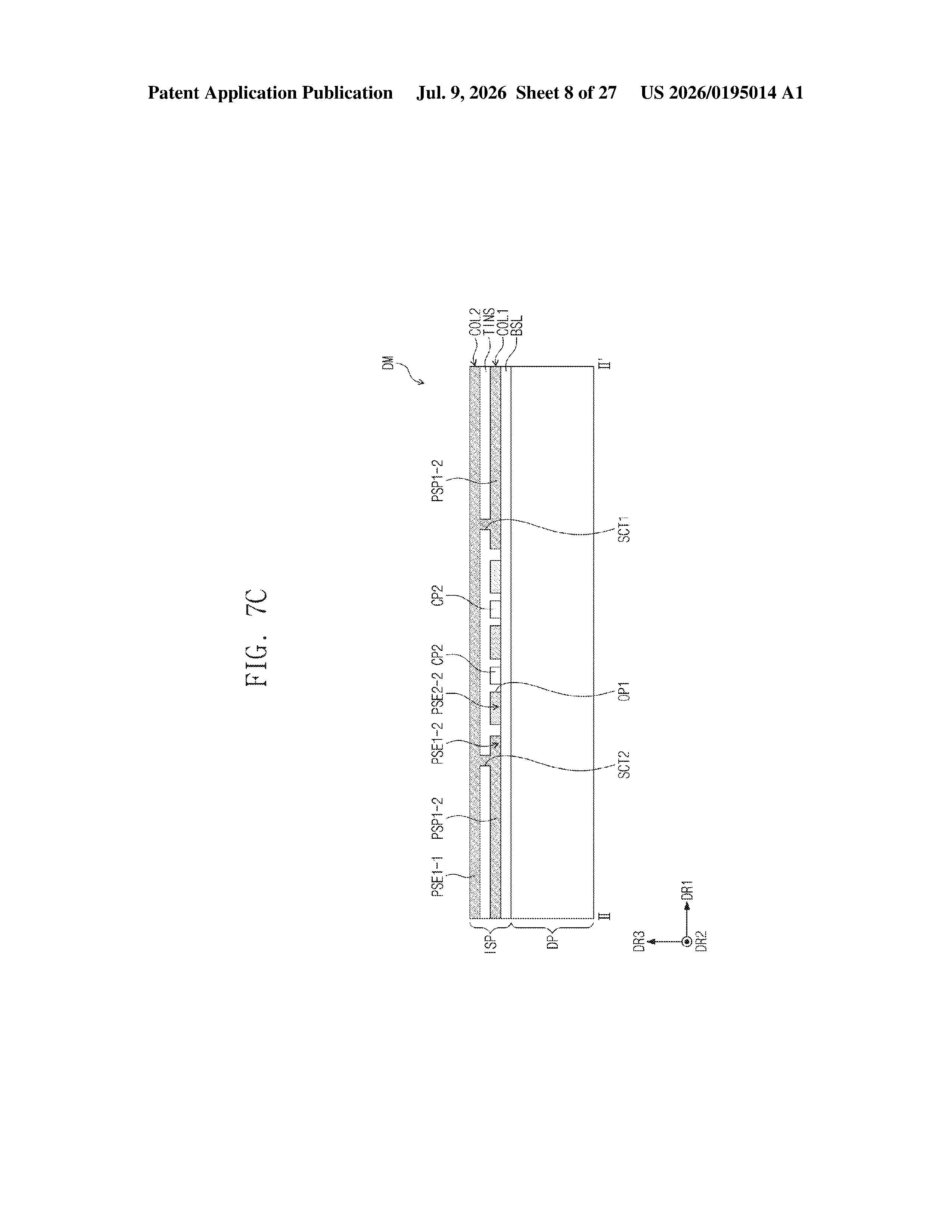
Samsung's patent describes a sensor grid where the electrodes that detect a stylus pen are literally stacked underneath the electrodes that detect your finger touch, all within the same thin panel. Instead of adding a completely separate pen-detection layer on top, Samsung splits the job between layers that already exist inside the screen.
The result, in theory, is a display that handles finger and pen input with less signal interference and without making the screen any thicker than it already is. If you've ever noticed a split second of lag or a missed pen stroke on a tablet, this is the kind of engineering trying to fix that.
How the two electrode layers divide pen from finger sensing
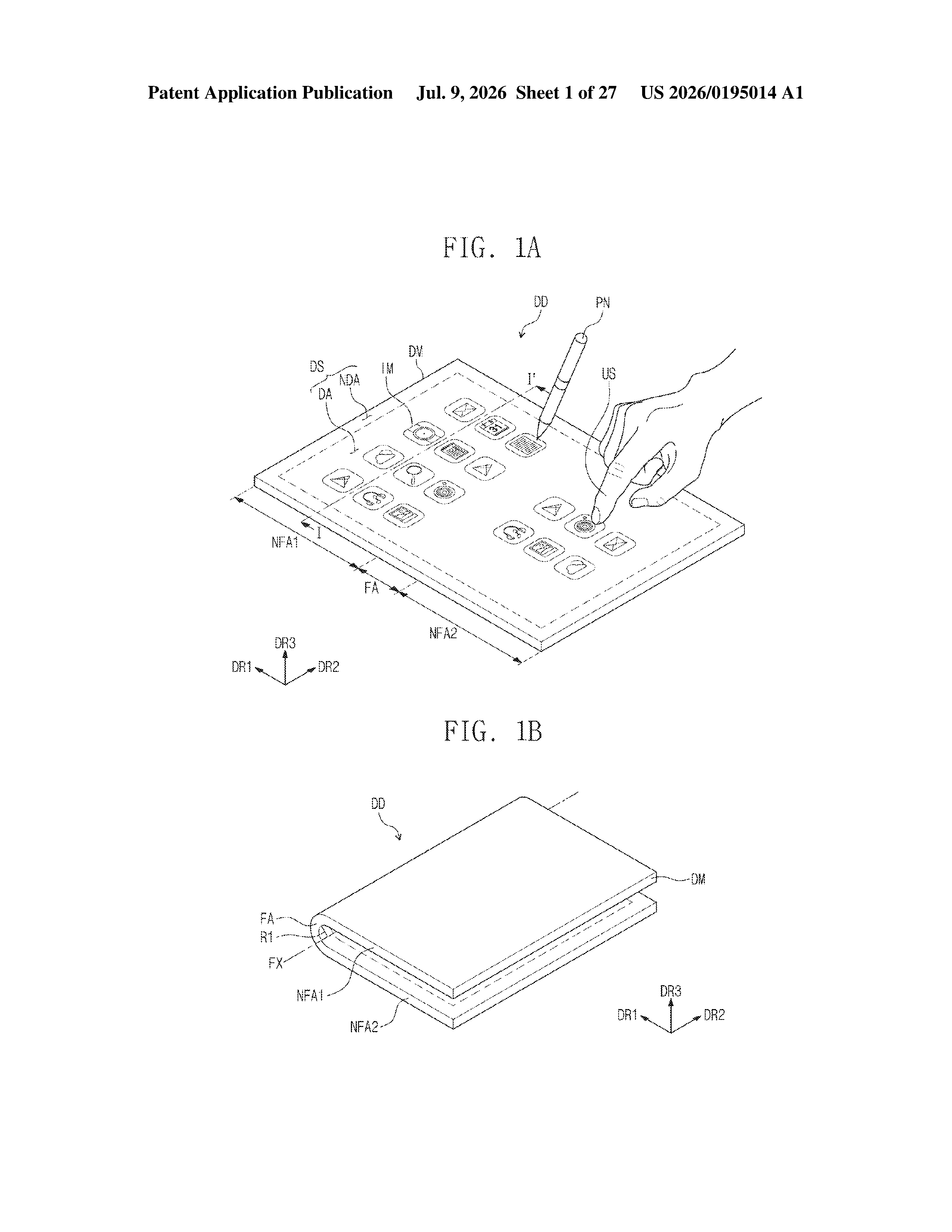
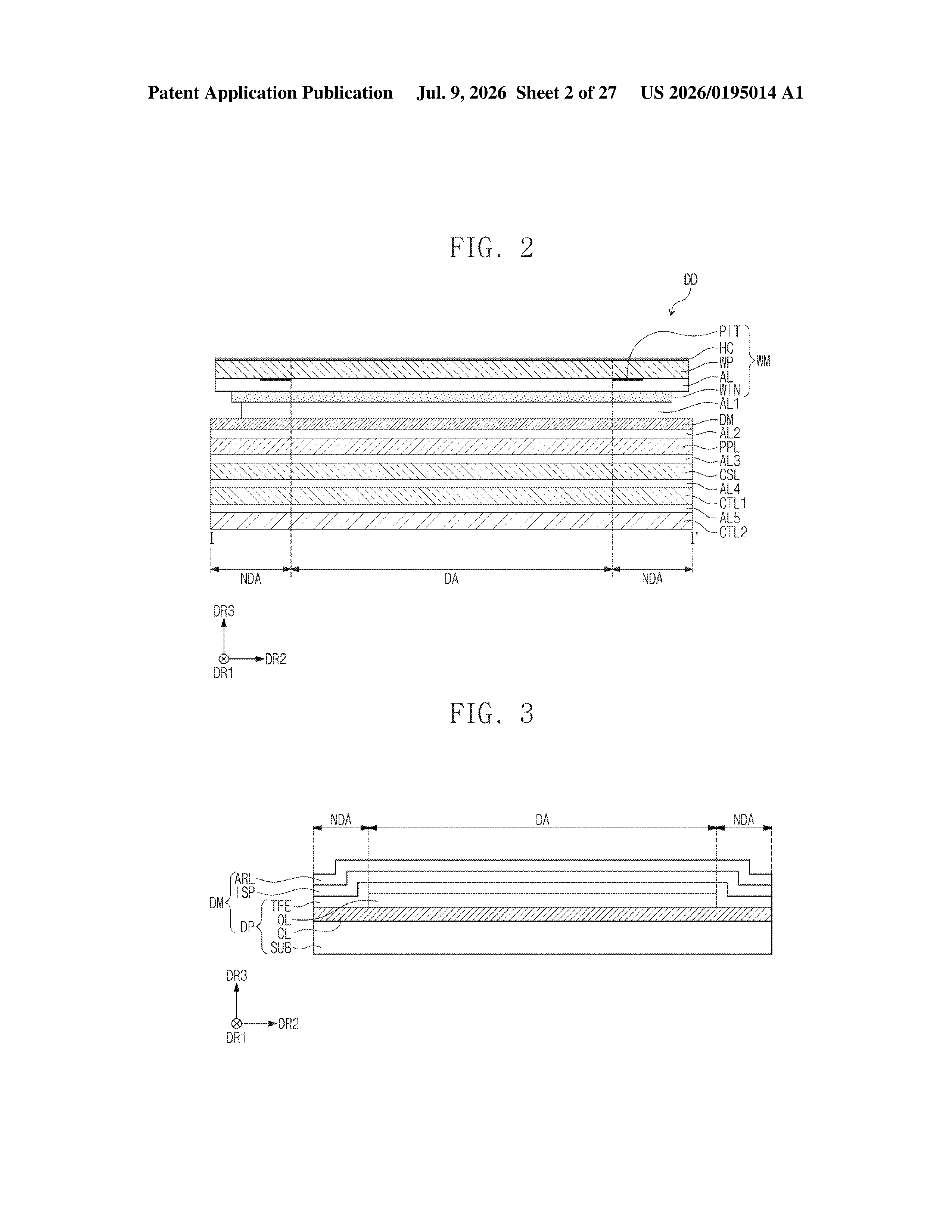
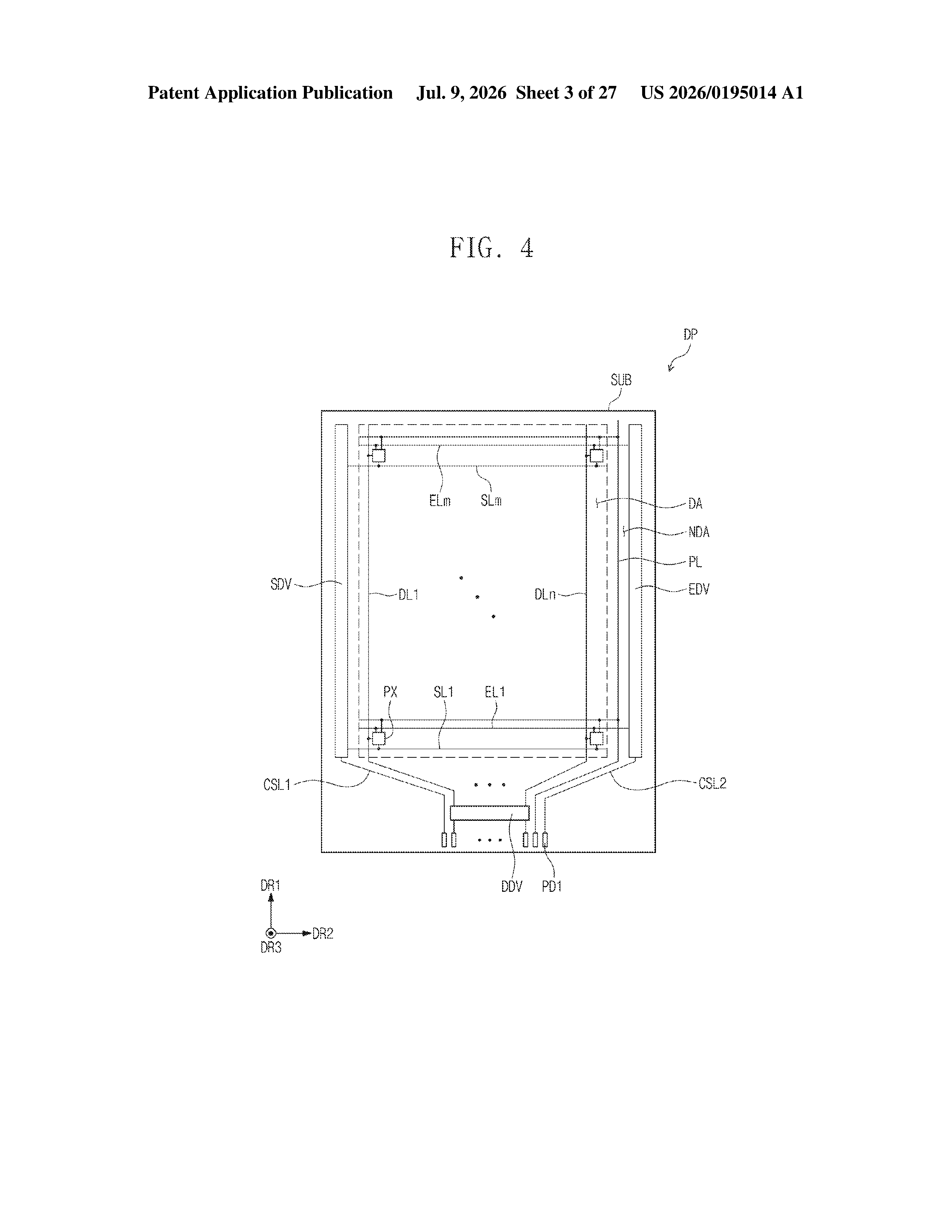
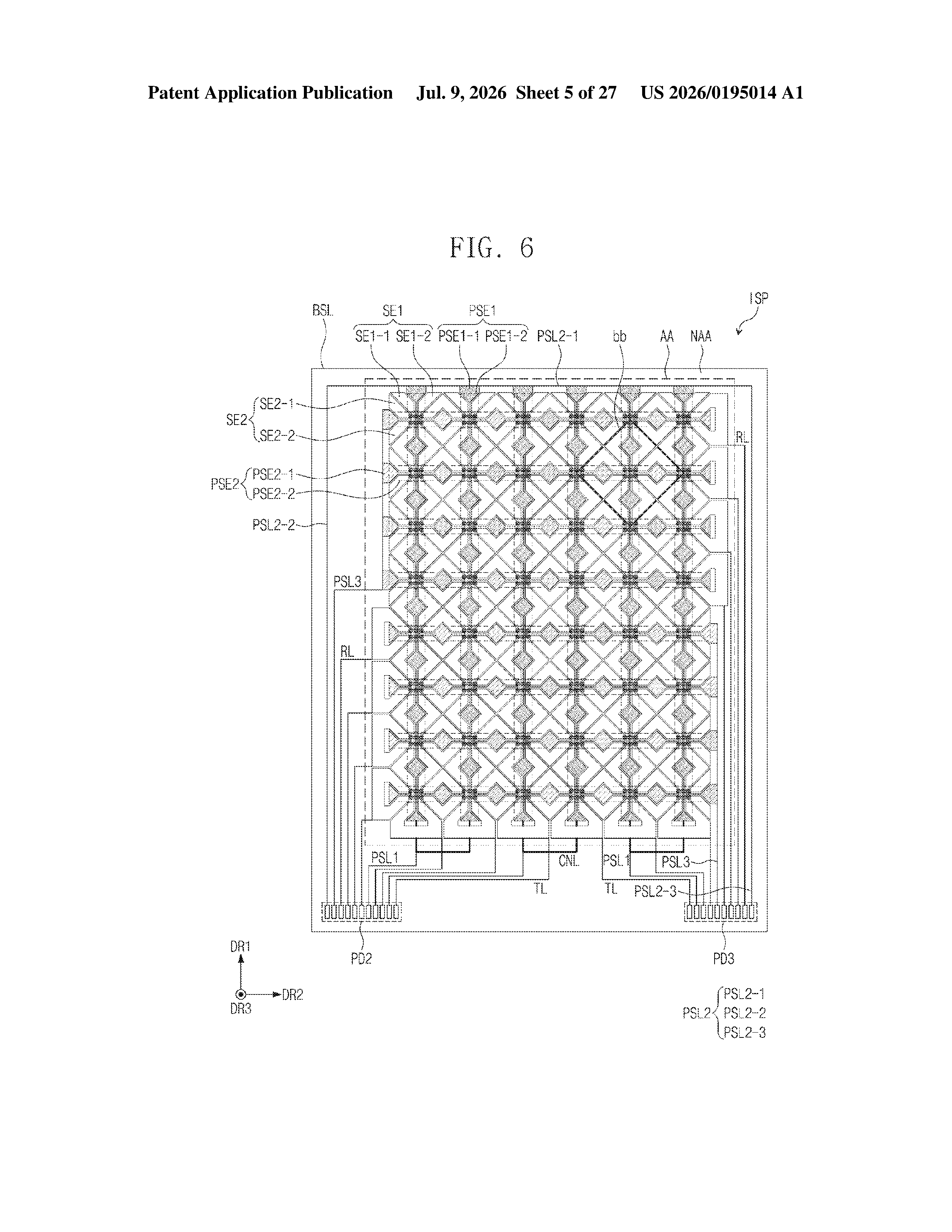
The patent describes an input sensing unit, which is the grid of electrodes hidden inside a touchscreen that detects where and how you're touching it.
Typically, touchscreens use one set of electrodes running horizontally and another running vertically to triangulate your finger's position. Adding stylus detection usually means adding more electrodes, which adds thickness and complexity. Samsung's approach here is different:
- A standard pair of electrodes handles finger-touch sensing, running in two crossing directions (think rows and columns).
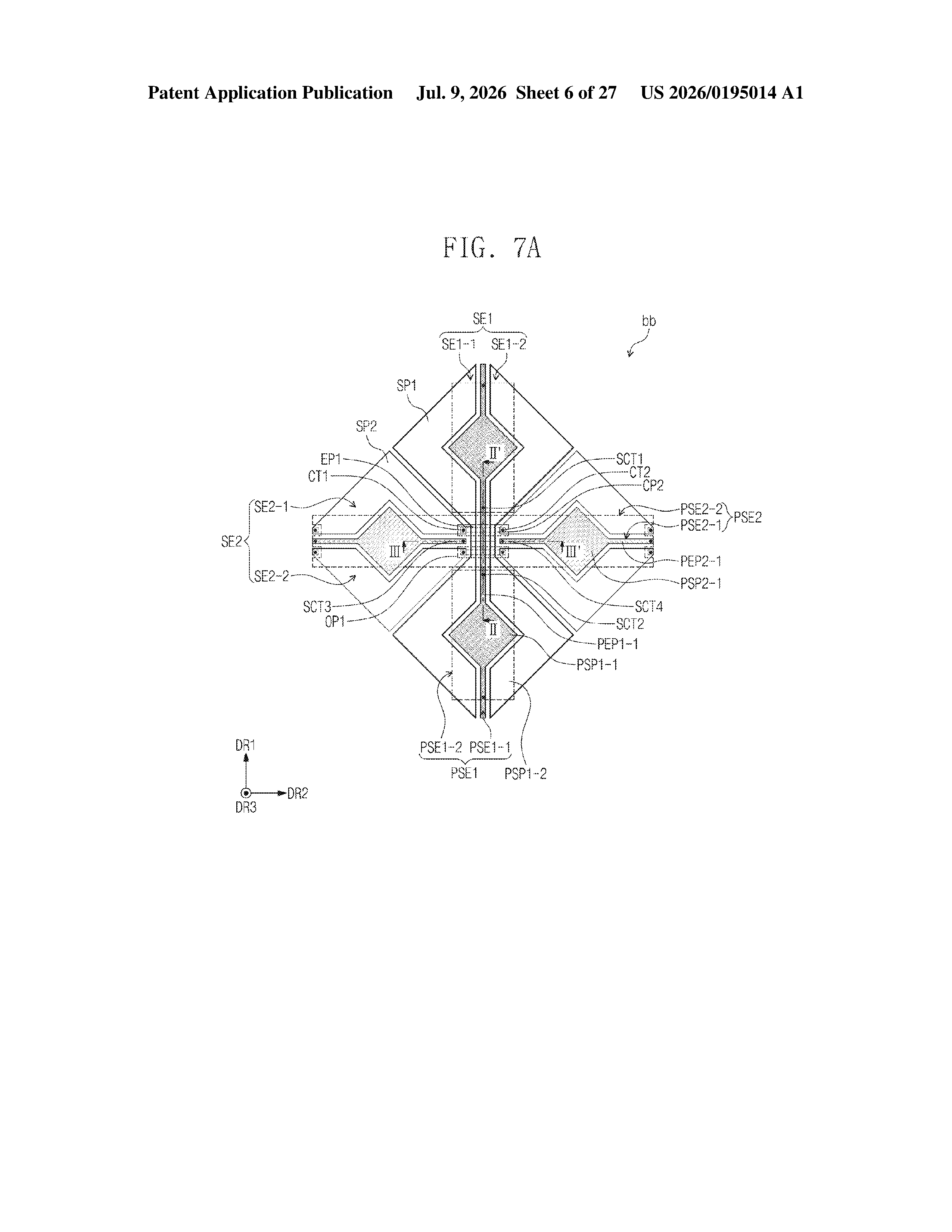
- A separate pair of pen-sensing electrodes also runs in those same two directions, but each pen electrode is split into two parts stacked on different layers inside the panel.
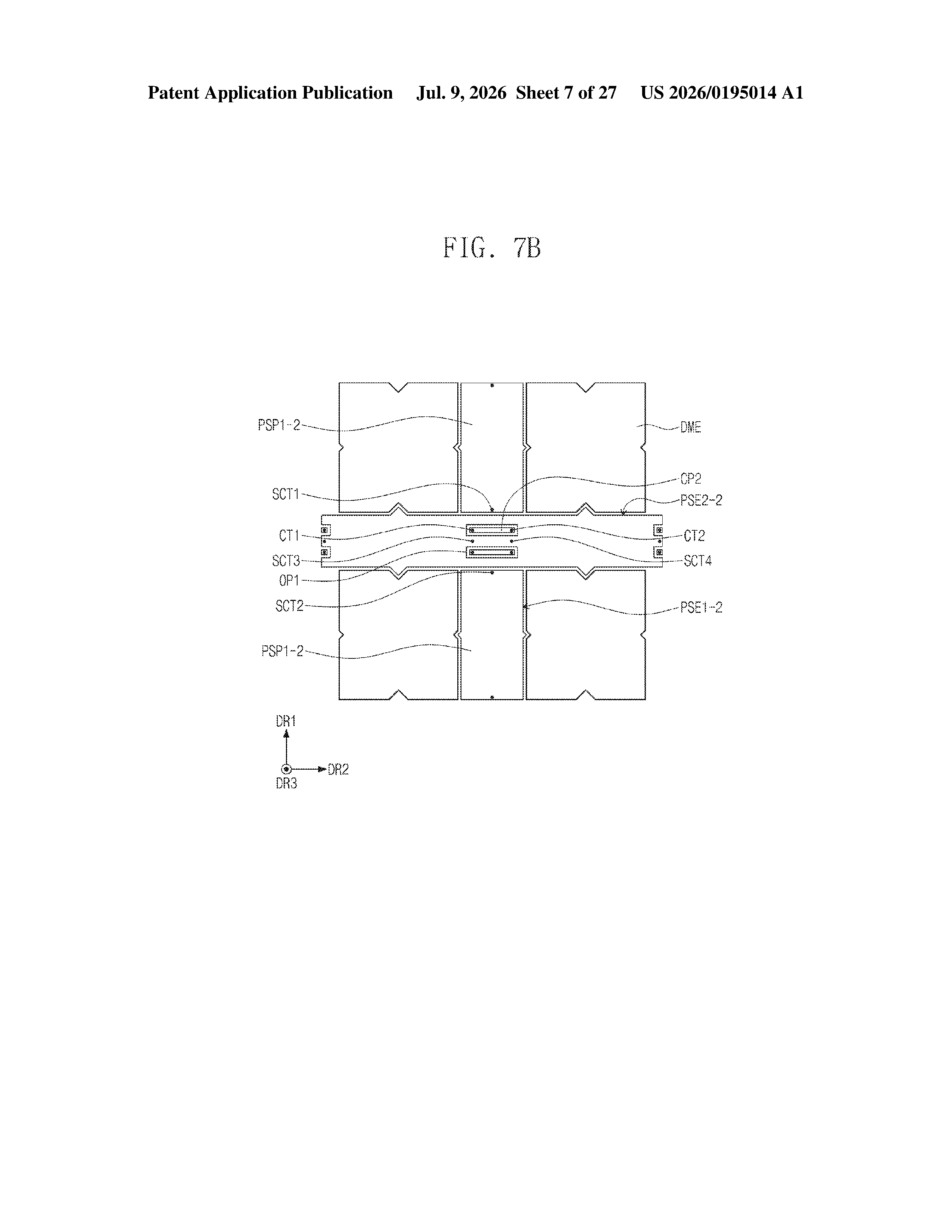
- The upper part of each pen electrode sits on the same layer as the finger electrode nearby, while the lower part sits on the layer beneath it, with the two halves overlapping each other vertically.
This stacked arrangement lets the screen distinguish stylus signals from finger signals more cleanly, because the pen electrodes occupy their own dedicated physical space even though they share the panel with the touch electrodes. The patent's first claim also describes splitting one sensing electrode into two segments spaced apart, which gives the sensor finer spatial resolution.
What this means for stylus-equipped Samsung displays
For anyone who uses a Samsung Galaxy Tab or a foldable like the Galaxy Z Fold with an S Pen, the quality of stylus tracking is a daily concern. Lag, missed strokes, and interference between finger and pen input are real annoyances, especially for note-taking or drawing apps.
This patent suggests Samsung Display is working to solve that at the hardware level, inside the panel itself, rather than relying only on software tricks. If this sensor design makes it into production, you could get more accurate pen detection without any increase in screen thickness, which is a genuine trade-off manufacturers face every time they add a new input technology.
This is genuinely interesting display engineering, even if it won't make headlines outside the screen-technology community. Samsung Display supplies panels to a wide range of devices, so a better dual-layer stylus sensor could show up in more products than just Samsung's own tablets. The incremental nature of the improvement (less interference, same thickness) is exactly the kind of quiet hardware work that actually ships.
Get our take in your Top Stories
Liked this breakdown? Add Patentlyze as a preferred source on Google, and our plain-English take shows up more often in your Top Stories the next time Samsung patent news breaks.
There are more where this came from
We read every patent application Big Tech publishes and send you the ones worth knowing. Plain English, free, every week.
The drawings
27 drawing sheets from US 2026/0195014 A1 · click any drawing to enlarge
Want this weekly breakdown for a company we don't cover? Patentlyze Pro →