
IBM Patents a System That Moves Database Data Before You Even Ask for It
IBM wants to teach a database system to read the future, at least well enough to move the data you're about to need into fast memory before you ask for it. The idea is to cut the waiting time that happens when a query has to pull data from slow storage.
How IBM's predictive data-loading actually works
Imagine a restaurant kitchen where the chef has to run to a cold storage room every time a customer orders a dish. Slow. Now imagine a chef who reviews past orders, spots patterns, and pre-stocks the countertop before the dinner rush. That's essentially what IBM is patenting here, but for databases.
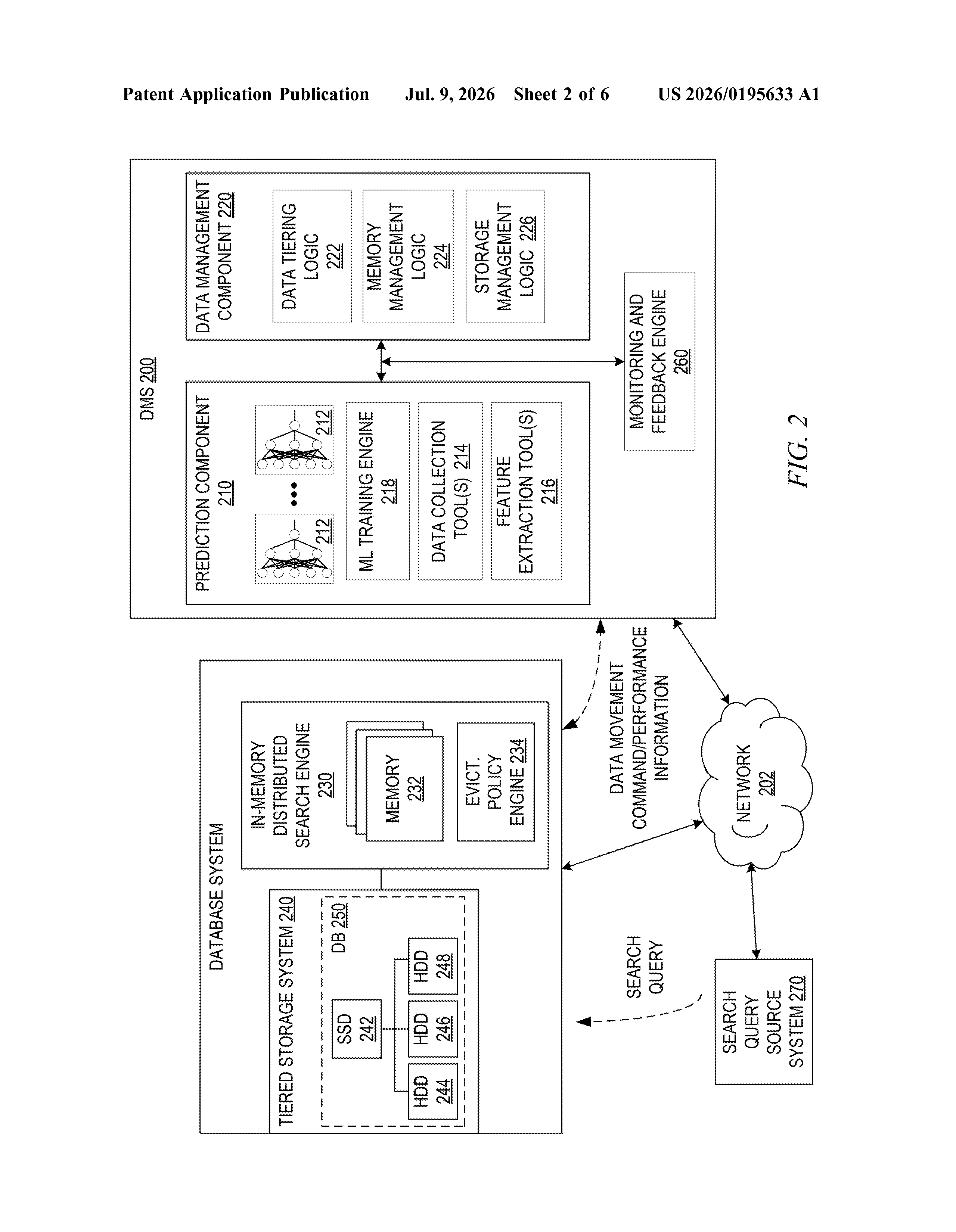
When a database runs a query, it often has to pull data from slower storage drives, which takes time. IBM's system watches logs of past database activity, trains a machine learning model on those patterns, and then uses that model to predict which data chunks will be needed soon. It then moves them into fast memory ahead of time.
The result: the database finds what it needs already waiting in the fast lane, instead of sitting idle while slow drives catch up. This is especially useful in large distributed systems where many machines are processing data together.
How the model learns access patterns from logs
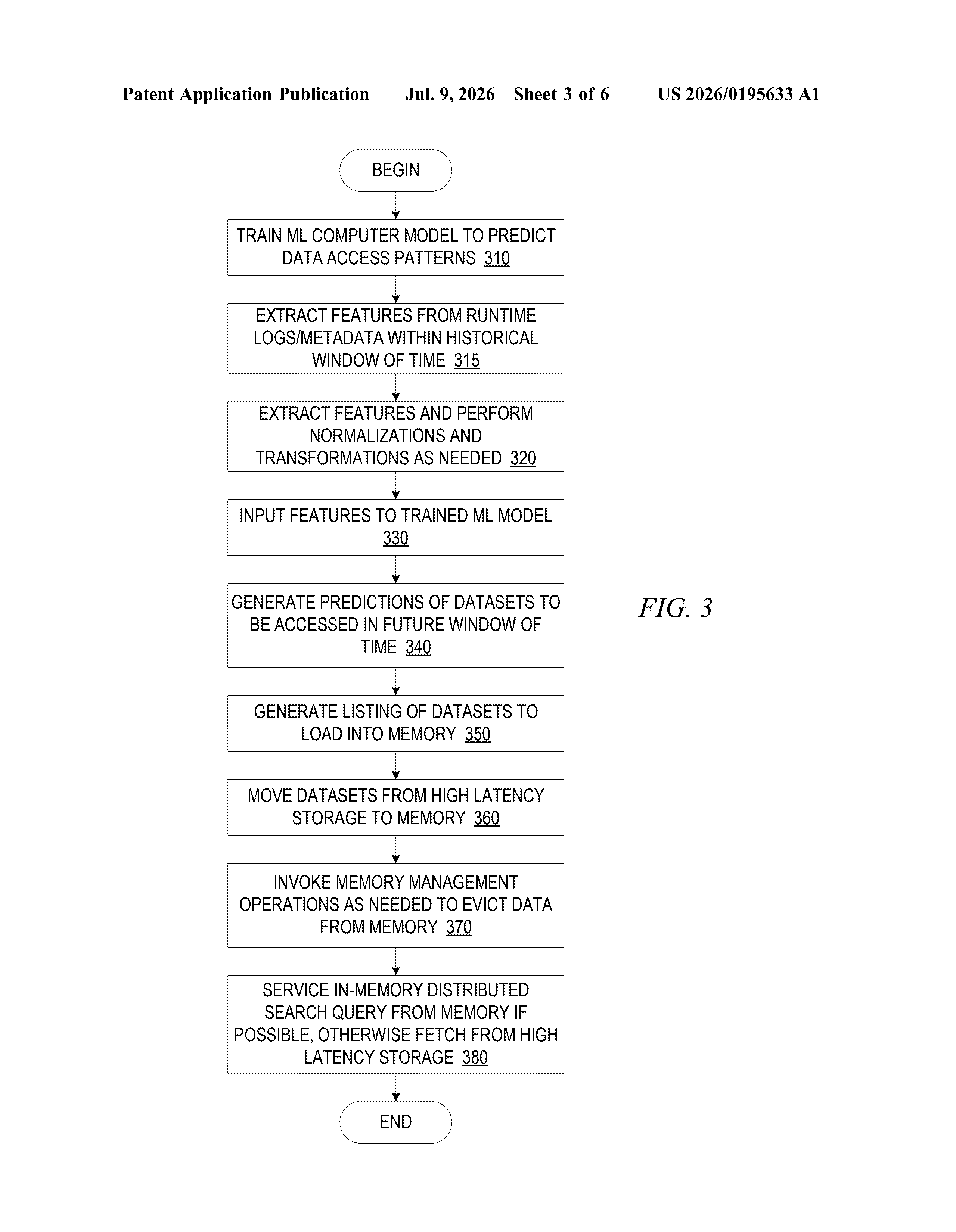
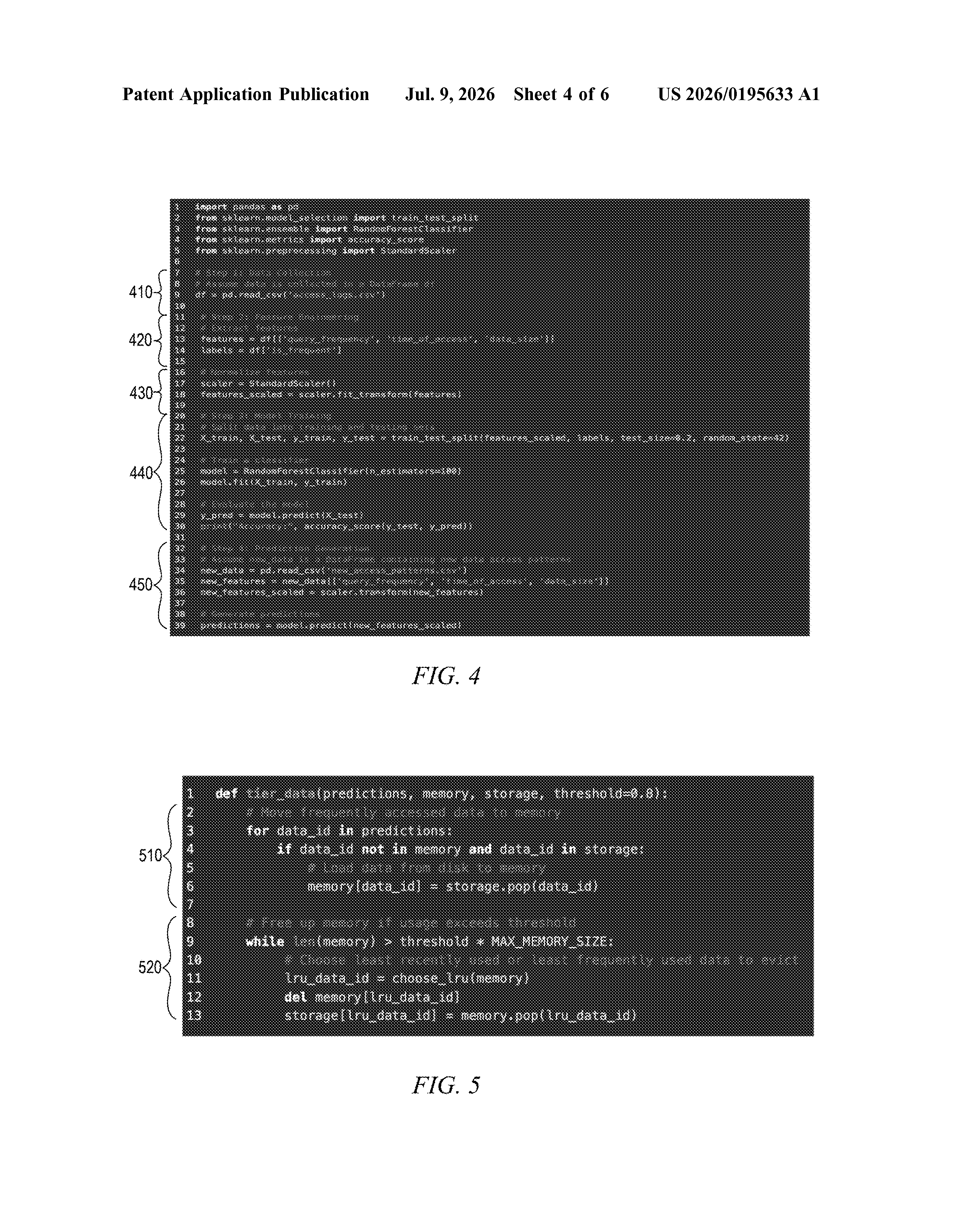
The patent describes a four-step pipeline designed to speed up in-memory distributed query processing (think: large databases that split work across many servers, keeping data in fast RAM rather than slow disks).
- Step 1, Learn from history: The system collects logs and metadata from past data accesses, extracting features (patterns like which datasets get queried together, how often, and at what times).
- Step 2, Train a model: Those features are used to train a machine learning model to predict future data access patterns. The model learns what data is likely to be needed based on context signals.
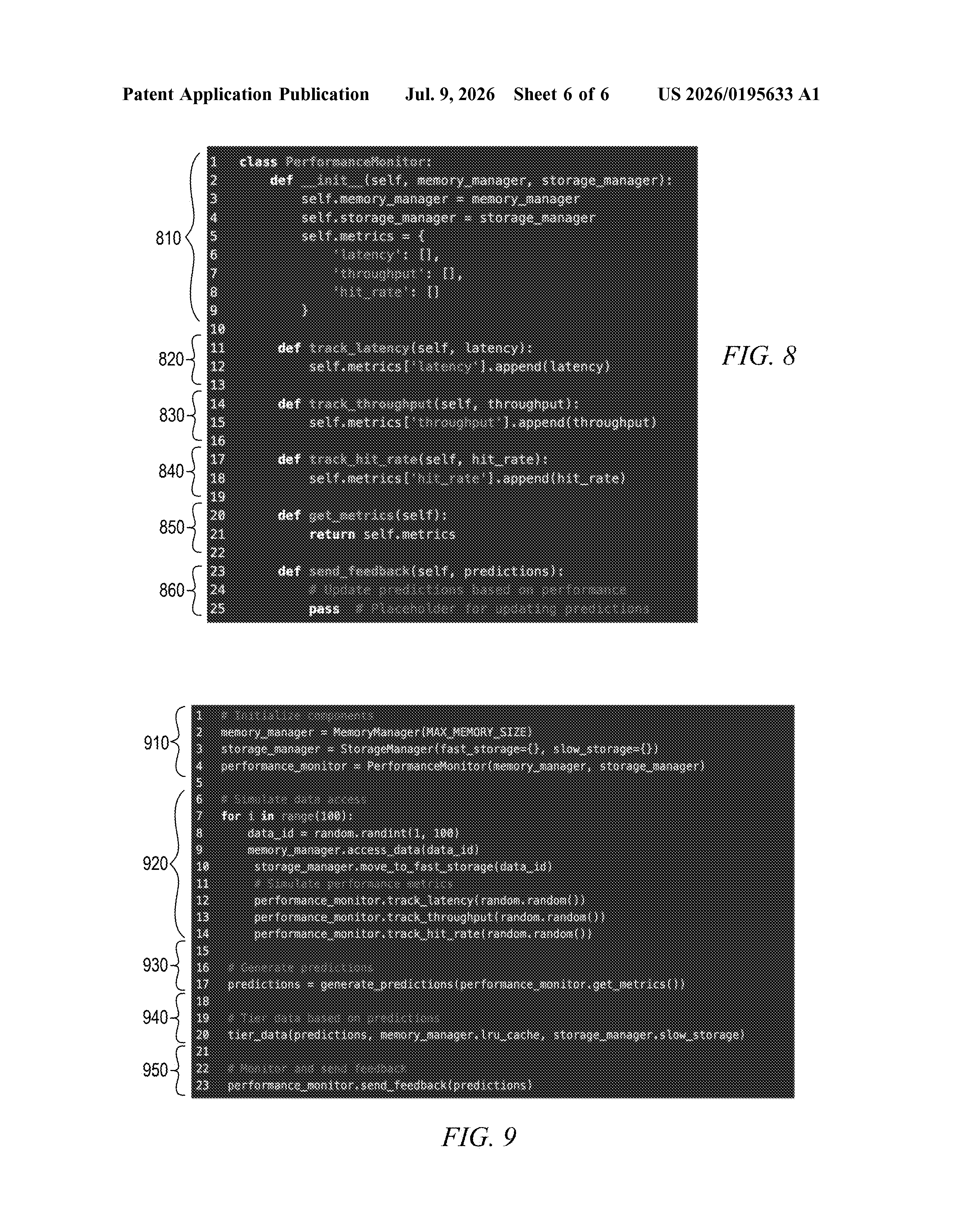
- Step 3, Predict at runtime: While the system is running live queries, it feeds current signals into the trained model, which outputs a prediction of which datasets are about to be requested.
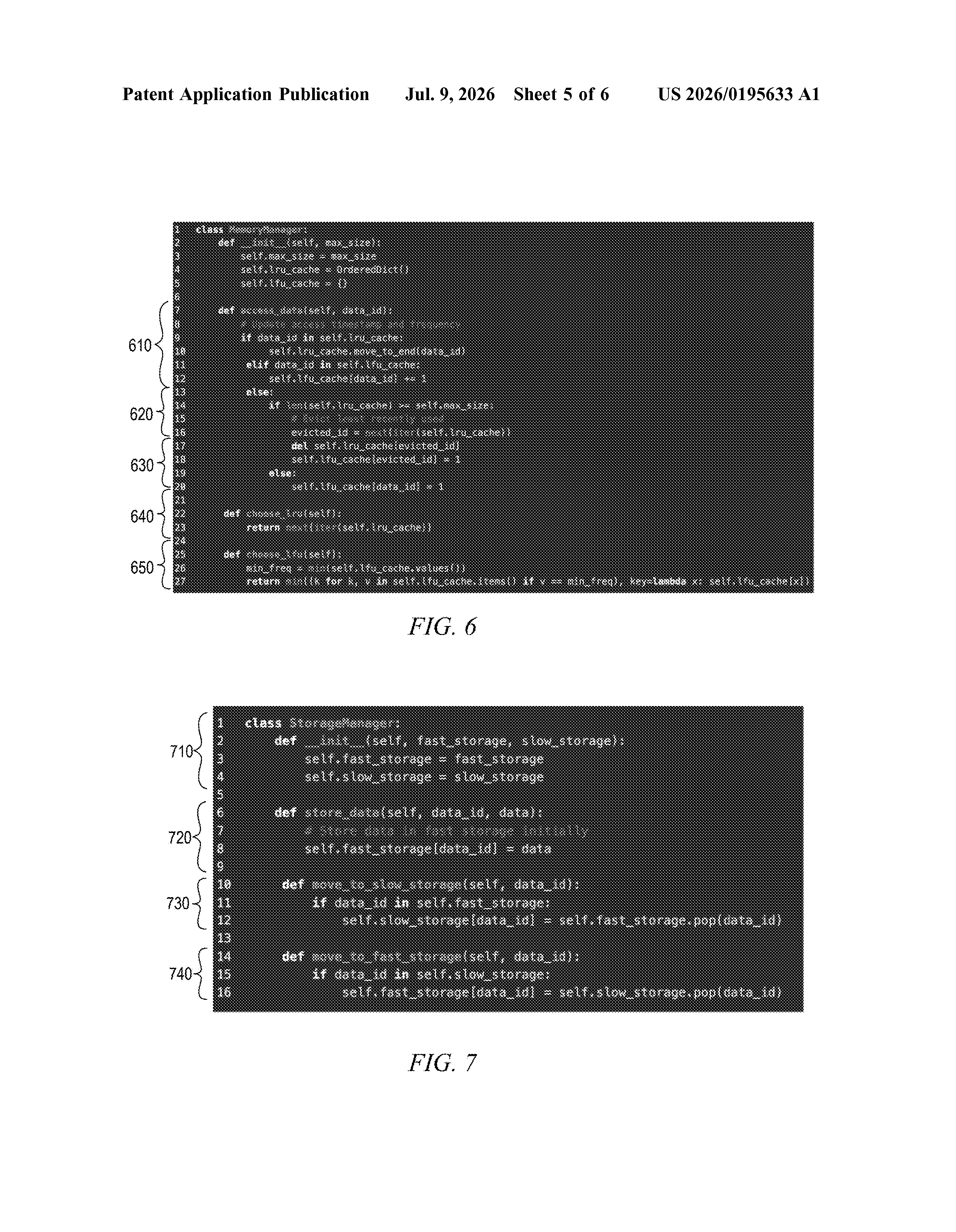
- Step 4, Pre-move data: Based on the prediction, the system physically moves those datasets from high-latency storage (slow hard drives or network storage) into memory (fast RAM), so they're ready instantly when the query arrives.
The core insight is that query workloads tend to have patterns. If the model can spot those patterns early enough, it can eliminate the slowdown that normally happens when a query has to wait for data to travel from disk to memory.
What this means for large-scale database performance
For large enterprises running analytics on massive datasets, the bottleneck is often not the computation itself but the time it takes to move data around. IBM's system targets that specific gap. If it works well in practice, queries that currently stall while waiting on slow storage would instead find their data already loaded and ready. That translates directly to faster reports, faster decisions, and lower infrastructure costs since you need fewer resources sitting idle waiting on I/O.
For you as an end user, this kind of improvement typically shows up invisibly: a business intelligence dashboard loads in two seconds instead of twenty, or a financial model finishes overnight instead of the next morning. IBM sells heavily into enterprise data infrastructure, so expect this to be aimed at products like IBM Db2 or IBM's broader cloud data services.
This is a solid infrastructure patent targeting a real and persistent pain point in enterprise database systems. The approach, training a model on access logs to pre-position data, is logical and well-scoped. It's not flashy, and IBM is not the only company thinking along these lines, but a working implementation in a product like Db2 could be genuinely useful to customers running heavy analytics workloads.
Get our take in your Top Stories
Liked this breakdown? Add Patentlyze as a preferred source on Google, and our plain-English take shows up more often in your Top Stories the next time IBM patent news breaks.
There are more where this came from
We read every patent application Big Tech publishes and send you the ones worth knowing. Plain English, free, every week.
The drawings
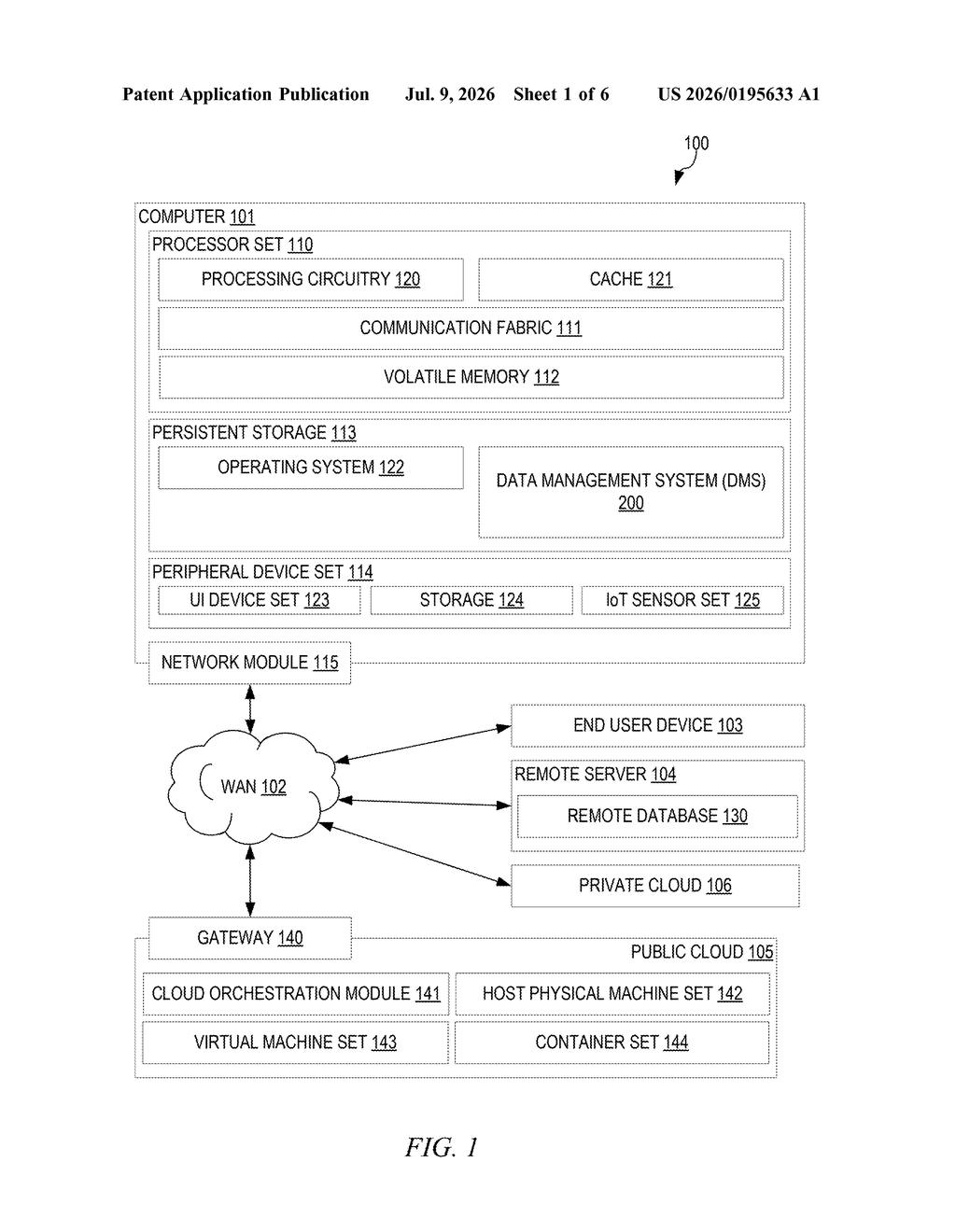
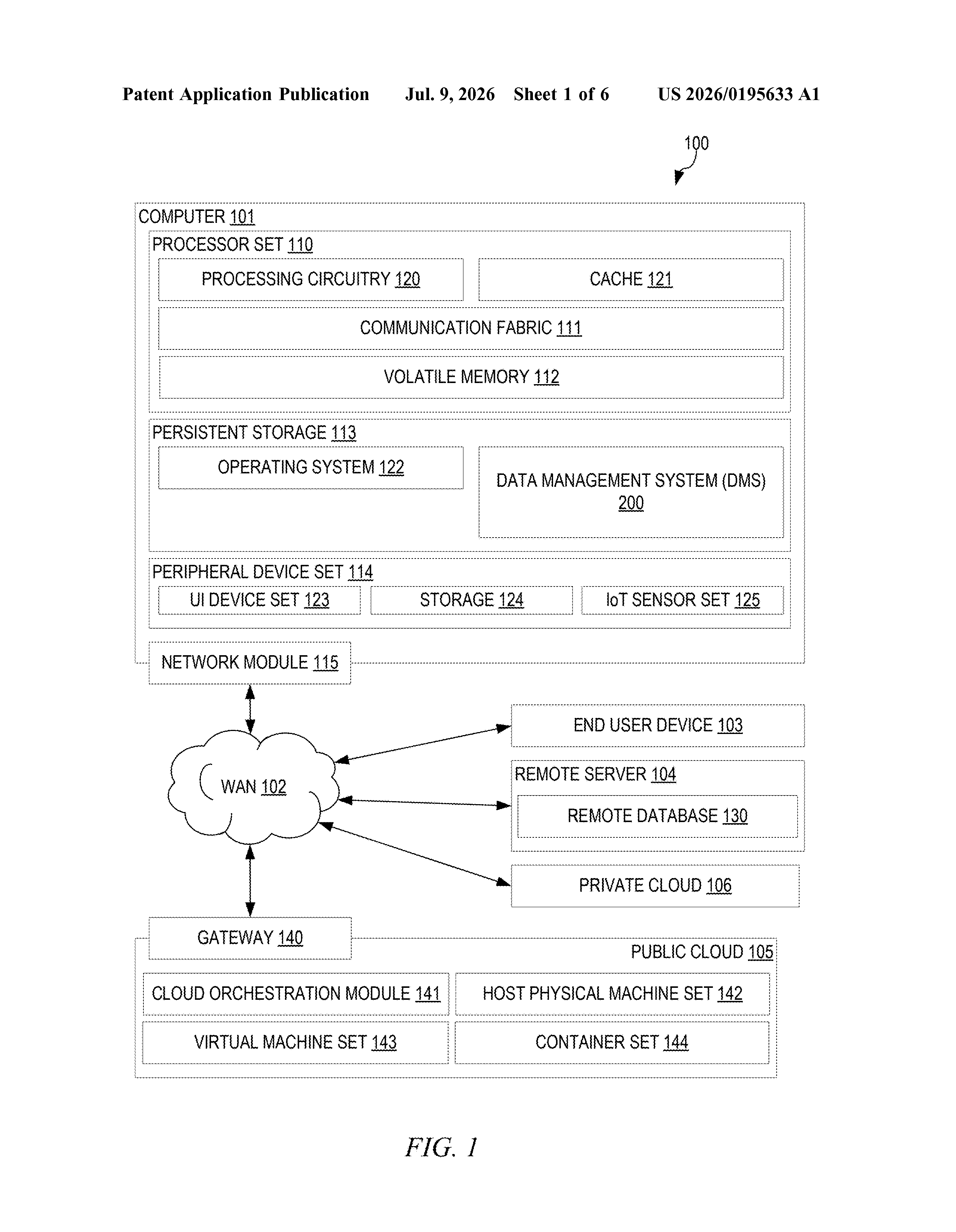
6 drawing sheets from US 2026/0195633 A1 · click any drawing to enlarge
Want this weekly breakdown for a company we don't cover? Patentlyze Pro →