
Samsung Patent Covers AI Translation Training Using Real and Synthetic Speech
Training an AI translator is hard when real recorded speech is scarce. Samsung's answer: fill the gaps with synthetic voices and teach the model to treat them as nearly identical to the real thing.
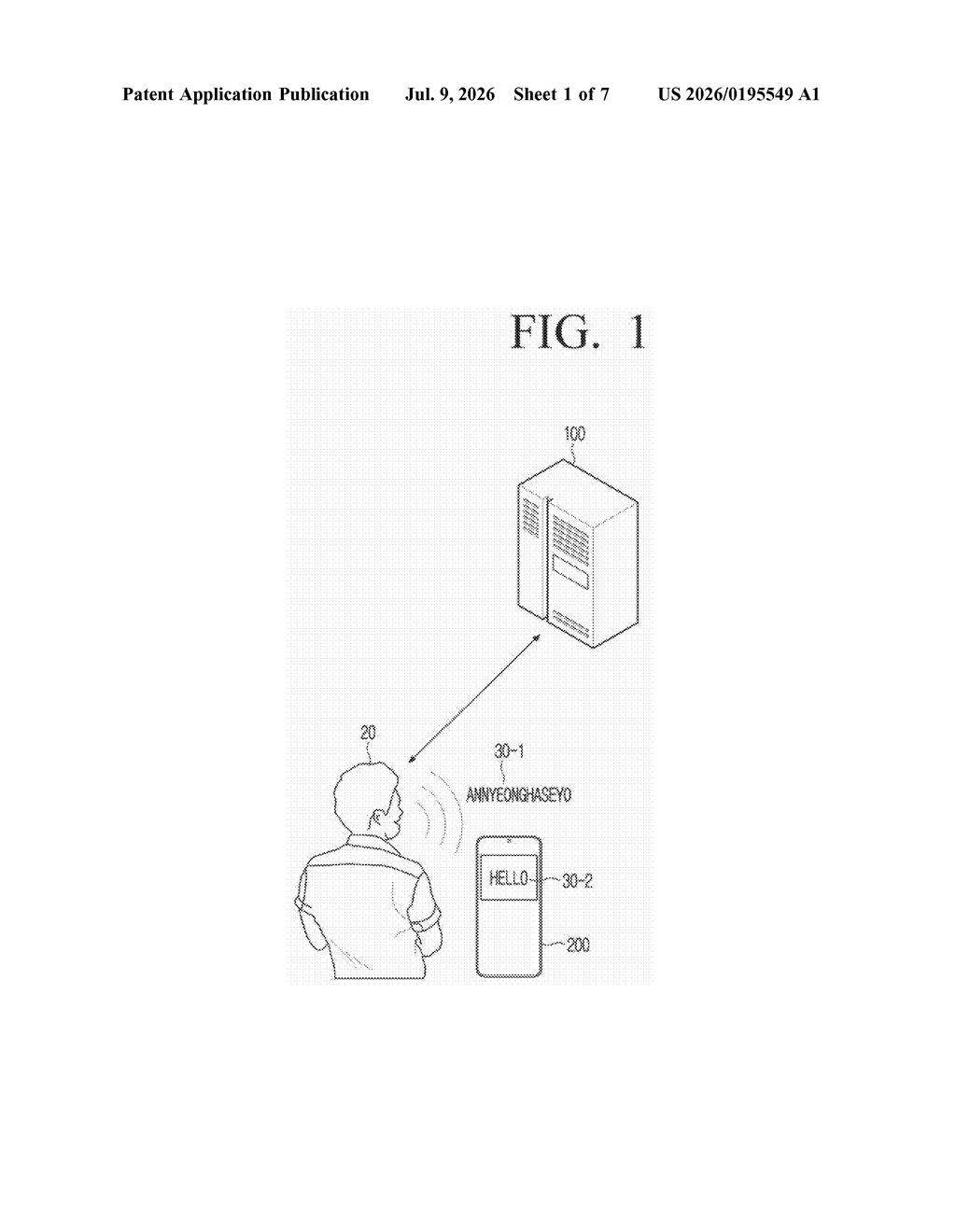
How Samsung's translation model learns from two kinds of audio
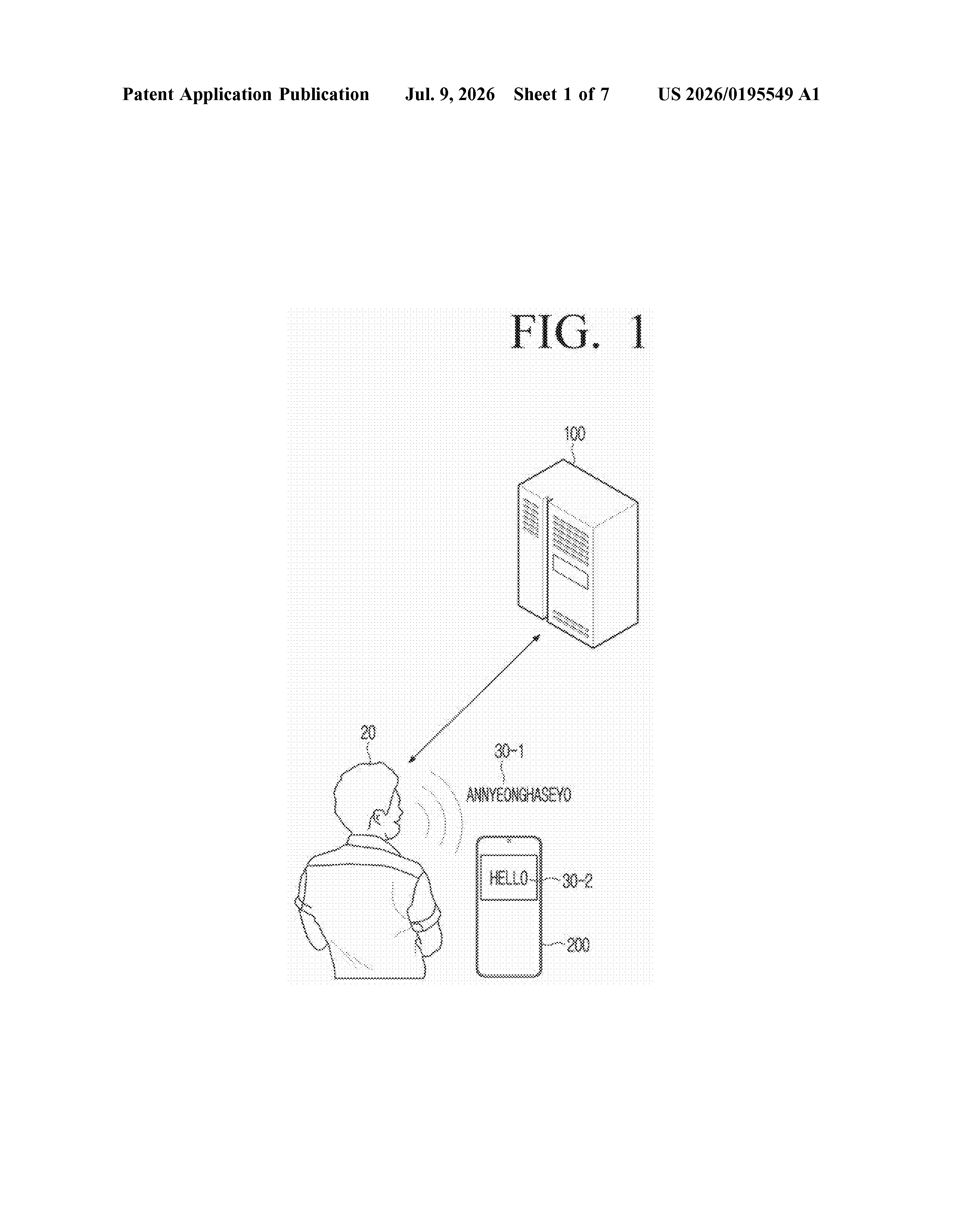
Imagine you're building a translation app, and you need thousands of hours of someone speaking French to teach it. Real recordings are expensive and slow to collect. Samsung's idea is to generate artificial speech from text and use both the real recordings and the computer-generated versions together during training.
The trick is making the AI ignore the difference between the two. The patent describes a system that measures how far apart a real voice and a synthetic voice sound to the model, then nudges them closer together until the gap is small enough that the model can learn from both interchangeably.
The end result is a translation model that gets more training data than it otherwise could, without needing to record more real humans. For you as a user, that could mean a translation feature that handles more languages or accents without Samsung having to run massive recording sessions.
How the VQ codebook bridges real and synthetic speech features
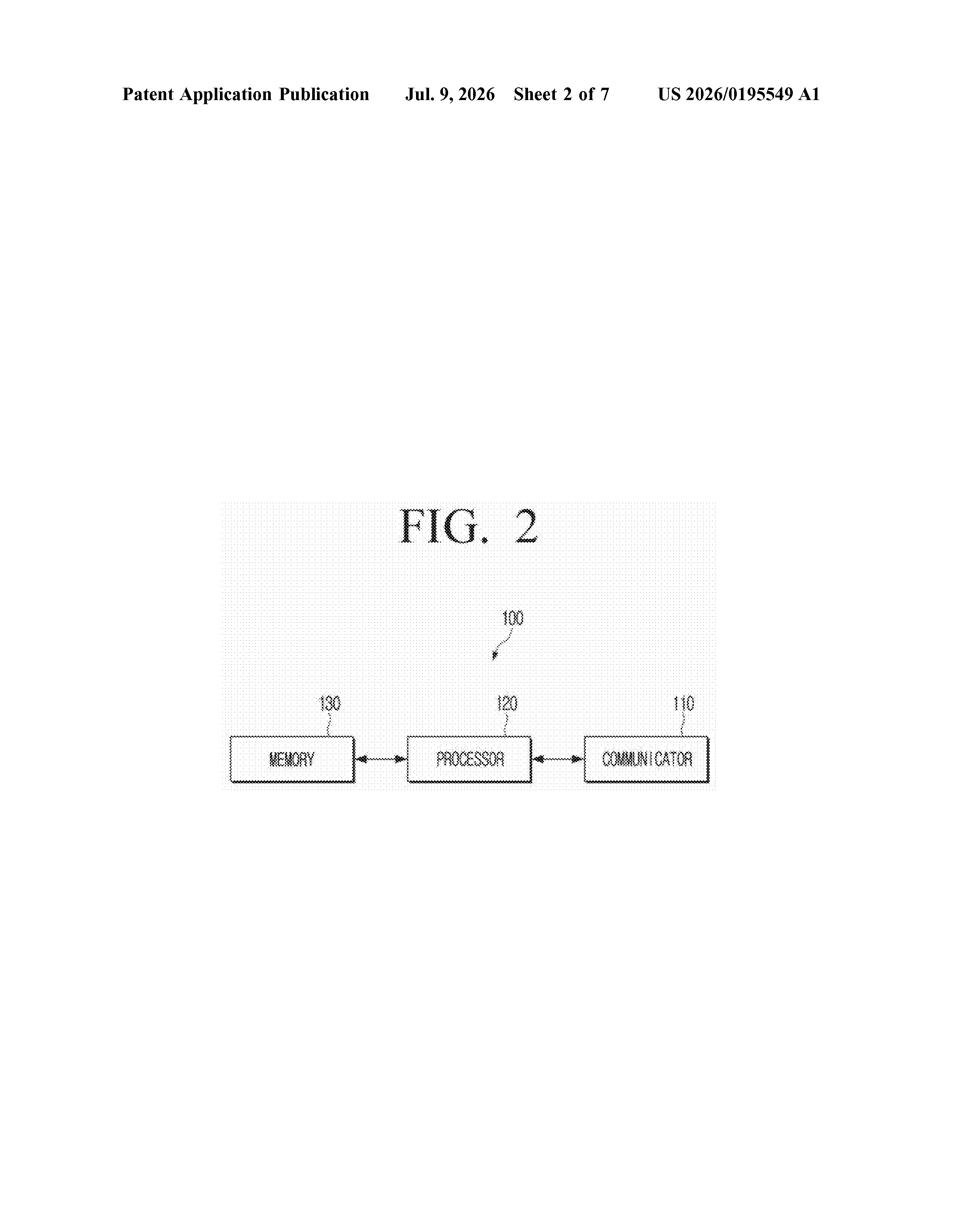
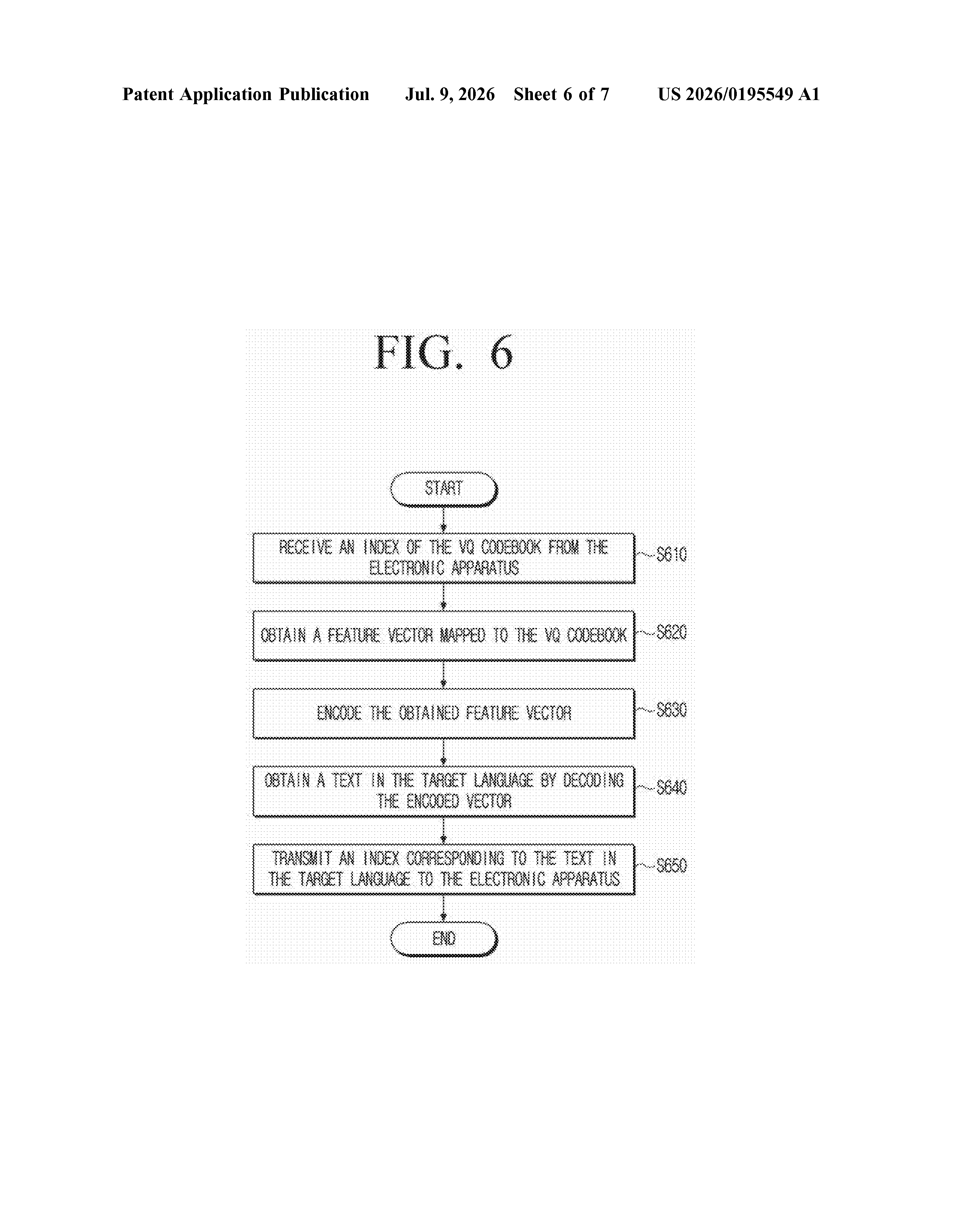
The patent describes a server-side training pipeline for a speech translation model, meaning the heavy lifting happens in Samsung's cloud before any software ships to a phone.
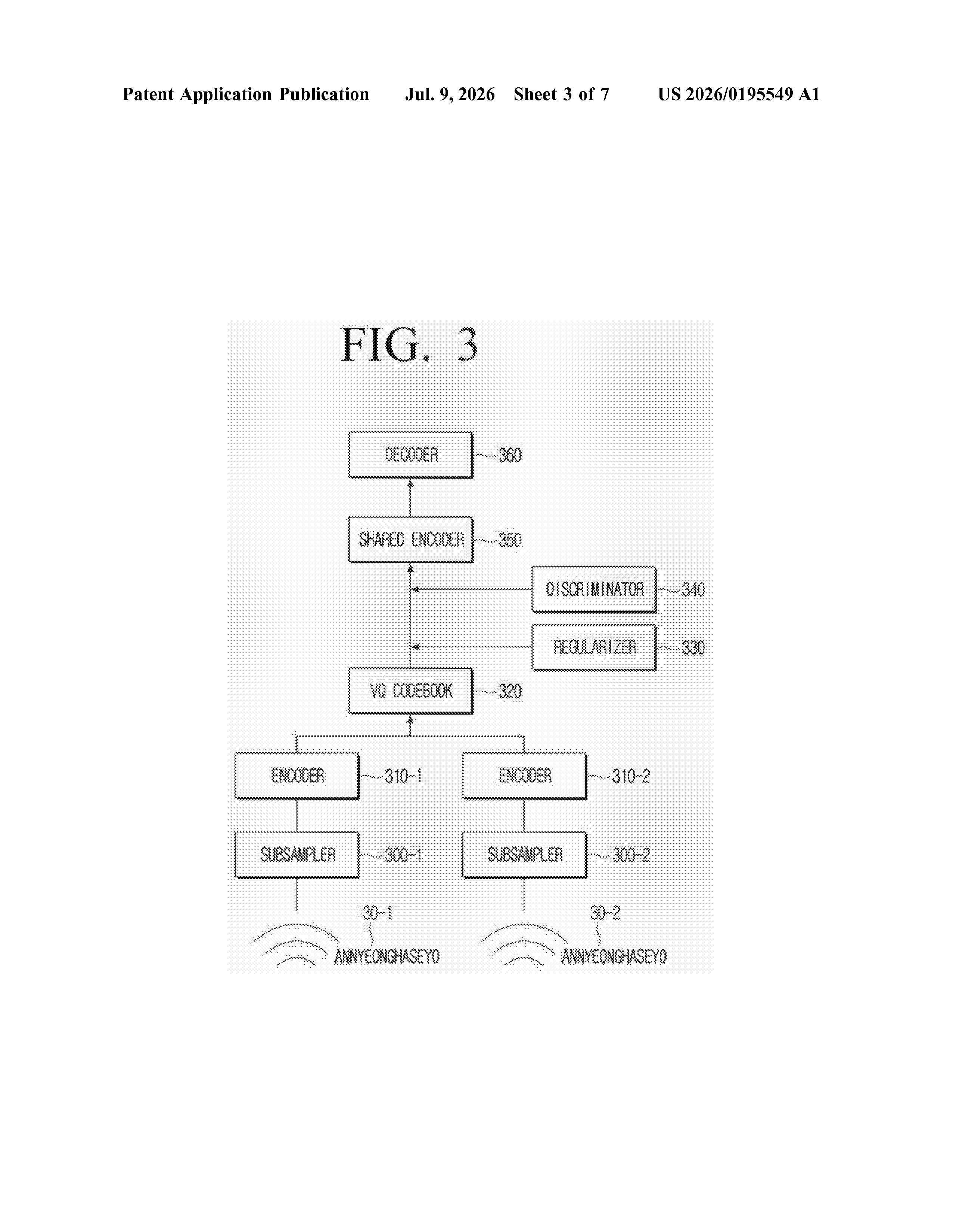
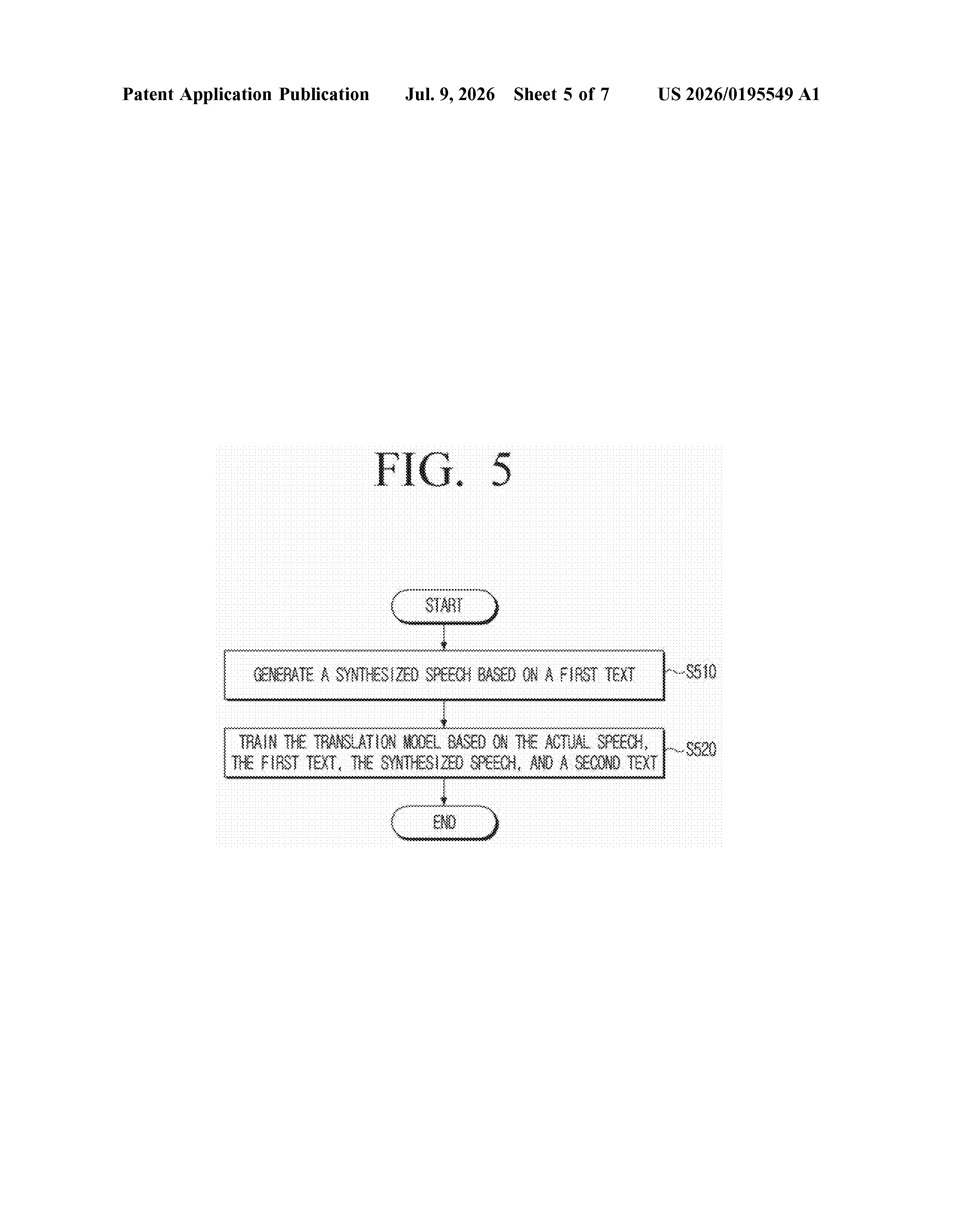
The core mechanism is a component called a Vector Quantization (VQ) codebook. Think of a codebook as a dictionary of audio fingerprints: it stores compact numeric descriptions of how different speech sounds. The server takes real human speech and generates a matching synthetic version using text-to-speech software, then compares the two sets of fingerprints.
If the fingerprints for the real and synthetic versions are too different, the model adjusts them until the difference falls below a set threshold. Then it updates the codebook to reflect those adjusted fingerprints. The result:
- Real recorded speech and computer-generated speech end up in the same "neighborhood" inside the model.
- The translation model can learn from both without treating them as fundamentally different inputs.
- The codebook keeps improving with each training round, tightening the gap between human and synthetic audio.
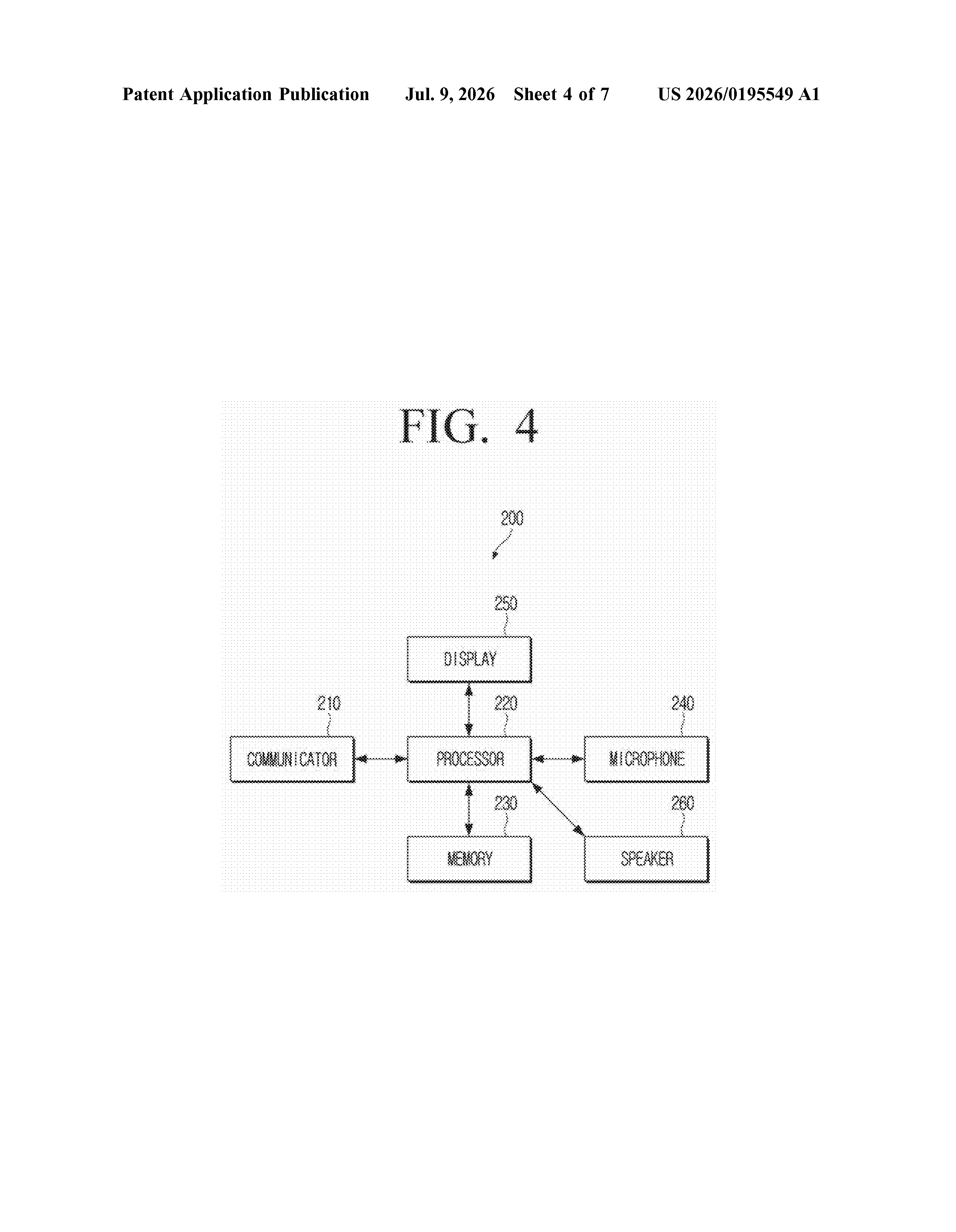
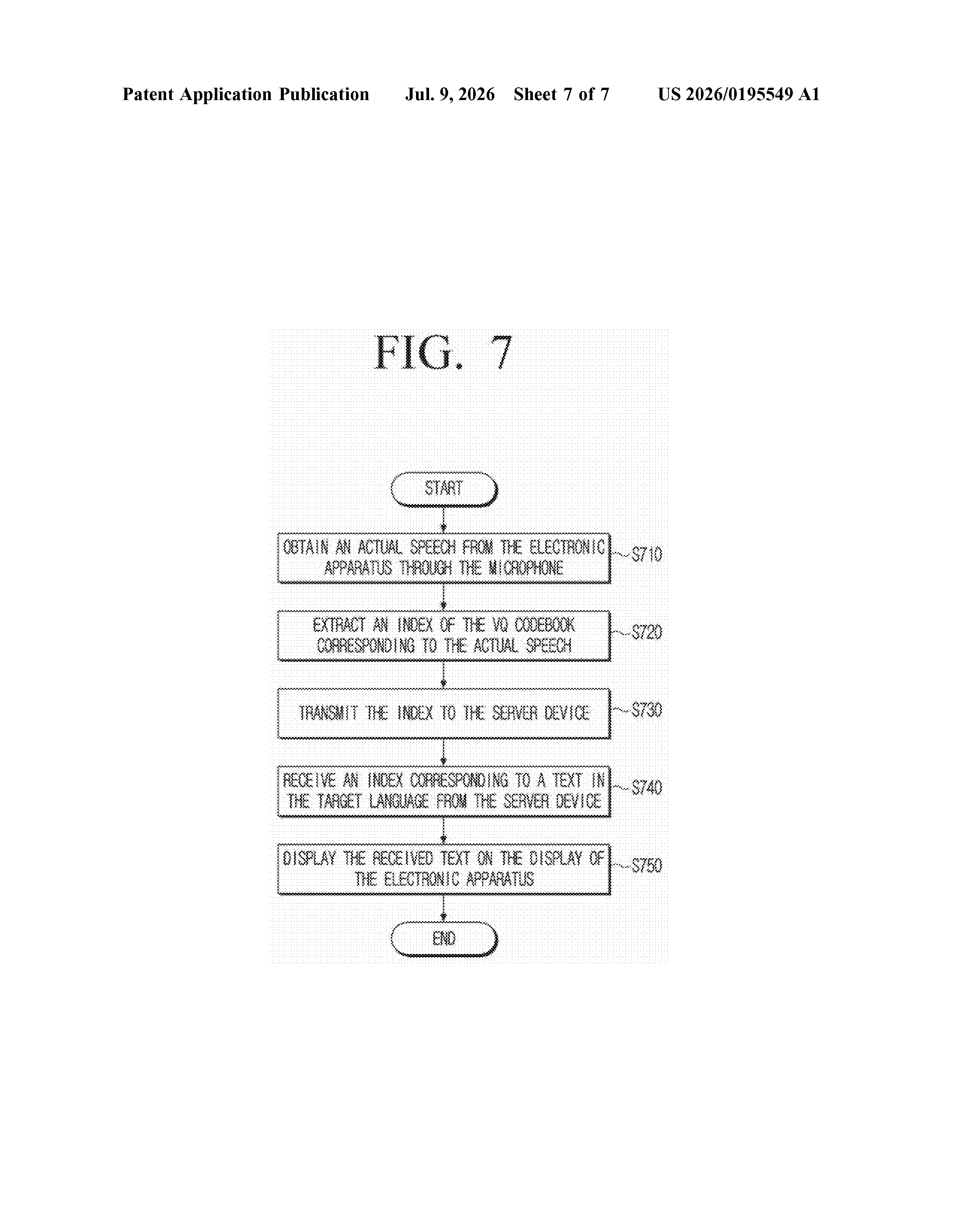
The trained model then ships to an electronic device (a phone, tablet, or similar product) that uses it for actual translation tasks.
What this means for real-time translation on Samsung devices
Real speech data is one of the biggest bottlenecks in building accurate translation tools. Collecting it requires consenting speakers, recording sessions, and significant cost for every language you want to support. By teaching a model to treat synthetic speech as a credible stand-in for the real thing, Samsung could extend translation coverage to languages and dialects where recorded data is thin, without proportionally increasing data-collection costs.
For Samsung Galaxy devices, which already include real-time translation features across calls and in-person conversations, this could mean better performance on less common languages. It also signals that Samsung is investing in the server infrastructure needed to continuously retrain these models as synthetic speech generation itself improves.
This is genuinely practical research rather than a flashy headline grab. The problem it solves, too little real speech data to train good translators, is a real and persistent one. Whether the gap-closing approach described here turns out to be meaningfully better than existing data-augmentation techniques is the actual question, and that's not something a patent filing can answer.
Get our take in your Top Stories
Liked this breakdown? Add Patentlyze as a preferred source on Google, and our plain-English take shows up more often in your Top Stories the next time Samsung patent news breaks.
There are more where this came from
We read every patent application Big Tech publishes and send you the ones worth knowing. Plain English, free, every week.
The drawings
7 drawing sheets from US 2026/0195549 A1 · click any drawing to enlarge
Want this weekly breakdown for a company we don't cover? Patentlyze Pro →