
Samsung Patents a Method to Fix Corrupt Data Faster in 5G and 6G Networks
Every wireless signal you send gets wrapped in a layer of math that lets the receiver fix errors on the fly. Samsung is filing patents to refine exactly how that math is structured for the next generation of cellular networks.
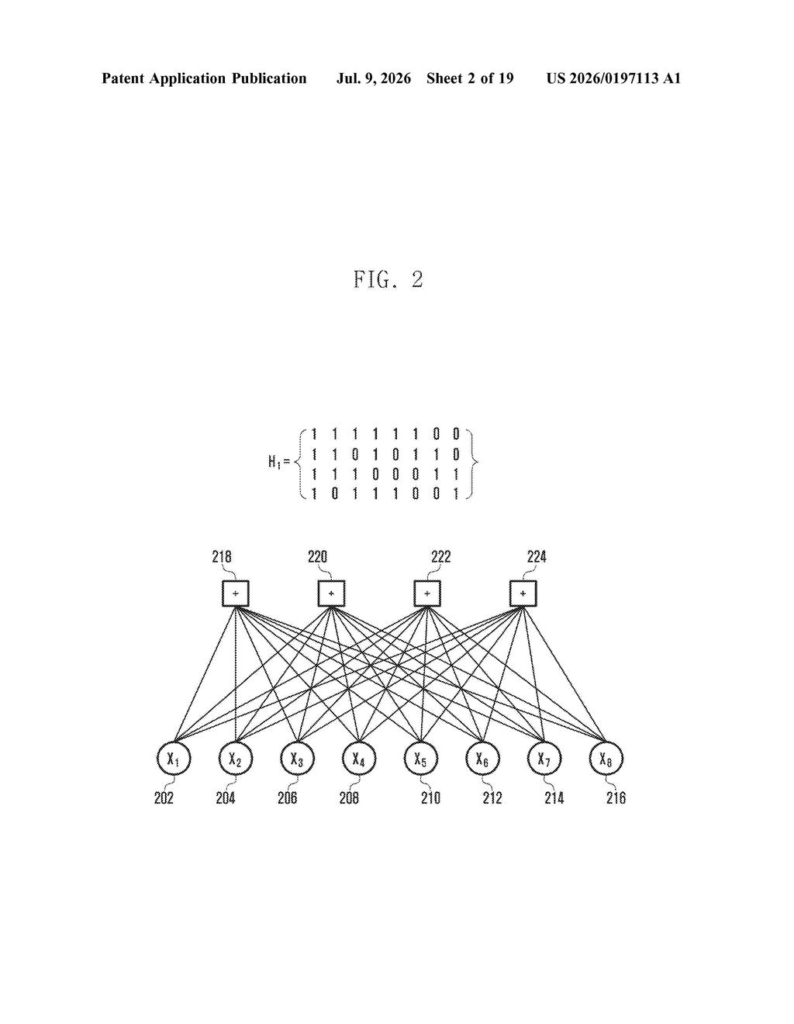
What Samsung's new encoding method actually does
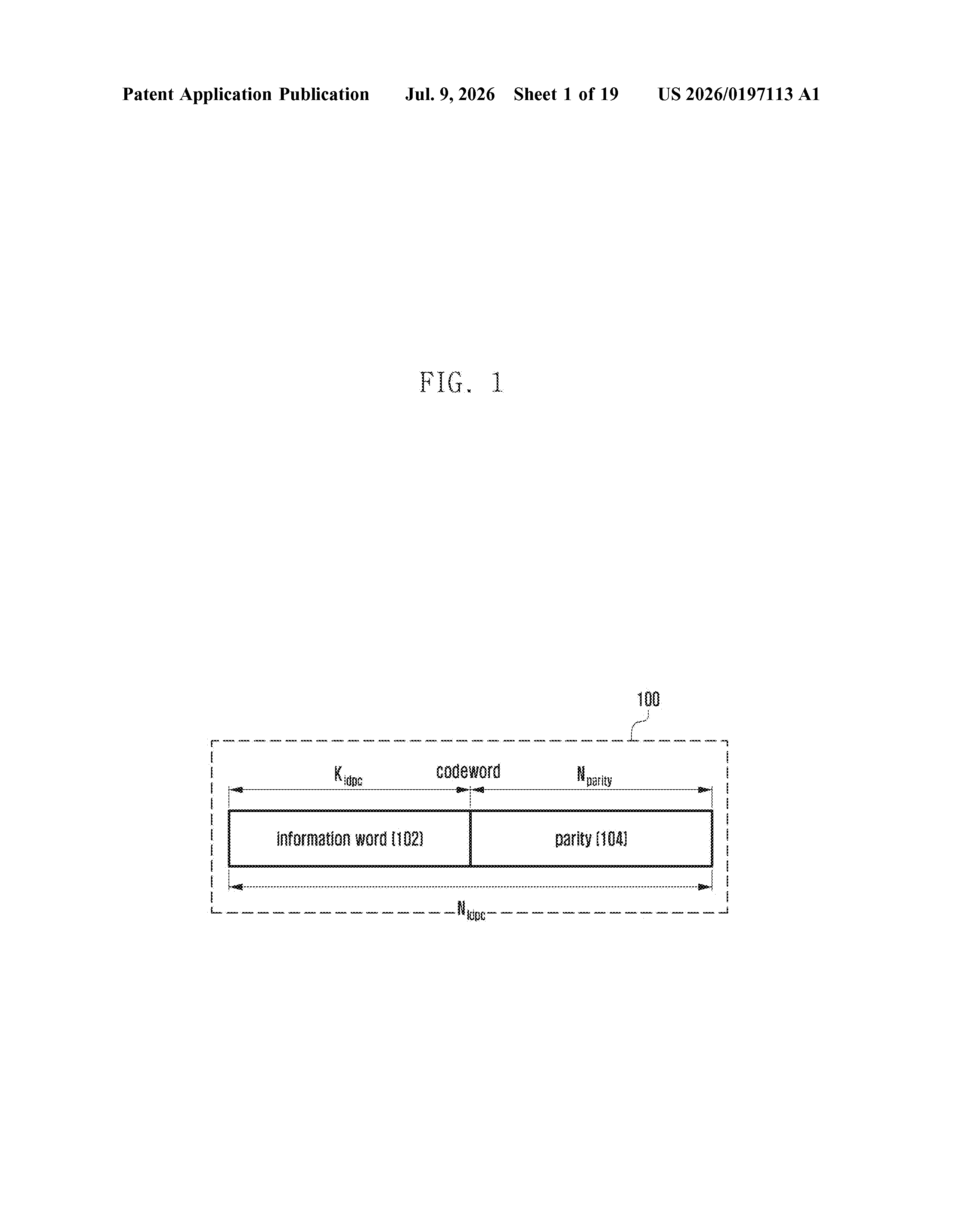
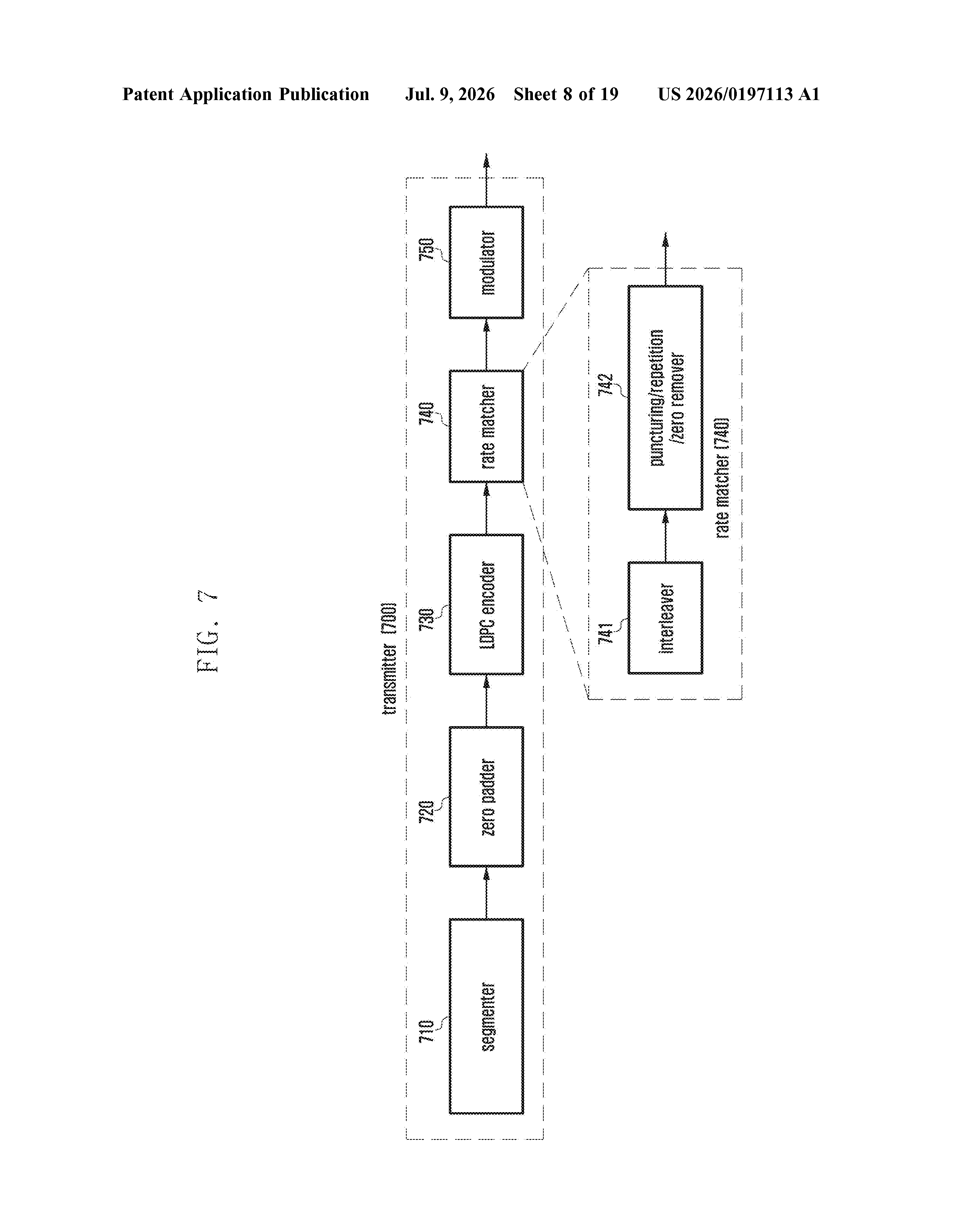
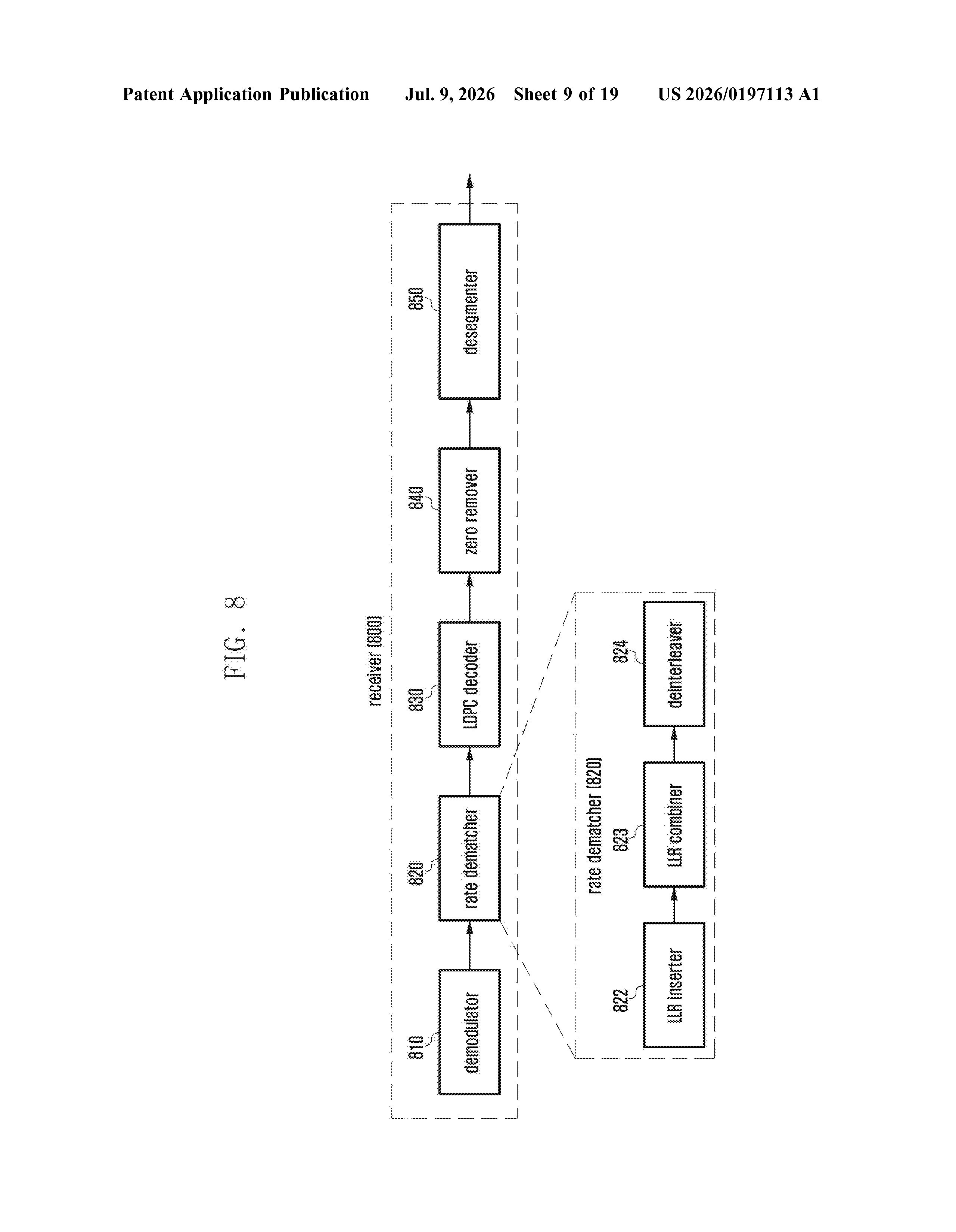
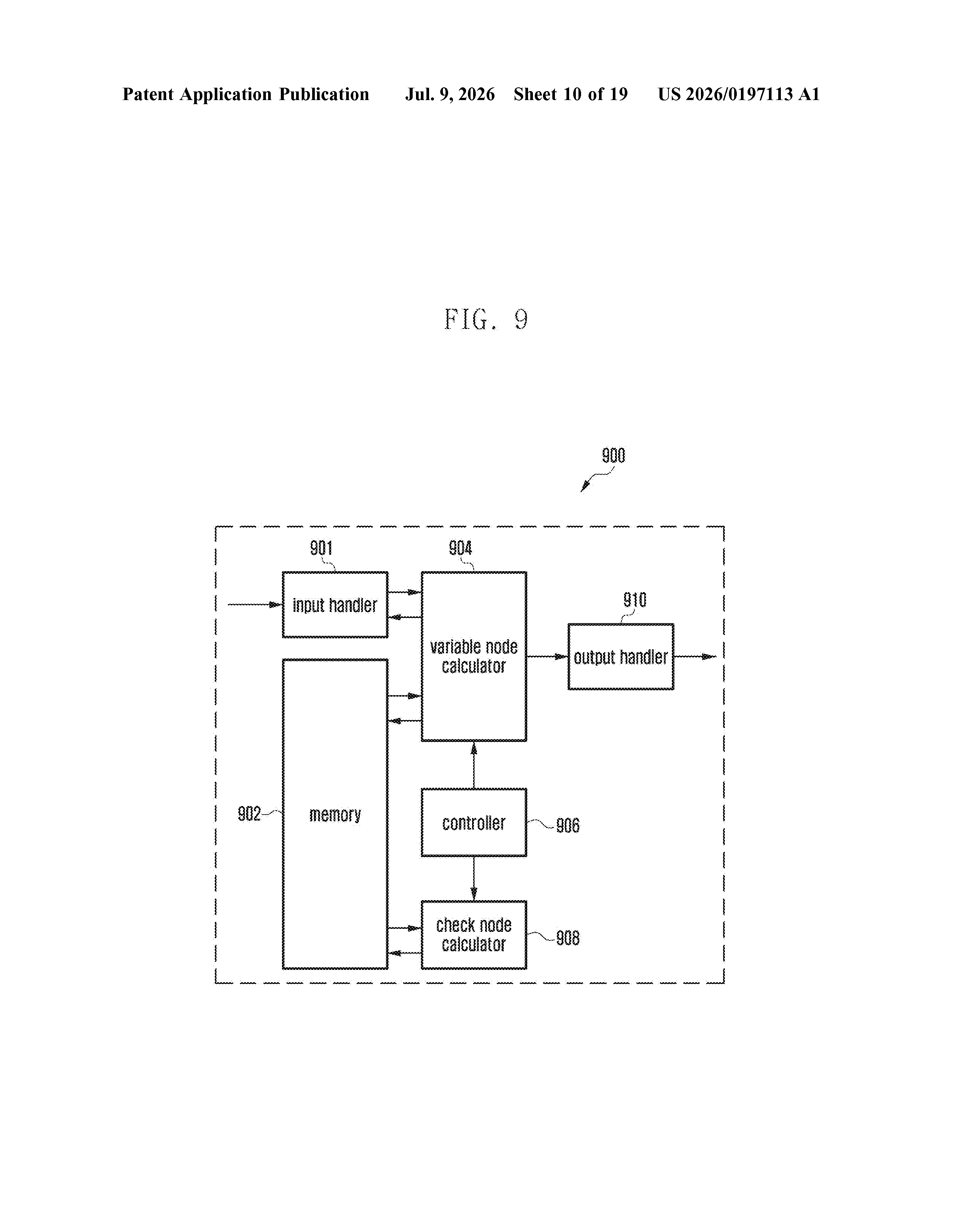
When your phone sends data over a 5G network, the signal doesn't arrive perfectly clean. Noise, interference, and distance all introduce errors. To fix this, transmitters add extra "check" bits alongside the real data so the receiver can detect and correct mistakes automatically, without asking for a resend.
Samsung's patent describes a specific method for building those check bits. The key idea is a carefully designed mathematical structure that decides how the check bits relate to your actual data. The rules governing that structure are set up so the patterns are as spread out and non-overlapping as possible, which makes error correction more reliable.
This is the kind of low-level engineering work that happens invisibly inside every base station and modem chip. You'd never see it directly, but it's the difference between a video call that holds together at the edge of coverage and one that drops out.
How the parity check matrix and circulant structure work
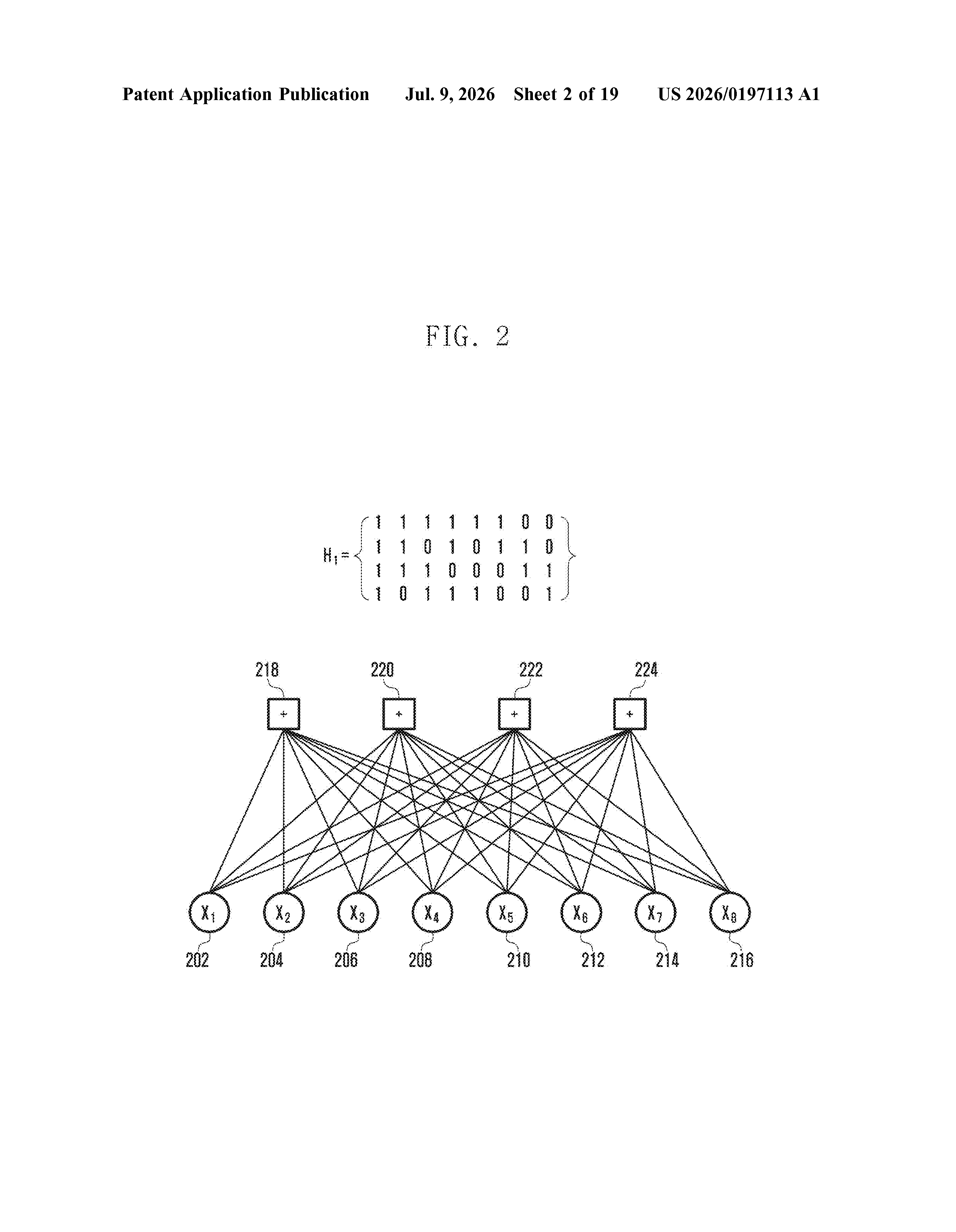
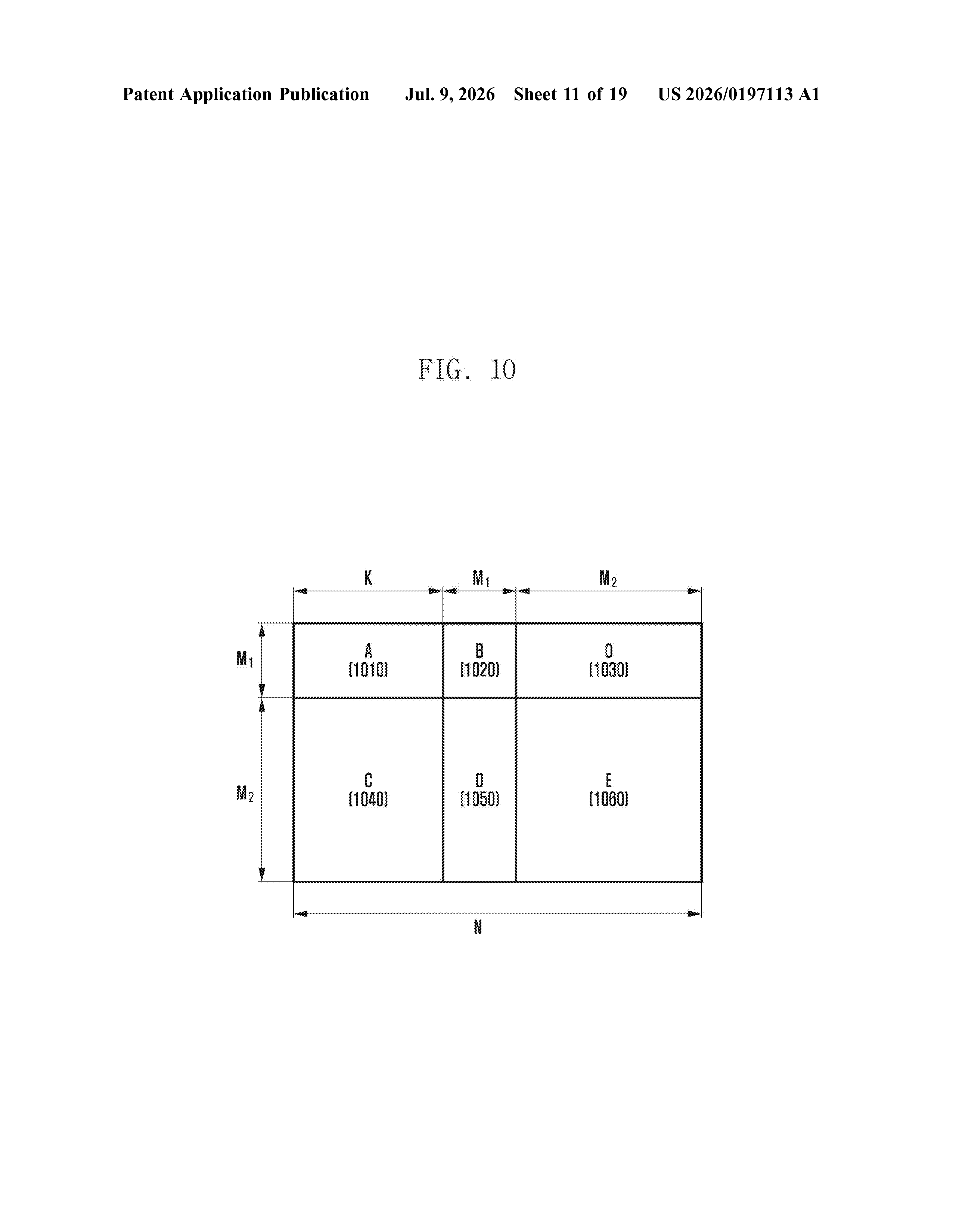
The patent describes an LDPC (Low-Density Parity-Check) encoding method, a well-established family of error-correction codes already used in 5G (NR) standards. The novelty here is in how Samsung proposes to construct the underlying matrix that defines the code.
The process works in steps:
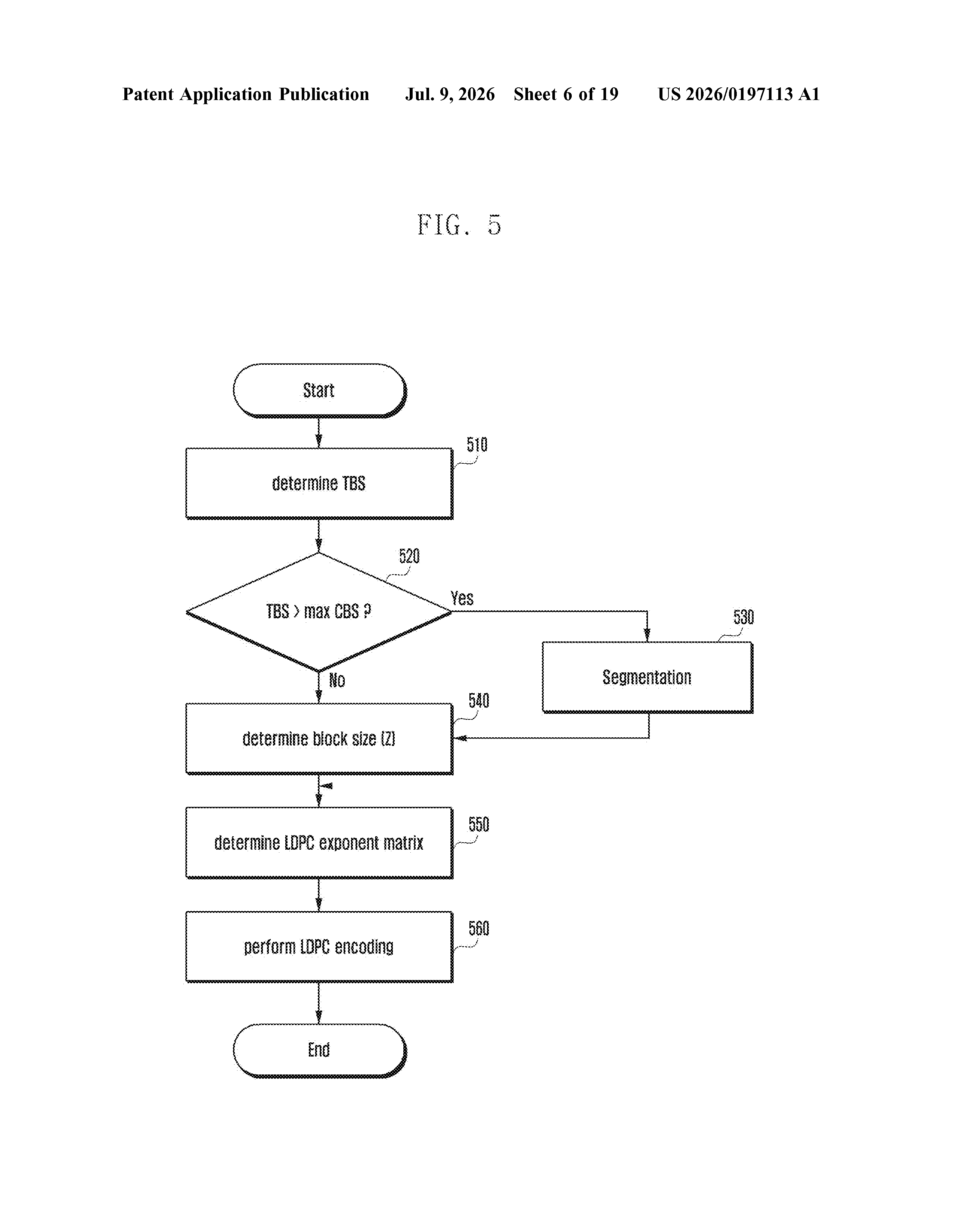
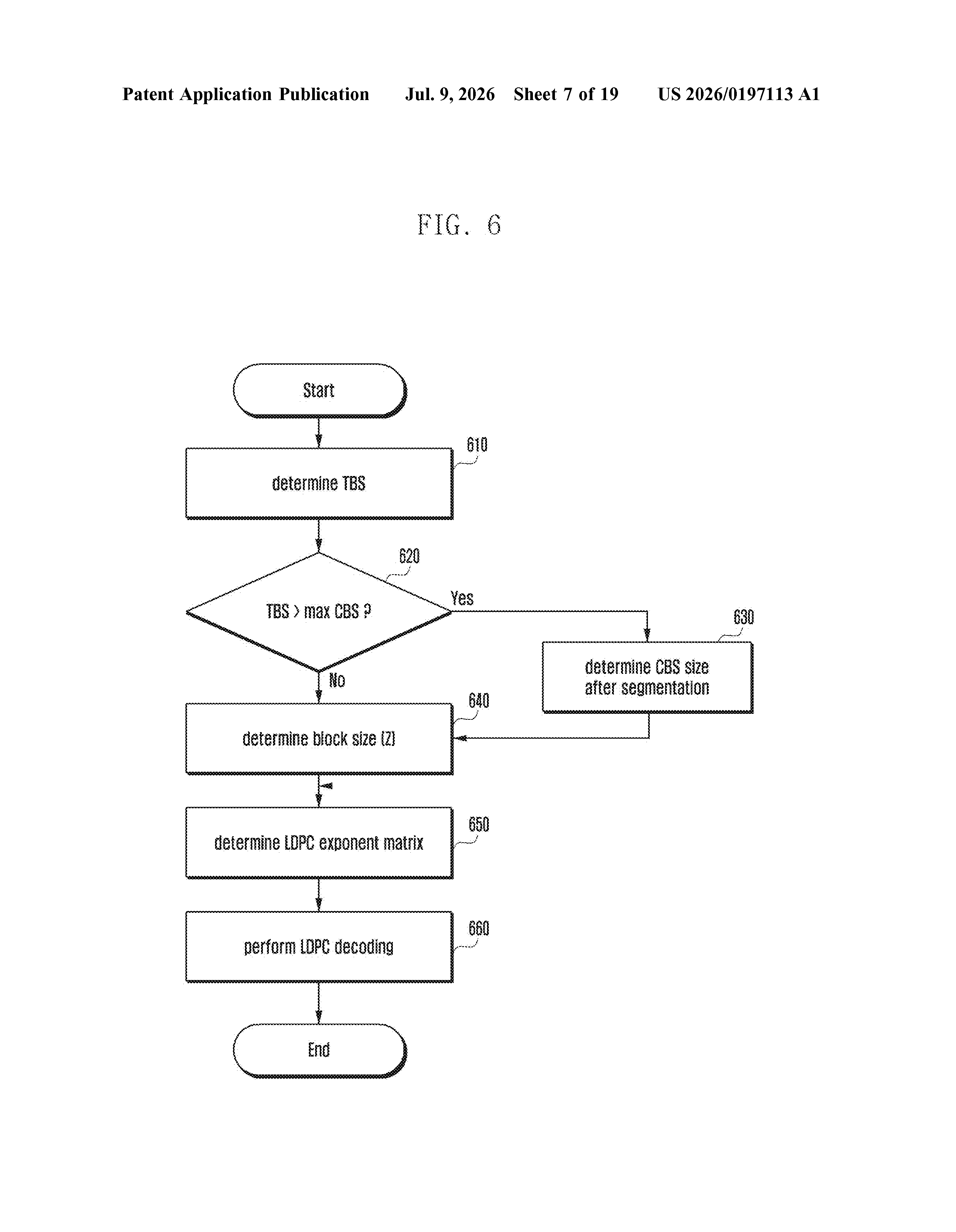
- The transmitter counts the number of input bits and selects a base matrix matched to that size.
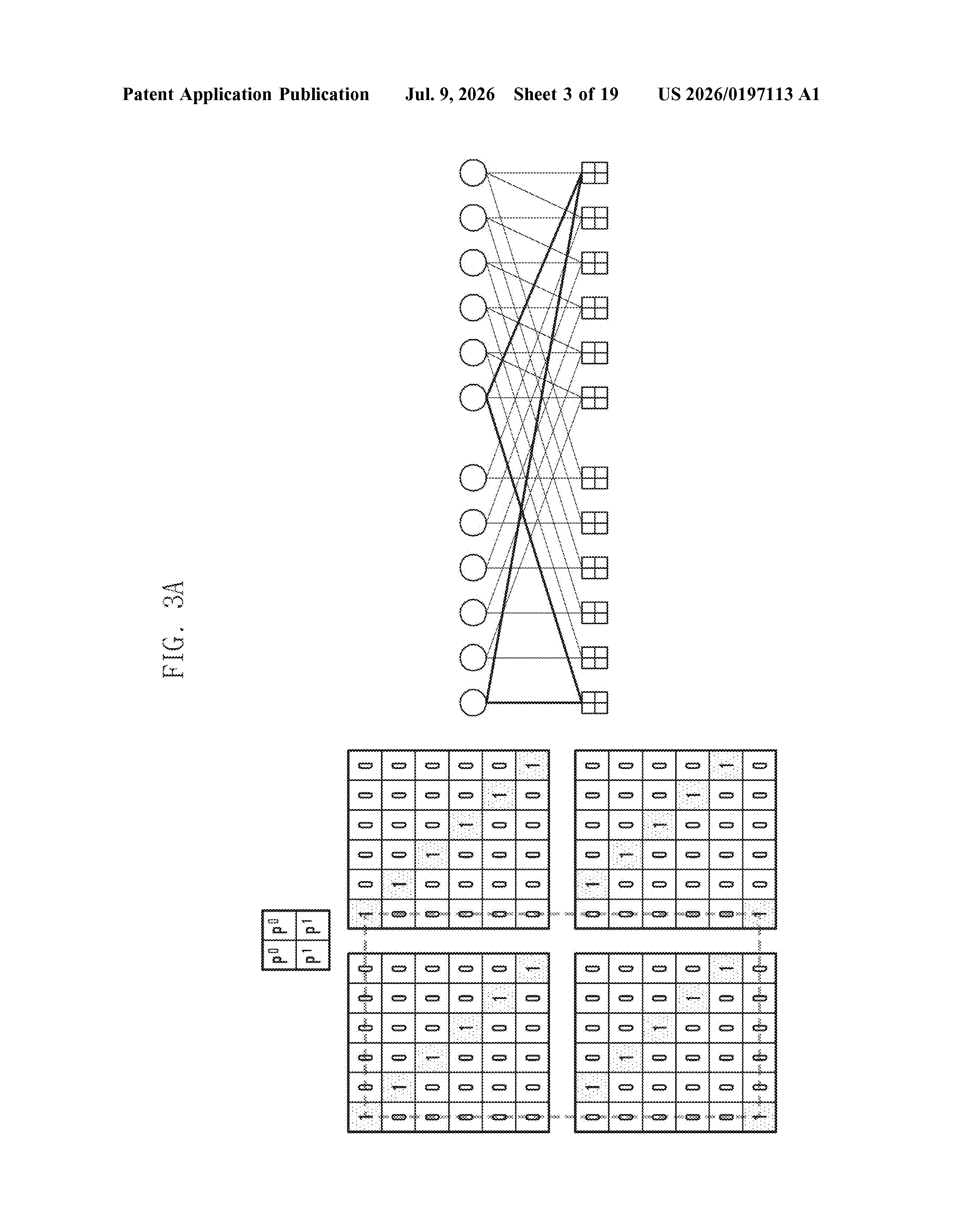
- It then picks a lifting size (Z), a scaling factor that stretches the base matrix into a full-size parity check matrix.
- Encoding is performed using that parity check matrix, adding structured redundancy to the original data.
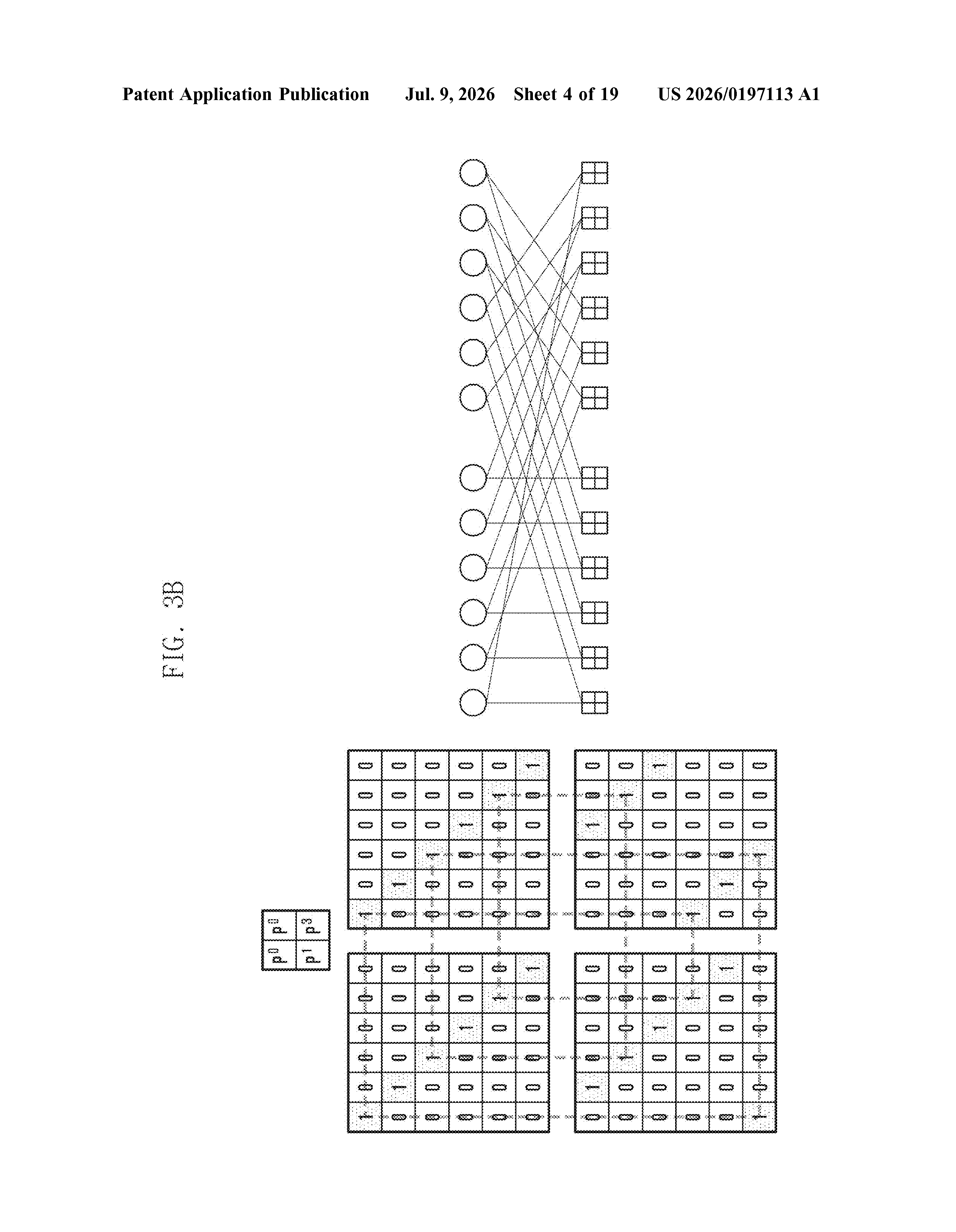
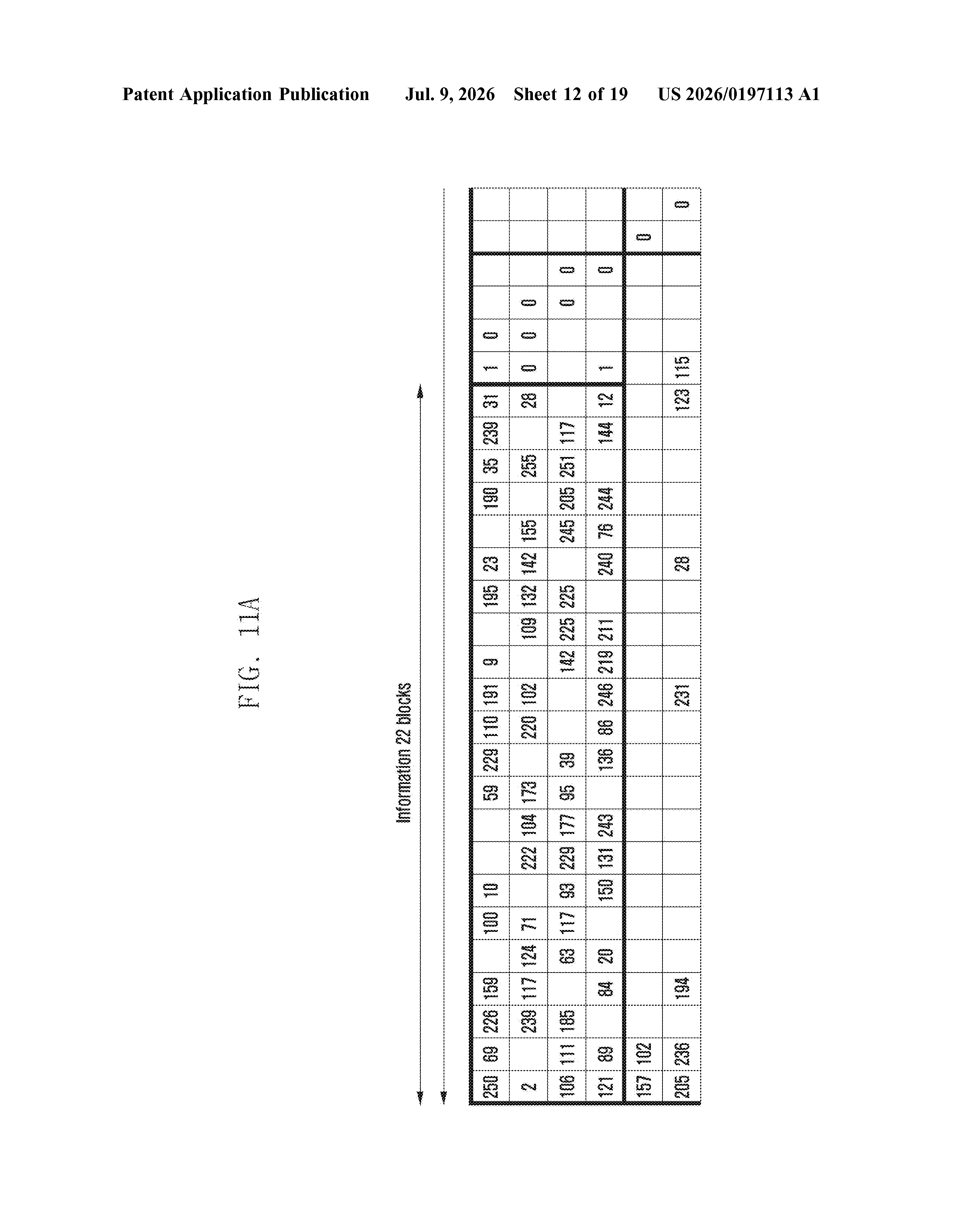
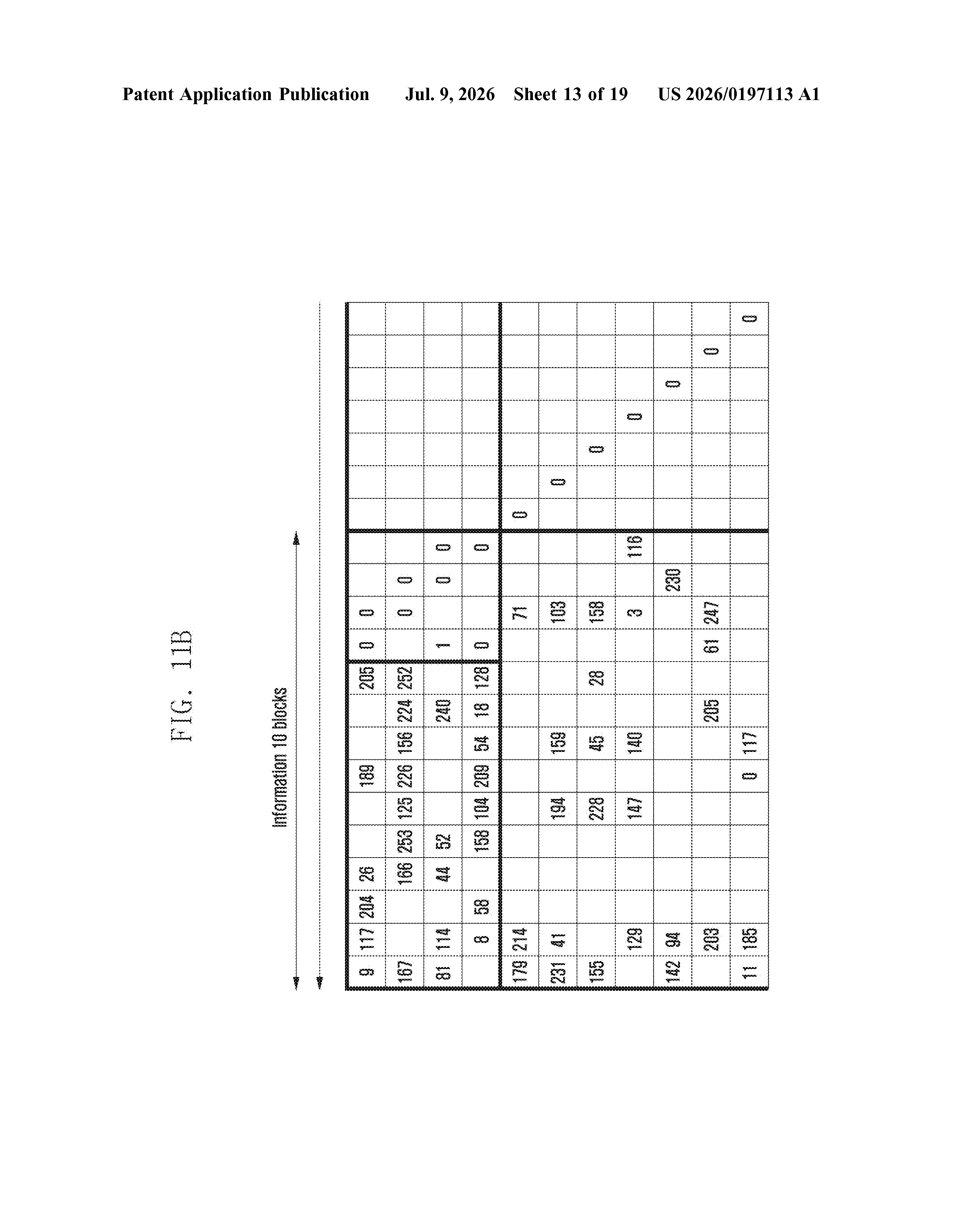
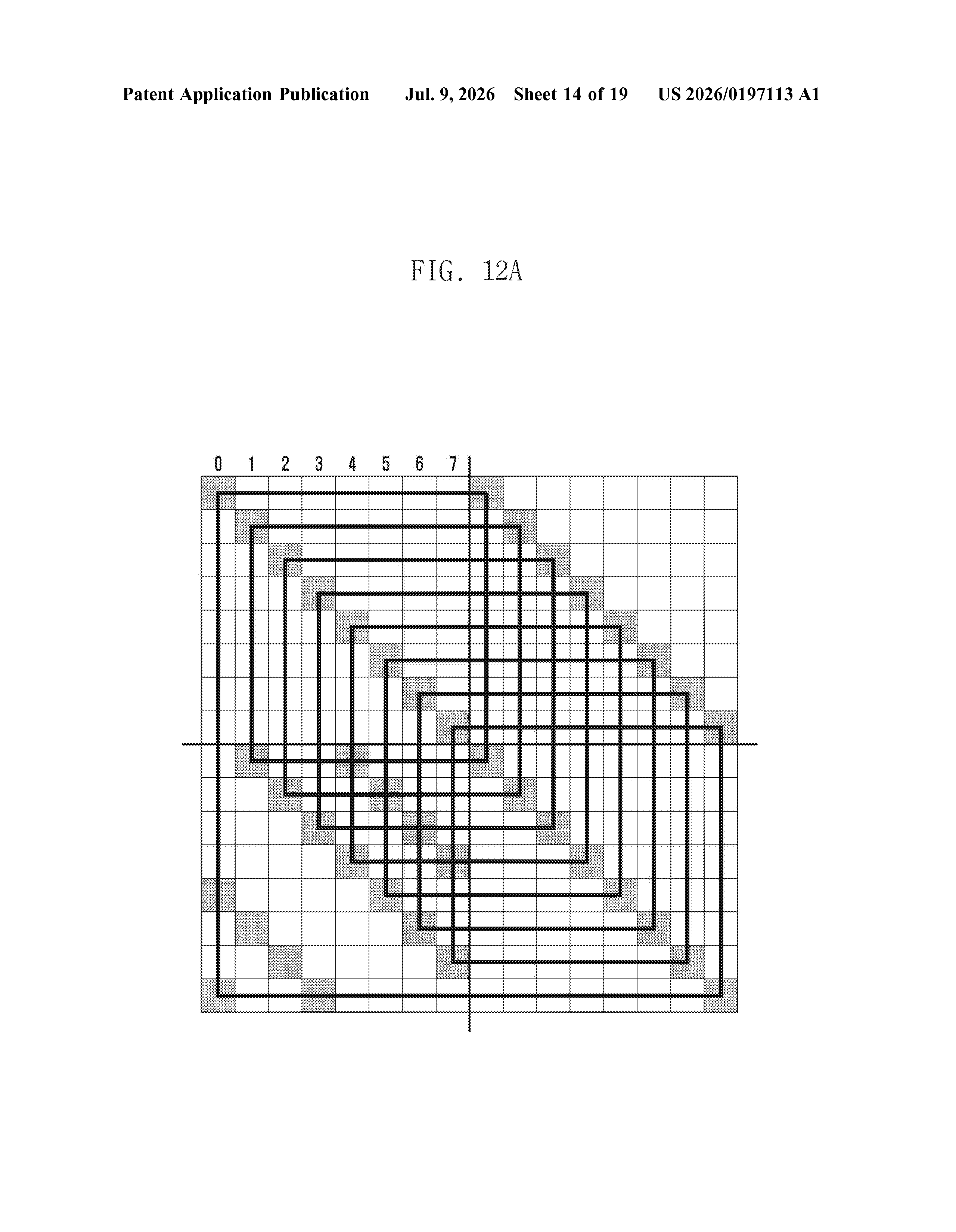
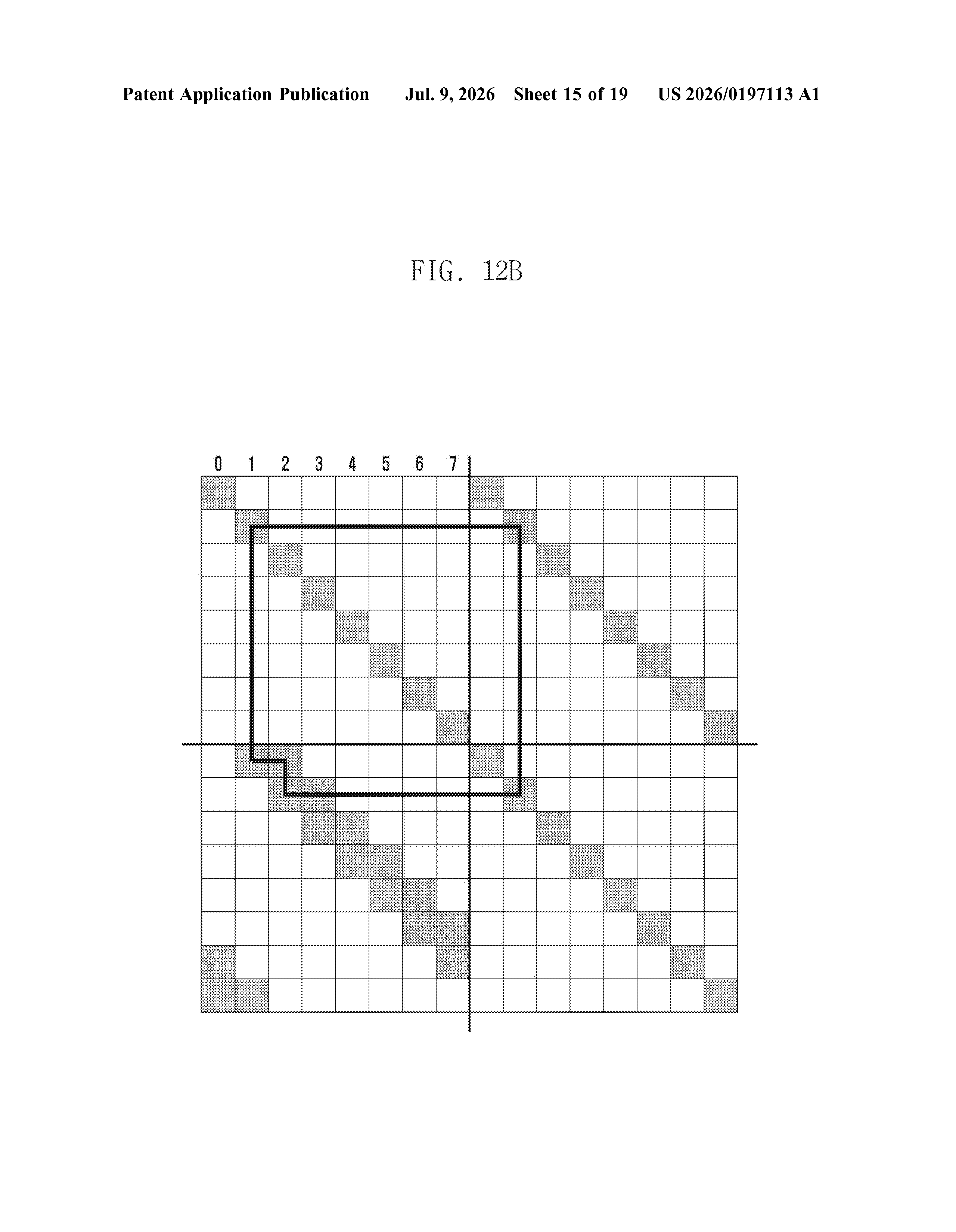
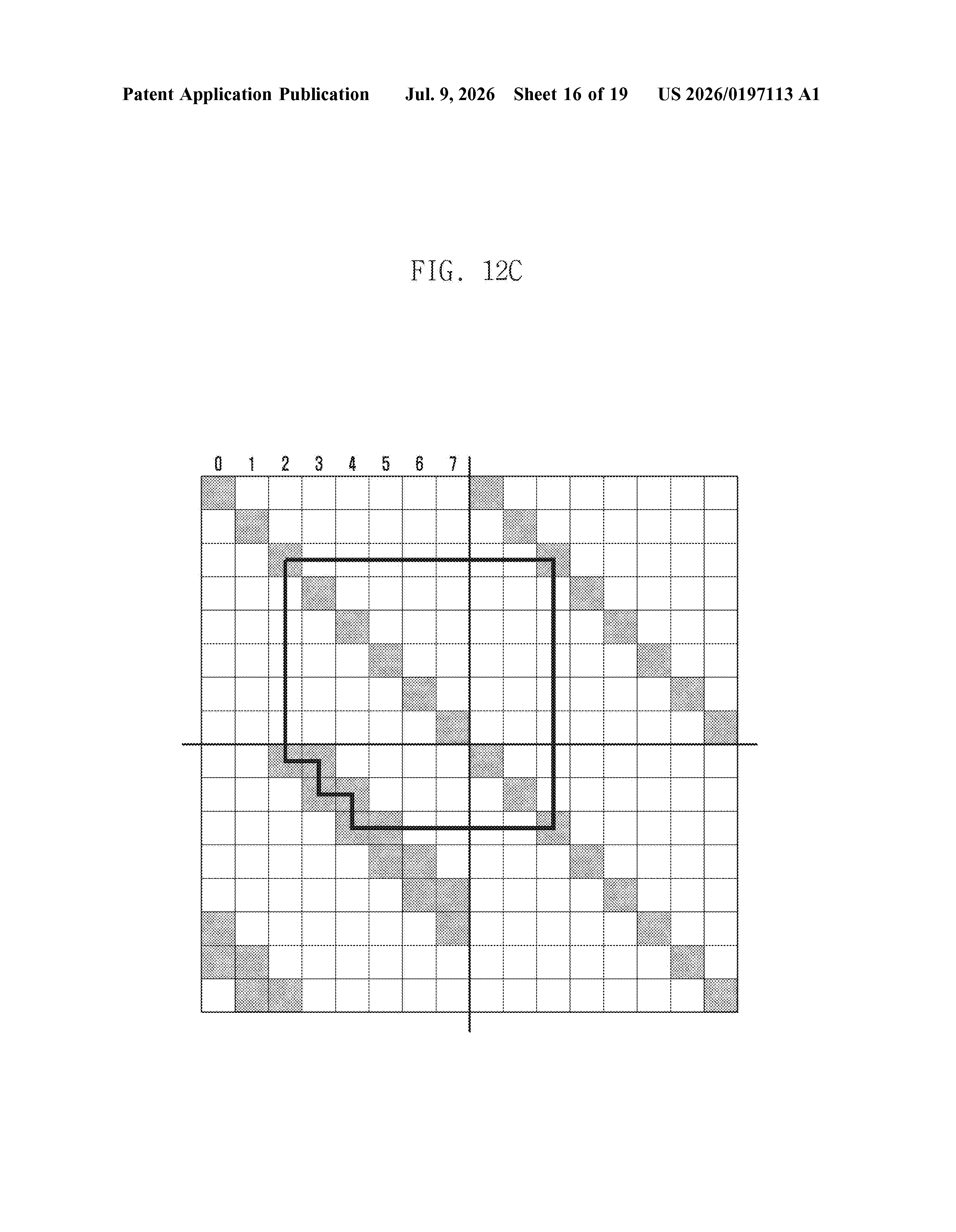
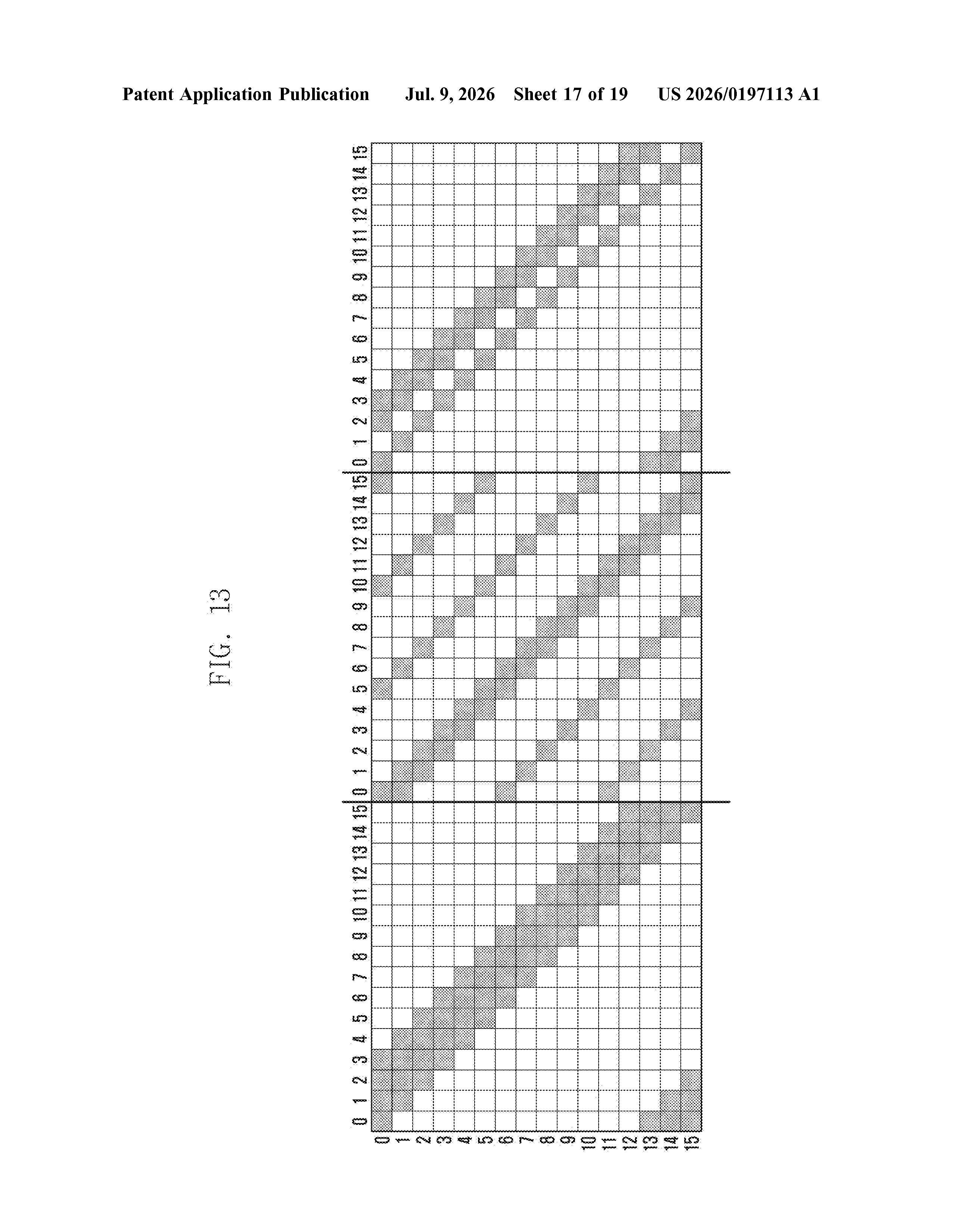
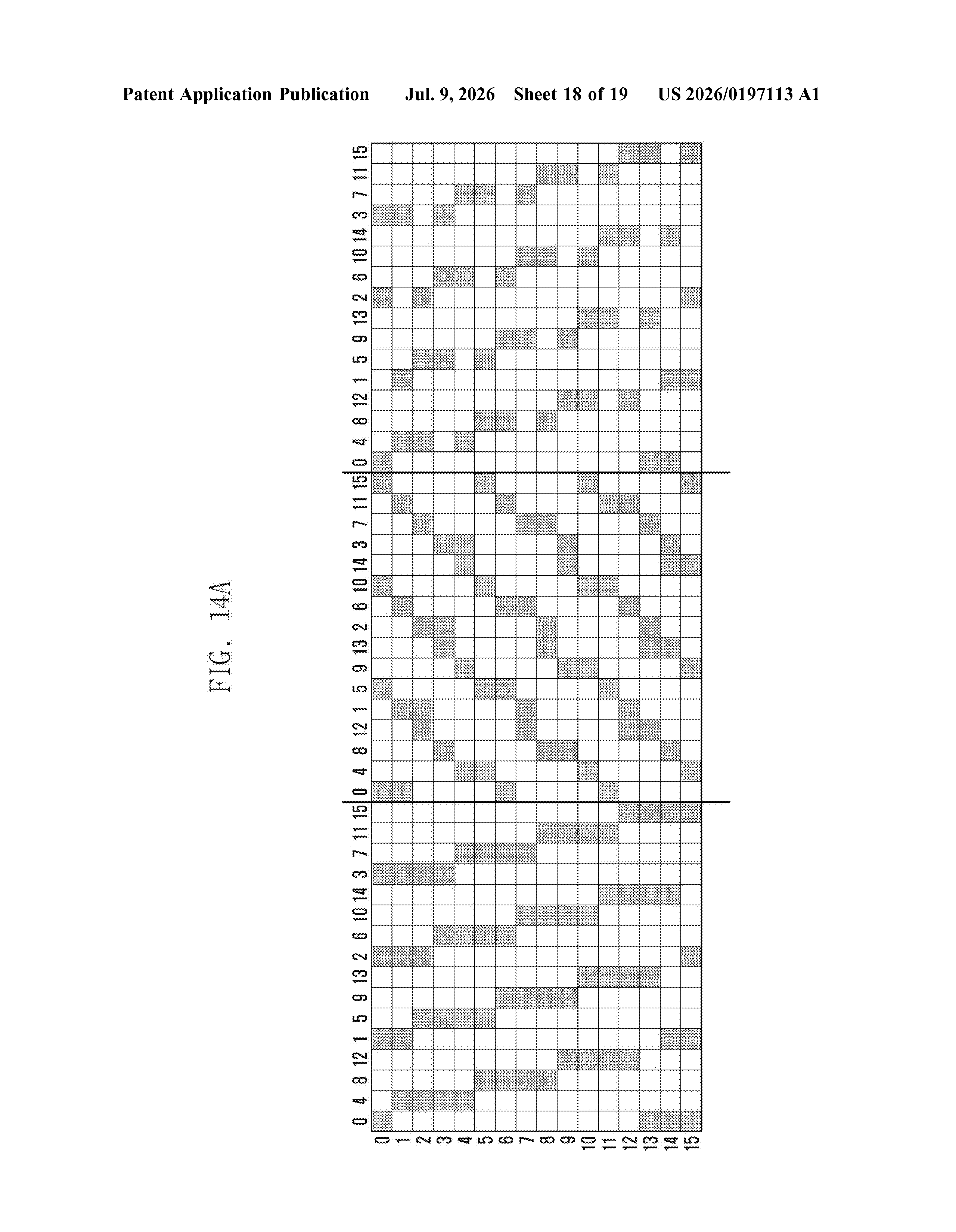
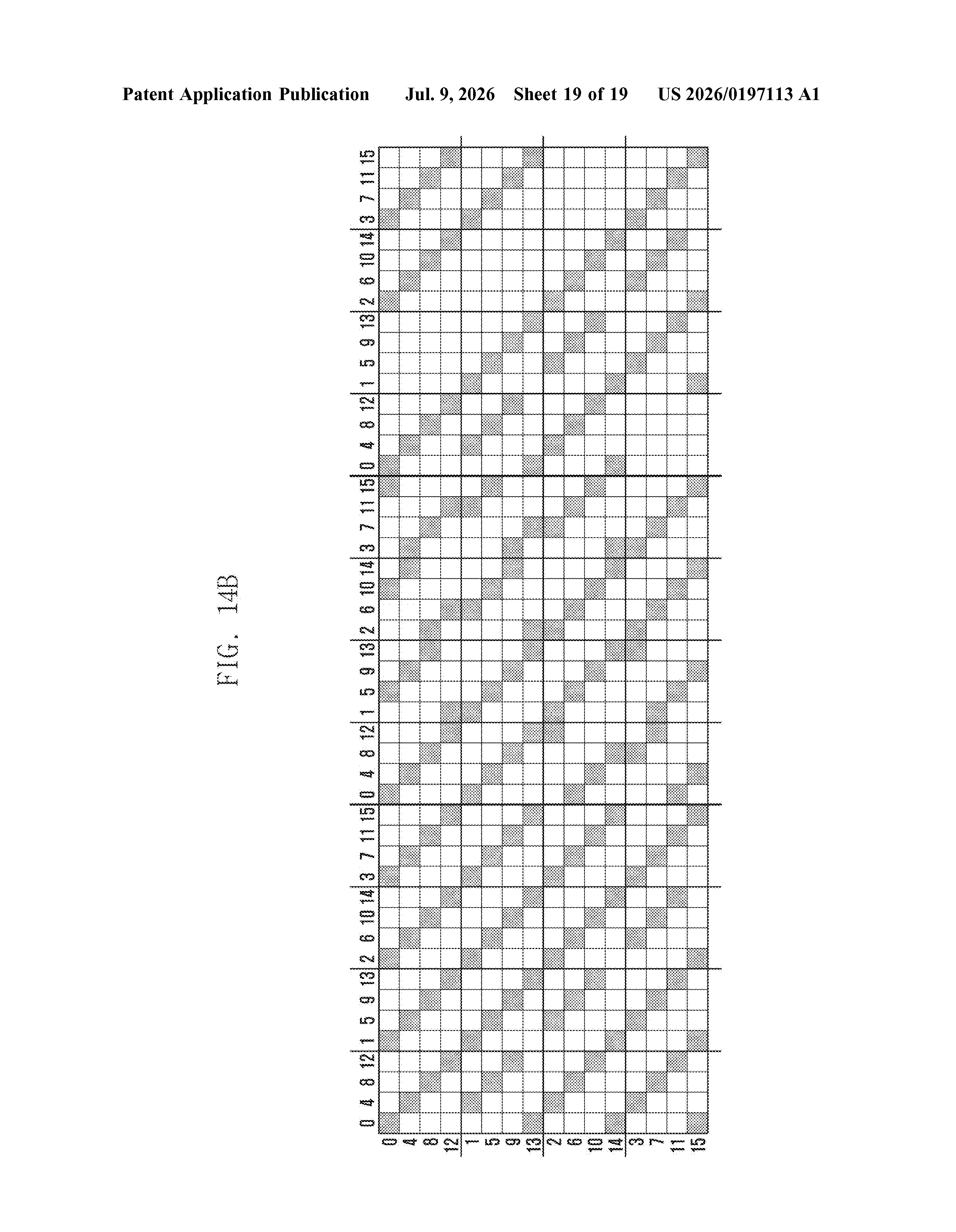
The specific constraint Samsung is protecting is about the internal structure of the matrix. It is built from circulant permutation matrices (small square blocks where each row is a shifted version of the one above). The patent requires that the "shift value differences" across those blocks, when taken modulo Z, are all distinct. It also requires that every column block corresponding to actual information bits contains at least three of these circulant sub-blocks.
Those two rules together push the check bits to be as mathematically independent from each other as possible, which is what gives the code its error-correction strength at higher data rates targeted by 5G and 6G systems.
What this means for 5G and 6G network reliability
LDPC codes are already baked into the 5G NR standard, so this isn't a brand-new concept. What Samsung is doing is staking out a specific construction method that could be proposed for inclusion in future 6G standardization work. The 3GPP standards body (the group that defines cellular specs) is already in early discussions about 6G, and companies routinely file patents on encoding schemes they intend to nominate.
For everyday users, better-designed codes mean more reliable connections at the edge of coverage and higher effective throughput without needing more spectrum or power. That's a real benefit, even if the underlying math is invisible to you.
This is a deep-infrastructure patent with essentially zero consumer visibility, but it's not trivial. LDPC code design is a competitive technical space where incremental improvements in matrix construction translate to real gains in network efficiency. Samsung submitting this ahead of 6G standardization rounds is a deliberate standards-positioning move, and that's worth tracking.
Get our take in your Top Stories
Liked this breakdown? Add Patentlyze as a preferred source on Google, and our plain-English take shows up more often in your Top Stories the next time Samsung patent news breaks.
There are more where this came from
We read every patent application Big Tech publishes and send you the ones worth knowing. Plain English, free, every week.
The drawings
19 drawing sheets from US 2026/0197113 A1 · click any drawing to enlarge
Show the other 11 sheets
Want this weekly breakdown for a company we don't cover? Patentlyze Pro →