
Adobe Patents an AI System That Adds Realistic Shadows to Pasted-In Objects
Pasting an object into a photo is the easy part. Making it look like it actually belongs there, complete with a shadow that matches the scene's lighting, is where most editors spend hours. Adobe wants to let an AI handle that.
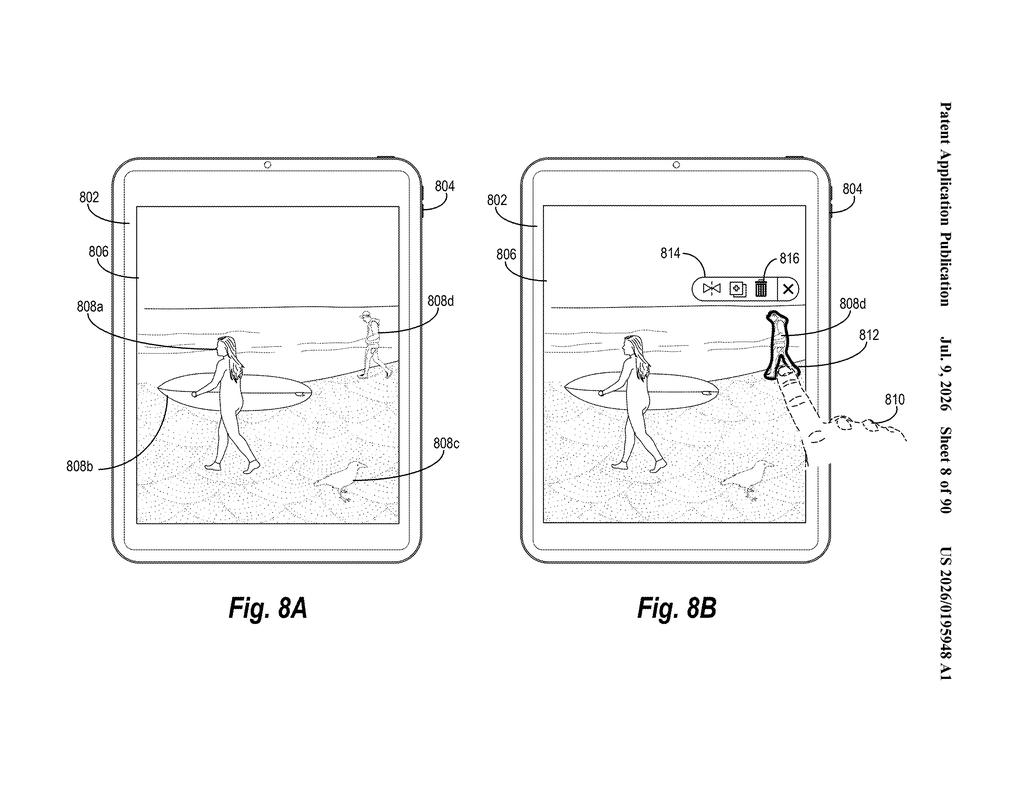
What Adobe's automatic shadow generator actually does
Imagine you cut out a photo of a person and paste them into a different background. Even with perfect edges, something looks off: the person casts no shadow, or the shadow points the wrong way. It's one of the most obvious tells that an image was composited together.
Adobe's new patent describes a system that studies the scene you're editing, figures out where shadows should logically fall given the lighting in that scene, and then draws them in for you. You supply the image and tell the system which object needs a shadow; it does the rest.
The system uses a type of AI called a diffusion model, the same family of technology behind image generators like Firefly, Midjourney, and Stable Diffusion. Instead of generating a whole new image, though, this tool focuses entirely on producing a shadow that looks consistent with the existing scene.
How the diffusion model reads a scene to place shadows
The patent describes a pipeline with a few key steps:
- Object mask input: The system takes an "object mask," which is essentially a silhouette cutout of the object that needs a shadow. This tells the AI exactly what shape the shadow should originate from.
- Combined representation: The mask, the original photo, and a "noise representation" (a starting point of random pixel data that diffusion models use to begin generating) are merged into a single input.
- Shadow synthesis via diffusion model: A purpose-trained shadow synthesis diffusion model processes that combined input. Diffusion models work by gradually refining noisy data into something coherent; here, the model refines toward a shadow that is geometrically and tonally consistent with the scene's lighting.
- Compositing the result: The generated shadow layer is then blended back into the original photo, producing the modified image.
The emphasis on "consistent with the scene" is doing real work here. Rather than placing a generic drop shadow, the system is supposed to infer direction, softness, and intensity from the existing lighting cues in the photo.
What this means for photo editors and compositing work
Realistic shadow compositing is one of the more time-consuming steps in professional photo editing and visual effects work. Getting it wrong makes even otherwise polished work look fake. A tool that automates even a first-pass shadow, one an editor can then refine, could meaningfully cut down production time for product photography, advertising, and editorial illustration.
Adobe already ships AI-powered compositing tools in Photoshop under the Firefly brand. A shadow synthesis feature would fit naturally into that existing workflow. For everyday Photoshop users who aren't lighting experts, automatic scene-aware shadows could make the difference between a believable composite and one that clearly looks like a cut-and-paste job.
This is a practical, well-scoped patent targeting a real pain point that editors deal with constantly. Adobe isn't swinging for a general image-generation breakthrough; it's plugging a specific hole in the compositing workflow. That focus is a good sign that something like this could actually ship in Photoshop.
Get our take in your Top Stories
Liked this breakdown? Add Patentlyze as a preferred source on Google, and our plain-English take shows up more often in your Top Stories the next time Adobe patent news breaks.
There are more where this came from
We read every patent application Big Tech publishes and send you the ones worth knowing. Plain English, free, every week.
The drawings
90 drawing sheets from US 2026/0195948 A1 · click any drawing to enlarge
Want this weekly breakdown for a company we don't cover? Patentlyze Pro →