
Nvidia Patents an AI Upscaling Method That Looks at Images from Overlapping Angles
Nvidia has filed a patent describing a new way to use AI to make low-resolution images look sharp, one that borrows a technique from large language models to study an image from multiple overlapping perspectives at once.
What Nvidia's transformer-based upscaling actually does
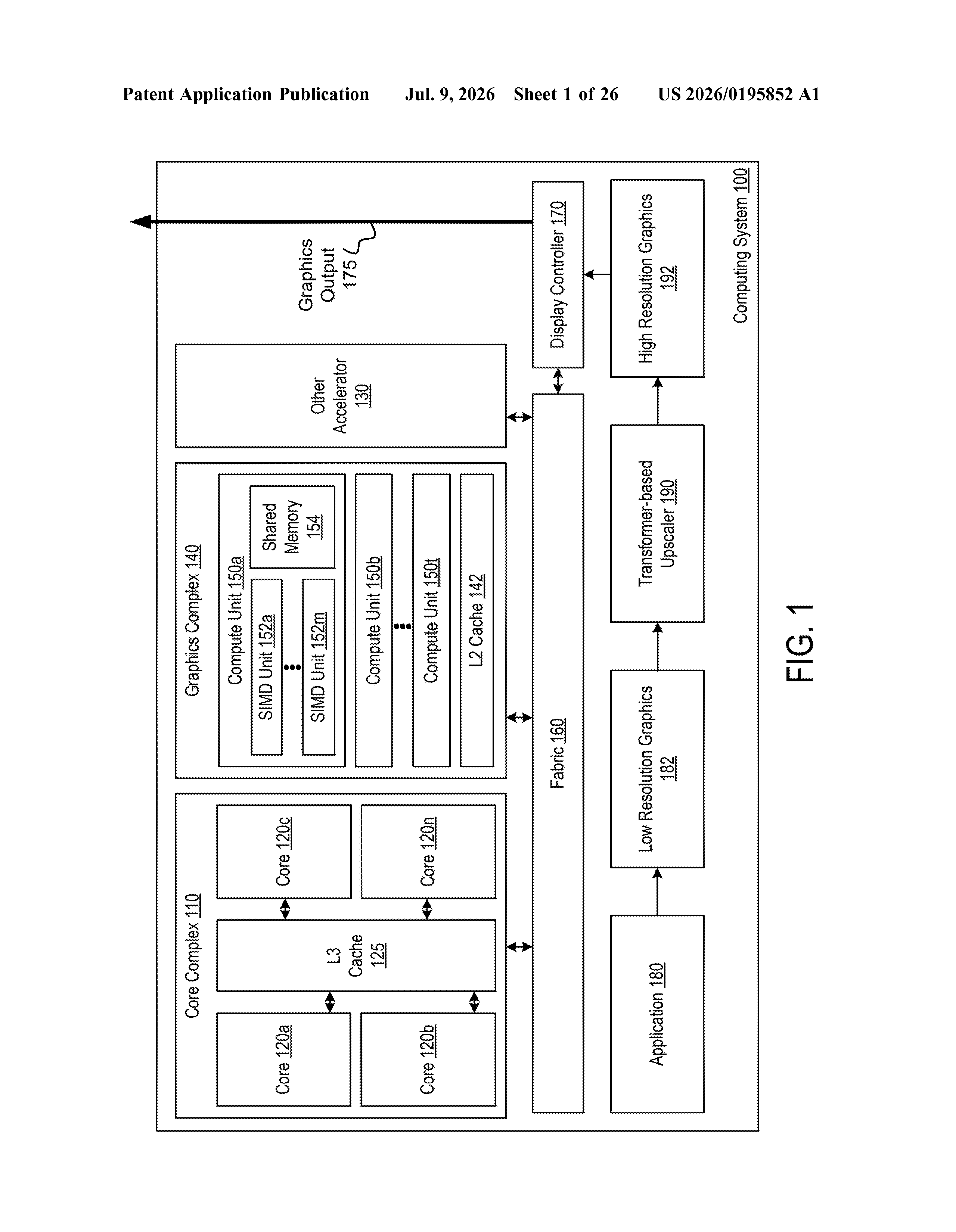
Imagine watching a video or playing a game where your screen is showing a lower-quality image under the hood, but the graphics card is rebuilding a sharper version in real time. That's what image upscaling does, and Nvidia has been one of its biggest proponents with its DLSS technology.
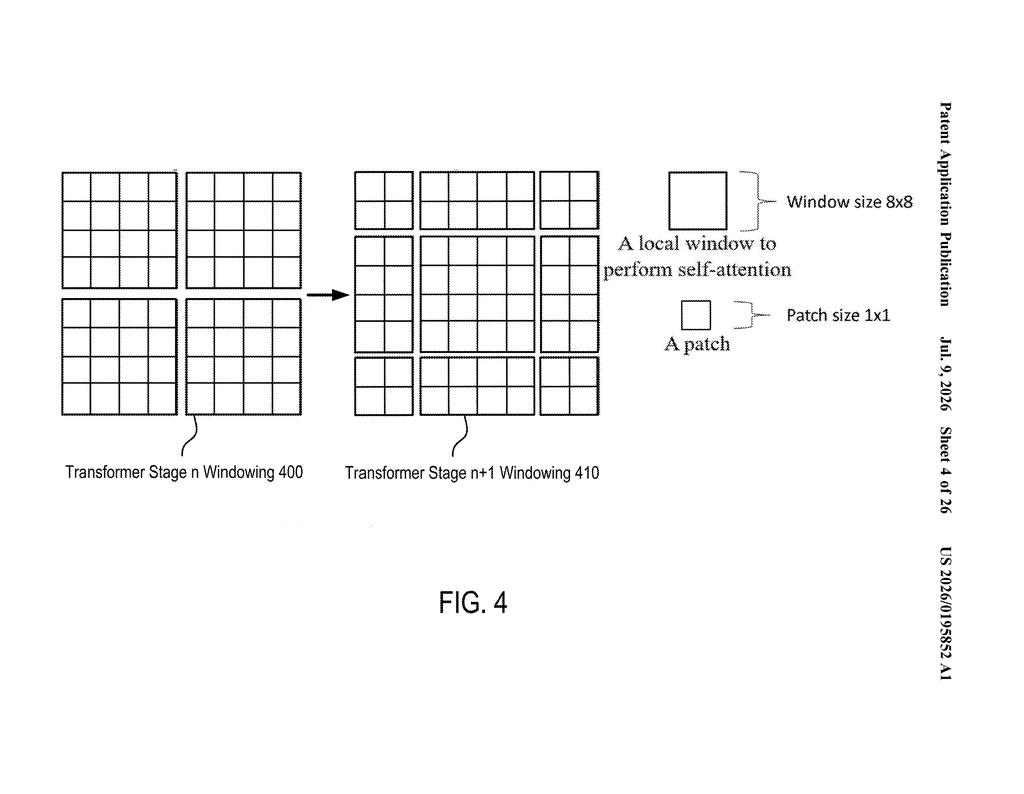
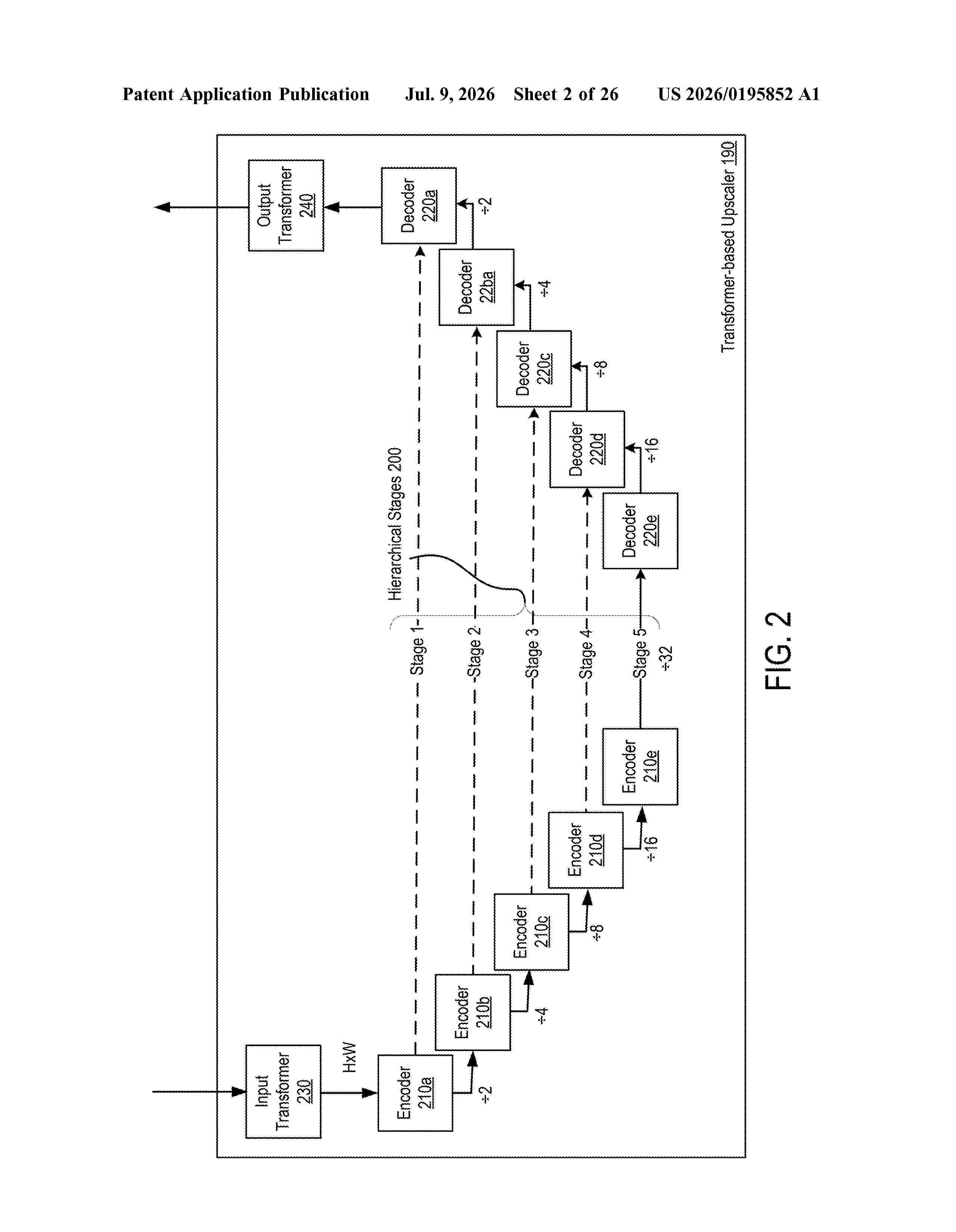
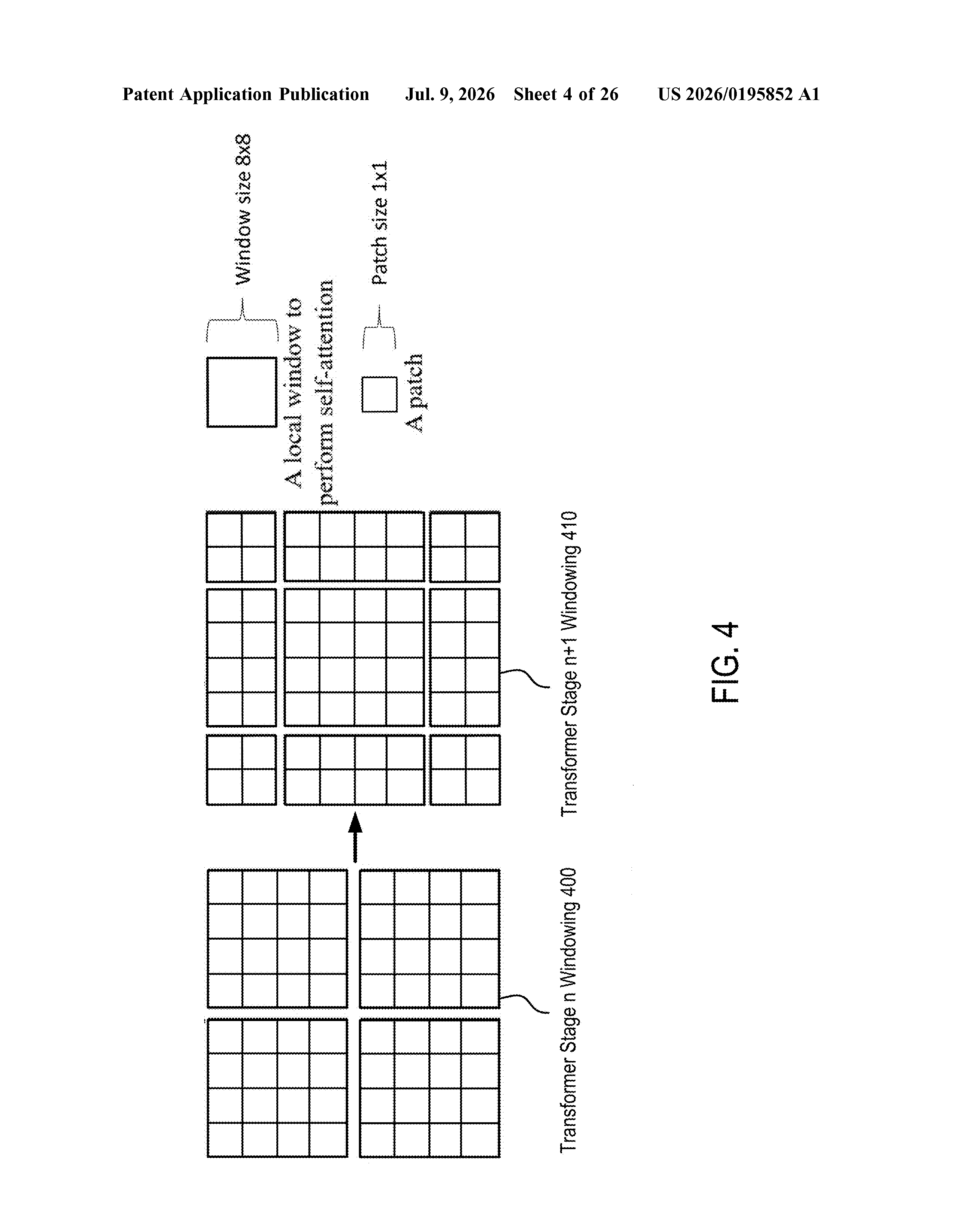
This patent describes a new approach that uses a type of AI architecture called a transformer, the same family of models behind ChatGPT, to do that rebuilding work. Instead of analyzing an image in one fixed grid of blocks, the system uses several overlapping, slightly offset grids. Each grid "sees" the image from a slightly different angle, which helps the AI catch detail that a single fixed grid might miss at the edges of each block.
The result is a more thorough analysis of the low-resolution source image, which the AI can then use to construct a convincingly higher-resolution output. You get a sharper picture without your GPU having to render every pixel from scratch.
How the offset attention windows reconstruct image detail
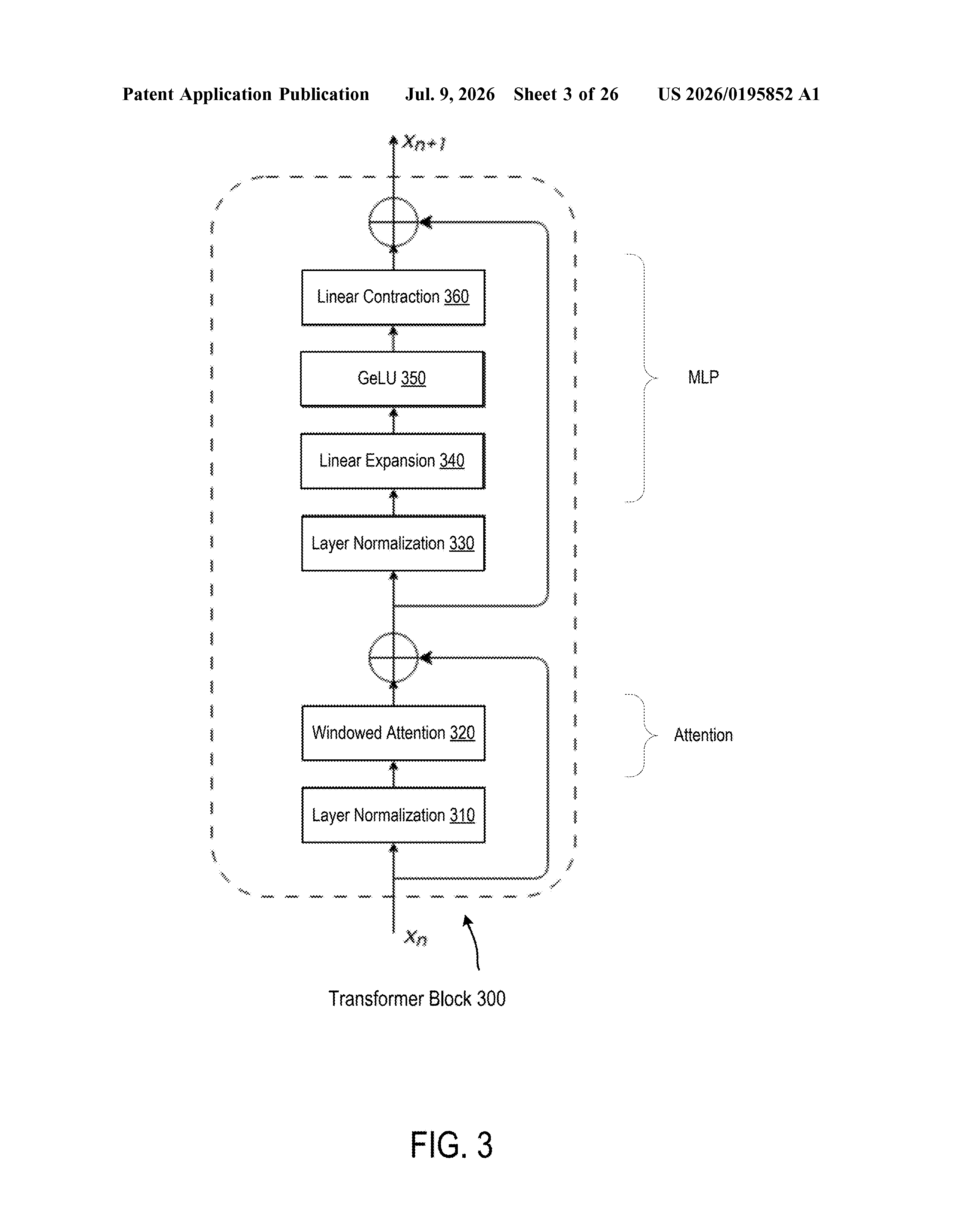
The core idea here is applying a transformer neural network to the problem of image upscaling. Transformers work by computing self-attention, a process where the model looks at different parts of an input and figures out how each part relates to every other part. In text AI, this is how a model understands that "it" in a sentence refers to a noun from three lines earlier.
For images, self-attention is typically applied within fixed rectangular windows to keep the computation manageable. The problem is that objects and edges in a scene don't respect those window boundaries, so detail near the edges of each block can get lost or blurred.
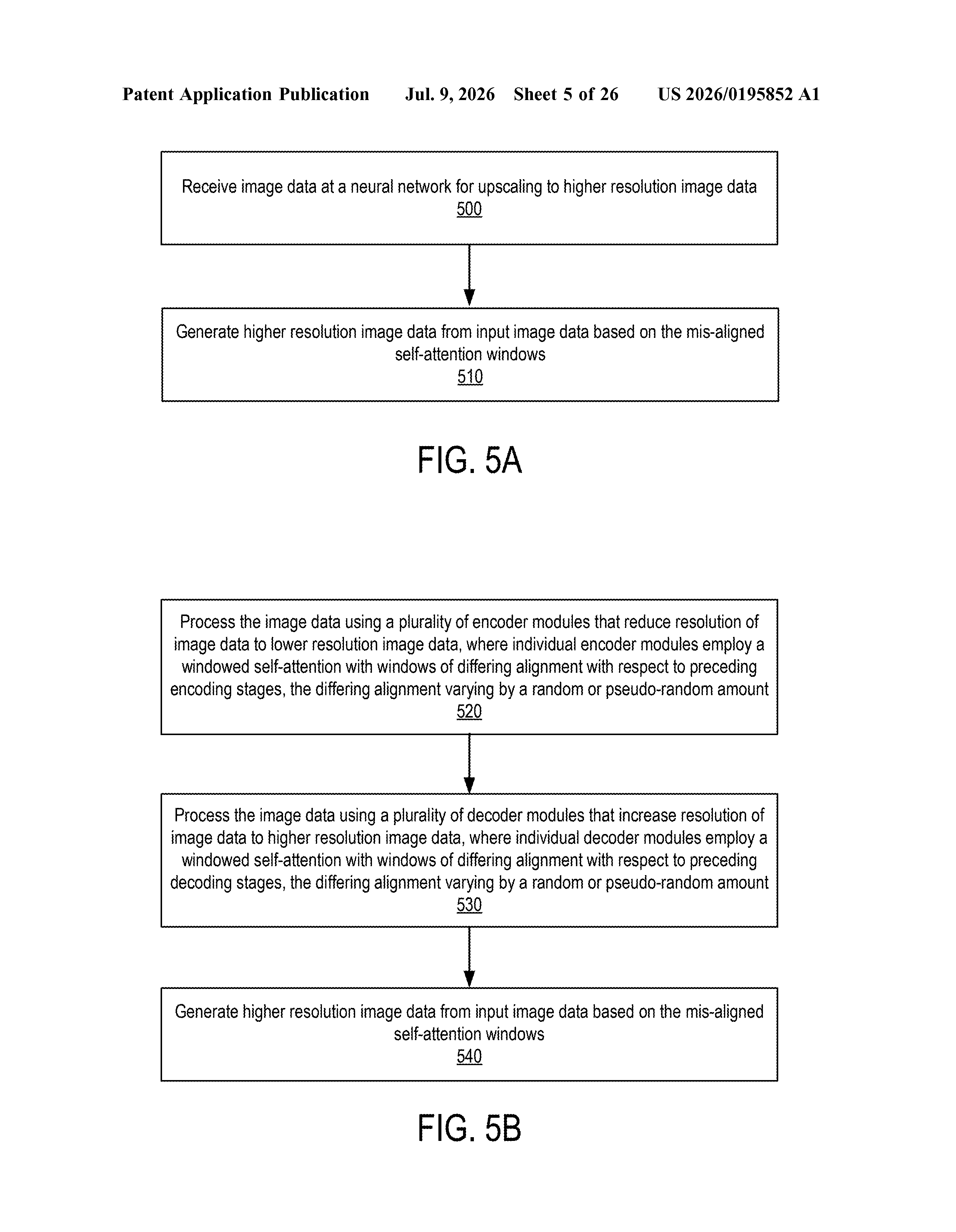
Nvidia's patent addresses this with mis-aligned (or offset) self-attention windows: multiple grids that are shifted relative to each other so their boundaries fall in different places. The neural network runs attention across all of these shifted grids, meaning every pixel in the low-resolution image ends up being examined alongside its neighbors in multiple different groupings.
The network then uses everything it learned from those overlapping perspectives to synthesize the missing pixels and produce a higher-resolution output. The low-resolution input is essentially the draft; the transformer's multi-window analysis is the editorial pass that fills in the detail.
What this means for the future of DLSS and real-time graphics
Nvidia's DLSS (Deep Learning Super Sampling) is already one of the most widely used AI upscaling systems in PC gaming, and a follow-on technique based on transformer models could push image quality noticeably further. The offset-window approach is designed to reduce one of the most visible artifacts in current upscaling: soft or inconsistent edges where the AI's analysis grid happens to cut across a sharp line or fine texture.
Beyond gaming, real-time upscaling matters anywhere bandwidth or processing power is limited, think video streaming, cloud gaming, or video calls. If Nvidia can bake a more capable transformer-based upscaler into future GPU hardware, you could get sharper visuals without needing a more powerful graphics card or a faster internet connection.
This is a meaningful technical filing, not a routine placeholder. Applying transformer-style shifted-window attention to real-time upscaling is a well-motivated idea, and the patent lines up with where Nvidia's DLSS research has been heading. Whether it ships as a named feature or gets folded into a future DLSS version, this is the kind of architectural improvement that actually changes what upscaled images look like.
Get our take in your Top Stories
Liked this breakdown? Add Patentlyze as a preferred source on Google, and our plain-English take shows up more often in your Top Stories the next time Nvidia patent news breaks.
There are more where this came from
We read every patent application Big Tech publishes and send you the ones worth knowing. Plain English, free, every week.
The drawings
26 drawing sheets from US 2026/0195852 A1 · click any drawing to enlarge
Want this weekly breakdown for a company we don't cover? Patentlyze Pro →