
IBM Patents a System That Teaches AI to Read PDF Documents Properly
PDFs are notoriously difficult for AI to read because the format hides structure that humans take for granted. IBM is patenting a way to teach AI systems to figure that structure out on their own.
What IBM's PDF structure detection actually does
Imagine you scan a 40-page company report and ask an AI assistant a question about it. The AI reads the file but has no idea which lines are headings, which are footnotes, and which are the actual body text. It treats everything as one long blob, so its answer might pull from the wrong section entirely.
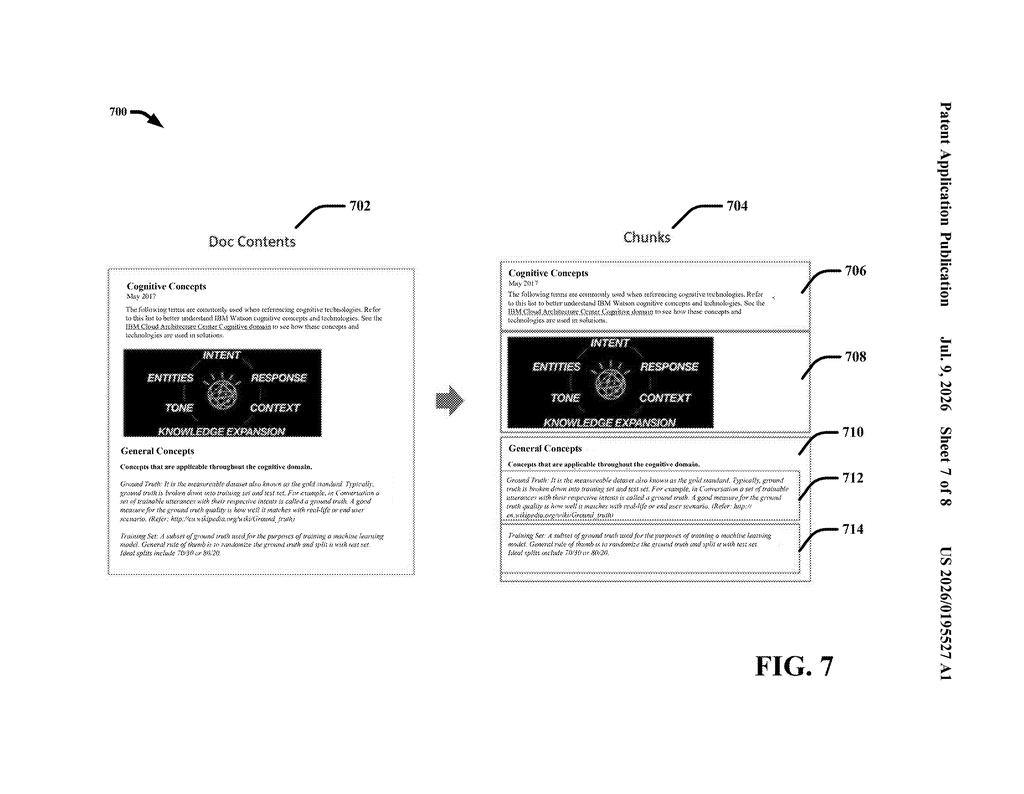
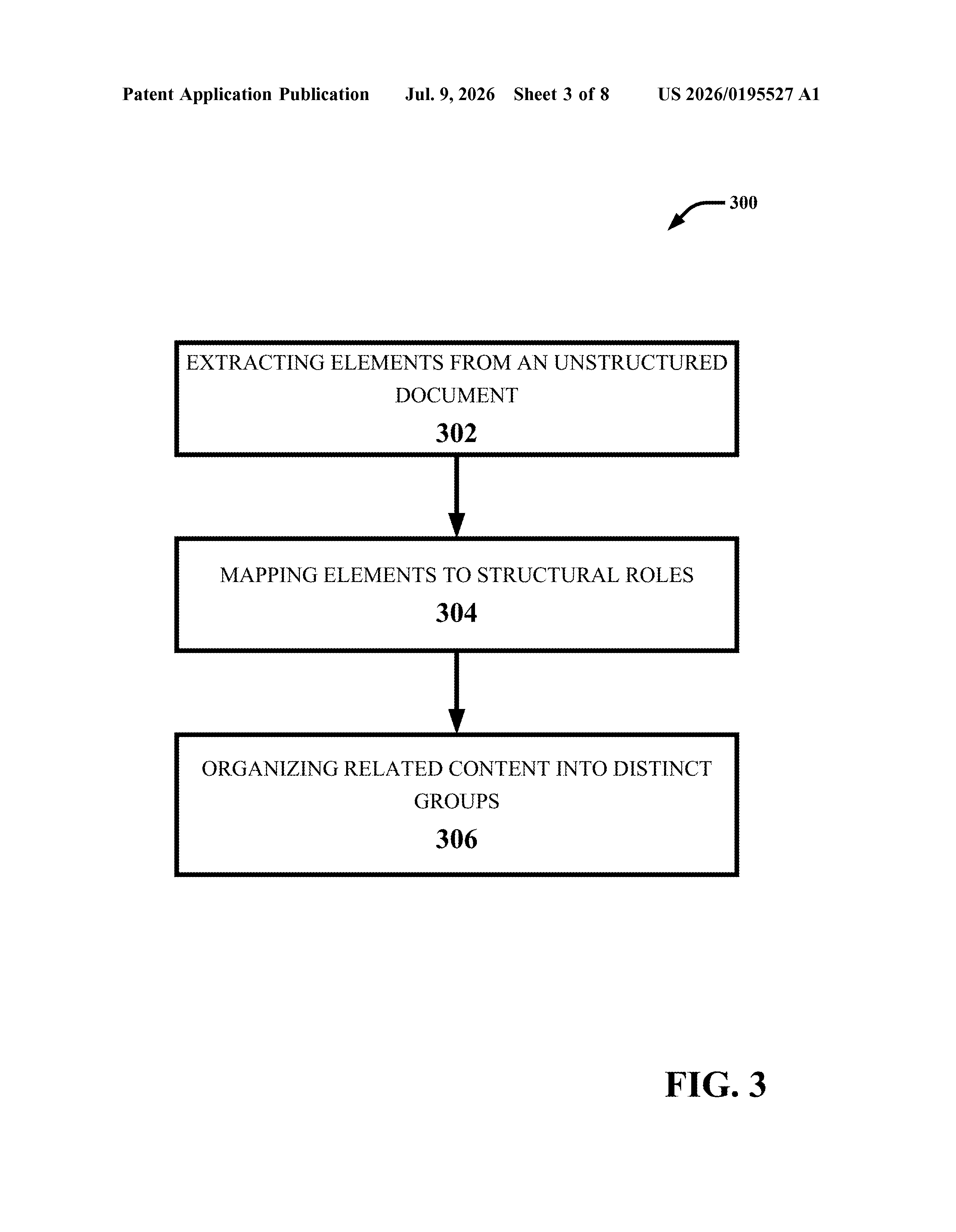
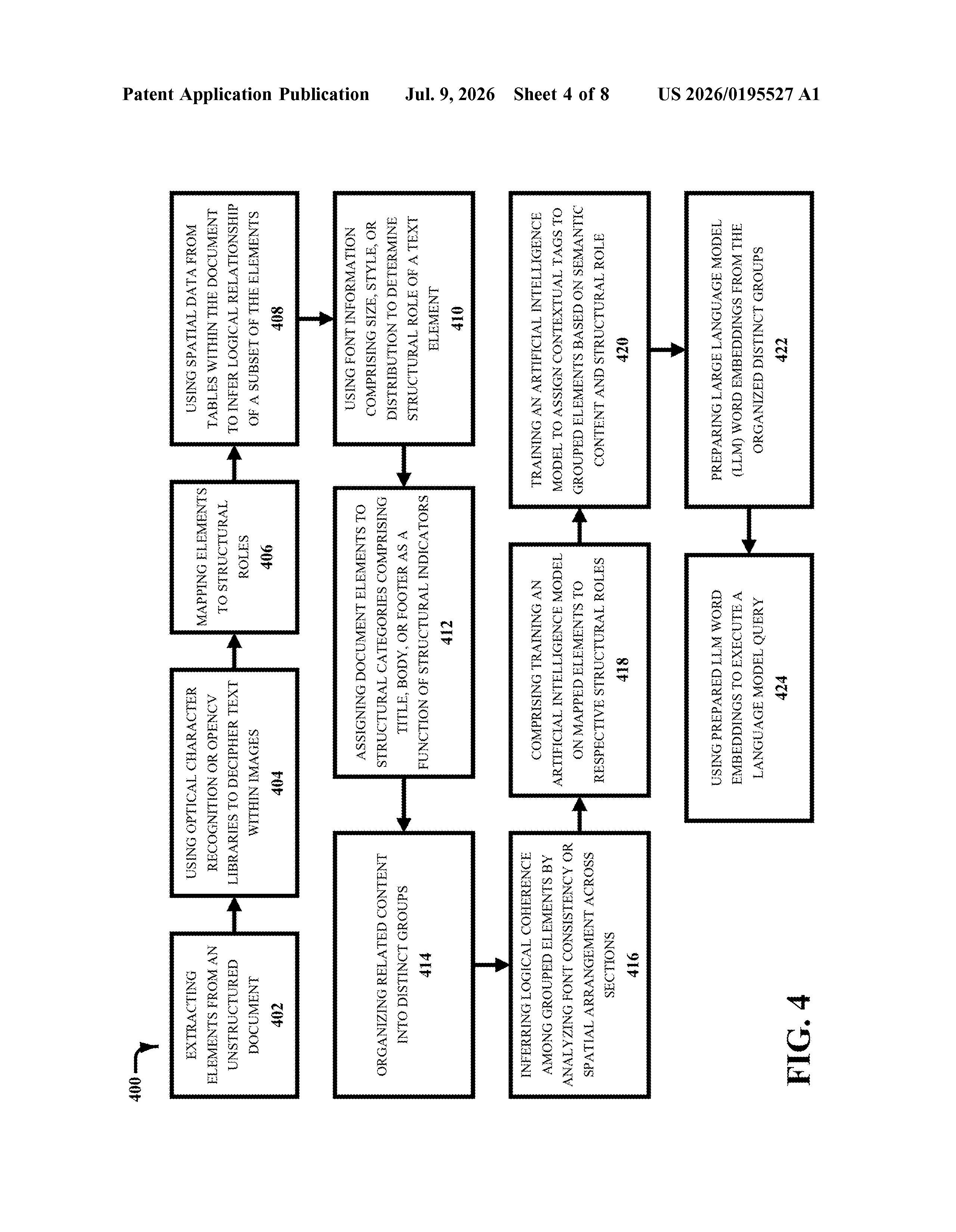
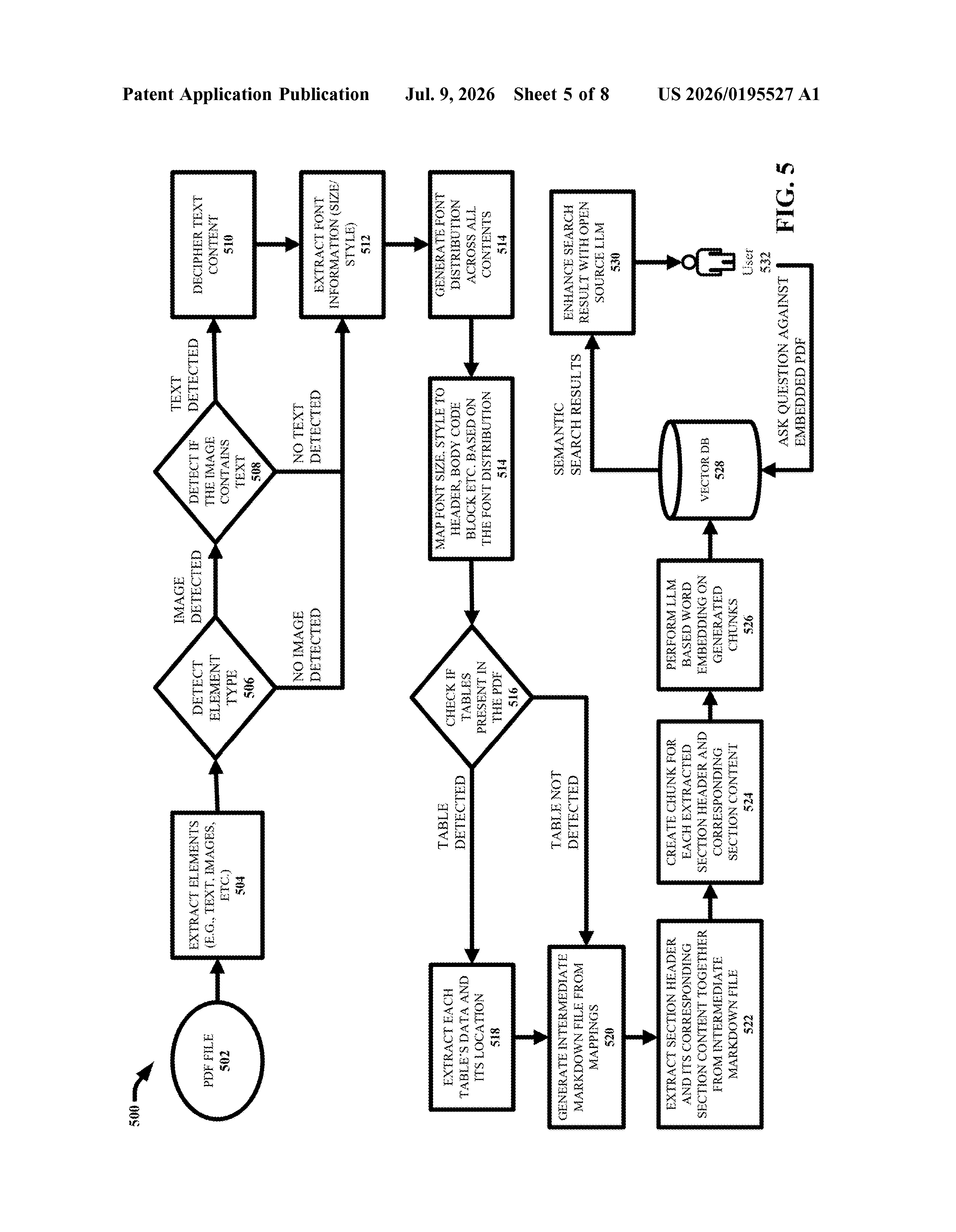
IBM's patent describes a system that first extracts the individual pieces of a PDF, then figures out what role each piece plays: title, section header, paragraph, caption, table, and so on. Once it knows the structure, it groups related content together before handing anything to an AI question-answering tool.
The practical result is that when you ask "what does the report say about revenue in Q3?", the AI is working from a cleanly organized version of the document rather than a jumbled pile of text. It's closer to how a human would mentally outline the document before answering.
How the system maps PDF elements to structural roles
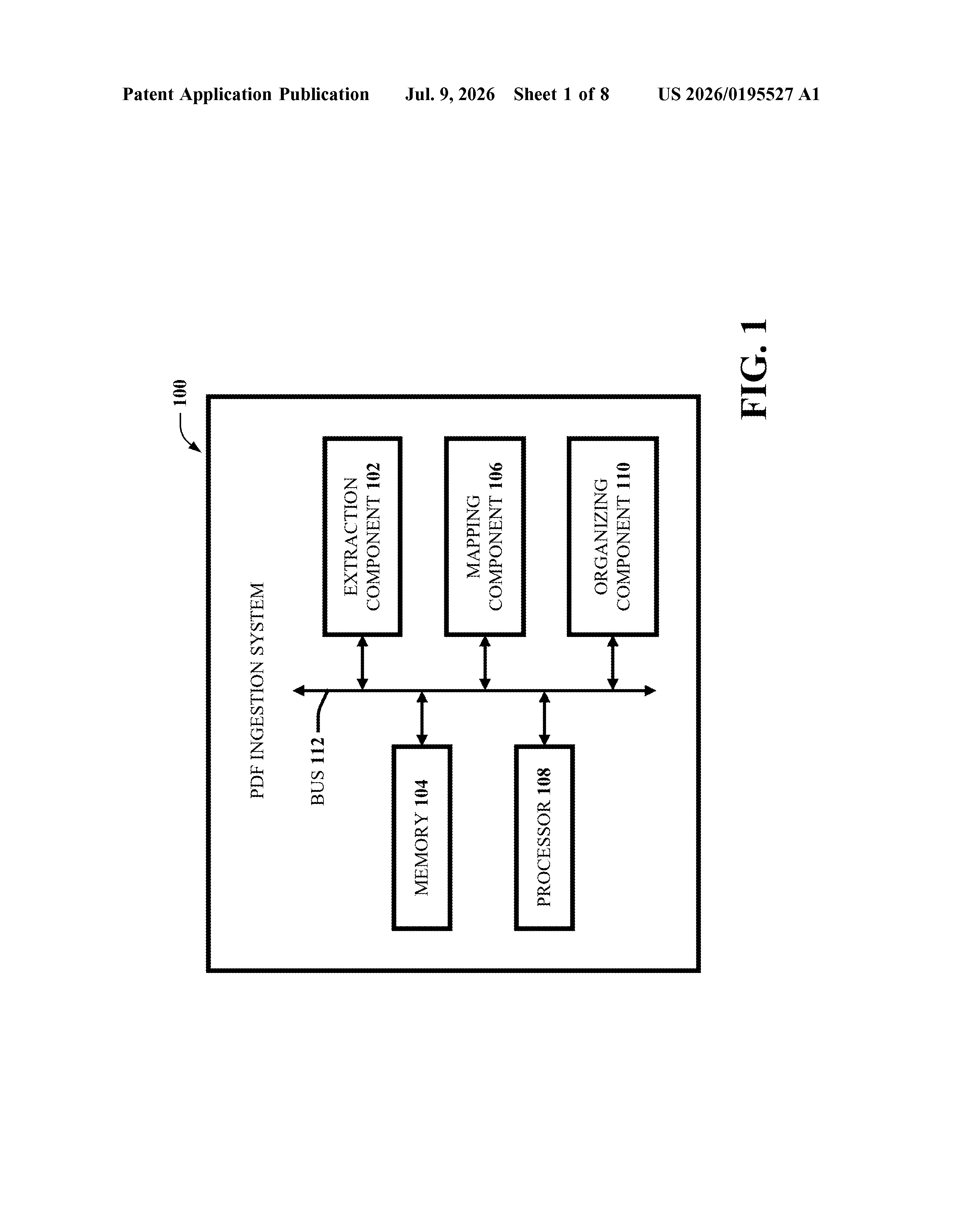
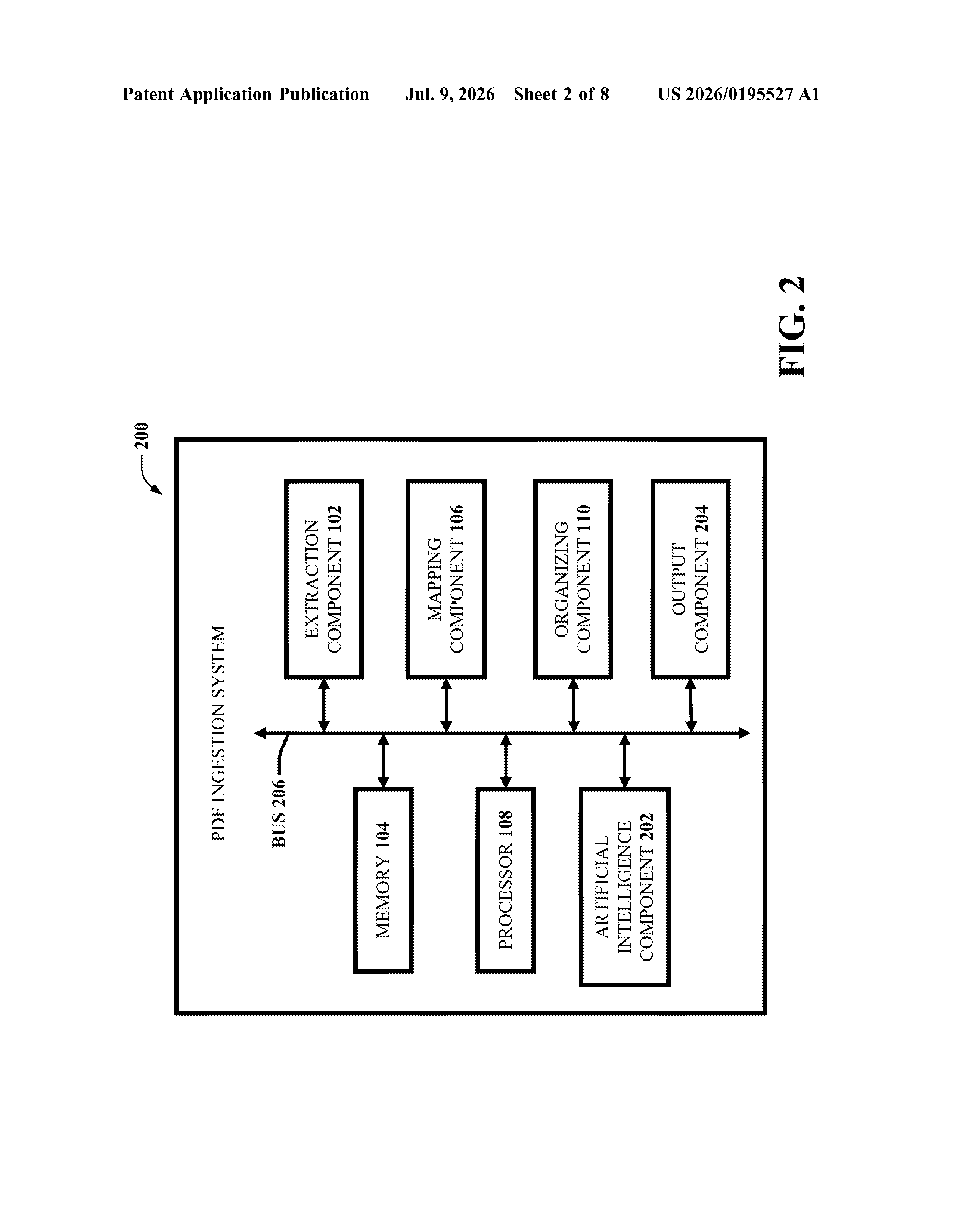
The patent describes three chained software components that work on unstructured documents (PDFs being the primary target).
- Extraction component: Pulls out the raw elements of a document, things like text blocks, headers, images, and table cells, essentially disassembling the file into its parts.
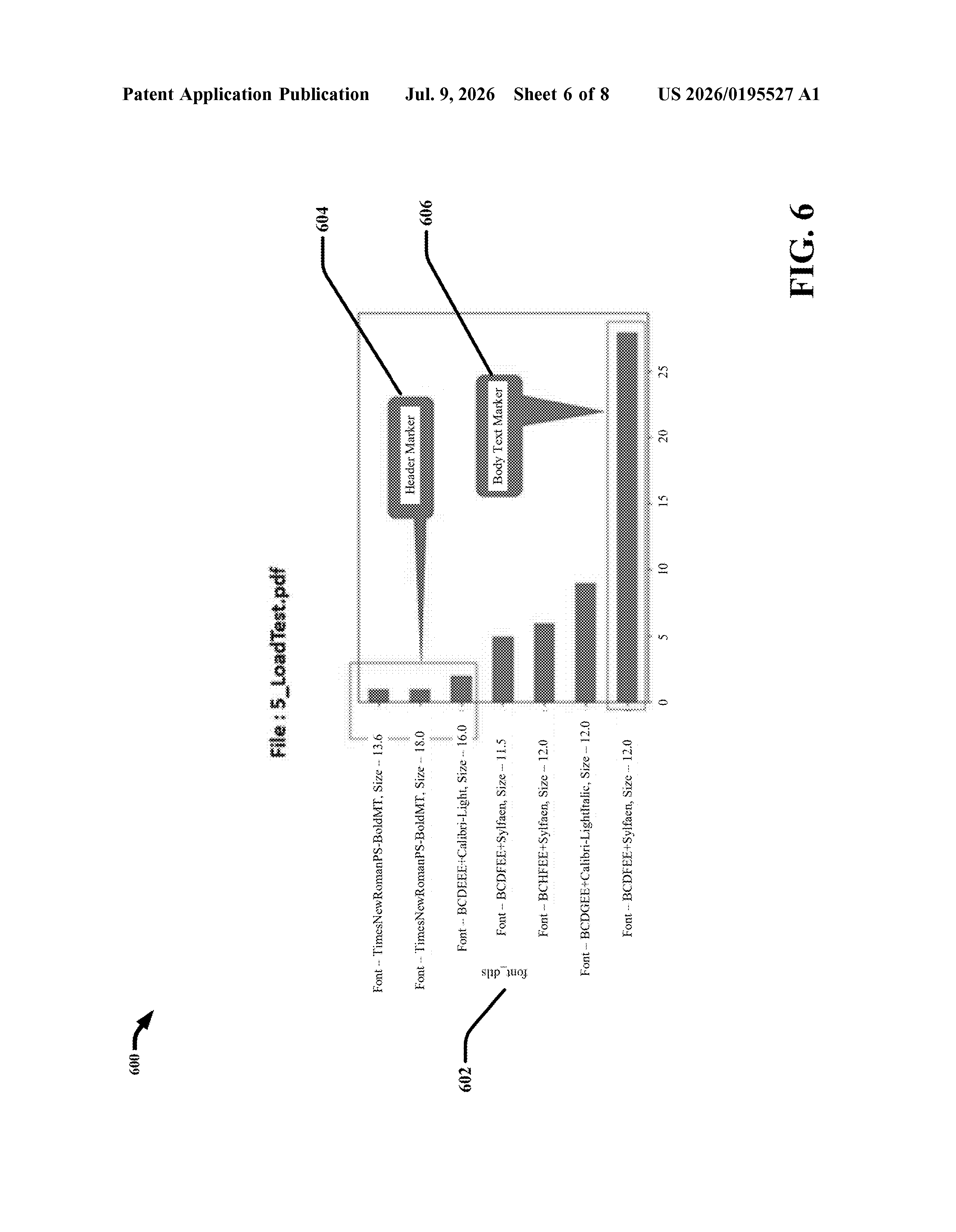
- Mapping component: Assigns each extracted element a structural role (think: "this text block is a section heading," "this block is body copy," "this is a footnote"). The term "inferred hierarchy" in the patent title refers to the fact that the system figures out these roles rather than relying on explicit tags baked into the file.
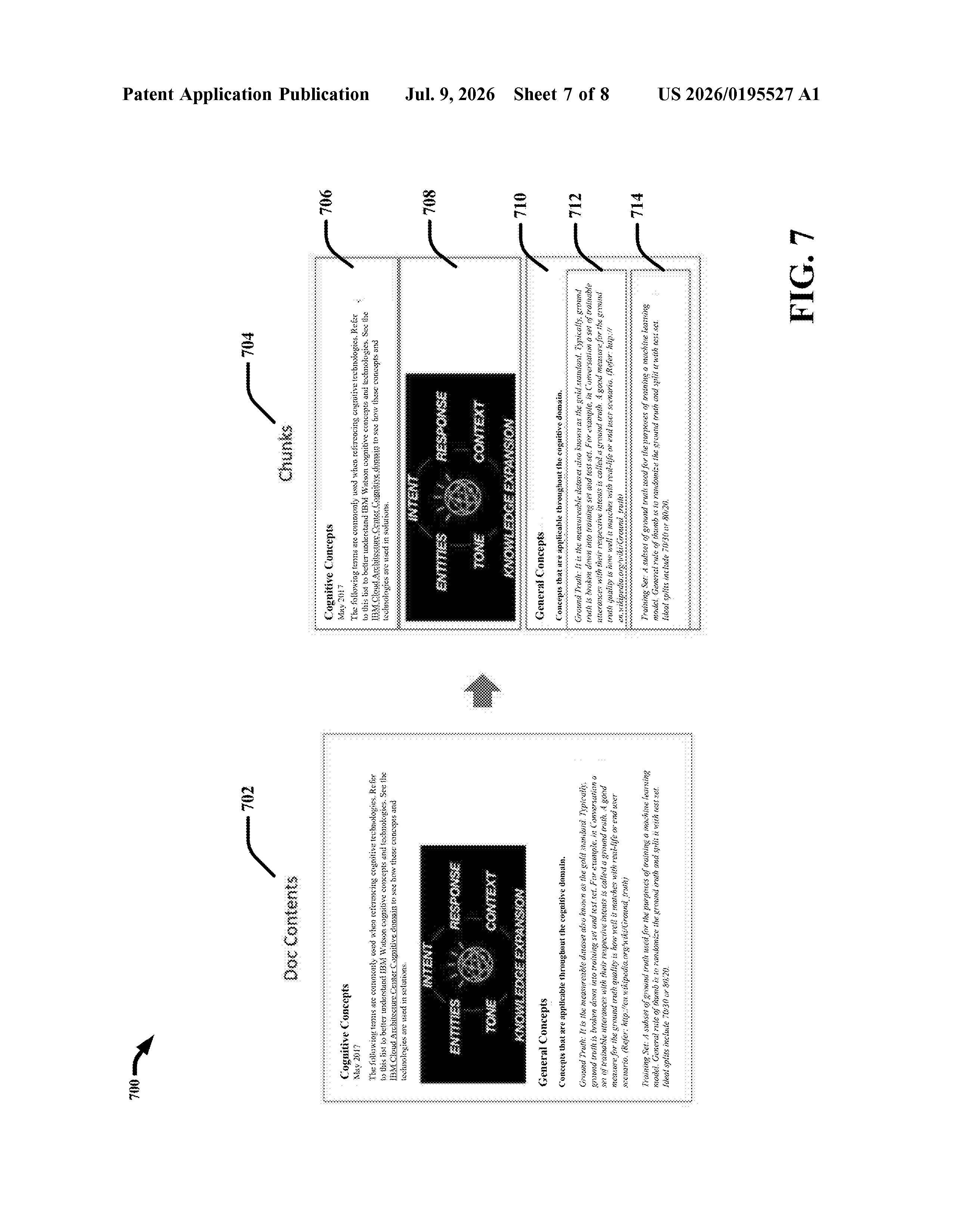
- Organizing component: Uses those role assignments to group related content into distinct clusters, keeping a heading with its associated paragraphs, for example, rather than letting them float separately.
The organized output is then fed into a question-answering model, the kind of AI that reads a document and responds to natural-language queries. The idea is that a well-organized input produces more accurate, contextually grounded answers than raw PDF text would.
What this means for AI tools that read business documents
Most enterprise AI tools that promise to "chat with your documents" struggle with PDFs because the format was designed for printing, not for machines. A PDF can look beautifully structured on screen while being a disordered list of text coordinates underneath. Any AI reading it is essentially guessing at the layout.
IBM's approach, if it works as described, would make document-based AI assistants meaningfully more reliable for the legal, financial, and compliance use cases where PDFs dominate. For enterprise customers already using IBM's watsonx platform or similar tools, this kind of preprocessing layer could reduce the rate of AI answers that confidently cite the wrong section of a contract or report.
This is genuinely useful infrastructure work, not a flashy AI trick. The PDF-reading problem is real and widely acknowledged, and IBM's framing of it as a hierarchy-inference step before question answering is a sensible architectural choice. That said, the patent's independent claim is thin enough that it reads more like a broad placeholder than a detailed technical disclosure, which limits how much weight to put on it.
Get our take in your Top Stories
Liked this breakdown? Add Patentlyze as a preferred source on Google, and our plain-English take shows up more often in your Top Stories the next time IBM patent news breaks.
There are more where this came from
We read every patent application Big Tech publishes and send you the ones worth knowing. Plain English, free, every week.
The drawings
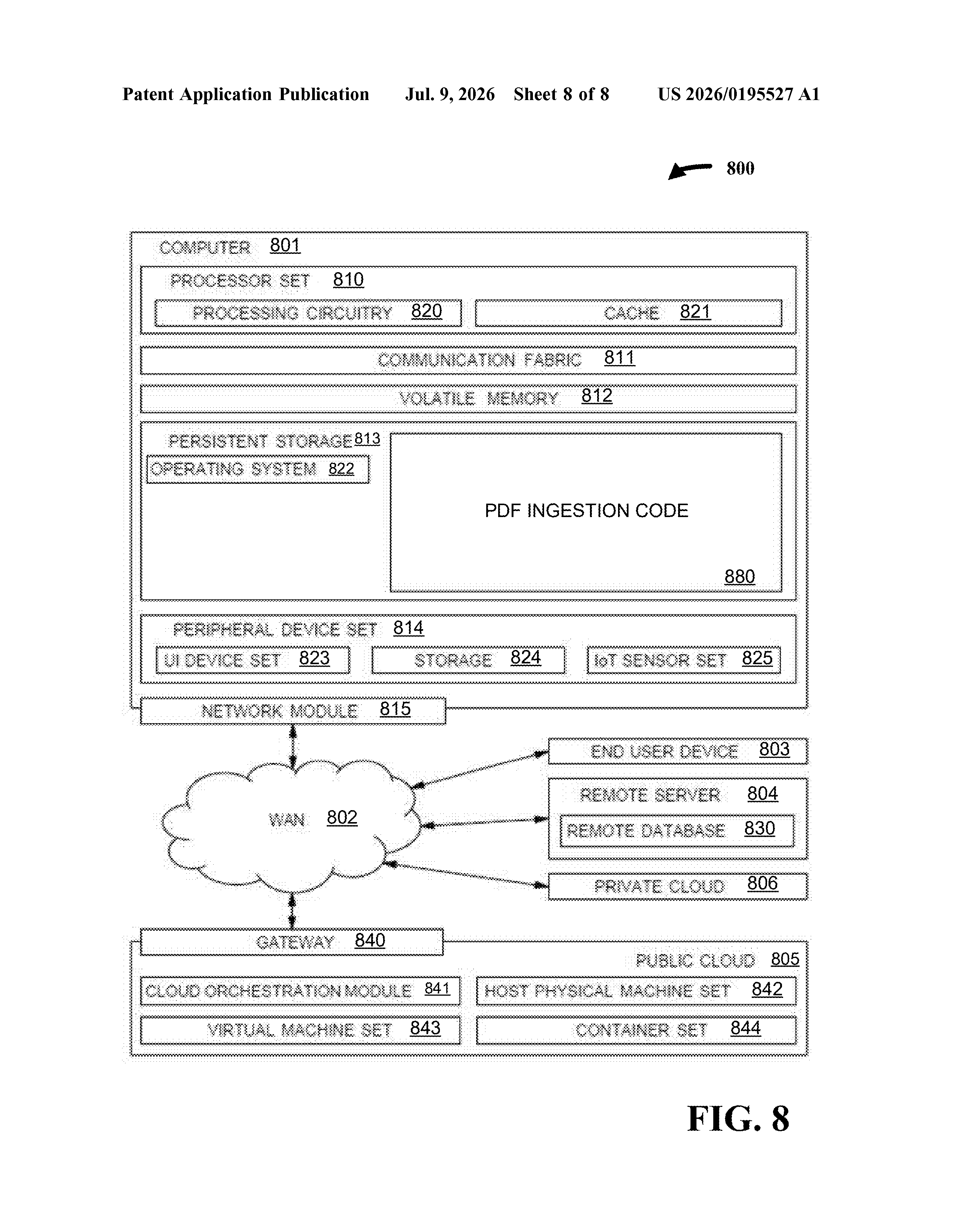
8 drawing sheets from US 2026/0195527 A1 · click any drawing to enlarge
Want this weekly breakdown for a company we don't cover? Patentlyze Pro →