
IBM Patents a Screen-Share Tool That Keeps Every Attendee's View in Sync With the Presenter
You know that moment in a video call when the presenter has scrolled halfway down a spreadsheet and your shared-screen tile is still showing the top? IBM wants to fix that automatically.
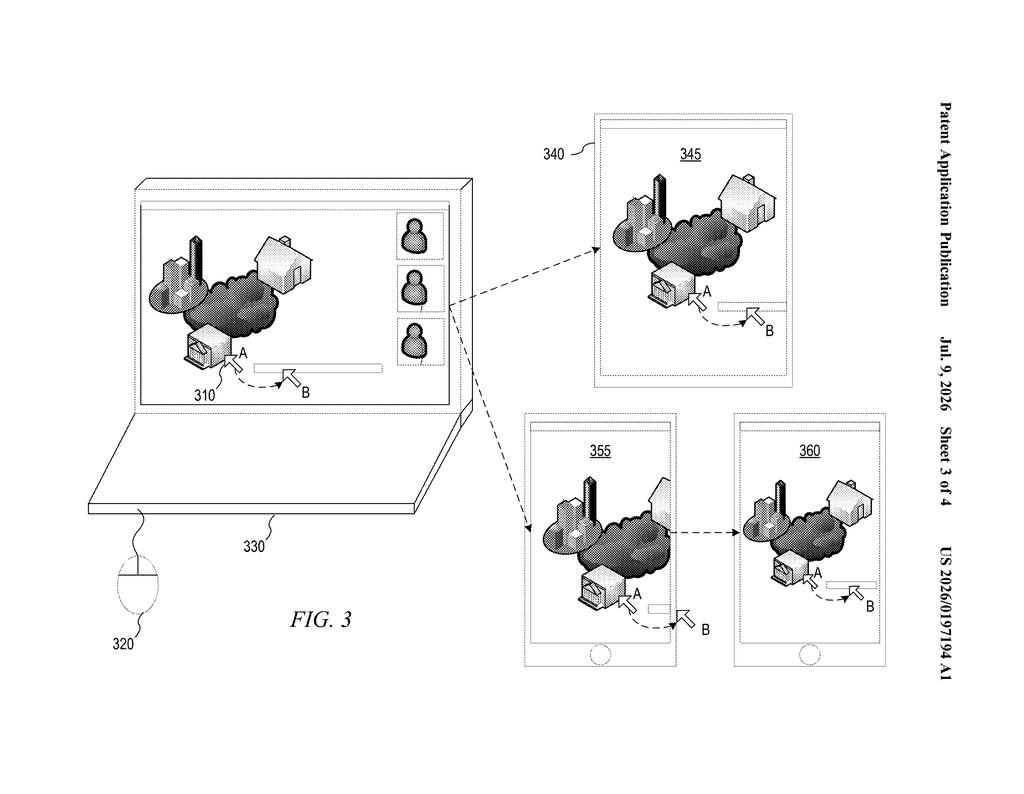
How IBM's auto-follow screen share actually works
Picture a team meeting where someone is walking through a long document. They scroll down to row 47 of a spreadsheet, but on your screen the shared window is still stuck at row 1. You either have to ask them to scroll back or just squint and try to follow along. It's a small frustration, but it happens in practically every screen-share session.
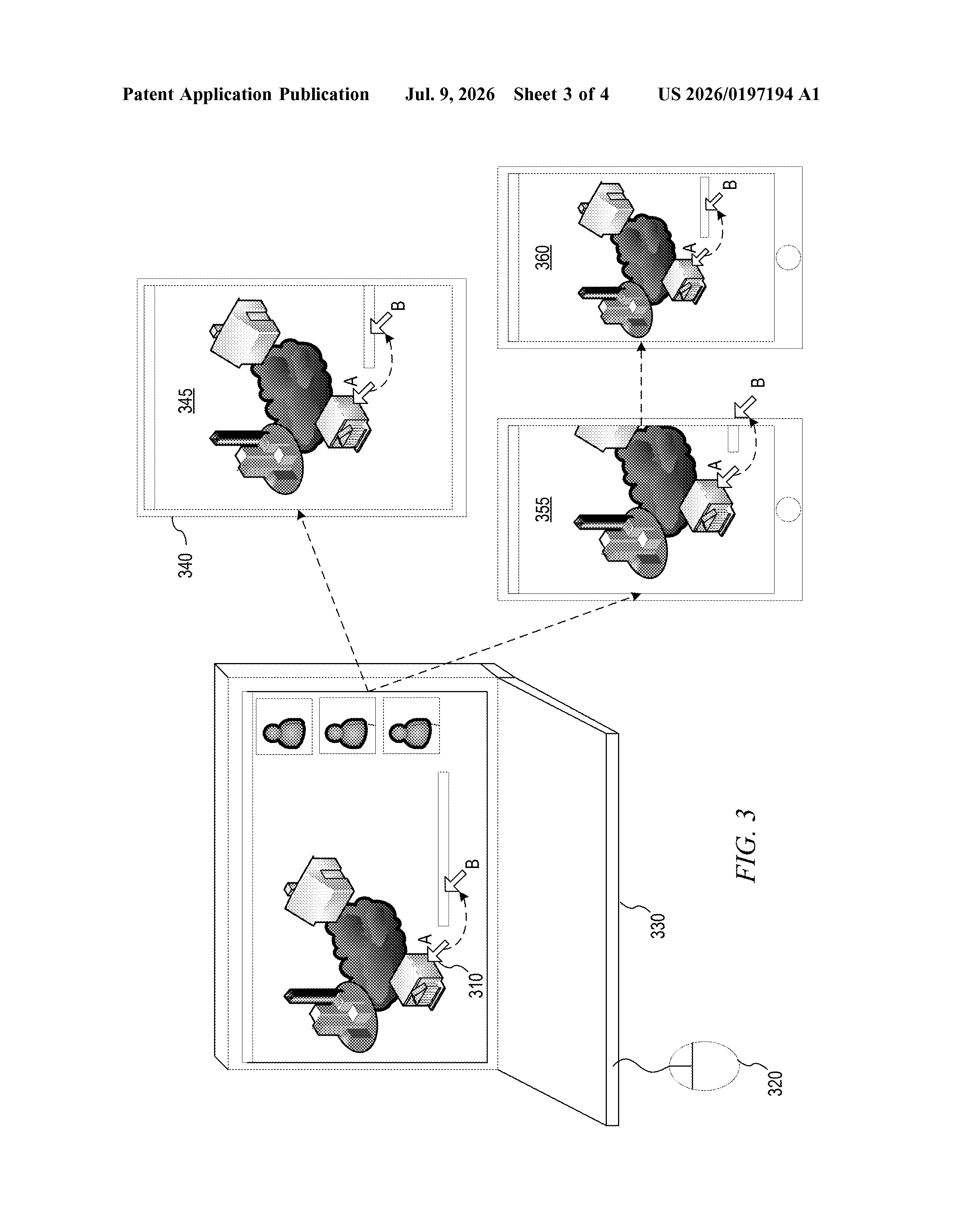
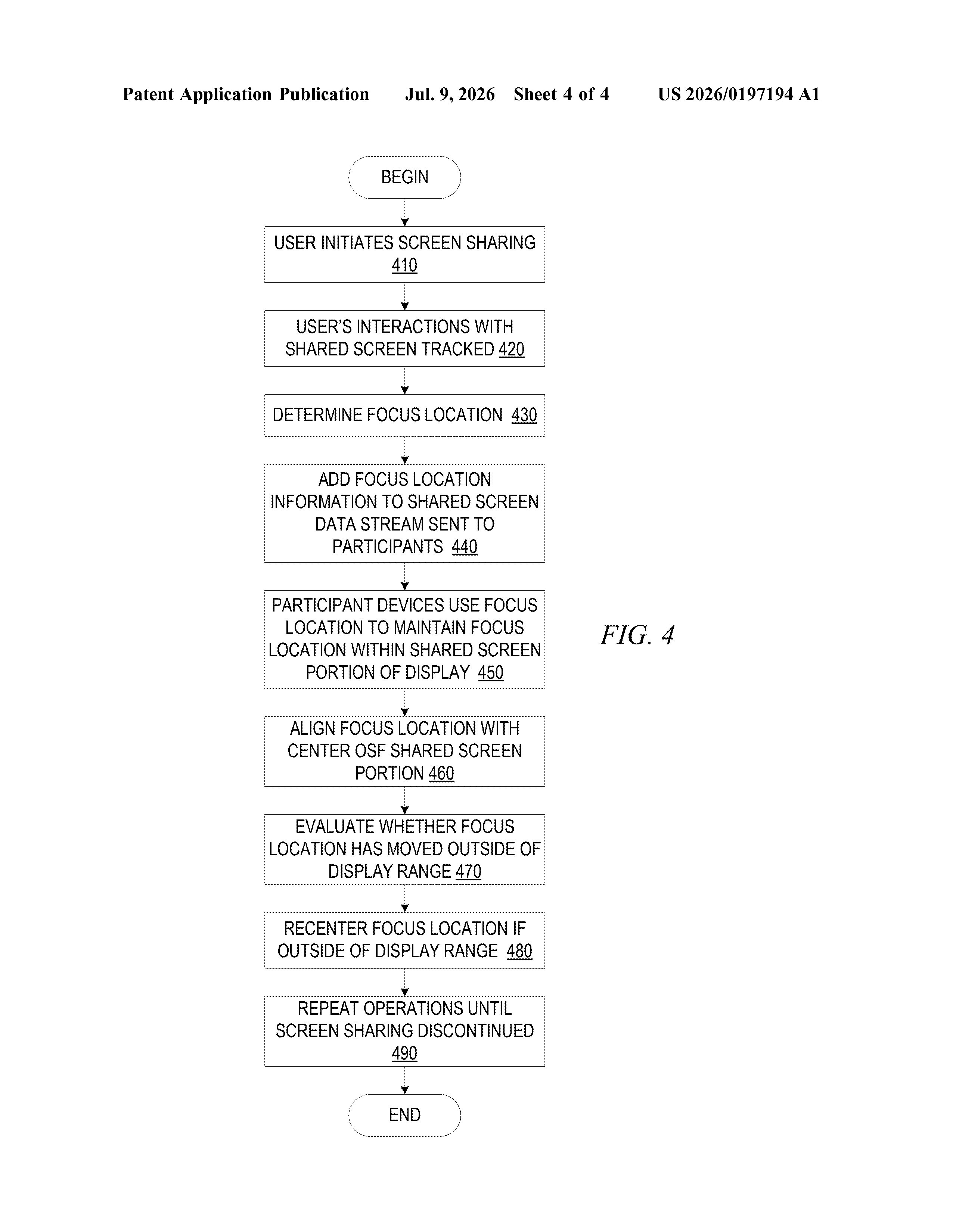
IBM's patent describes a system that watches where the presenter is actively working based on things like where their mouse moves or where they're typing, then sends that location information to every attendee's device in real time. Each attendee's screen automatically adjusts its view of the shared content to keep that spot visible.
The key detail is that this happens inside the meeting software itself, not by controlling anyone else's mouse. Your view shifts to match the presenter's focus, but you can presumably still scroll around independently if you want to look at something else.
How the presenter's inputs become scroll commands for attendees
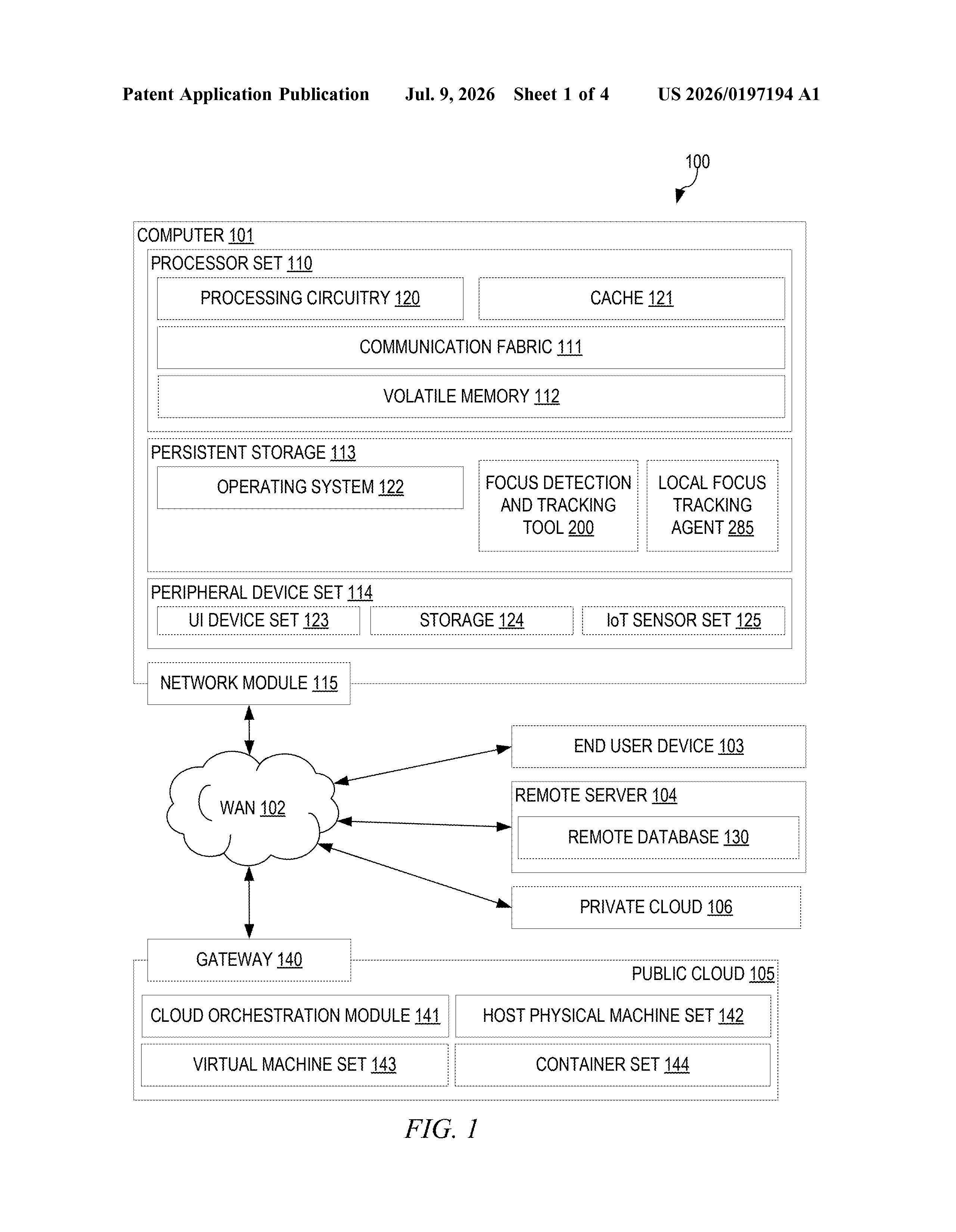
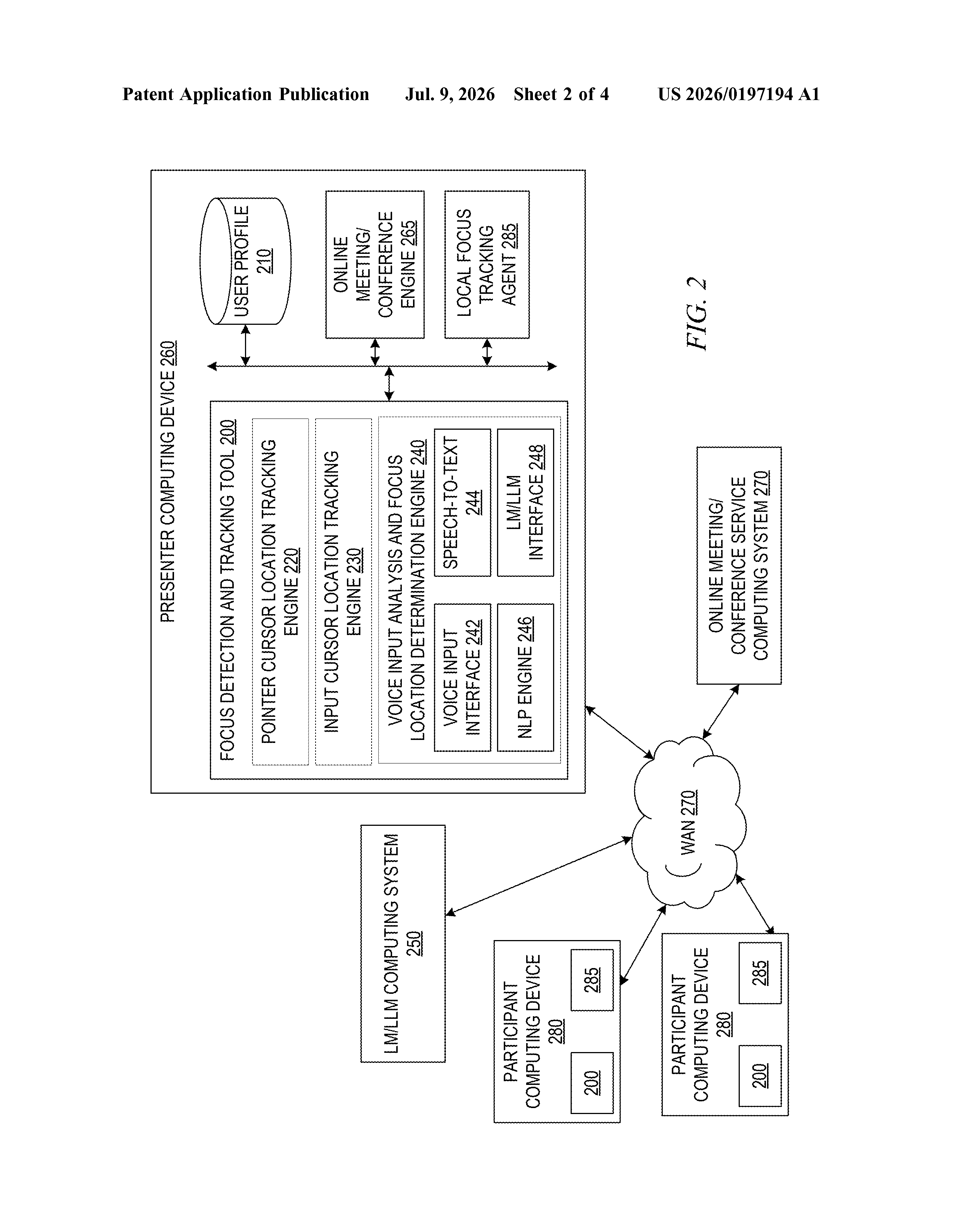
The system has three moving parts working together during a screen-share session.
- Focus tracking on the presenter's side: A small tool runs on the presenter's computer and watches their inputs, mouse position, keyboard activity, or similar signals, to figure out which part of the shared screen they're actively working in. This data is labeled "focus location data."
- Streaming the focus data alongside the screen: Instead of sending just the video of the screen, the meeting app bundles the focus location data into the same stream and broadcasts both to attendees simultaneously.
- Auto-adjustment on the attendee's side: Each attendee's device receives the focus data and uses it to shift their local view of the shared screen so the presenter's active area stays within the visible portion of the window.
The patent specifies this works within a "shared screen portion" of the display, meaning the part of the attendee's screen dedicated to the shared content. The mechanism doesn't take over the entire screen or override other windows.
The approach is built on top of existing real-time meeting infrastructure, augmenting the current screen-share data stream rather than replacing it, which suggests it could be added to existing platforms without a full rebuild.
What this means for remote meetings and tools like Zoom or Teams
Screen sharing is one of the most common things people do in remote work, and the disconnect between what the presenter sees and what attendees see is a genuine daily annoyance. A system that automatically syncs views could cut down on the constant "can you scroll up?" interruptions that break the flow of presentations and technical walkthroughs.
For IBM, which sells enterprise collaboration software and consulting services, this fits squarely into a broader push to make remote meetings feel more like being in the same room. Whether this ends up in a product like IBM's own meeting tools or gets licensed to others, the practical value is real, even if the underlying idea is fairly straightforward.
This is a genuinely useful idea solving a problem every remote worker has felt, and the implementation is clean enough that you can see it shipping in a real product. That said, it's not technically ambitious, and it's the kind of fix that Zoom, Microsoft, or Google could build independently without much difficulty. IBM's window to own this space is narrow.
There are more where this came from
We read every patent application Big Tech publishes and send you the ones worth knowing. Plain English, free, every week.
The drawings
4 drawing sheets from US 2026/0197194 A1 · click any drawing to enlarge
Want this weekly breakdown for a company we don't cover? Patentlyze Pro →
Be the first to weigh in