
Samsung Patents Technology That Automatically Shields Your Phone From Future Hacker Threats
Quantum computers could eventually crack the encryption protecting your phone calls and data. Samsung is filing patents now to make sure future phones can switch to stronger protection on the fly, without you doing anything.
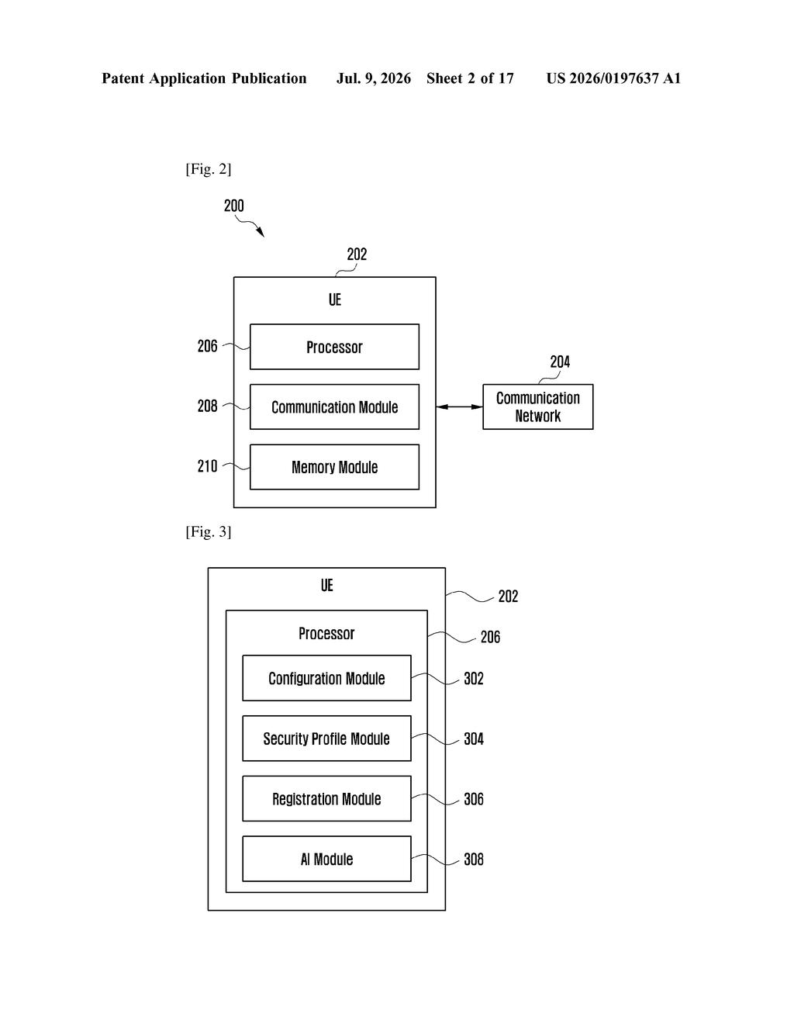
How Samsung's automatic encryption switching works
Today's phone encryption works great against today's computers. But quantum computers, which work in a fundamentally different way, are expected to eventually break the codes that protect your texts, calls, and mobile data. Security researchers call this the 'harvest now, decrypt later' problem: attackers can record encrypted data today and crack it once quantum hardware catches up.
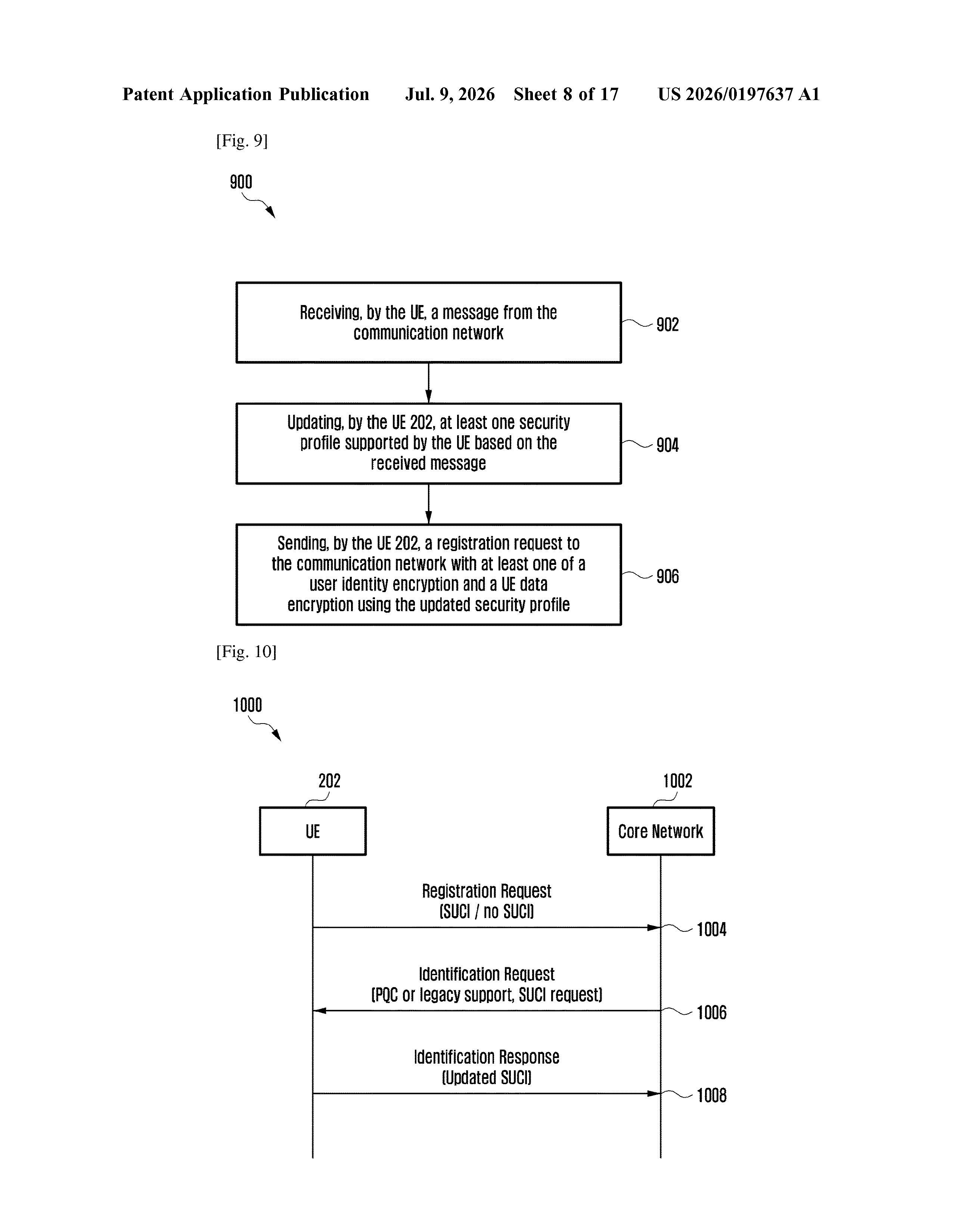
Samsung's patent describes a way for your phone and the mobile network to automatically negotiate and apply quantum-resistant encryption during the moment your device registers with a network. Think of it like a handshake where both sides agree on a secret language before they start talking, but the language is now one that even a quantum computer would struggle to decode.
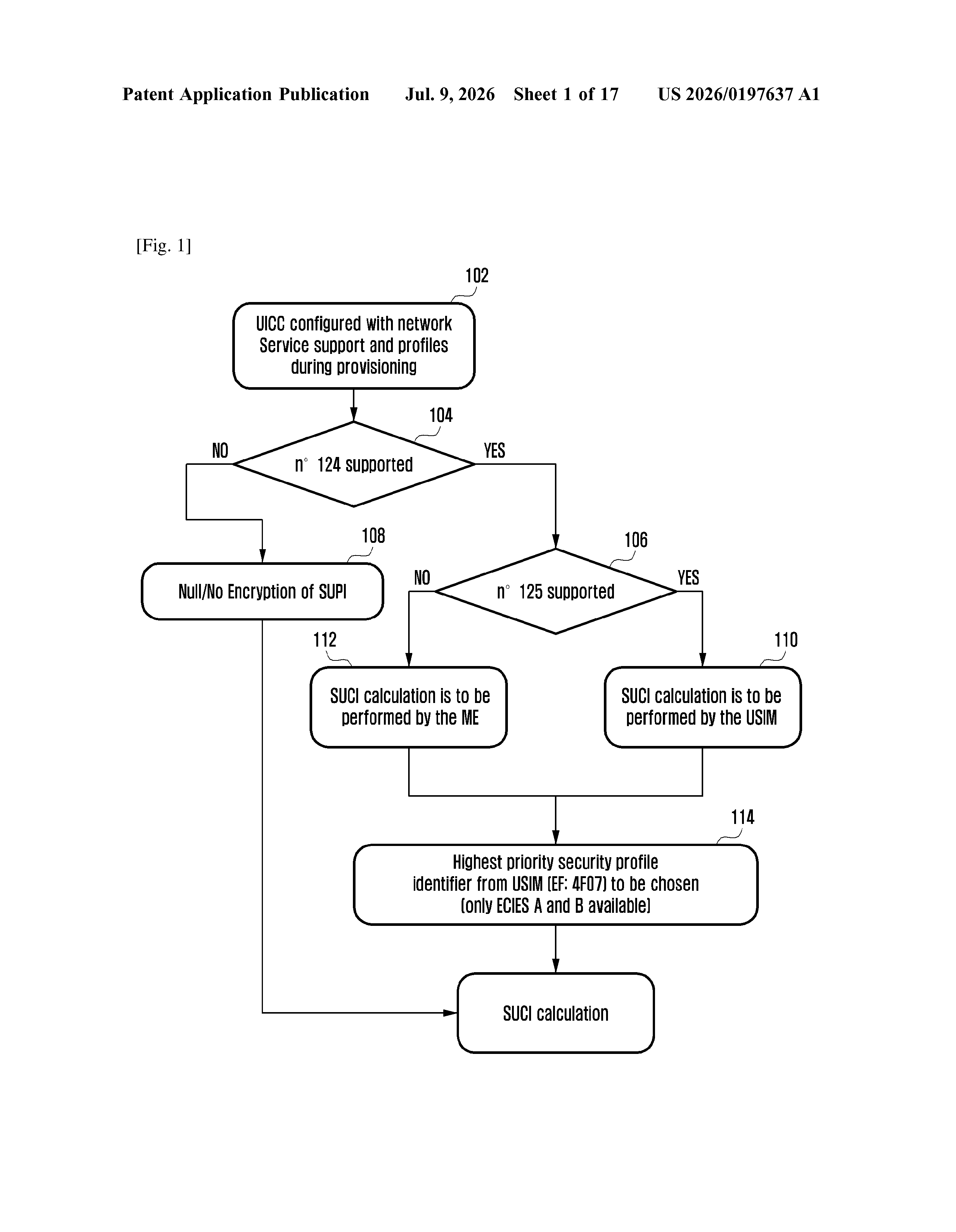
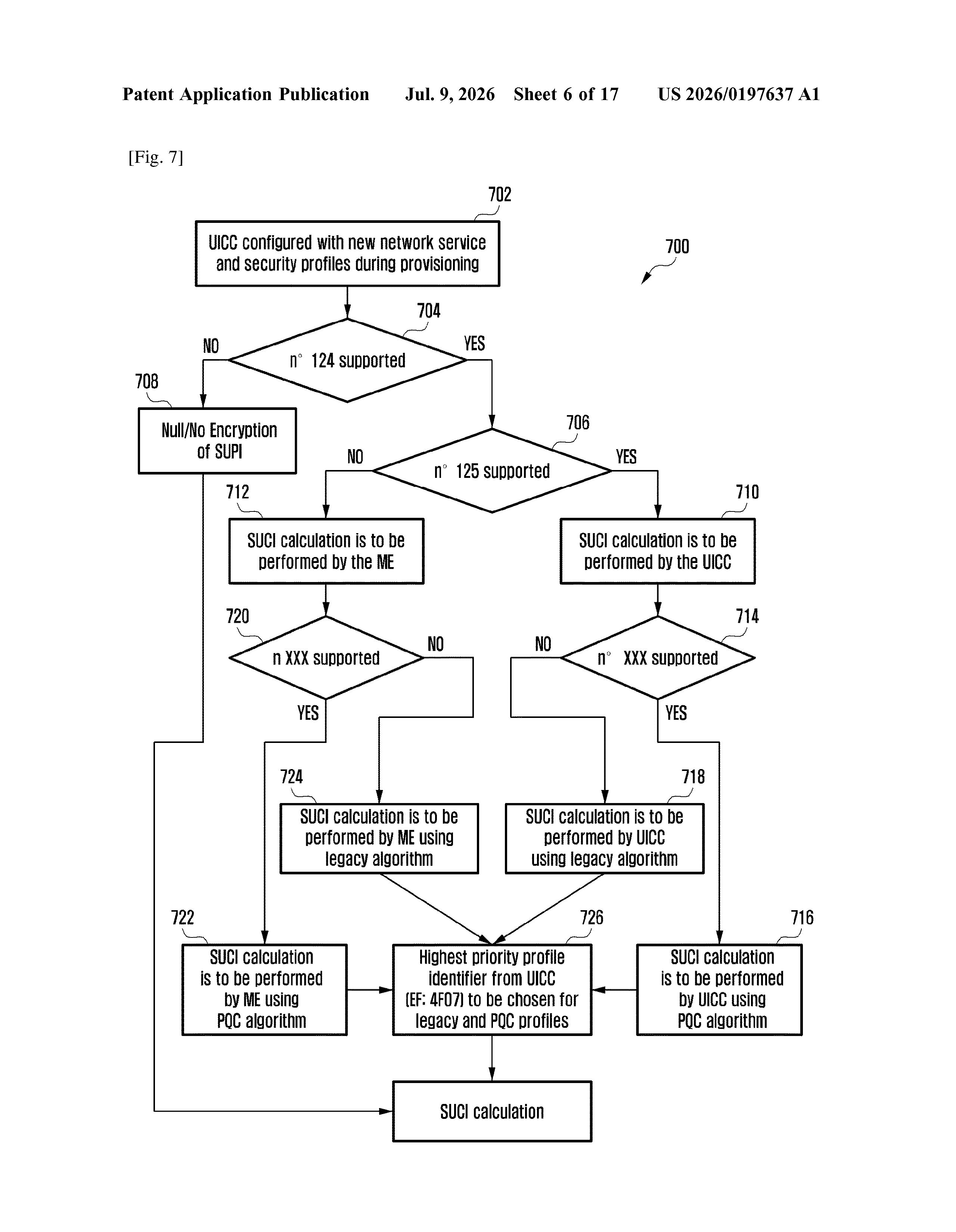
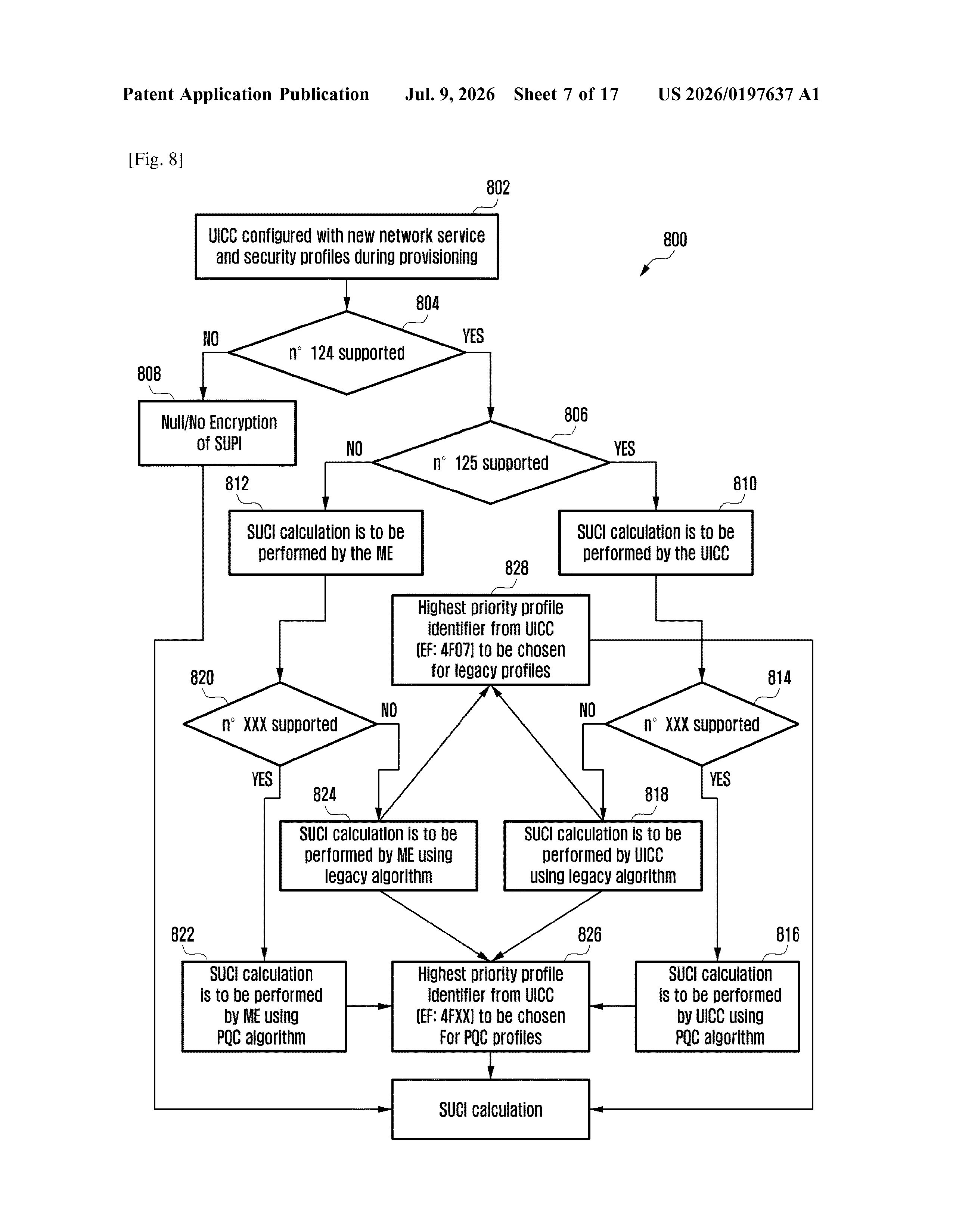
The system stores a ranked list of security profiles on the SIM card or the phone itself, and picks the best one the network supports at that moment. You wouldn't see any of this happening. It would work in the background, just like how your phone already silently selects between 4G and 5G.
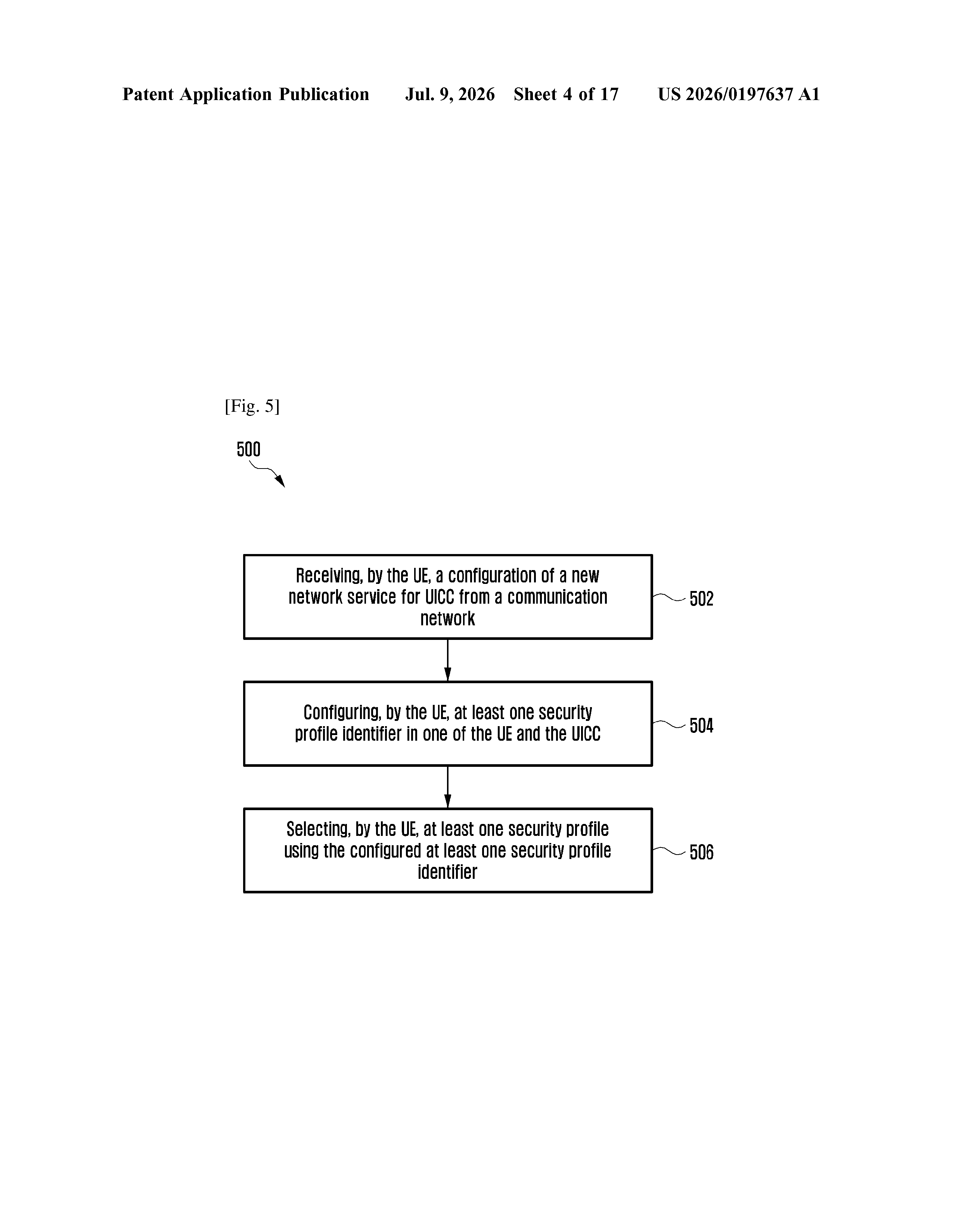
How the UE selects a post-quantum security profile
The patent describes a procedure that happens during what carriers call primary authentication, the moment your phone proves its identity to the network when you connect. Right now that process uses encryption methods that quantum computers could theoretically break.
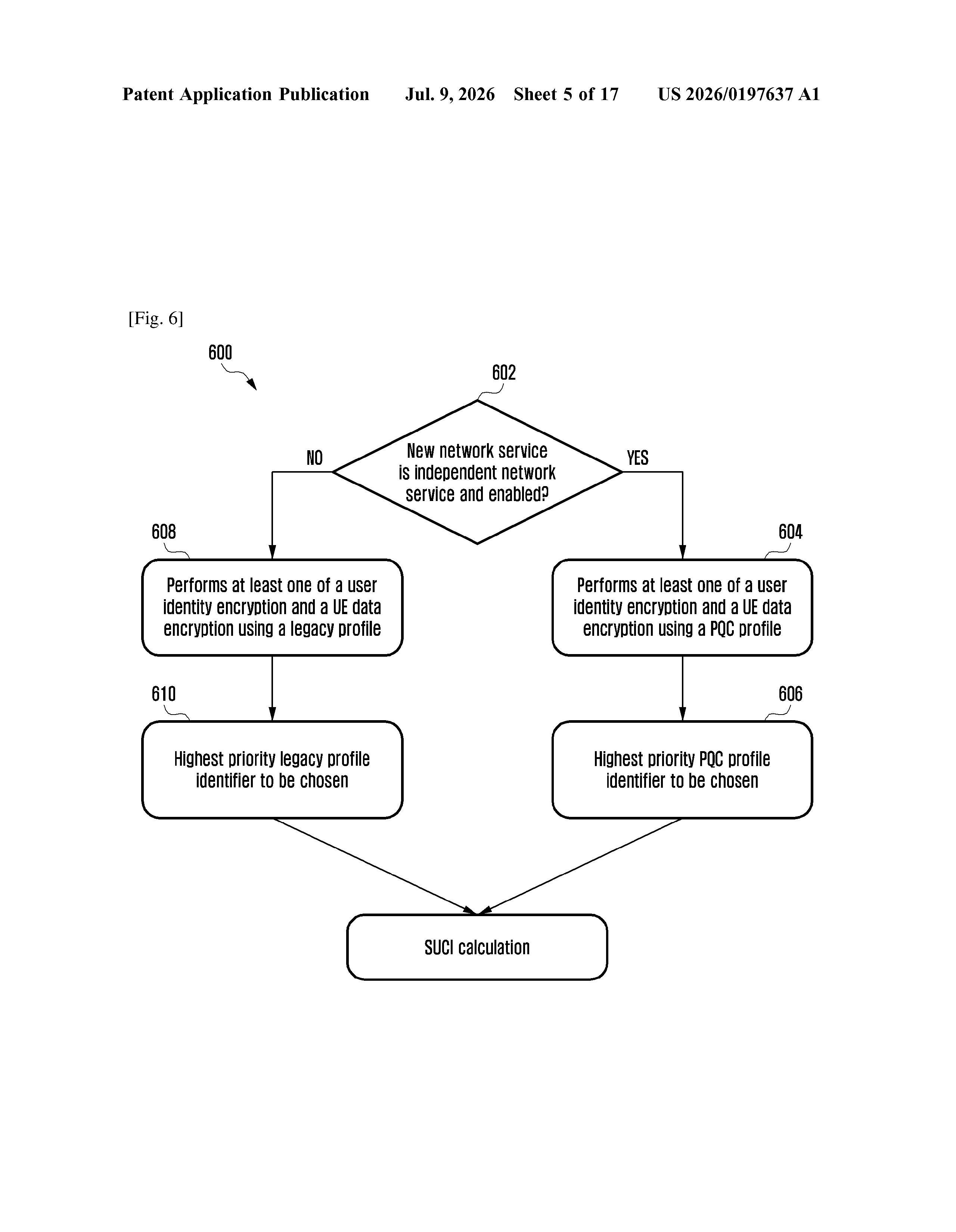
Samsung's system introduces post-quantum cryptography (PQC) security profiles, think of each profile as a different lock-and-key combination, where some are stronger than others. These profiles are stored in priority order on either the phone or the UICC (the technical name for your SIM card).
When the phone connects, the network sends configuration information signaling which profiles it supports. The phone then:
- Reads the ranked list of security profiles stored on the device or SIM
- Matches that list against what the network can handle
- Selects the highest-priority profile both sides support
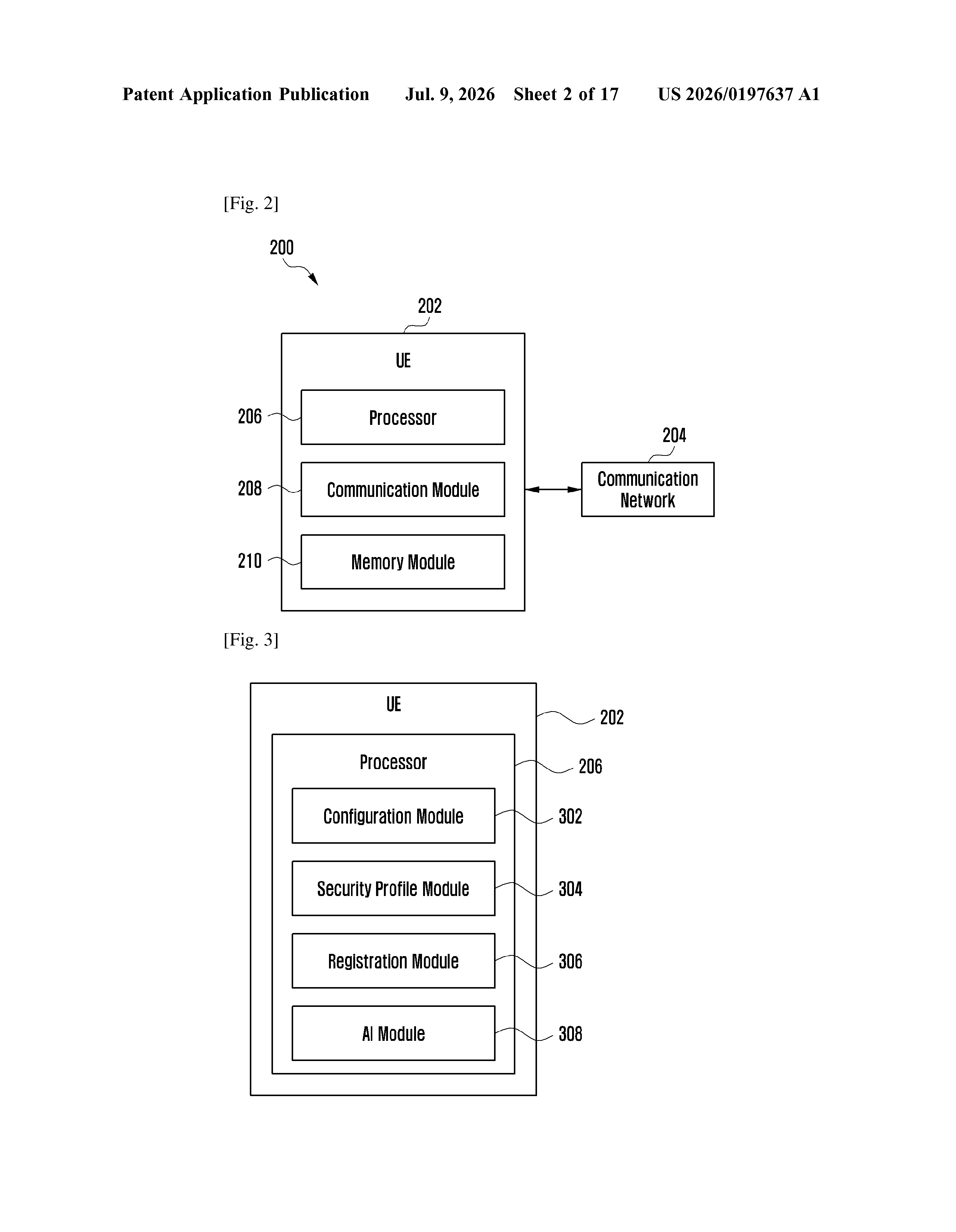
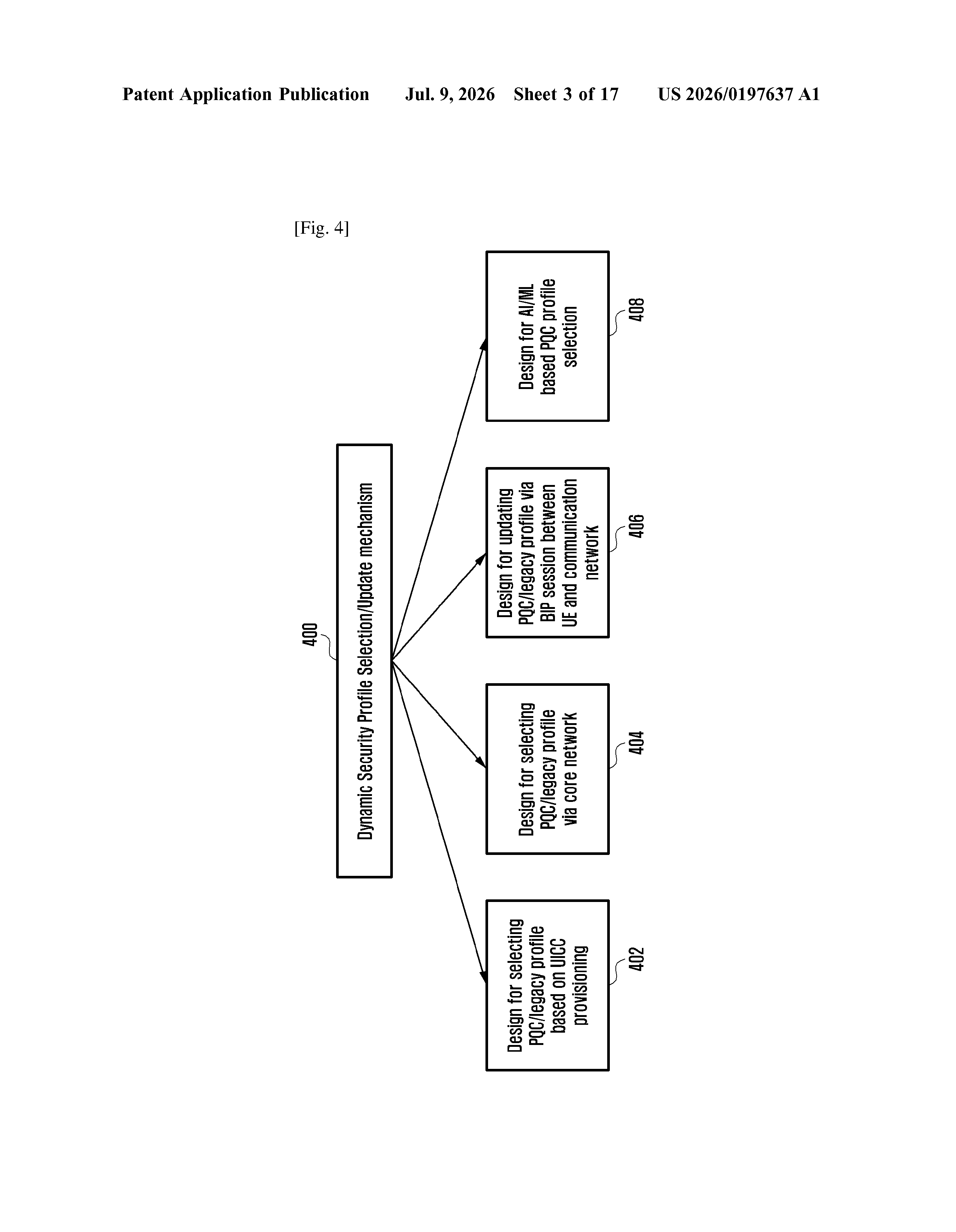
The selected profile is then used for two things: hiding your subscriber identity (so your real phone identity isn't broadcast in the clear) and encrypting the actual data flowing between your phone and the network. The mechanism can also update these profiles over the air as standards evolve, which matters because post-quantum cryptography is still being standardized by bodies like NIST.
What quantum-ready phones mean for 5G and 6G subscribers
Mobile networks are only as secure as the weakest encryption they use at the moment of connection. If the authentication handshake is vulnerable, everything that follows, calls, texts, payment confirmations, is potentially exposed. Samsung's approach bakes quantum resistance into that foundational moment, which means it could protect subscriber privacy even against adversaries collecting traffic today and hoping to decrypt it years from now.
For consumers, the practical impact depends entirely on when carriers deploy compatible network infrastructure. But for Samsung's device and chipset business, having this mechanism patented and ready positions the company to meet the quantum-security requirements that 6G standards bodies and government regulators are already beginning to draft. Enterprises and government users, who care most about long-term data confidentiality, would be the first to feel the benefit.
This is quiet but genuinely important infrastructure work. Post-quantum cryptography is transitioning from research curiosity to regulatory requirement, and the company that ships compliant hardware first has a real enterprise sales advantage. Samsung is planting a flag early, and that's the right call.
There are more where this came from
We read every patent application Big Tech publishes and send you the ones worth knowing. Plain English, free, every week.
The drawings
17 drawing sheets from US 2026/0197637 A1 · click any drawing to enlarge
Want this weekly breakdown for a company we don't cover? Patentlyze Pro →
Be the first to weigh in