
Samsung Patents Technology That Restores Photos More Sharply at Any File Size
Squeezing images down for storage or streaming always involves a tradeoff between file size and quality. Samsung's new patent describes a neural-network decoder that reads which quality level was used during compression and adjusts its reconstruction process accordingly, rather than applying one fixed approach to everything.
What Samsung's AI image decoding actually does
Imagine you're sending a photo over a slow connection. Your phone compresses it, throwing away some detail to make the file smaller. When the photo arrives on the other end, software has to reconstruct it as faithfully as possible. The problem is that different amounts of compression require different reconstruction strategies, and most systems use a one-size-fits-all approach.
Samsung's patent describes a decoder that knows how aggressively the image was compressed in the first place. It reads a small tag in the file that says which compression level was used, then feeds that information into its neural network so the reconstruction logic can be tuned to match.
The result is that the AI rebuilding your image isn't flying blind. It knows whether it's working with a lightly compressed file that still has lots of detail or a heavily compressed one that needs more creative gap-filling. Samsung is essentially teaching its decoder to pick the right tool for the job rather than always using the same one.
How the neural network adjusts for each compression step
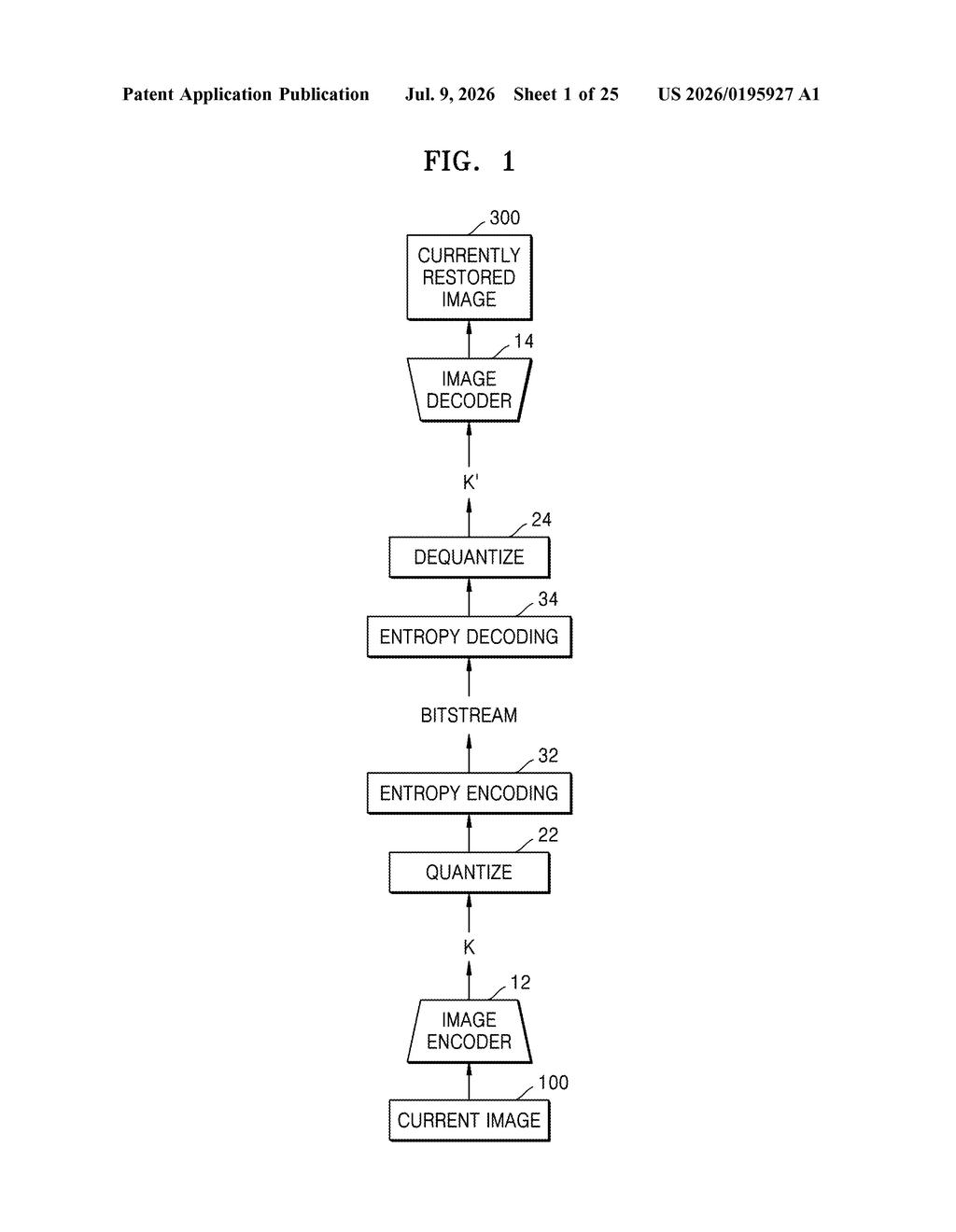
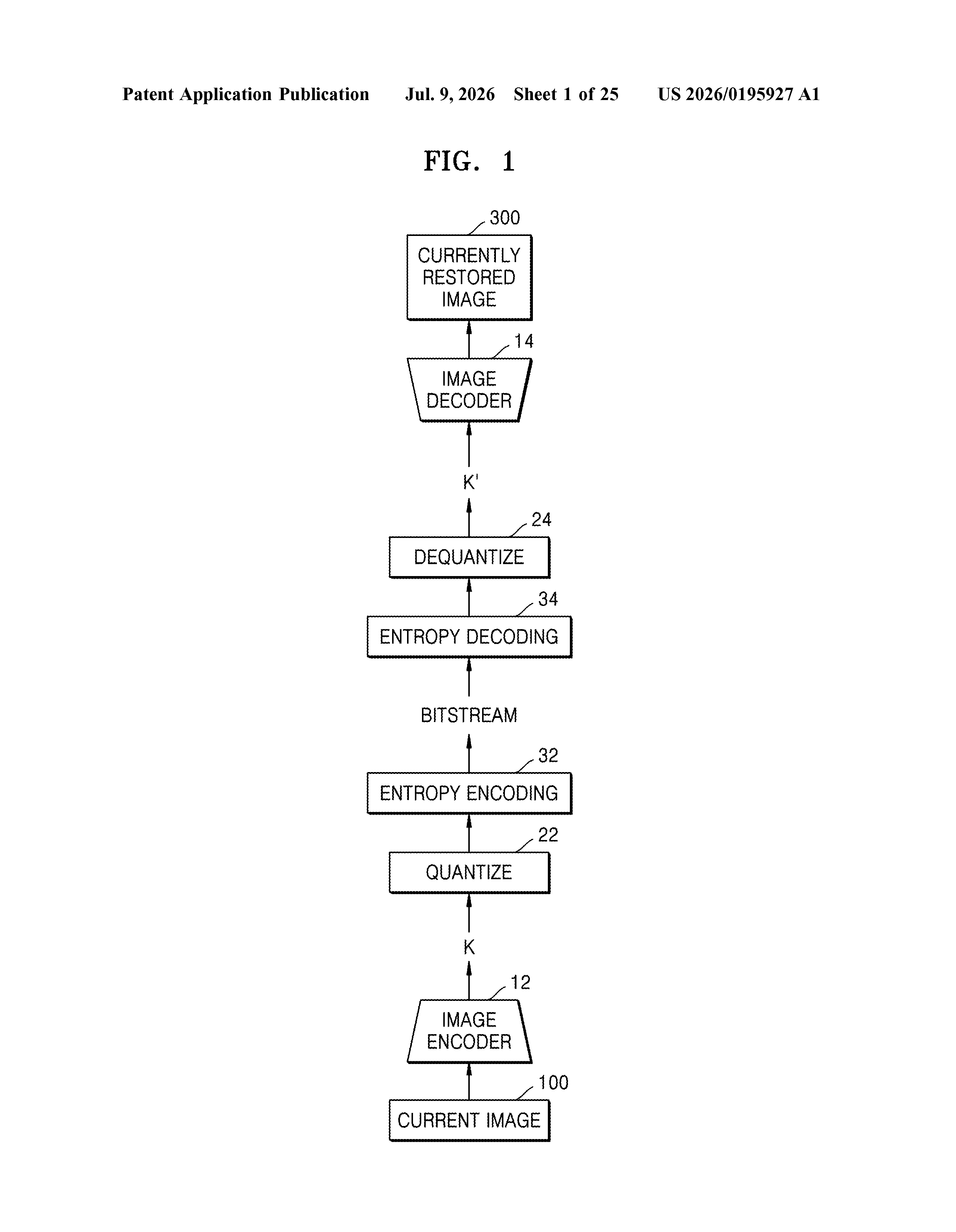
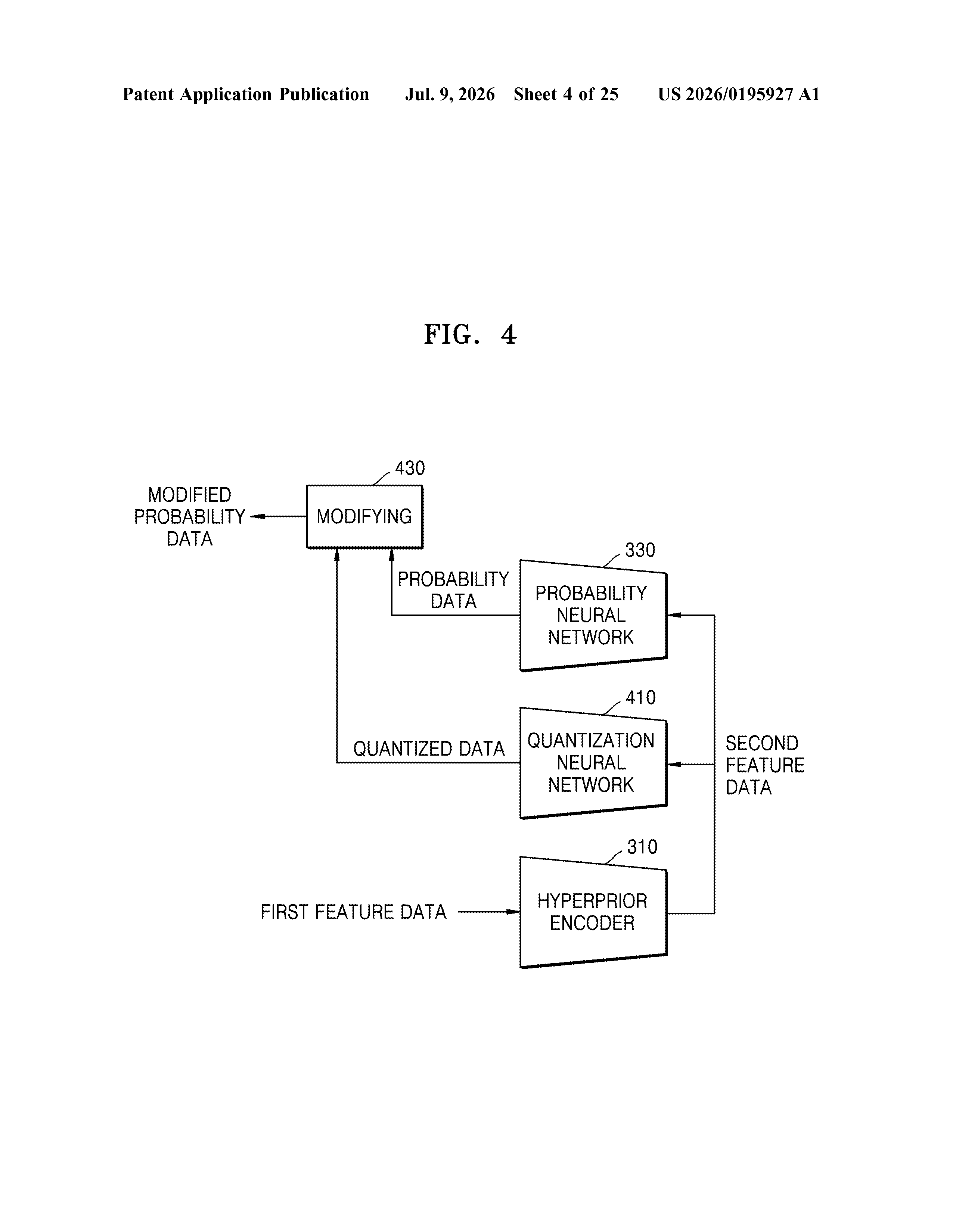
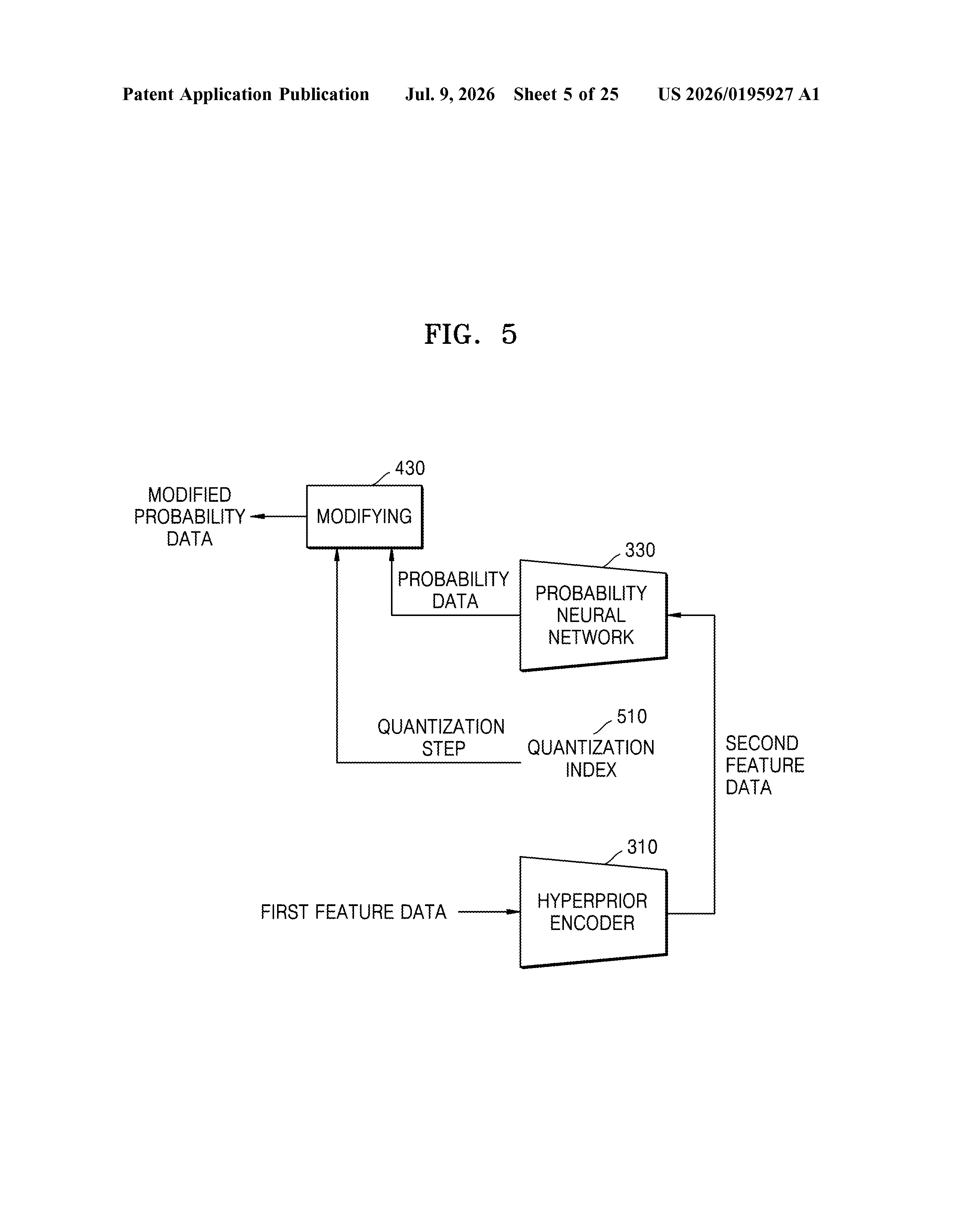
The patent describes a pipeline for decoding images that were compressed using a neural-network encoder. The decoder receives a bitstream (the compressed file) that contains two things: the main compressed data and a small index number called a quantization index.
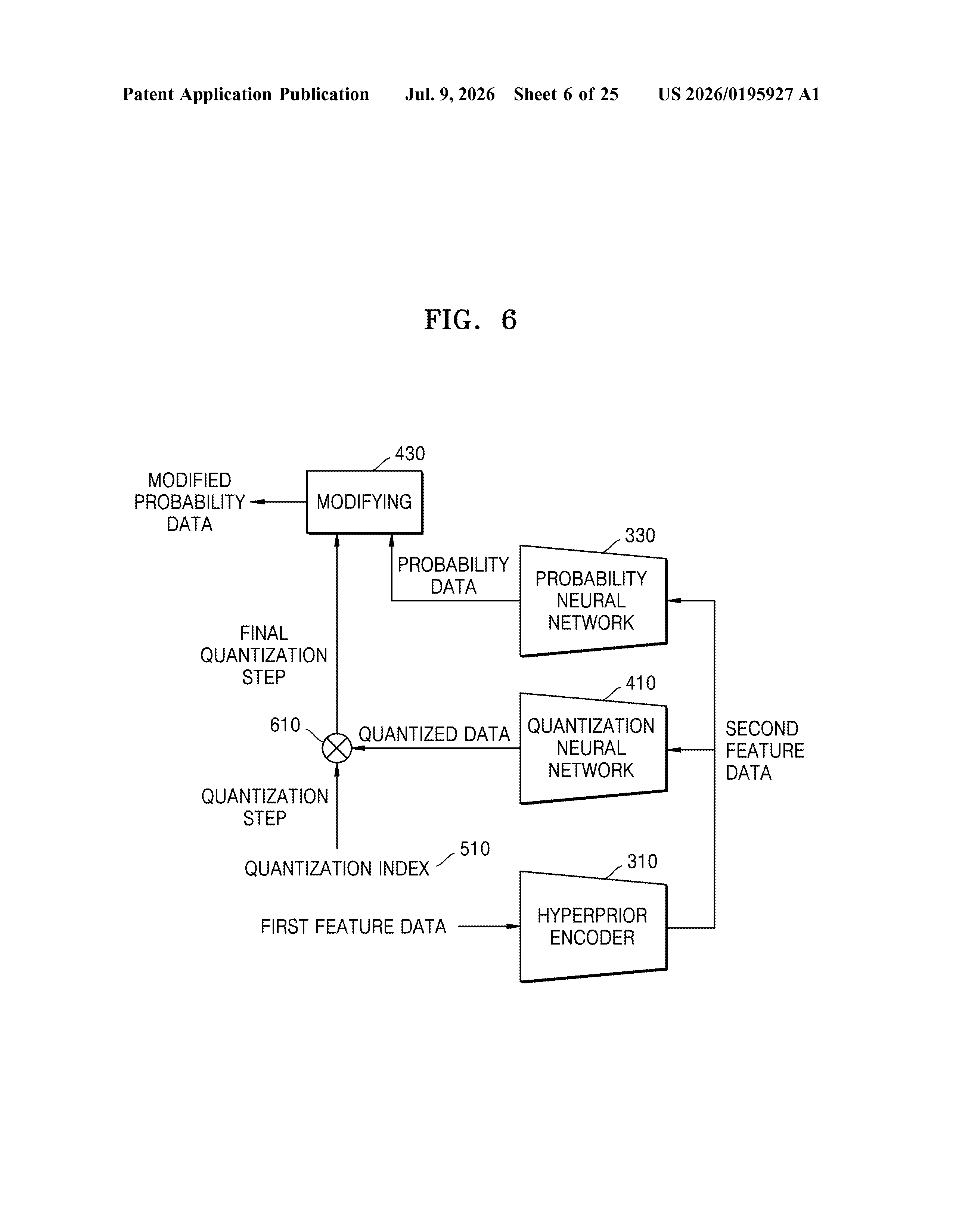
Quantization is the step during compression where continuous values get rounded to a smaller set of discrete values, similar to rounding every price to the nearest dollar instead of tracking cents. The index tells the decoder which rounding level was used, from a menu of several preset options.
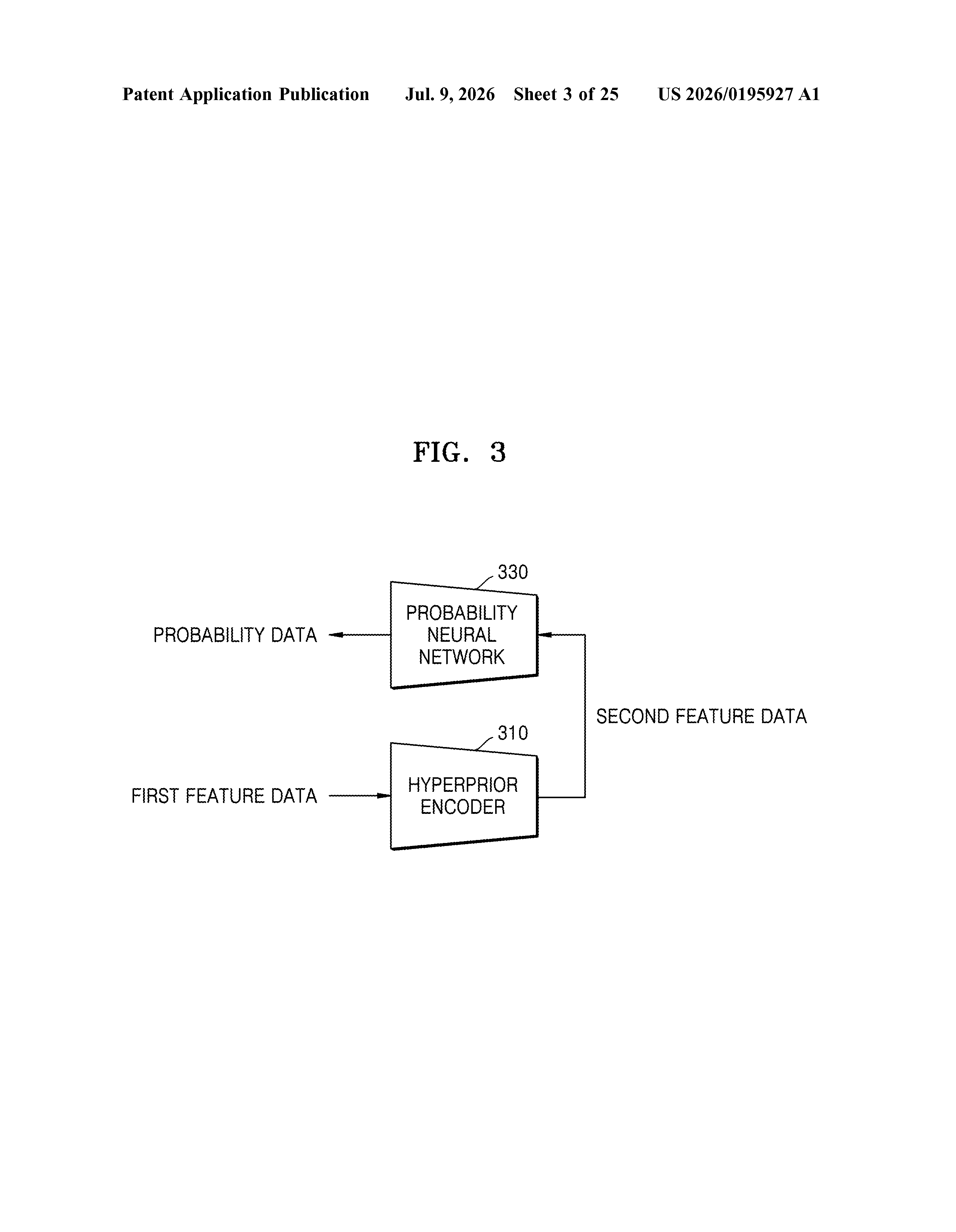
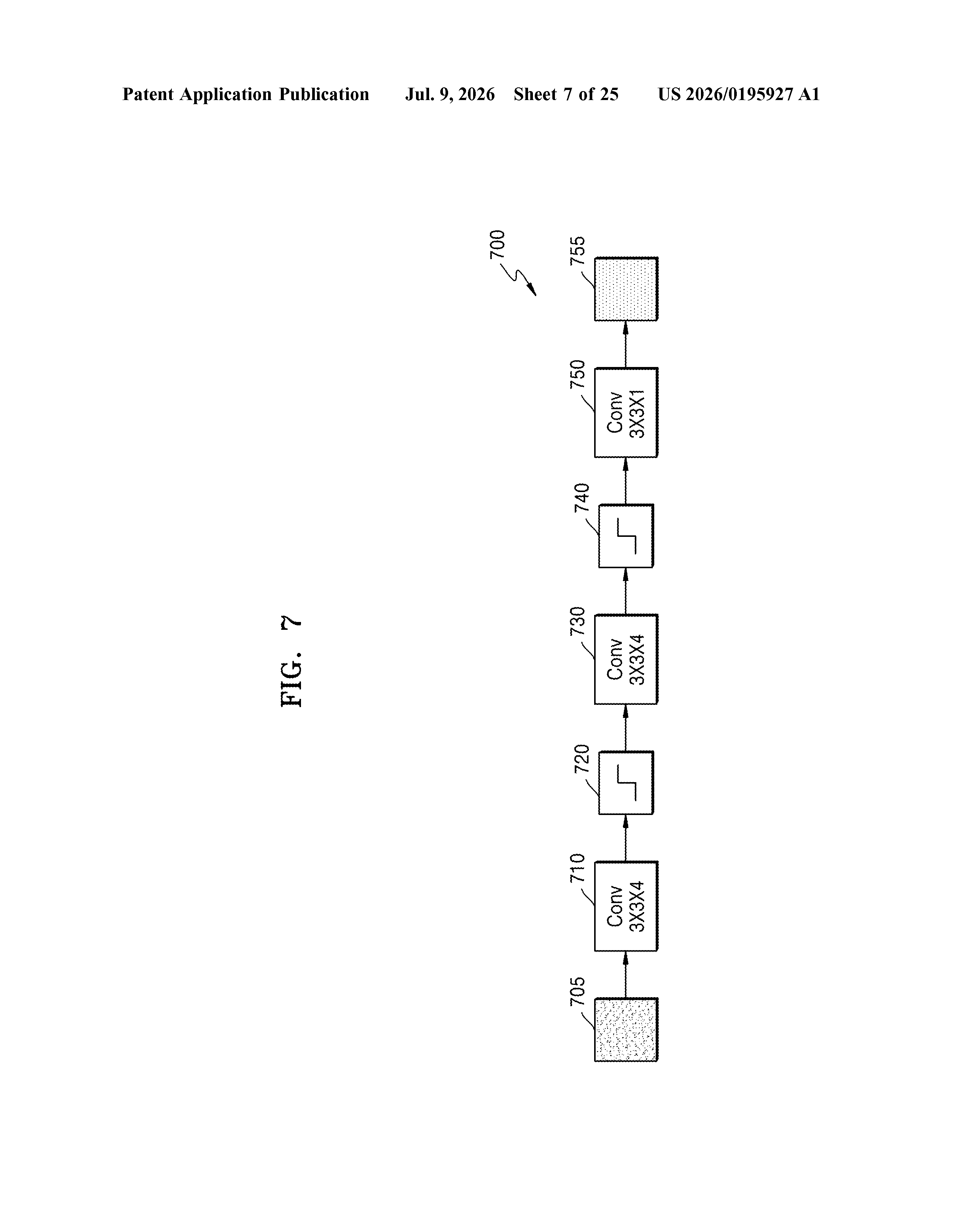
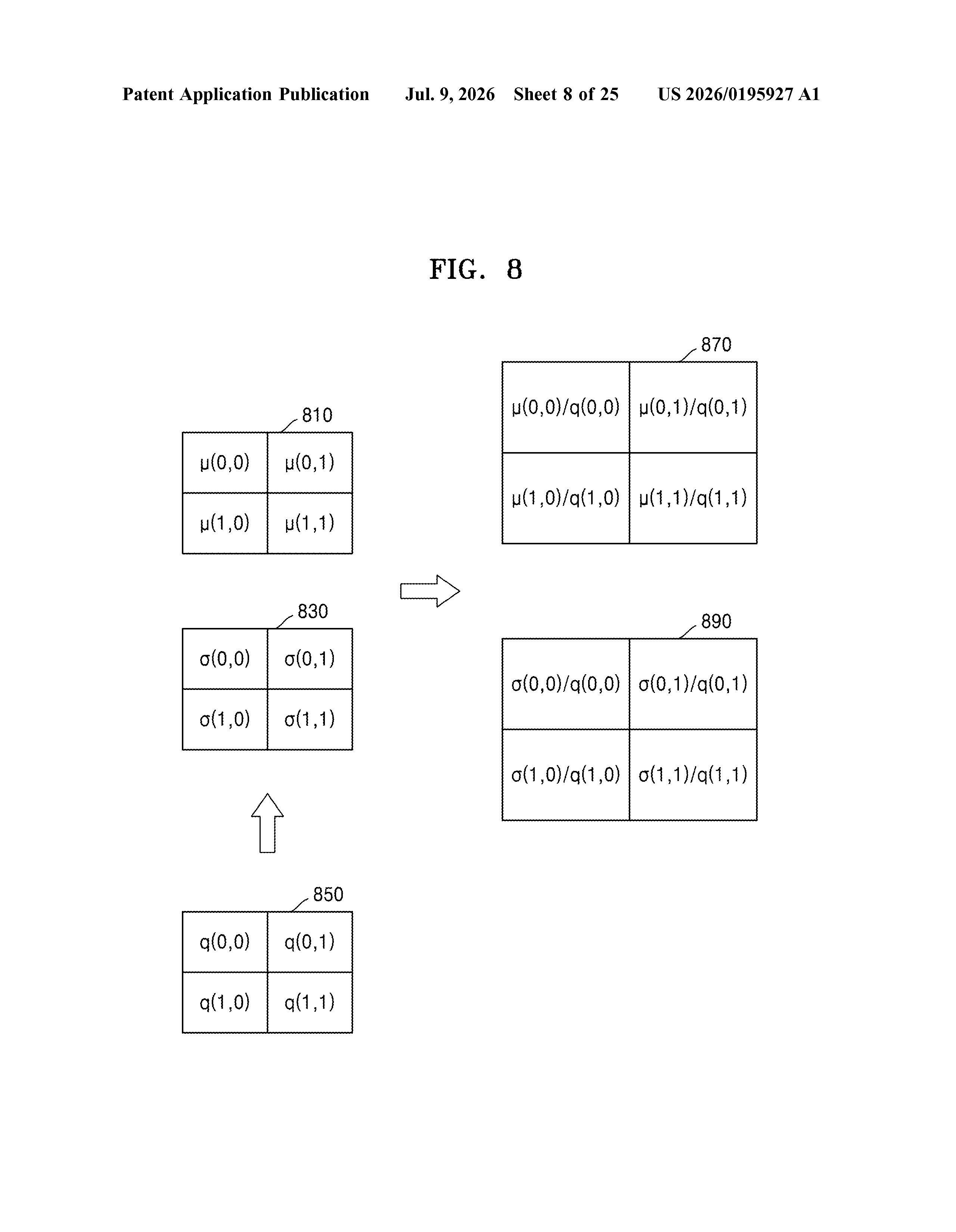
The decoder uses a first neural network to generate probability data, essentially a set of educated guesses about what values are most likely hiding in the compressed bits. Critically, those probability estimates are then modified based on the quantization step before entropy decoding (a lossless unpacking step) is applied. This matters because the probability distribution of values changes depending on how coarsely they were rounded.
Once the data is unpacked, a second dequantization step reverses the rounding using the same step size, and a final neural network reconstructs the actual image pixels. The key innovation is that both the probability model and the dequantization step are informed by the same quality-level index, keeping the whole pipeline consistent.
What this means for AI-based video and image compression
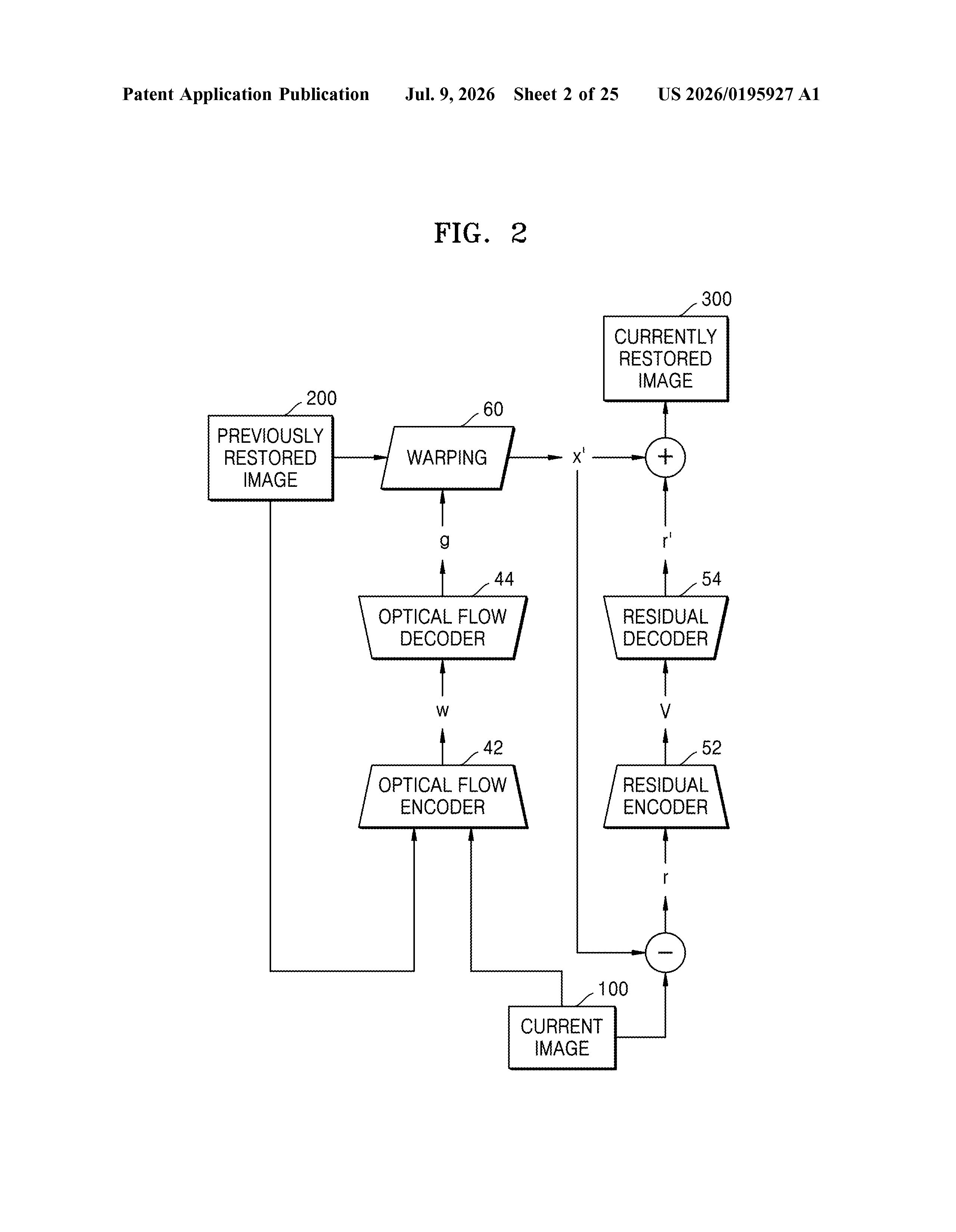
AI-based image and video compression is becoming a serious alternative to traditional codecs like JPEG and H.265. Companies including Google, Meta, and Samsung are all investing in neural codecs, and one of their persistent weak points has been handling multiple quality levels efficiently. Most early systems trained a separate model for each quality setting, which wastes storage and compute.
If Samsung's approach works in practice, a single decoder model could handle the full range of quality settings by reading that index tag, which would make neural image compression far more practical for real devices. That has implications for everything from video streaming apps to the image pipelines inside your phone's camera, where storage and bandwidth constraints are a daily reality.
This is solid incremental work on a real problem in AI-based compression, not a flashy consumer feature. The idea of feeding compression-level metadata back into the probability model is sensible engineering, and it addresses a known gap in neural codecs. It won't ship as a headline feature, but it's the kind of foundational patent that matters if Samsung wants to compete with established codec standards using AI-native approaches.
Get our take in your Top Stories
Liked this breakdown? Add Patentlyze as a preferred source on Google, and our plain-English take shows up more often in your Top Stories the next time Samsung patent news breaks.
There are more where this came from
We read every patent application Big Tech publishes and send you the ones worth knowing. Plain English, free, every week.
The drawings
25 drawing sheets from US 2026/0195927 A1 · click any drawing to enlarge
Want this weekly breakdown for a company we don't cover? Patentlyze Pro →