
IBM Patents an AI System That Watches Digital Assets for Misuse in Real Time
IBM has patented a system where an AI model learns what your company's digital assets normally look like — and automatically steps in when something goes wrong. Think of it as a security guard that already knows every file's job description.
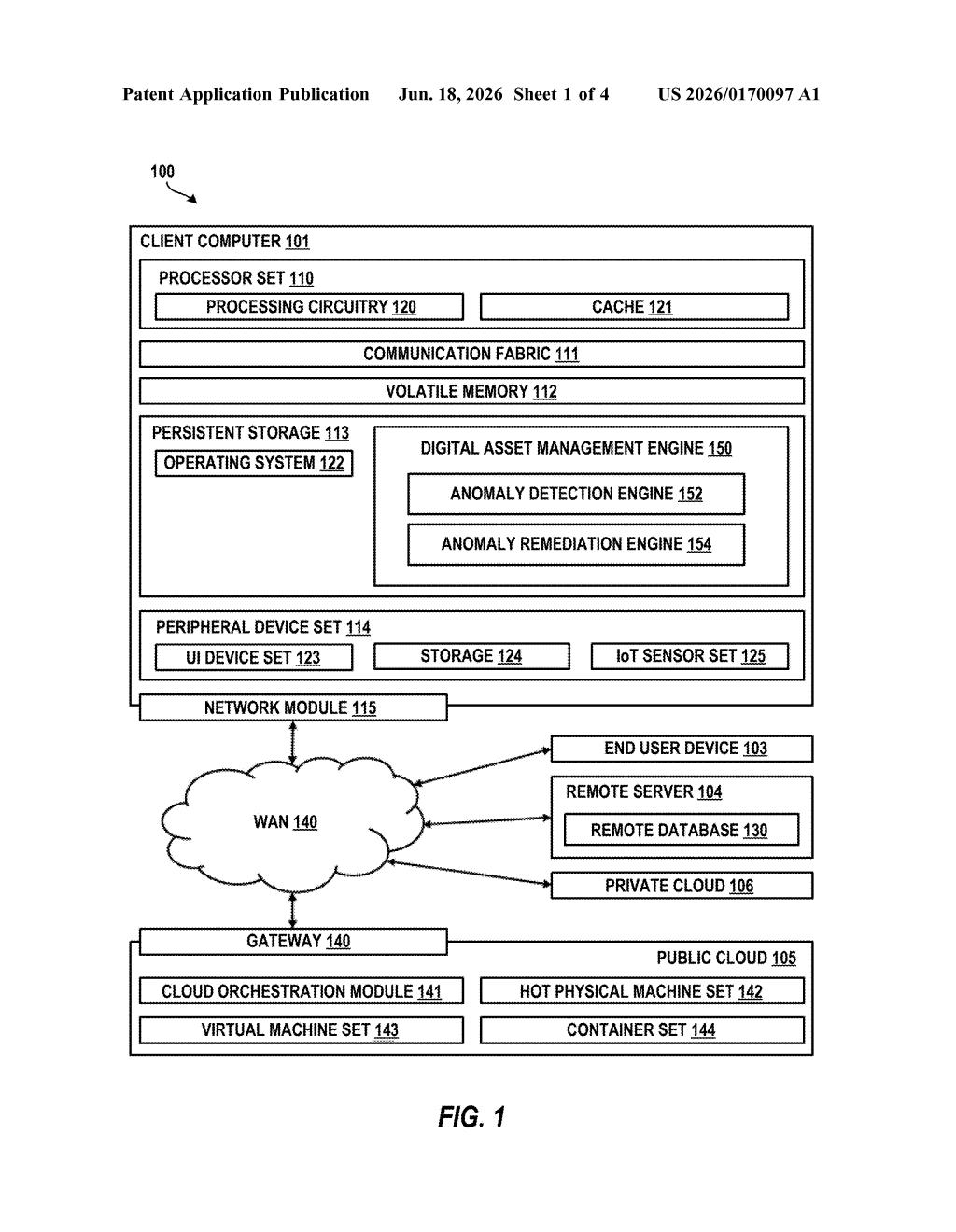
What IBM's digital asset watchdog actually does
Imagine your company has thousands of files, images, documents, and data assets scattered across systems. Right now, keeping track of what those assets are and how they're being used is mostly a manual, error-prone job. IBM's patent describes a system that changes that.
The idea is to train an AI to read and label each digital asset with descriptive tags — basically giving every file a detailed ID card that explains its purpose and context. The AI then watches how each asset gets used day-to-day and flags anything that looks out of place, like a file being accessed in an unusual way or by an unexpected user.
When the AI spots something suspicious enough, it doesn't just send an alert — it generates a real-time fix, automatically. That could mean blocking access, quarantining a file, or notifying a security team. The threshold for what counts as "suspicious enough" is configurable, so companies can tune the sensitivity to fit their needs.
How the AI tags, detects, and responds to anomalies
The patent describes a three-stage pipeline built around a purpose-trained AI model:
- Tagging: The AI model is trained to automatically label digital assets — files, images, data records, software components — with descriptive contextual tags. These tags encode information about what the asset is, what it's used for, who normally touches it, and under what conditions. Think of it as automated metadata enrichment.
- Anomaly detection: When an asset is used, the system analyzes that usage against its known tags. If the behavior deviates — say a sensitive financial document is accessed at 3 a.m. from an unfamiliar location — the AI flags it as an anomaly.
- Threshold-gated remediation: Not every anomaly triggers a response. The system checks whether the severity of the anomaly exceeds a configurable sensitivity threshold. If it does, the AI generates a real-time remediation action — an automated corrective step, such as revoking access or issuing an alert.
The CPC classification (726/26) places this squarely in fraud detection and unauthorized-use prevention territory. The key differentiator IBM is claiming is that the same AI model handles tagging, detection, and response — rather than three separate tools stitched together.
What this means for enterprise data security
Enterprise security teams spend enormous time chasing down who touched what and why. Most tools detect problems after the fact. IBM's approach — if it works as described — would let organizations get ahead of misuse rather than investigate it later. That's meaningful for industries like finance, healthcare, and government, where a single improperly accessed file can trigger regulatory consequences.
For everyday users, this patent is about what happens behind the scenes when you work for a large organization. The files you create or access could one day be watched by an AI that decides in real time whether your behavior looks normal. That raises legitimate questions about workplace surveillance that the patent doesn't address — but that any company deploying this would need to.
This is a solid, practical security patent — not flashy, but the kind of infrastructure work that large enterprises actually need. IBM is already deep in enterprise AI with watsonx, and a system like this fits naturally into that portfolio. Whether the "same model does everything" architecture holds up against real-world complexity is the real question.
There are more where this came from
We read every patent application Big Tech publishes and send you the ones worth knowing. Plain English, free, every week.
Want this weekly breakdown for a company we don't cover? Patentlyze Pro →