
Samsung Patents a Radio Chip That Drops Into Low-Power Mode on Its Own
Your phone's radio chip burns power constantly, even when it's barely doing anything. Samsung's new patent describes a way to automatically dial that down without you noticing.
What Samsung's automatic radio power-switching actually does
Imagine your phone's Wi-Fi or 5G radio as a car engine idling at full throttle even when you're just sitting in a parking lot. It's ready for action, but it's burning fuel you didn't need to burn.
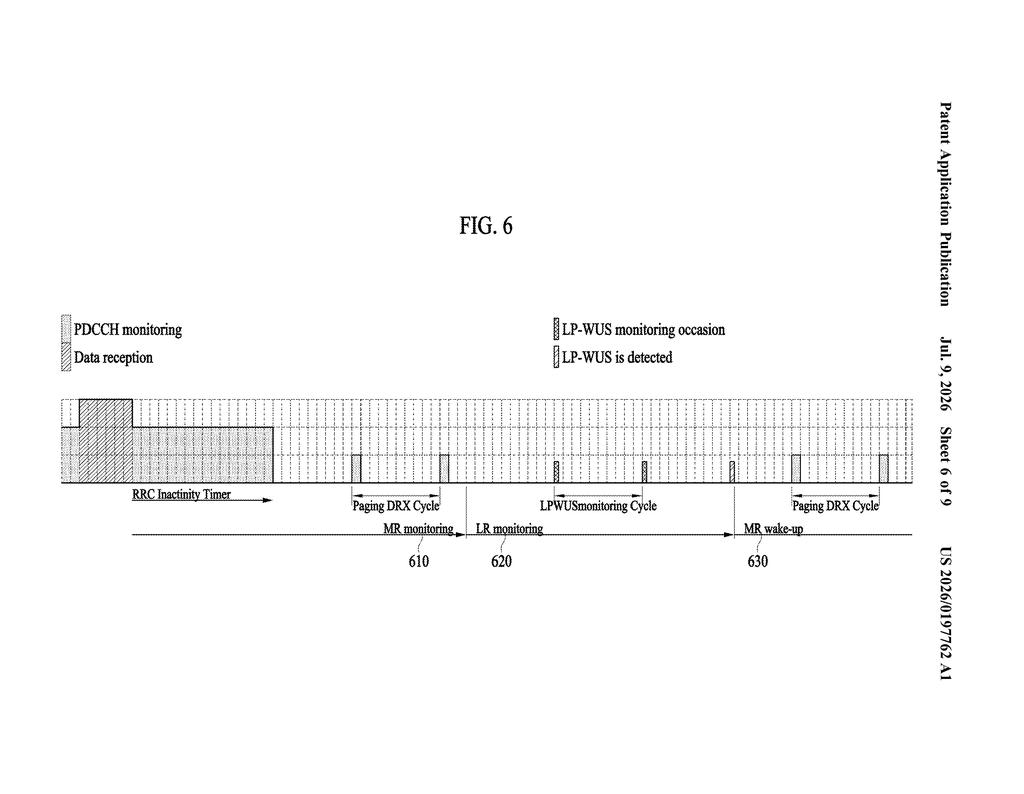
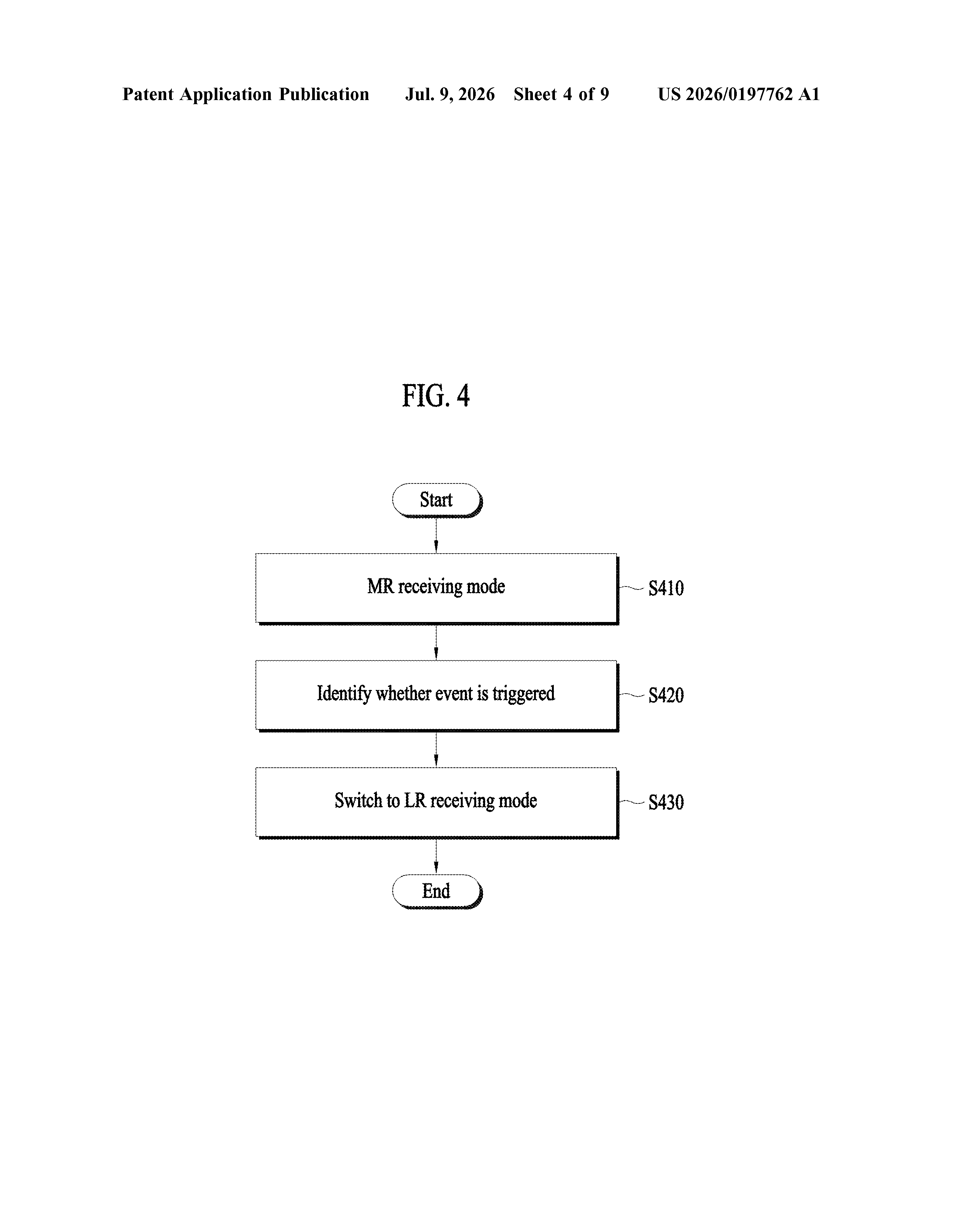
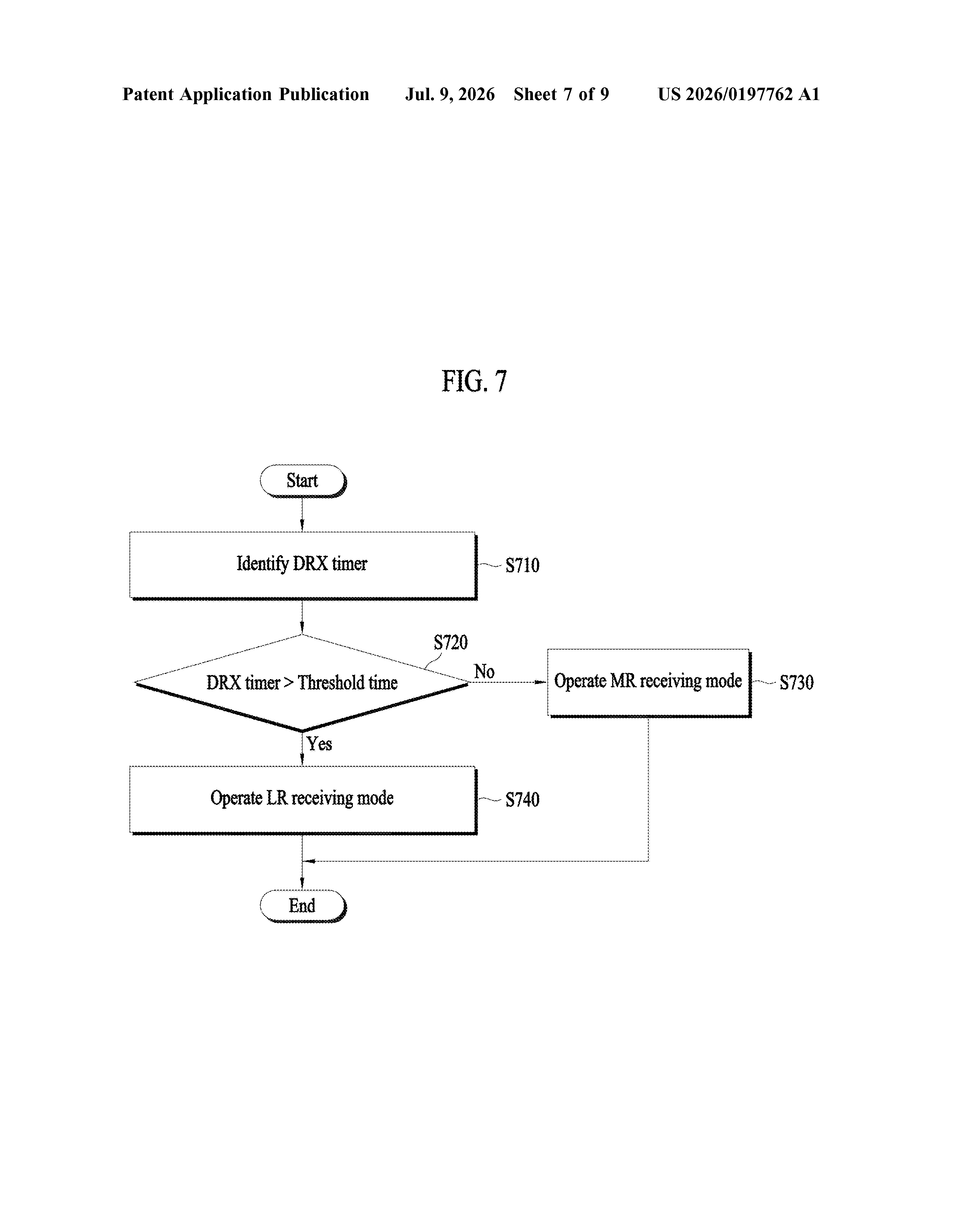
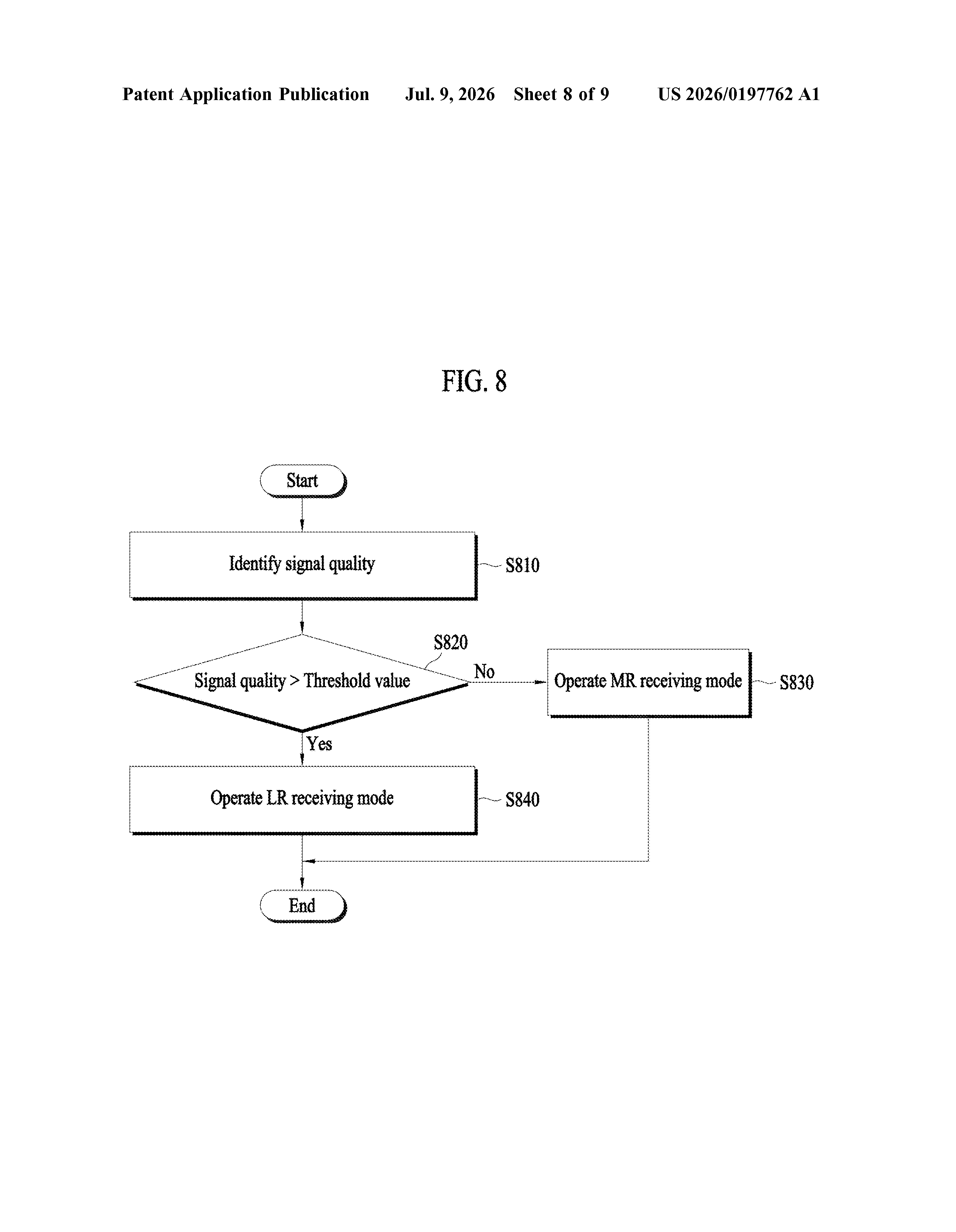
Samsung's patent describes a chip design that can recognize when conditions are right to switch into a lighter, lower-power receiving mode. Instead of running the full radio hardware all the time, the system watches for specific trigger events, and when one fires, it hands off signal processing to a smaller, more efficient circuit.
The idea is that your phone does this switch automatically, in the background, without any input from you. When the radio is not doing heavy lifting, it runs lean. When it needs full power again, it switches back. The goal is squeezing more battery life out of the wireless radios that are one of the biggest drains on a modern phone.
How the transceiver decides when to flip into low-power mode
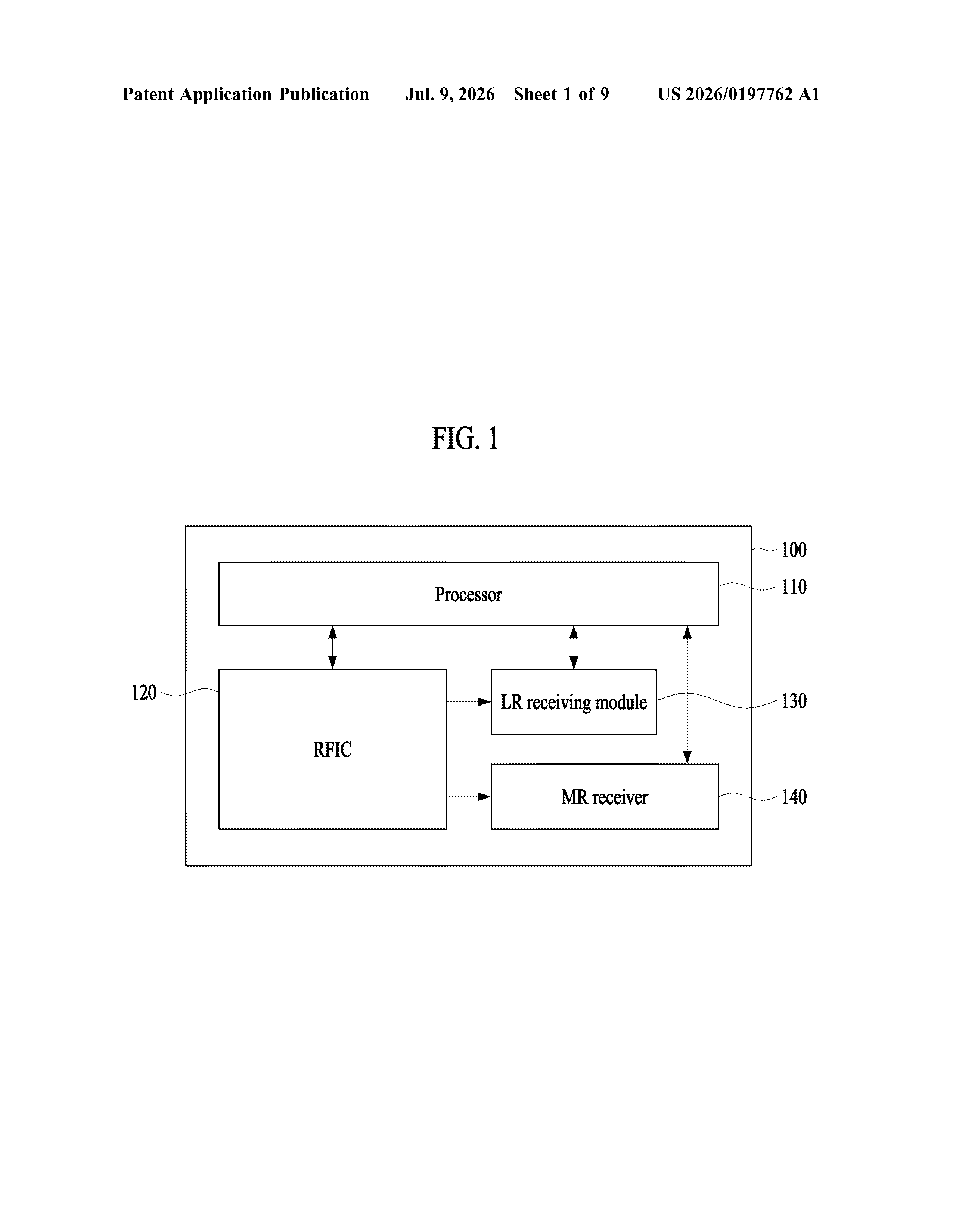
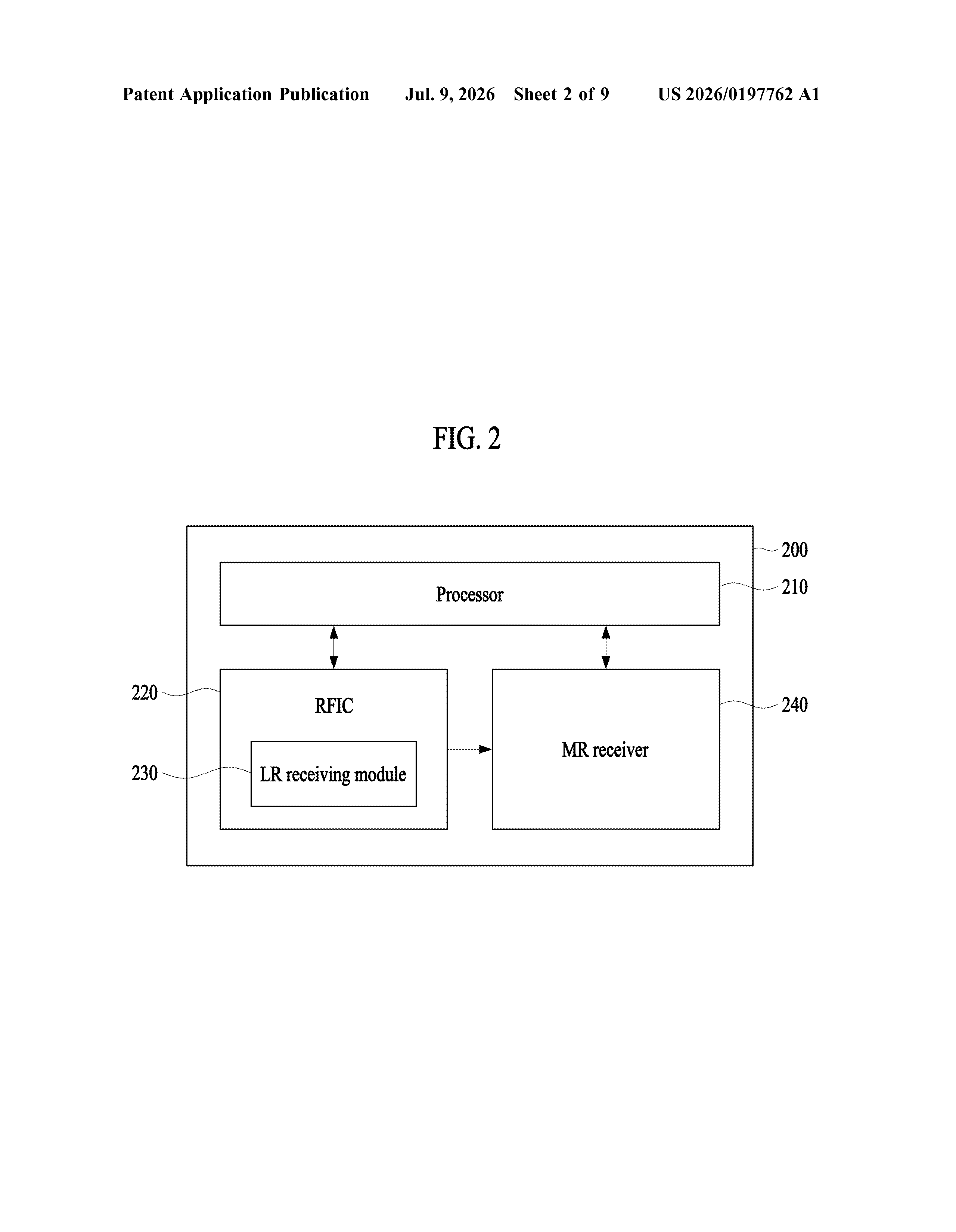
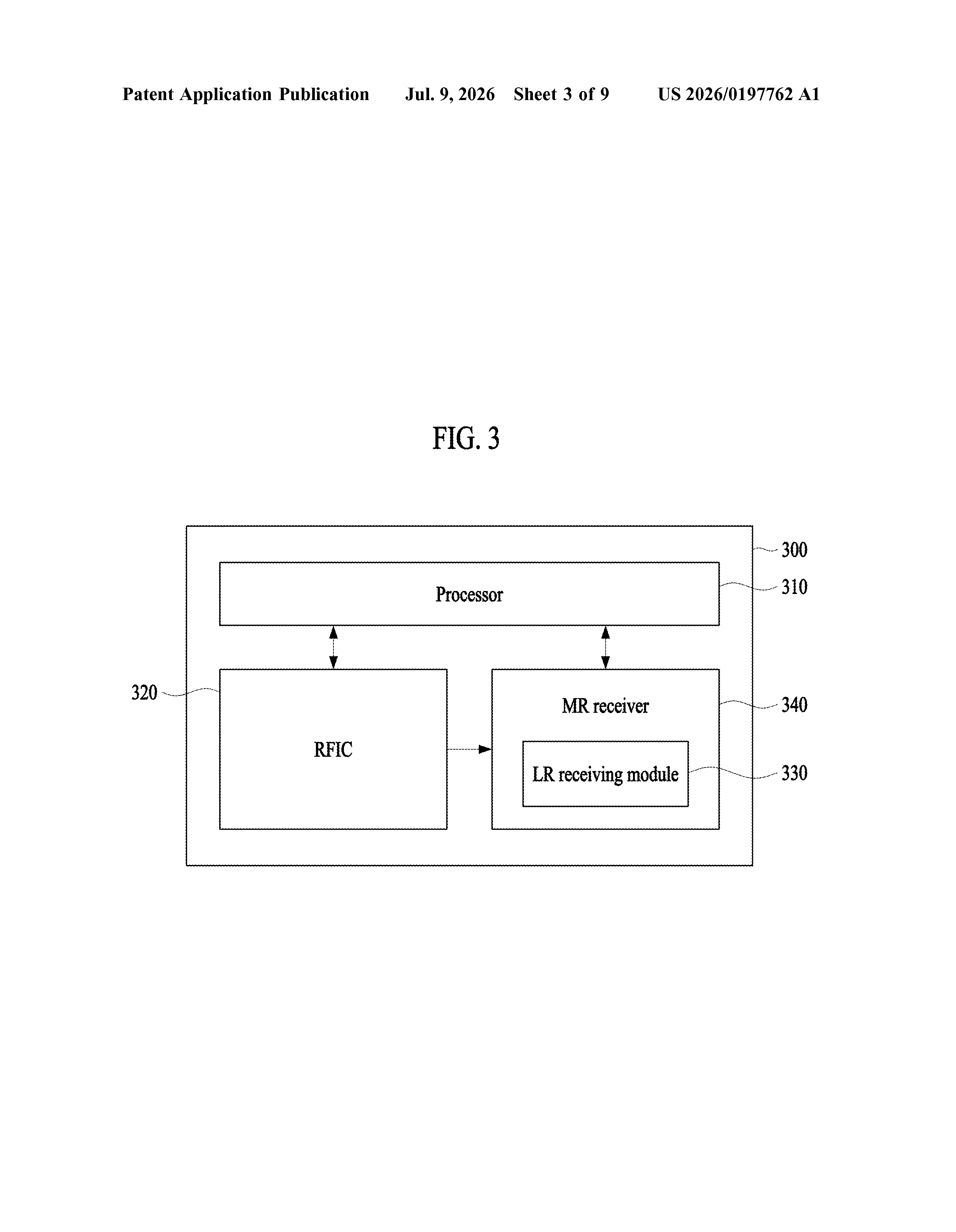
The patent describes a transceiver (the combined send-and-receive radio hardware inside a phone or other wireless device) built around three main parts:
- A radio frequency integrated circuit (RFIC), the chip that actually handles wireless signals over the air.
- A main radio (MR) receiver, which takes the raw signal from the RFIC and converts it into digital data the phone can use.
- A processor that oversees both and decides when to change modes.
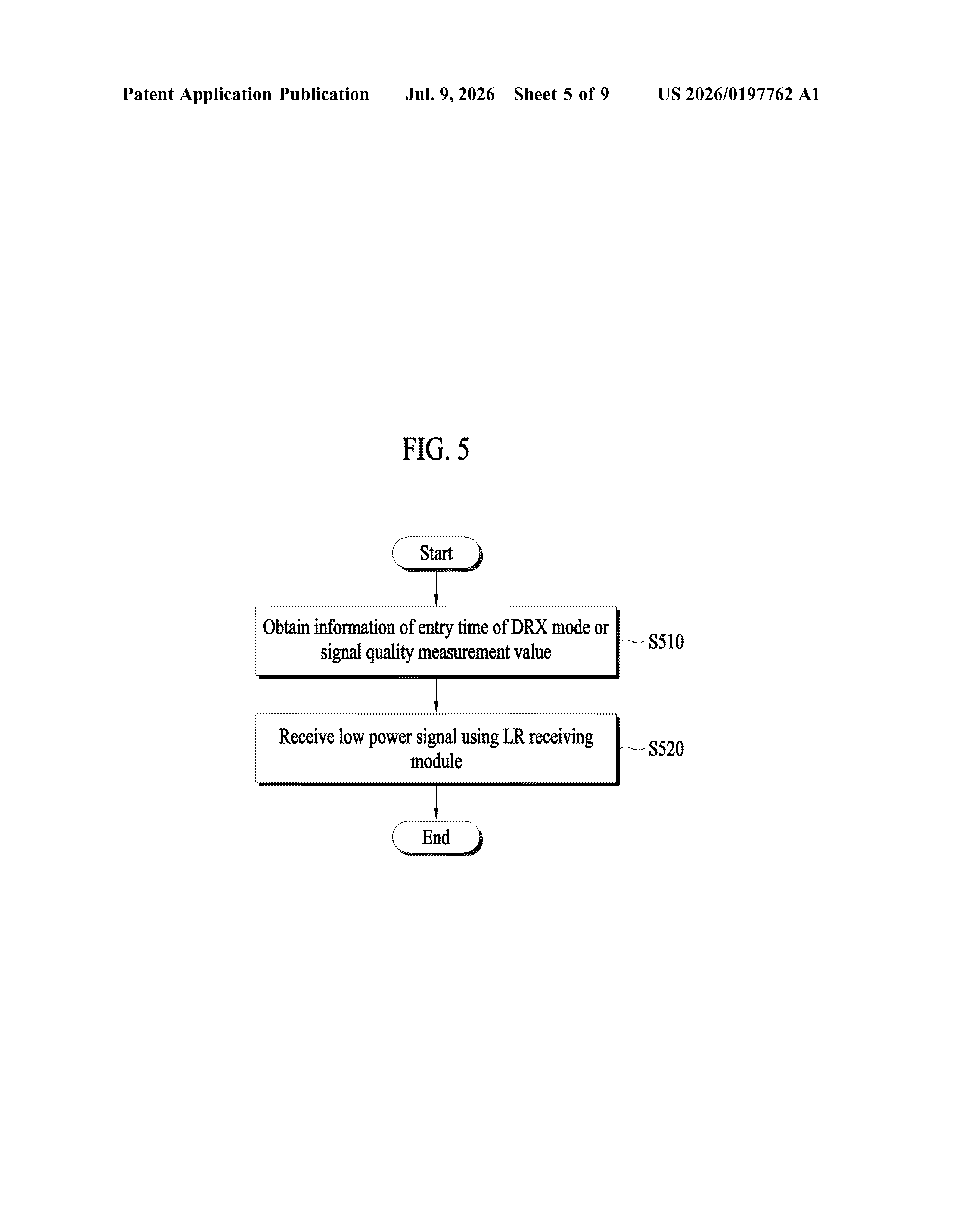
The key behavior is the processor's ability to monitor for a specific trigger event, a predefined condition that signals the radio doesn't need to run at full capacity right now. When that event fires, the processor hands signal processing off to a low power radio (LR) receiving circuit, a separate, simpler circuit designed to do a lighter job at lower energy cost.
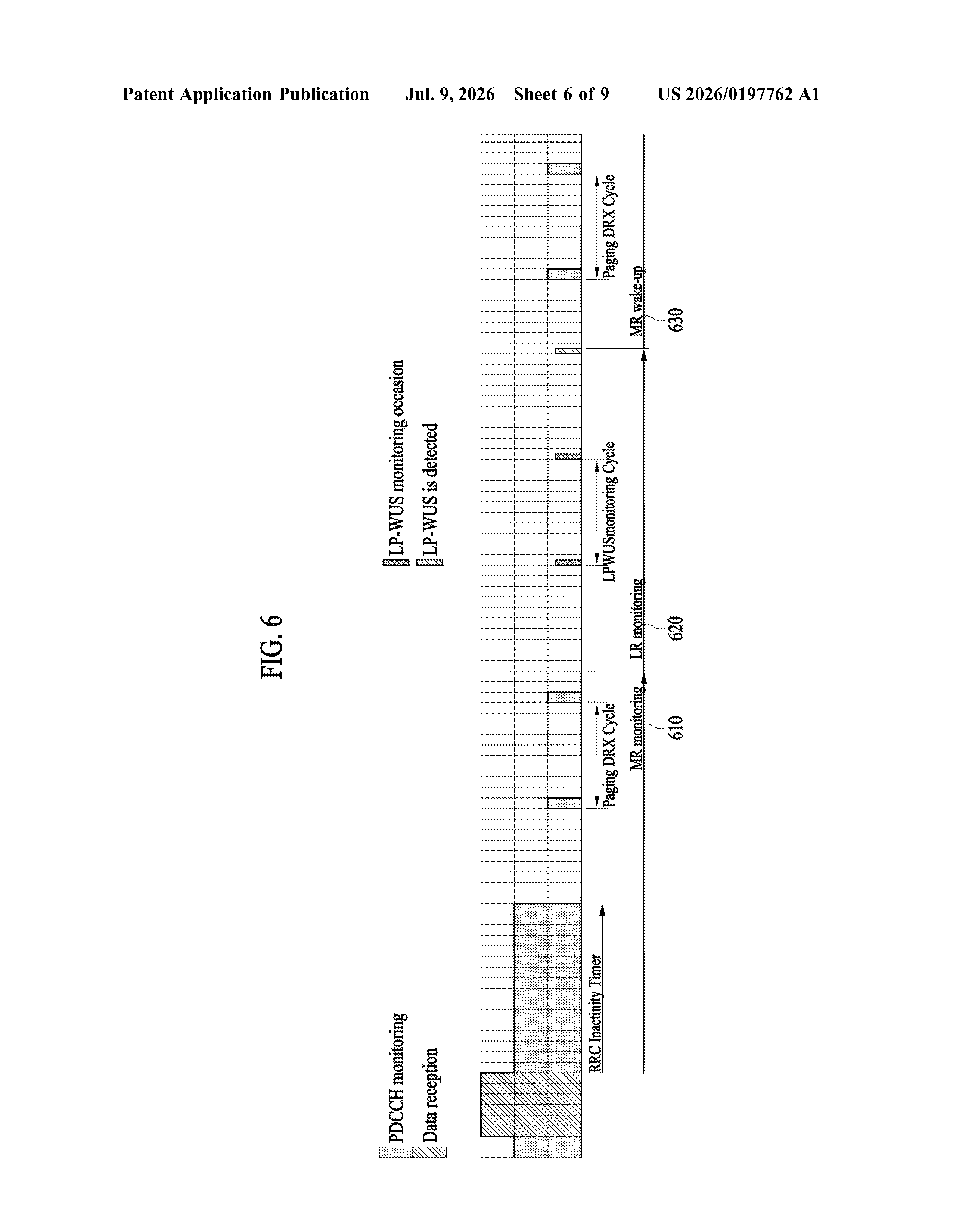
The patent doesn't fully spell out every trigger type, but the architecture implies the system is designed to work within standard wireless protocols, likely 5G or LTE, where the network periodically tells a device when to expect less data traffic. That scheduling information could be exactly what the processor uses to decide when it's safe to power down the main receiver.
What this means for phone battery life and 5G design
Radio chips are among the biggest battery consumers in modern smartphones, especially as 5G radios run at higher frequencies and handle more complex signals. A system that intelligently steps down to a low-power mode during quiet periods, rather than staying at full draw all the time, could extend battery life in a measurable way without slowing your connection when you actually need it.
For Samsung, which makes both the Galaxy phone line and the Exynos chips that go inside them, owning this kind of architecture at the silicon level matters. If this design works as described, it fits into a broader industry push to make 5G more power-efficient, an area where every major chip maker is competing hard right now.
This is solid but unflashy chip-design work. The concept of switching between high-power and low-power radio modes is not new, but filing a patent on a specific trigger-event architecture suggests Samsung is locking down an implementation approach it plans to use in its own silicon. Worth tracking if you follow mobile chip power efficiency.
Get our take in your Top Stories
Liked this breakdown? Add Patentlyze as a preferred source on Google, and our plain-English take shows up more often in your Top Stories the next time Samsung patent news breaks.
There are more where this came from
We read every patent application Big Tech publishes and send you the ones worth knowing. Plain English, free, every week.
The drawings
9 drawing sheets from US 2026/0197762 A1 · click any drawing to enlarge
Want this weekly breakdown for a company we don't cover? Patentlyze Pro →