
Samsung Patents an Antenna That Connects to Three 5G Networks Through One Chip
Fitting three different radio frequency bands onto one compact antenna board is a real engineering headache. Samsung's new patent describes a layered approach that stacks antenna arrays on top of each other to solve it without growing the hardware footprint.
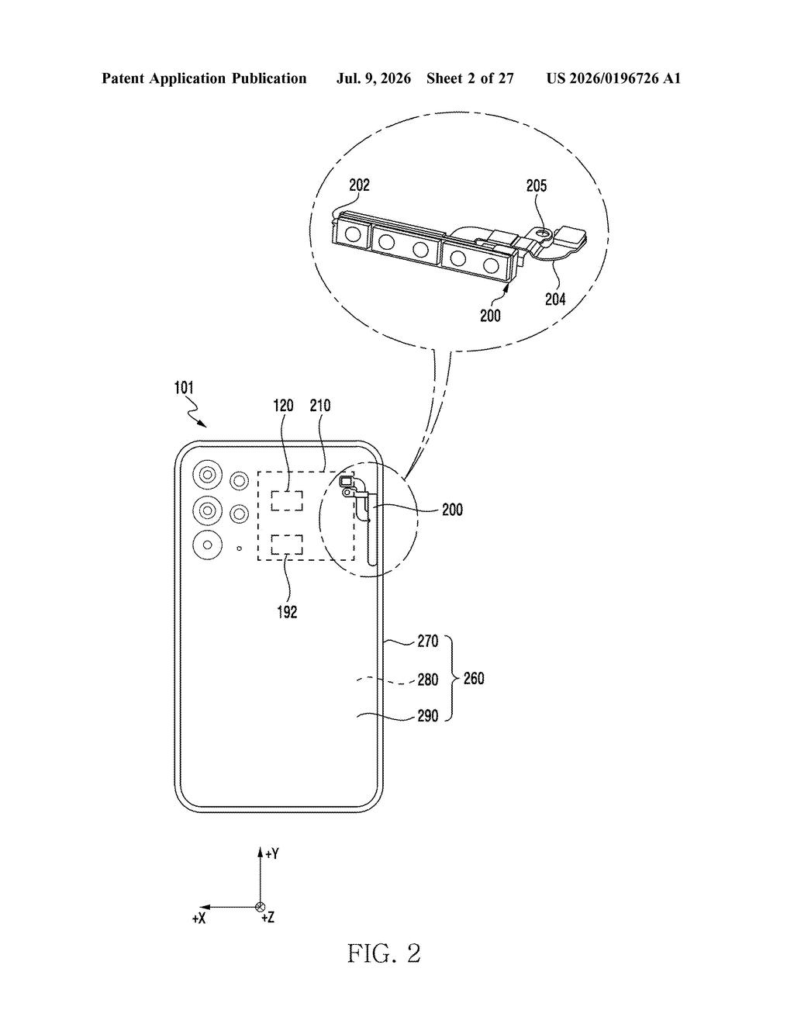
What Samsung's stacked three-band antenna actually does
Imagine your phone needs to talk to cell towers on three different radio frequencies at the same time, like using different lanes on a highway for different speeds of traffic. Normally that would mean three separate antenna components taking up space inside the device. Samsung's patent describes a way to stack all three into a single module.
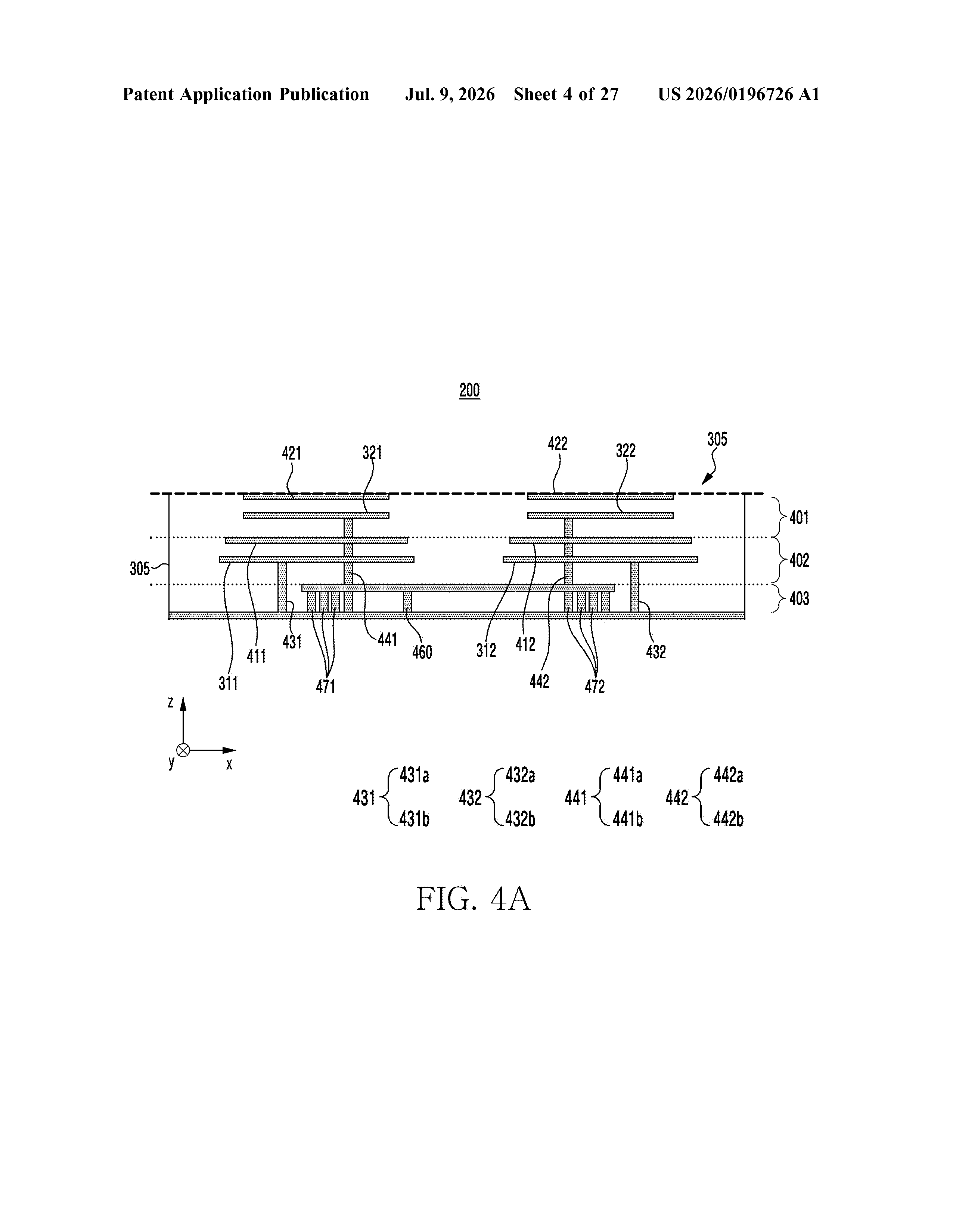
The trick is that each frequency band's antenna elements are printed on a different layer of the same circuit board, kind of like floors in a building. The mid-band antennas sit in the middle. The higher-frequency (shorter-range, faster) antennas go on the layer above, and they're sized smaller because high-frequency signals need smaller elements. The lower-frequency (longer-range) antennas go on the layer below, sized larger.
The lower-band elements are designed to bridge across two neighboring mid-band elements rather than sit directly behind just one, which lets the larger antennas share space without interfering with each other. The result is one tidy module instead of three separate ones.
How the three radiator layers are physically arranged
The patent describes an antenna module built on a multi-layer circuit board that simultaneously supports three frequency bands, each handled by a dedicated array of patch radiators (flat, square or rectangular antenna elements commonly used in 5G millimeter-wave and sub-6 GHz designs).
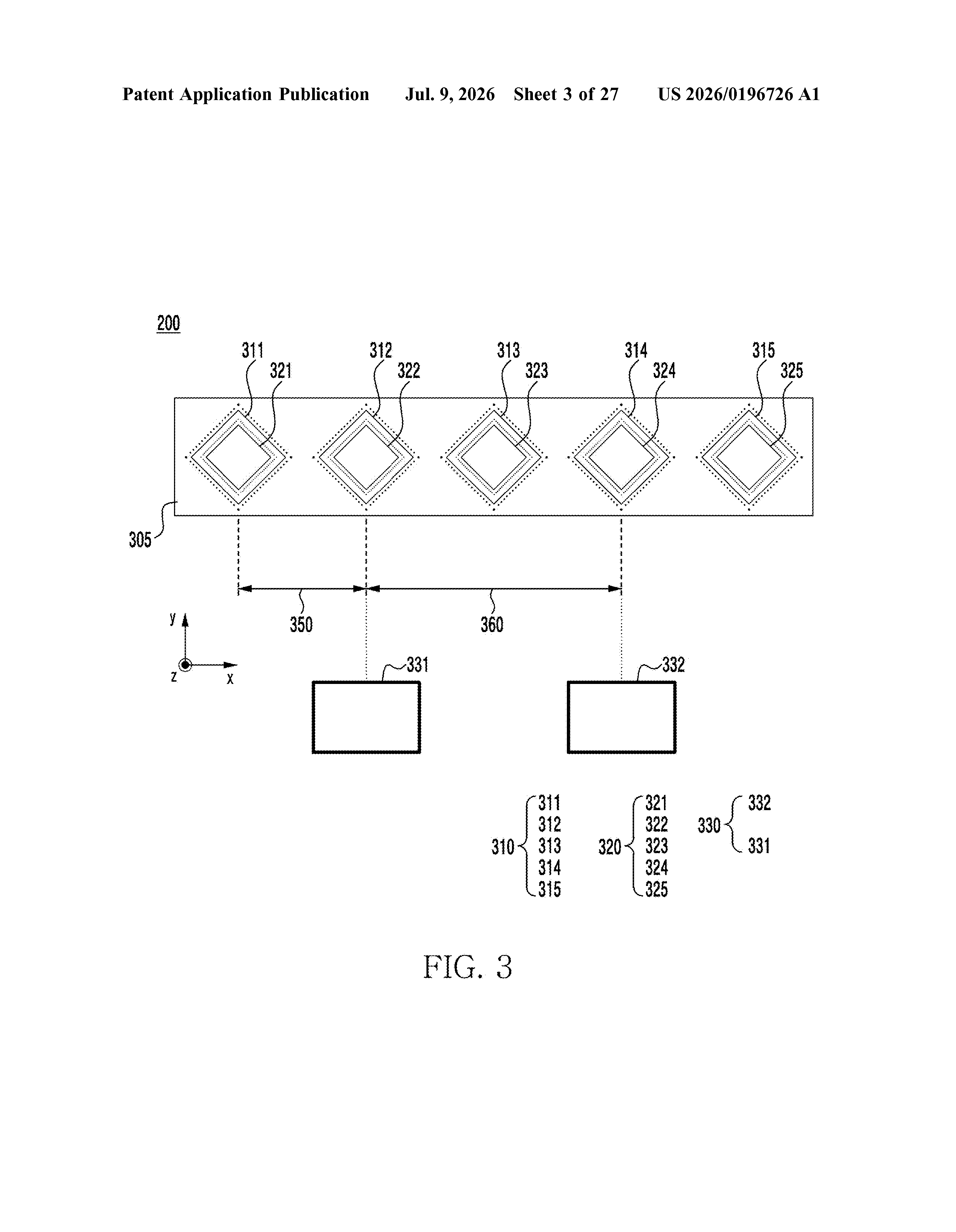
- First radiator array (mid-band): Medium-sized patch elements on the middle layer of the board, serving as the spatial reference point for the whole stack.
- Second radiator array (higher frequency): Smaller patches on the layer above the mid-band layer. Because higher frequencies require physically smaller antenna elements, these sit directly above and overlap the mid-band patches without interfering with them.
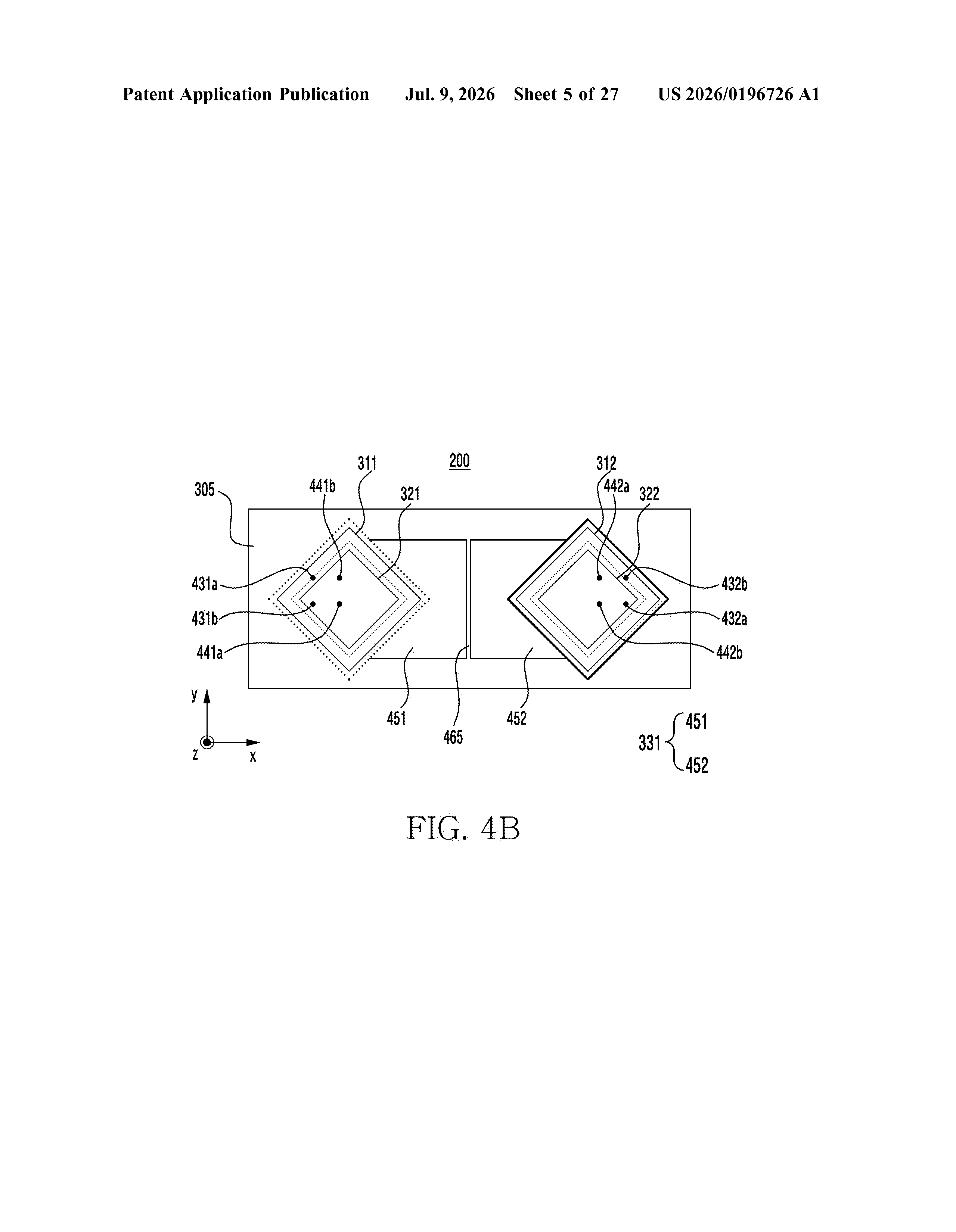
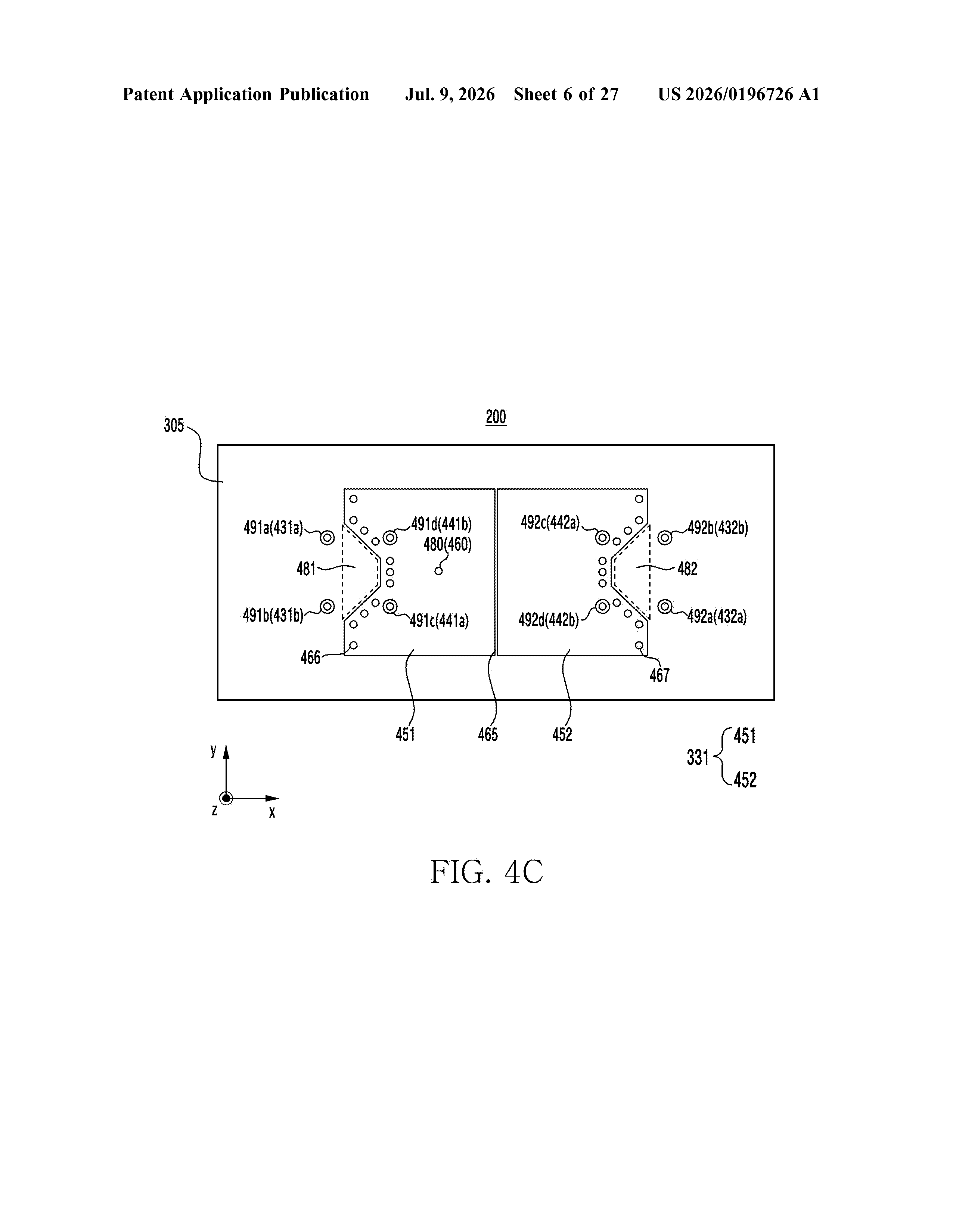
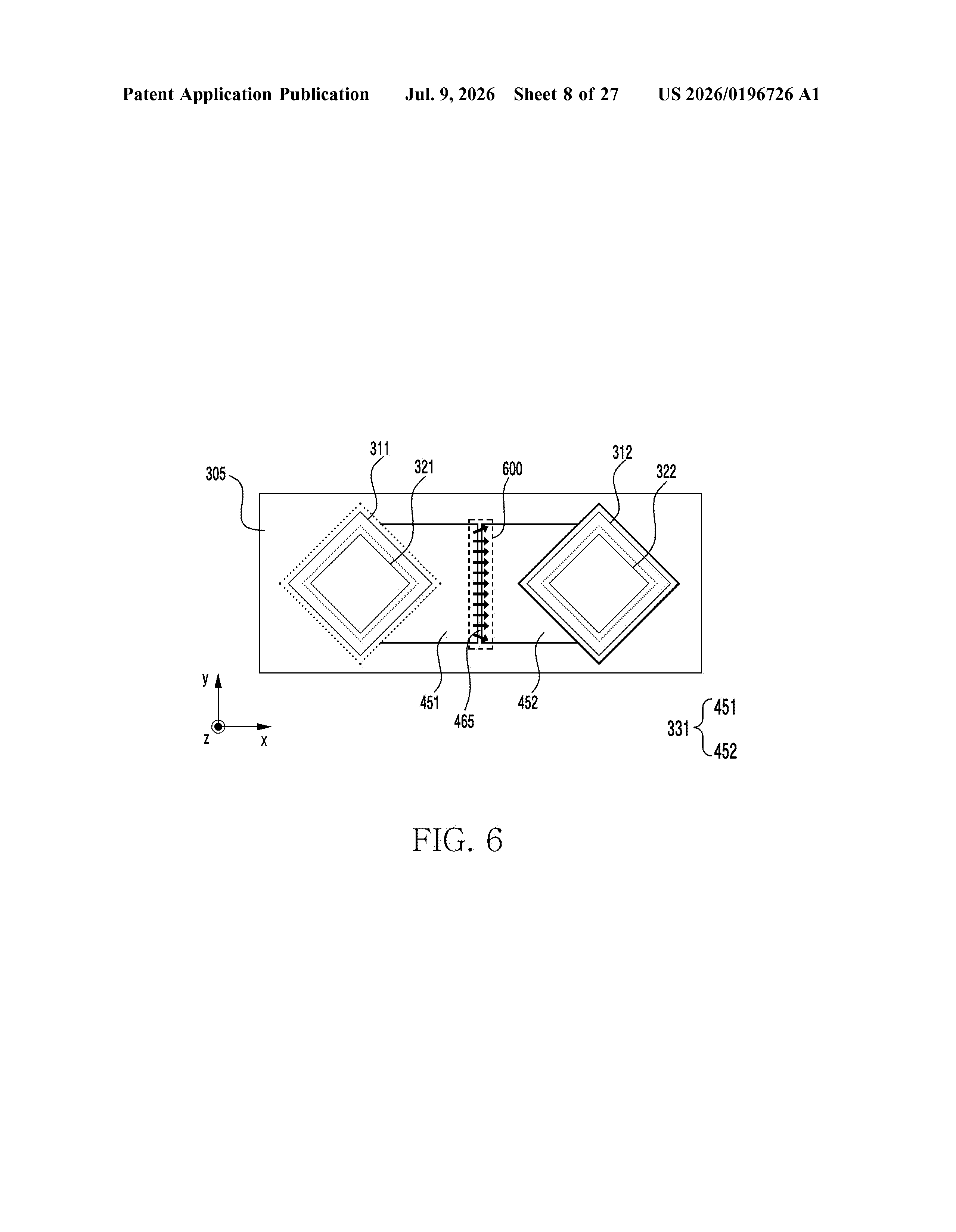
- Third radiator array (lower frequency): Larger patches on the layer below the mid-band layer. Each lower-band element is split into two portions, a first patch portion and a second patch portion, that partially overlap two neighboring mid-band patches. The gap between the two portions falls in the space between those mid-band elements.
That split-patch geometry for the lower-band layer is the most specific detail in the claim. By bridging two mid-band elements rather than sitting behind just one, each large lower-frequency patch fits within the module's footprint without needing extra board area. The overlapping arrangement is designed so the layers do not meaningfully degrade each other's radiation performance.
What this means for 5G device design and size
As phones and other wireless devices chase wider 5G coverage, they increasingly need to operate across multiple frequency bands, from the long-range low-band that penetrates walls to the fast but short-range millimeter-wave high-band. Each band traditionally demanded its own physical antenna real estate, which is a problem when devices keep getting thinner.
A compact stacked module like this could help Samsung shrink the antenna footprint in future Galaxy phones, tablets, or fixed wireless routers without sacrificing band coverage. For you as a user, the promise is a device that maintains strong 5G performance across different environments (indoors, outdoors, crowded venues) without the hardware getting bulkier.
This is solid, specific antenna engineering work rather than a headline-grabbing concept patent. The split-patch lower-band geometry is a real technical detail that suggests actual lab prototyping, not just a broad claim staked for defensive reasons. Whether it ships in a Galaxy device soon is unknown, but this is the kind of important component work that separates devices with genuinely good 5G reception from ones that look good on a spec sheet.
Get our take in your Top Stories
Liked this breakdown? Add Patentlyze as a preferred source on Google, and our plain-English take shows up more often in your Top Stories the next time Samsung patent news breaks.
There are more where this came from
We read every patent application Big Tech publishes and send you the ones worth knowing. Plain English, free, every week.
The drawings
27 drawing sheets from US 2026/0196726 A1 · click any drawing to enlarge
Want this weekly breakdown for a company we don't cover? Patentlyze Pro →