
Samsung's New Patent Fixes the Tiny Circuits That Keep Screen Pixels at the Wrong Brightness
Every pixel on your phone screen is controlled by a tiny circuit, and Samsung Display just filed a patent for a new way to wire one up that could help each dot glow at exactly the right brightness.
What Samsung's new pixel circuit actually changes
Imagine a tiny light bulb that's supposed to glow at a very specific brightness, but its own internal quirks keep making it glow slightly too bright or too dim. That's a real problem with the organic light-emitting diodes (OLEDs) used in modern smartphone and TV screens, and it gets worse as screens age.
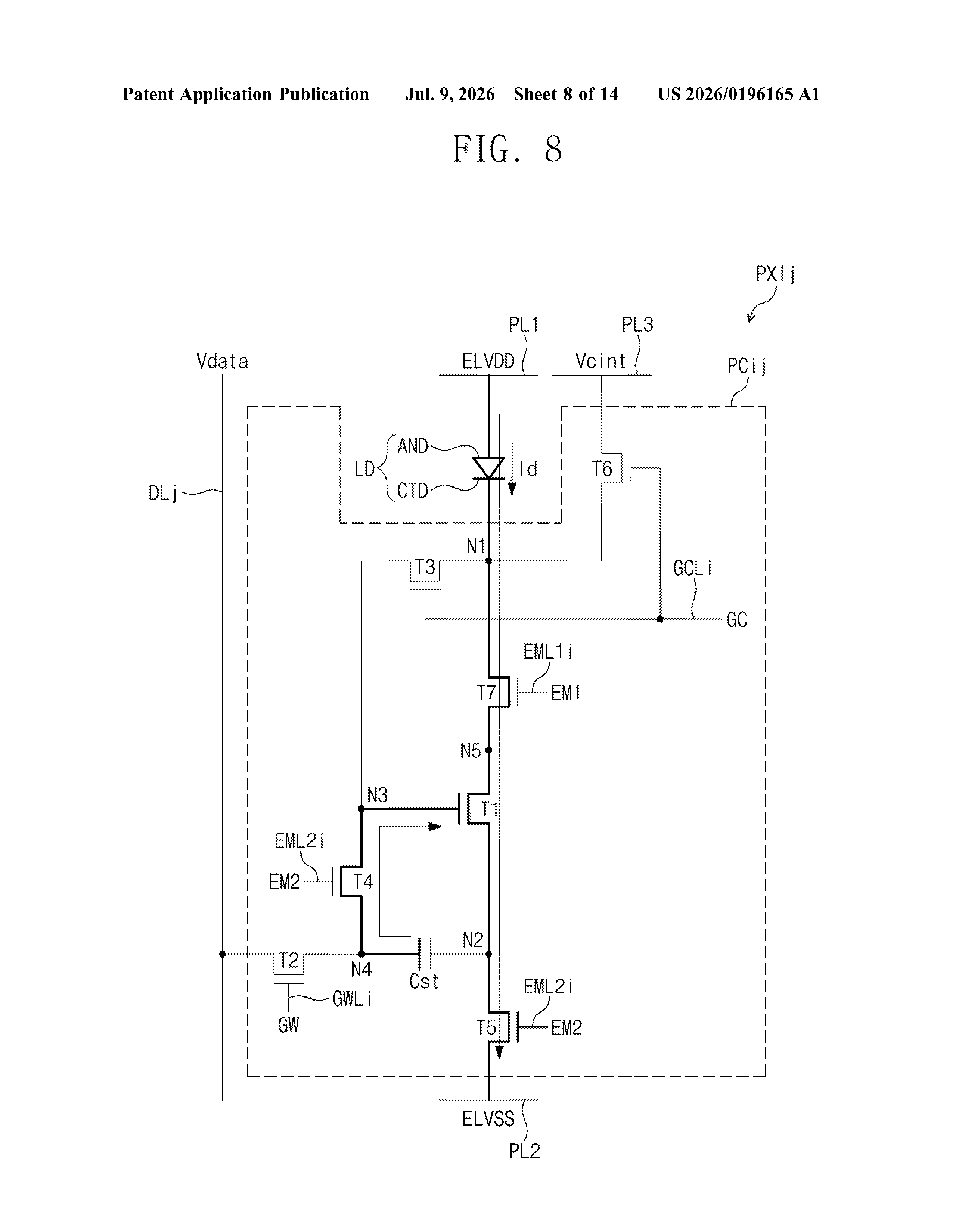
Samsung Display's patent describes a new way to build the circuit that sits behind each individual pixel on an OLED screen. The circuit uses four switching components (called transistors) and a small charge-storing component (a capacitor) arranged in a specific order. That arrangement lets the pixel measure and correct for its own imperfections before it lights up, so the color and brightness you see is closer to what was intended.
This kind of work happens at a very deep level of screen engineering, far below what any setting or software update can fix. It's the sort of improvement that shows up as richer blacks, more accurate colors, and screens that stay consistent longer.
How the four-transistor pixel circuit controls each light dot
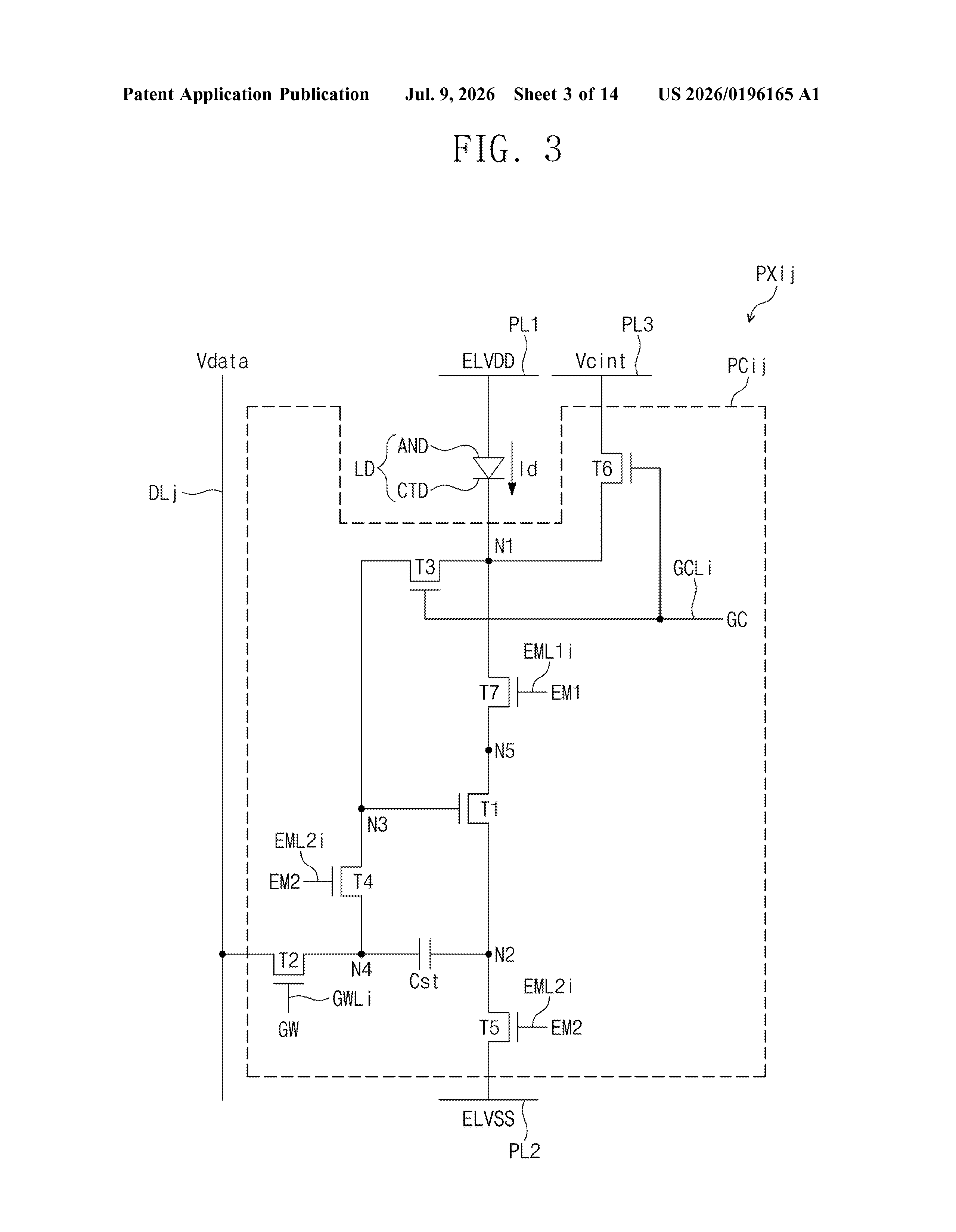
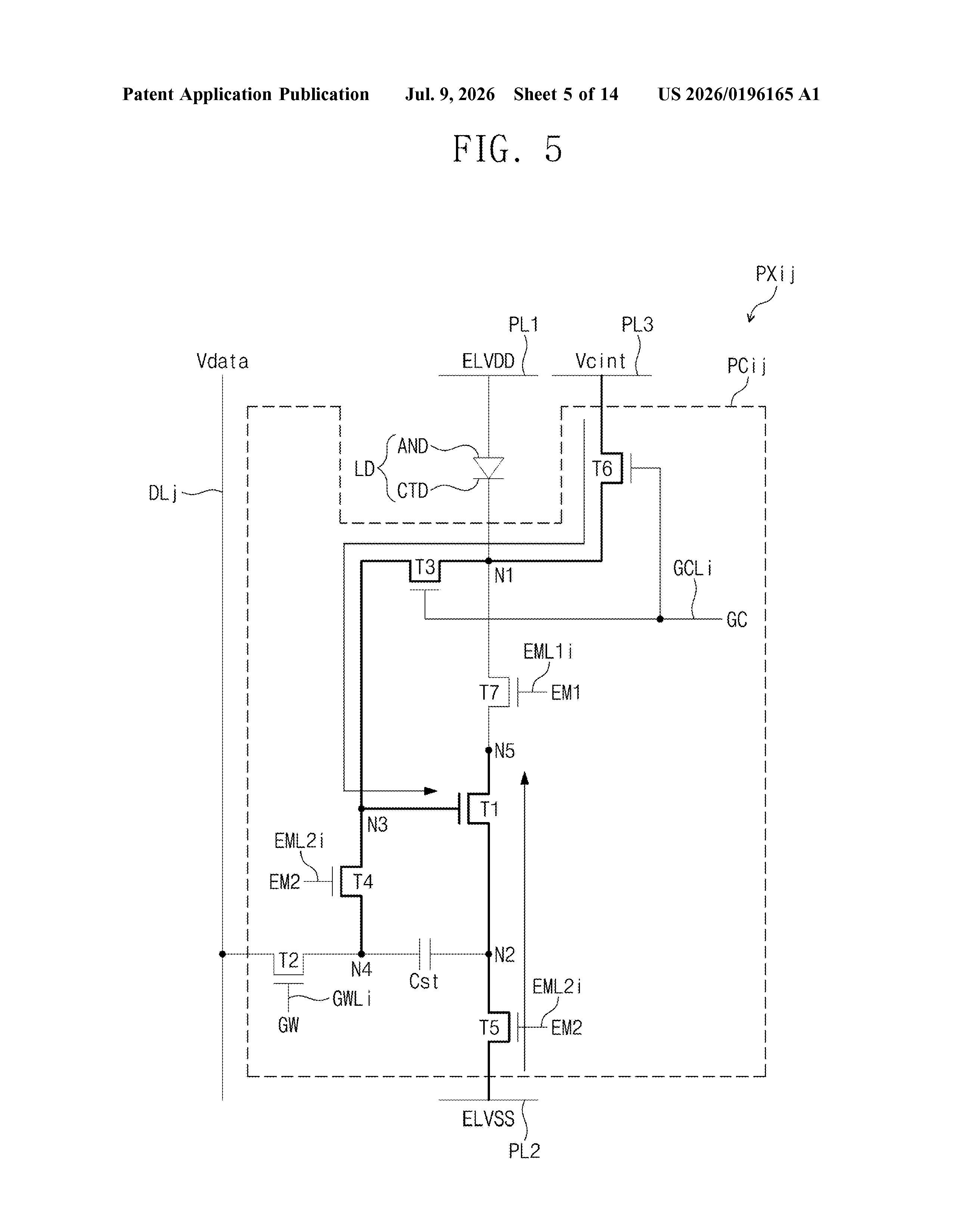
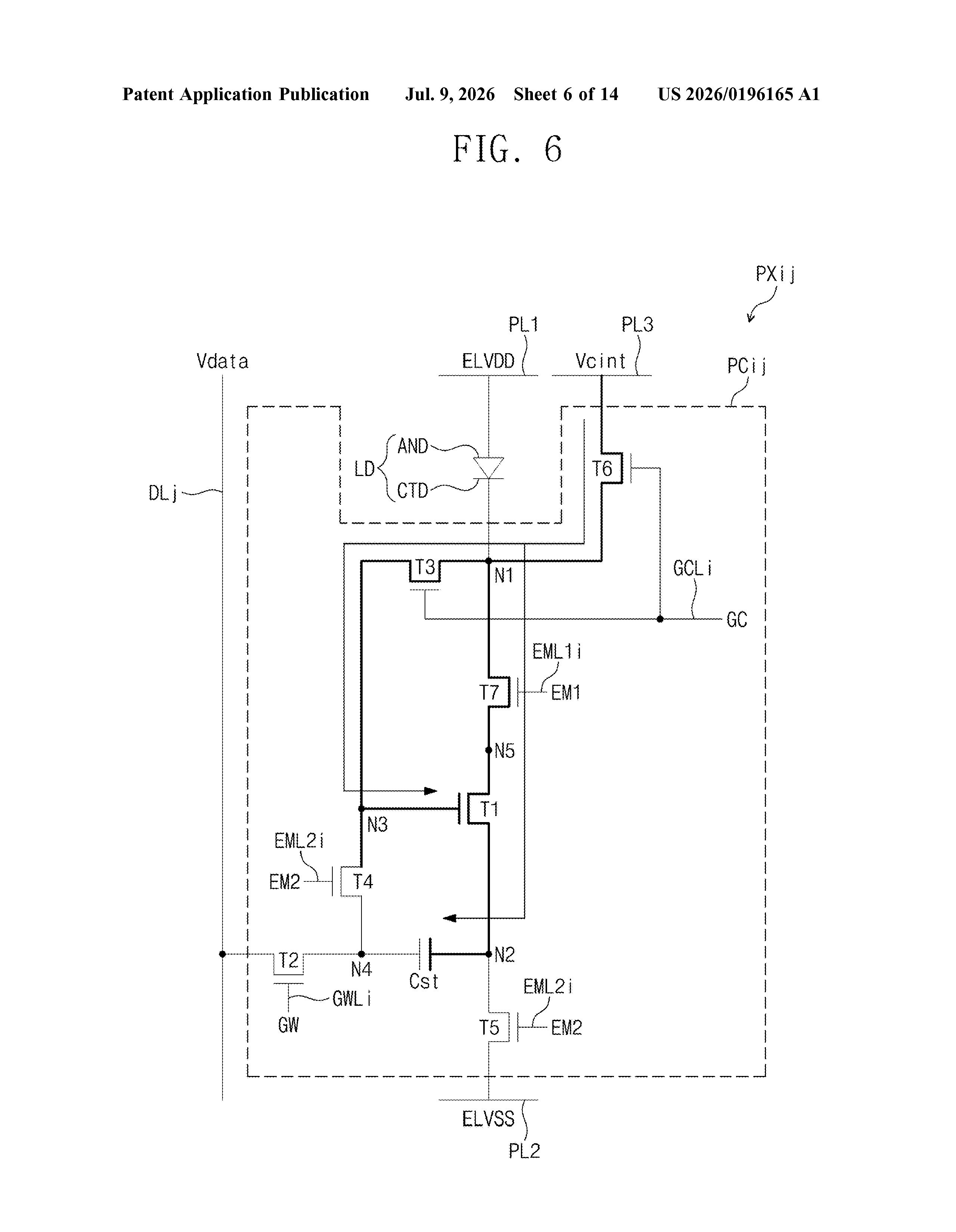
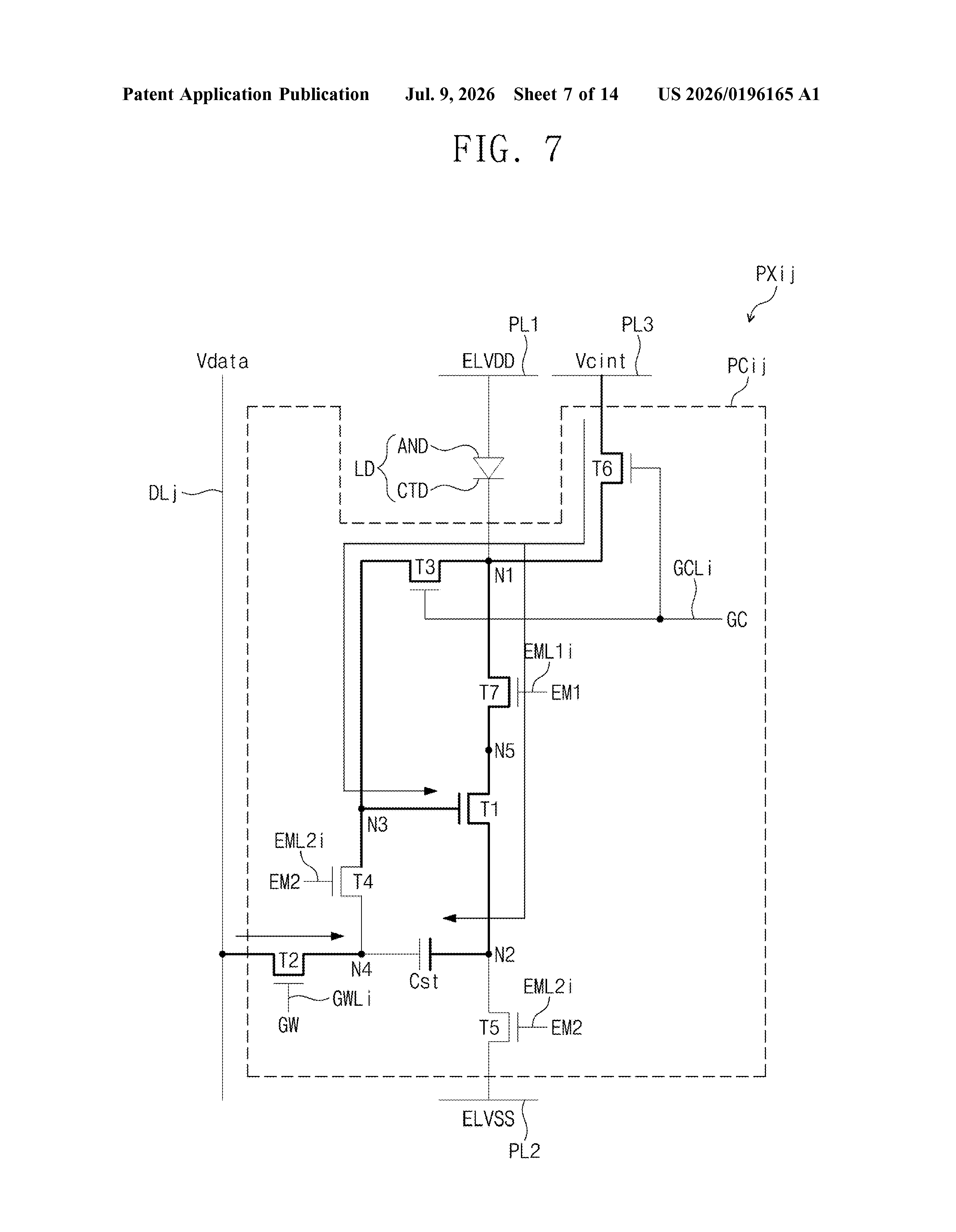
The patent describes a pixel circuit built around four transistors and a capacitor, each connected through a specific network of nodes (think of nodes as labeled junction points in the wiring).
Here's how the key pieces divide up the work:
- First transistor: the main driver, controlling how much current flows through the light-emitting element (the actual OLED).
- Second transistor: acts as a gate, letting the pixel receive its brightness instruction (the "data signal") from the rest of the display when a scan signal says it's time to update.
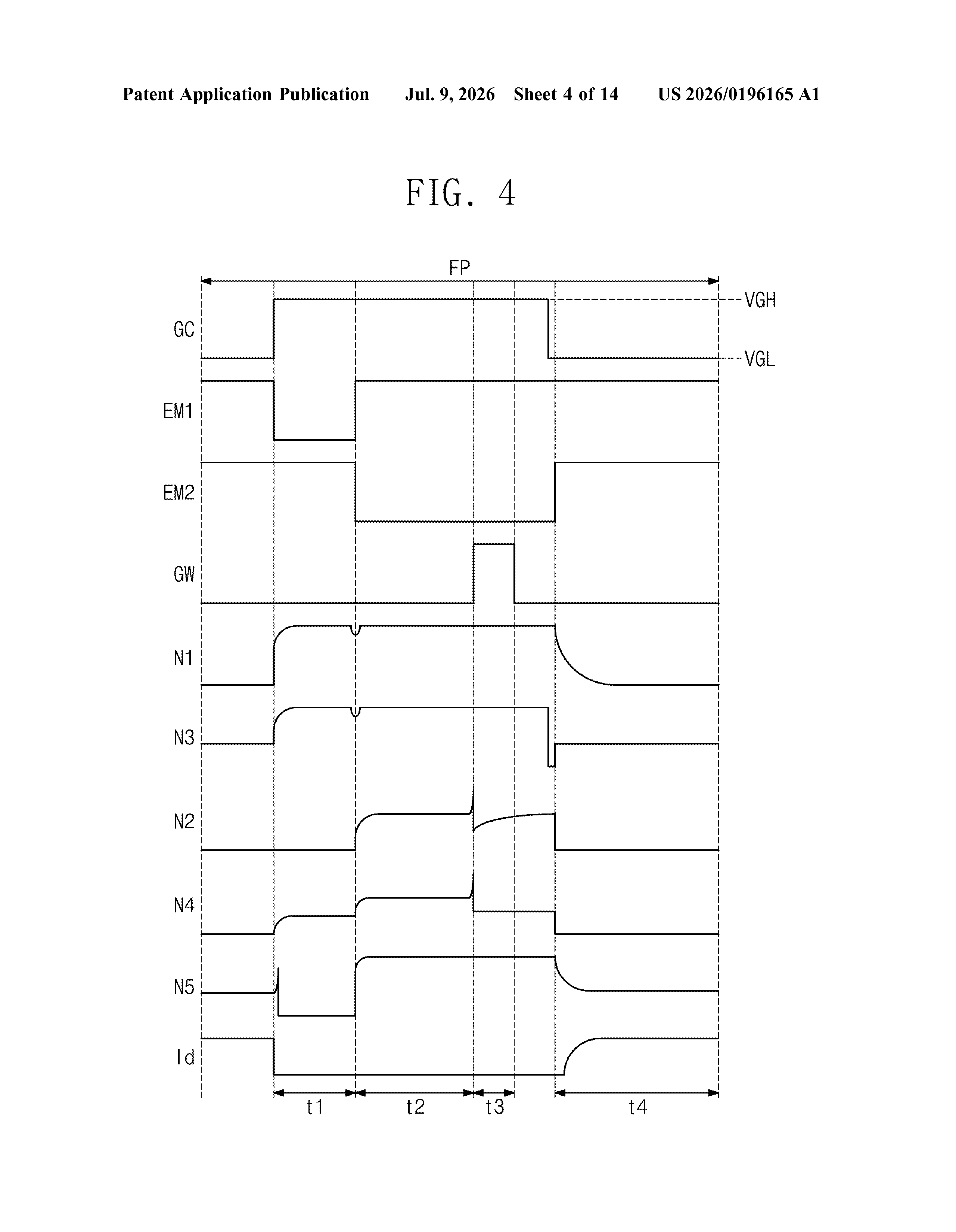
- Third transistor: handles compensation, connecting the driver transistor back to itself so the circuit can measure and cancel out the transistor's own voltage offset (called a threshold voltage, meaning the minimum voltage needed to switch it on). This is the self-correction step.
- Fourth transistor: links the compensation path to the data path and is controlled by a light-emitting signal, separating the "write your brightness value" phase from the "now glow" phase.
- First capacitor: stores the corrected voltage between the driver's gate and source, holding it steady while the pixel emits light.
The circuit topology means the pixel can compensate for transistor variation within its own wiring cycle, rather than relying on external calibration software. That matters because transistor characteristics drift over time and vary slightly across a panel.
What this means for future Samsung OLED display quality
Display manufacturers have been fighting transistor aging and variation for years because they are the main reason OLED screens develop uneven brightness over time (sometimes called burn-in or image retention). A pixel circuit that corrects for these issues internally is more reliable than one that depends on the display controller doing periodic software patches from the outside.
For you as a consumer, that could mean screens that stay accurate longer and show fewer bright or dark spots as the panel ages. Samsung Display supplies screens to Samsung's own phone and TV divisions as well as to other manufacturers, so improvements at the circuit level can ripple across a wide range of products over the next few product generations.
This is deep-inside-the-panel engineering that most people will never think about, but it's exactly the kind of incremental work that separates consistently great displays from ones that look fine on day one and dull after two years. Samsung Display files a lot of pixel circuit patents, so this is one node in a long chain of improvements rather than a standalone announcement. Worth tracking if you follow display technology, easy to skip if you don't.
Get our take in your Top Stories
Liked this breakdown? Add Patentlyze as a preferred source on Google, and our plain-English take shows up more often in your Top Stories the next time Samsung patent news breaks.
There are more where this came from
We read every patent application Big Tech publishes and send you the ones worth knowing. Plain English, free, every week.
The drawings
14 drawing sheets from US 2026/0196165 A1 · click any drawing to enlarge
Want this weekly breakdown for a company we don't cover? Patentlyze Pro →