
Microsoft Patents an Iterative Block-Splitting Method for Spatial Data Compression
Microsoft has filed a patent for a compression technique that chops spatial data into smaller and smaller pieces, encoding each chunk in a way that can be reconstructed without losing important structure. It's a fairly methodical approach to a persistent problem in 3D audio and spatial computing.
What Microsoft's spatial data compression actually does
Think about how your phone compresses a photo before sending it. It finds repeating patterns and encodes them efficiently instead of storing every pixel separately. Microsoft is doing something similar here, but for spatial data, which could mean anything from 3D positional audio to geographic or volumetric information.
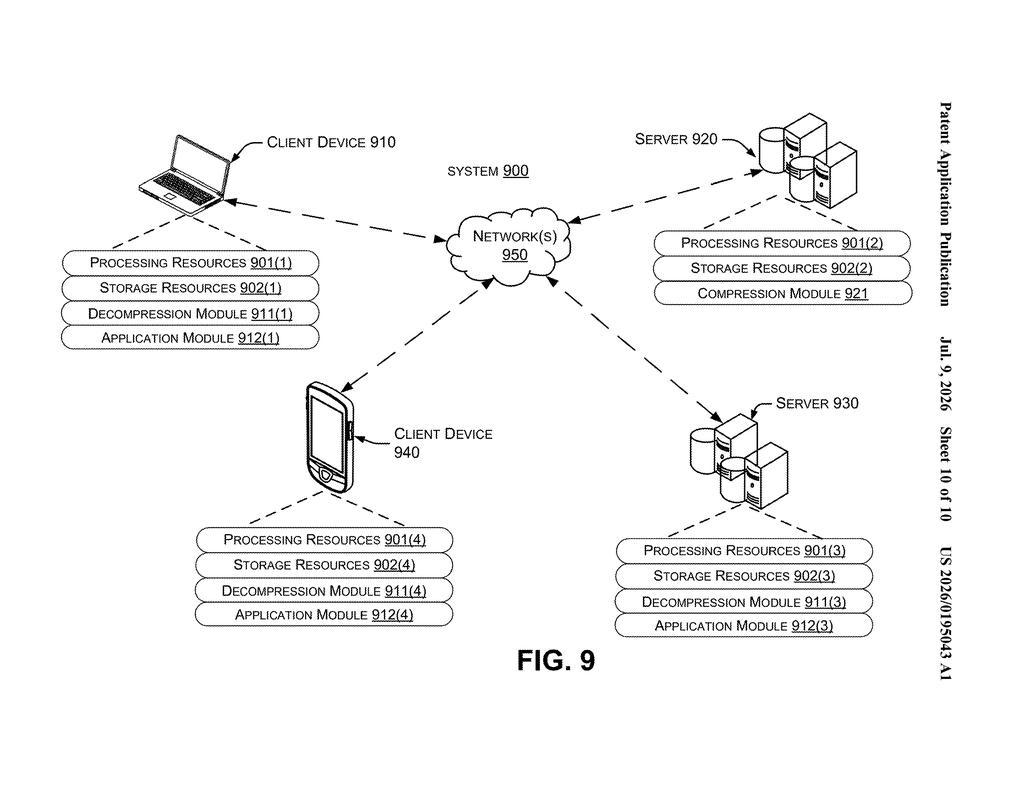
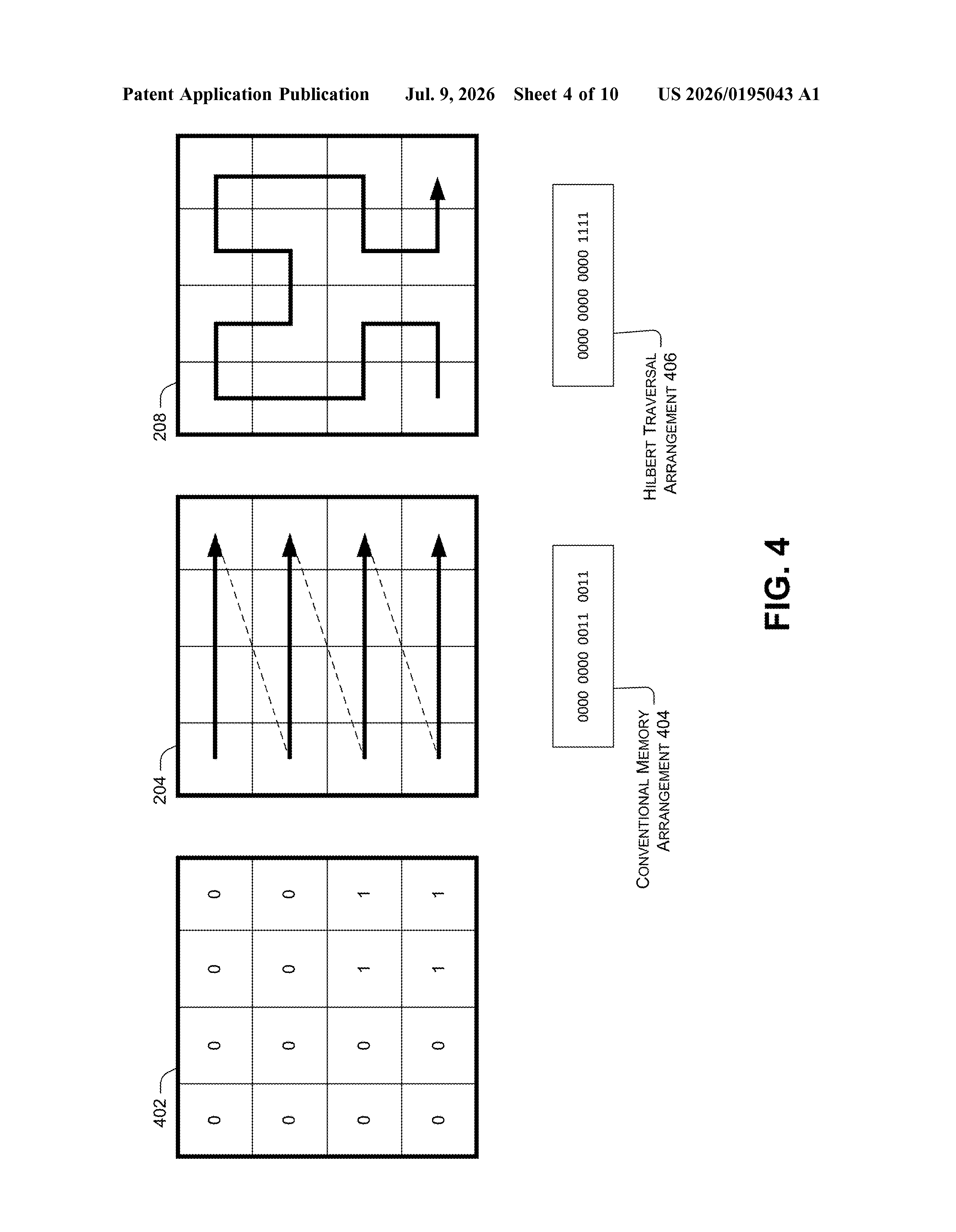
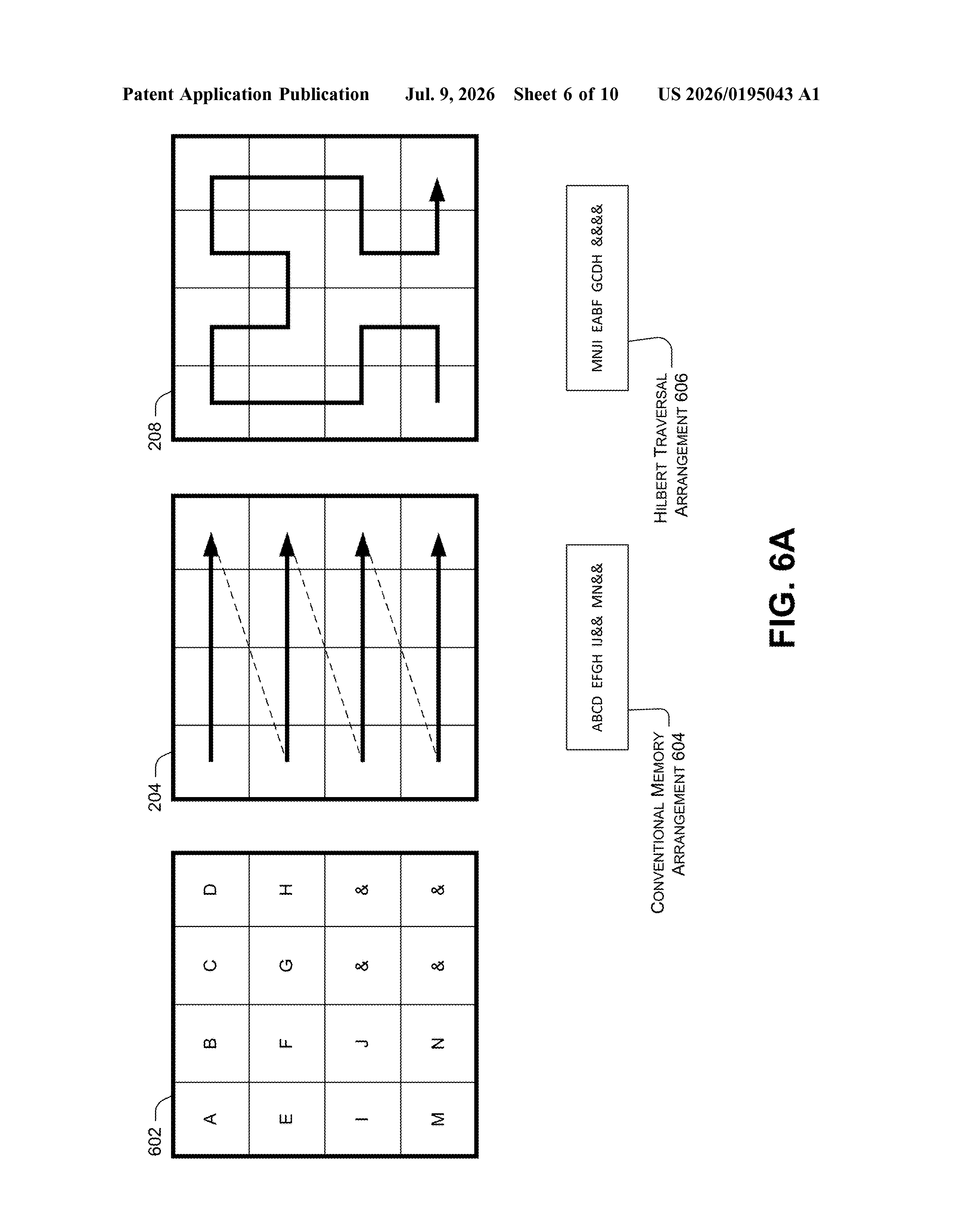
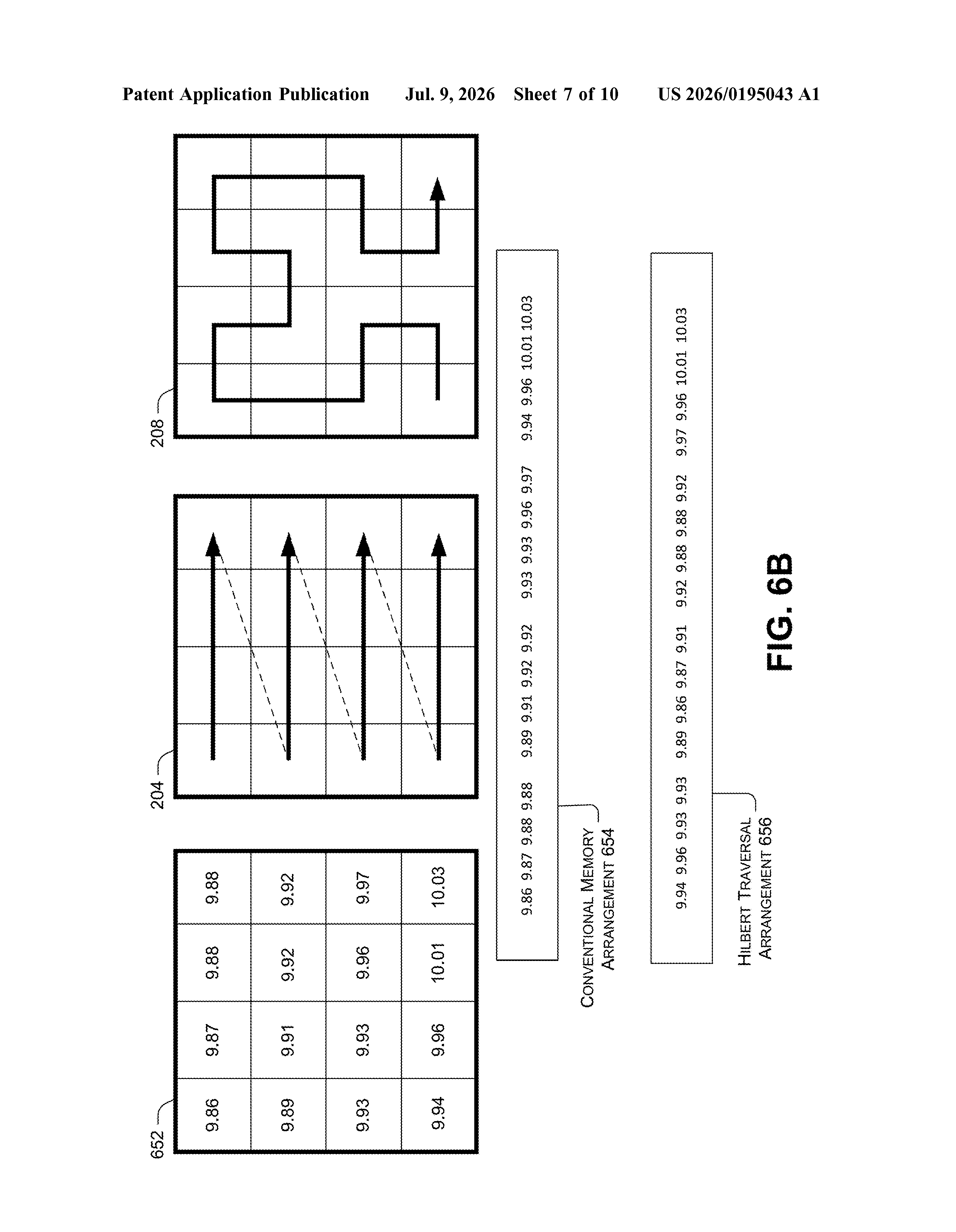
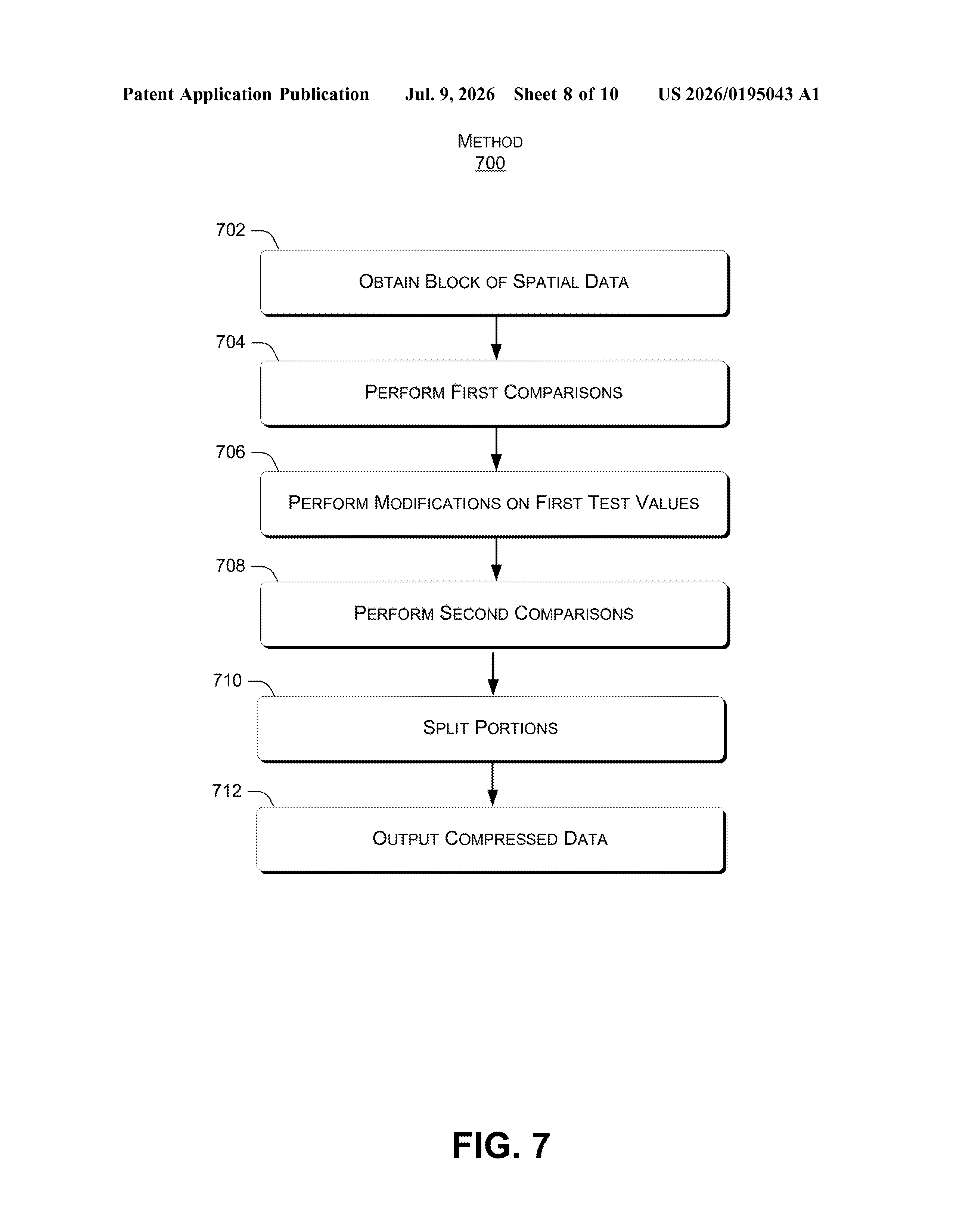
The system takes a block of that data, compares pieces of it against test values, and records whether those comparisons are a match or not. It keeps splitting the block into smaller pieces and repeating the process until compression is done. The result is a compact set of encoded values that captures both the matches and any adjustments made along the way.
Decompression works in reverse: the encoded values tell the system how to rebuild the original data. The goal is to store or transmit spatial data in a smaller footprint without losing the meaningful patterns inside it.
How the iterative block-splitting compression works
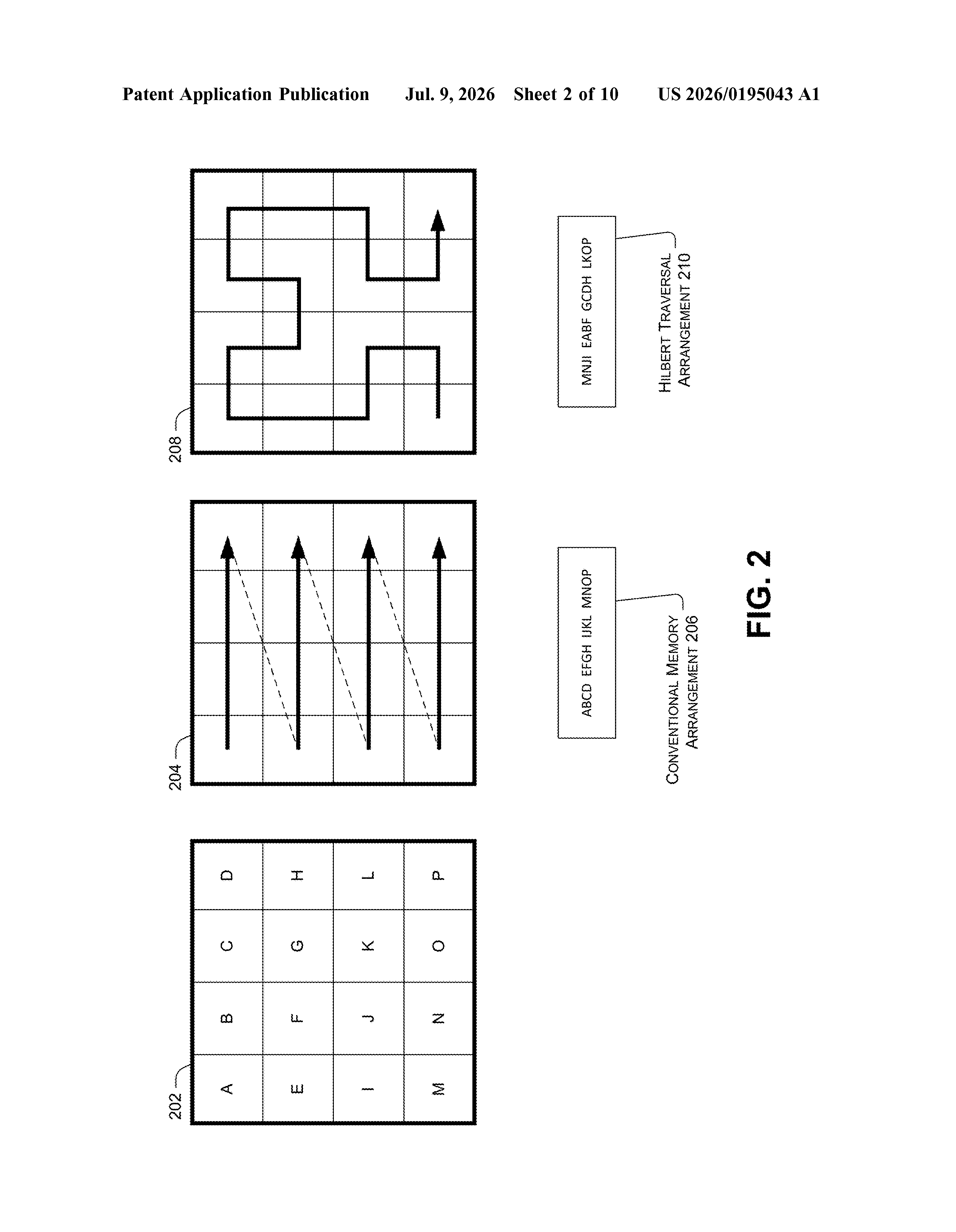
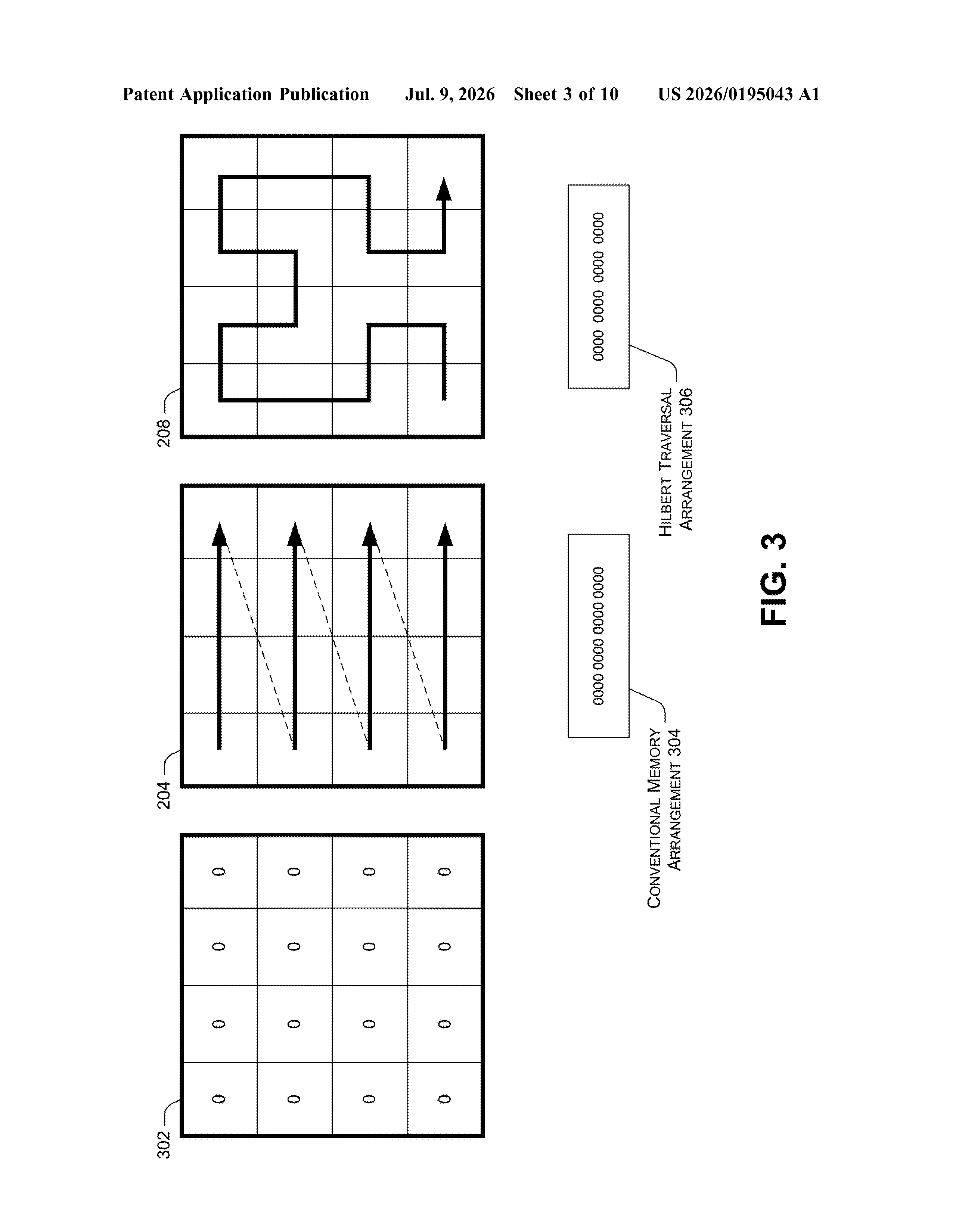
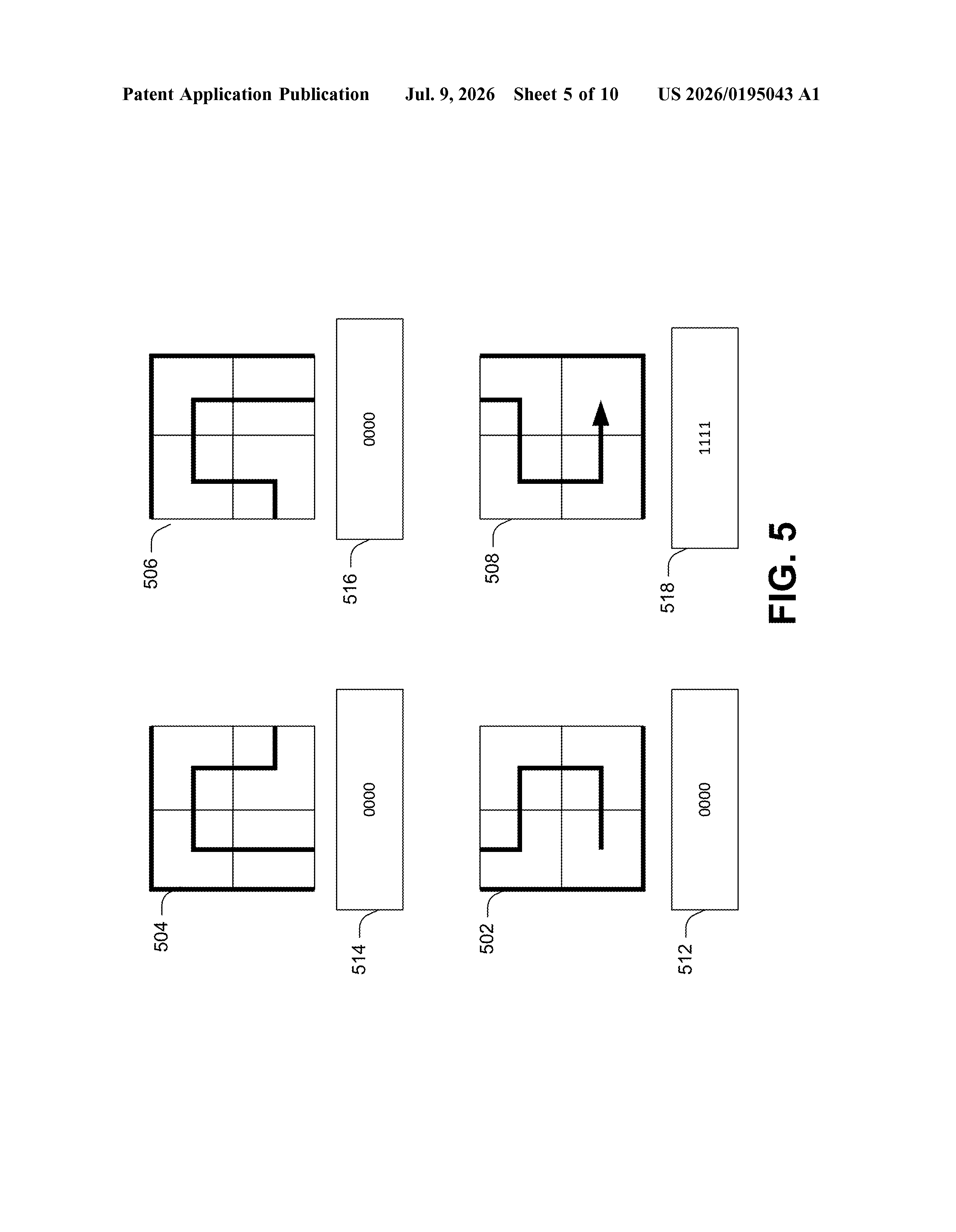
The patent describes a block-based iterative compression scheme for multi-dimensional spatial data. The core idea is to take a block of data, apply a series of compression passes, and progressively split that block into sub-portions until the full block has been encoded.
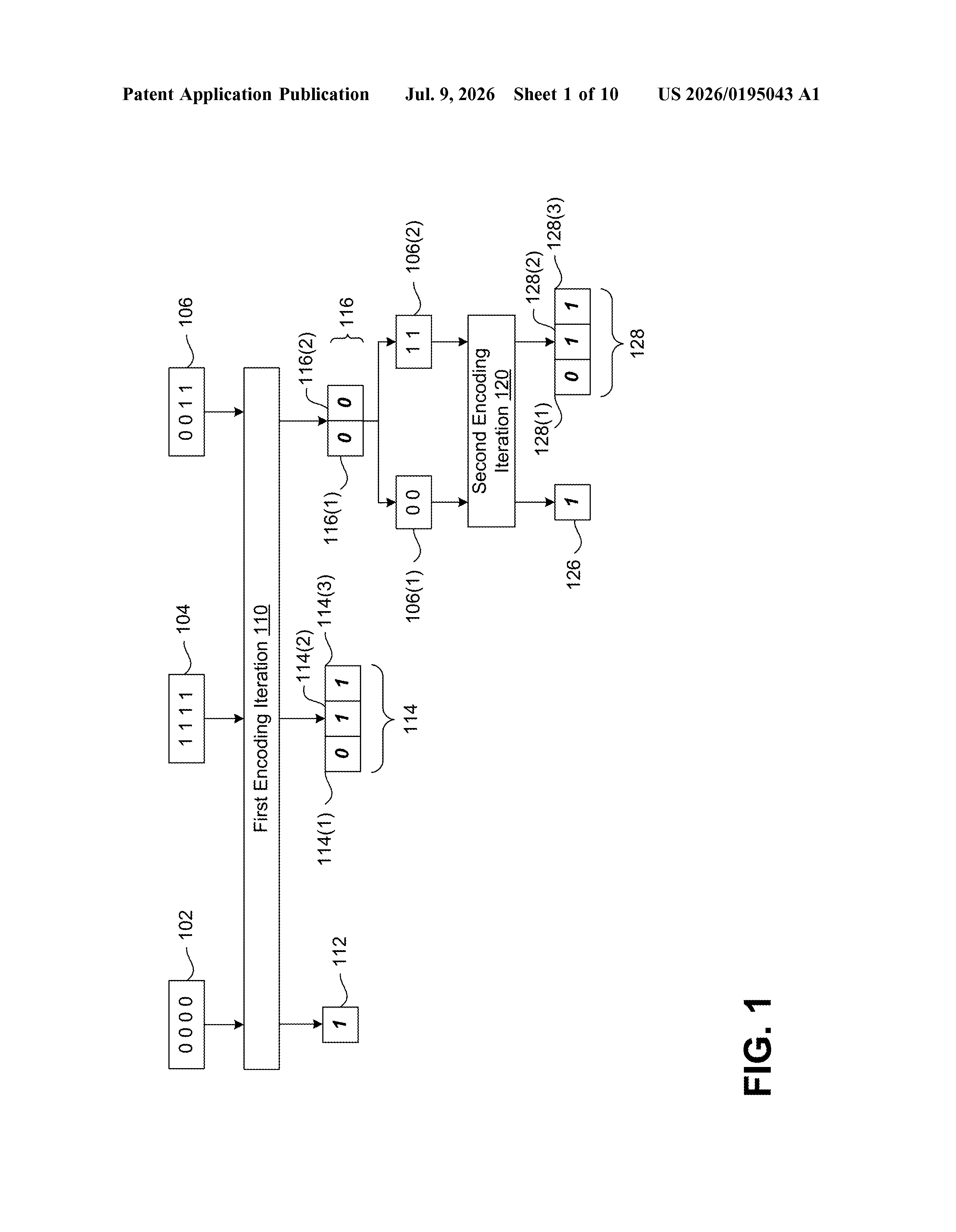
At each step, the system compares a portion of the data against a test value (a reference point used to check similarity) and records whether the comparison is a match. These match results are stored as first encoded values. If a comparison doesn't match exactly, the system can modify the test value, and those modifications are stored separately as second encoded values.
The two-layer encoding approach means the decompressor has both a map of where things matched and a record of how the reference values were adjusted, giving it everything it needs to reconstruct the original data.
- Iterative splitting breaks the data into manageable chunks progressively
- Match flags (first encoded values) record comparison outcomes
- Modification records (second encoded values) capture adjustments to test values
- Decompression reverses the process using both sets of encoded values
What this means for 3D audio and spatial computing
The patent's CPC classification and the involvement of researchers known for spatial audio work (including Nikunj Raghuvanshi, who has published on wave-based audio rendering) suggests this could be aimed at compressing the large acoustic or volumetric datasets that power realistic 3D sound in games and mixed-reality applications. Storing and streaming that kind of data efficiently is a real bottleneck.
That said, the claims in this publication are listed as canceled, which typically means the patent application is either being rewritten or was abandoned at this stage. Without granted claims, there is nothing yet to enforce or build a product strategy around. It's worth watching for a continuation filing.
On its own merits, this is a narrow compression technique filing with canceled claims, which makes it hard to assess practical impact right now. The researchers behind it have strong spatial audio credentials, so if a continuation surfaces with tighter claims around acoustic data, it could be relevant to Microsoft's mixed-reality and gaming audio pipeline. As it stands, this is infrastructure work in an early stage.
There are more where this came from
We read every patent application Big Tech publishes and send you the ones worth knowing. Plain English, free, every week.
The drawings
10 drawing sheets from US 2026/0195043 A1 · click any drawing to enlarge
Want this weekly breakdown for a company we don't cover? Patentlyze Pro →
Be the first to weigh in