
Google Files Patent to Deliver Targeted Ads While Protecting User Privacy
Google is trying to thread a needle that has defined the ad industry for years: show you relevant ads without actually knowing who you are. A newly published patent describes a system that does the profiling work on your own device, not on Google's servers.
How Google wants to keep ad targeting on your phone
Imagine your phone knows you tend to browse recipe sites in the evenings and sports news on weekends. Normally, an ad platform would collect all of that and build a profile of you on its own servers. Google's patent describes a different setup: your device holds a summary of your interests, and the ad-matching step happens there, not in a data center somewhere.
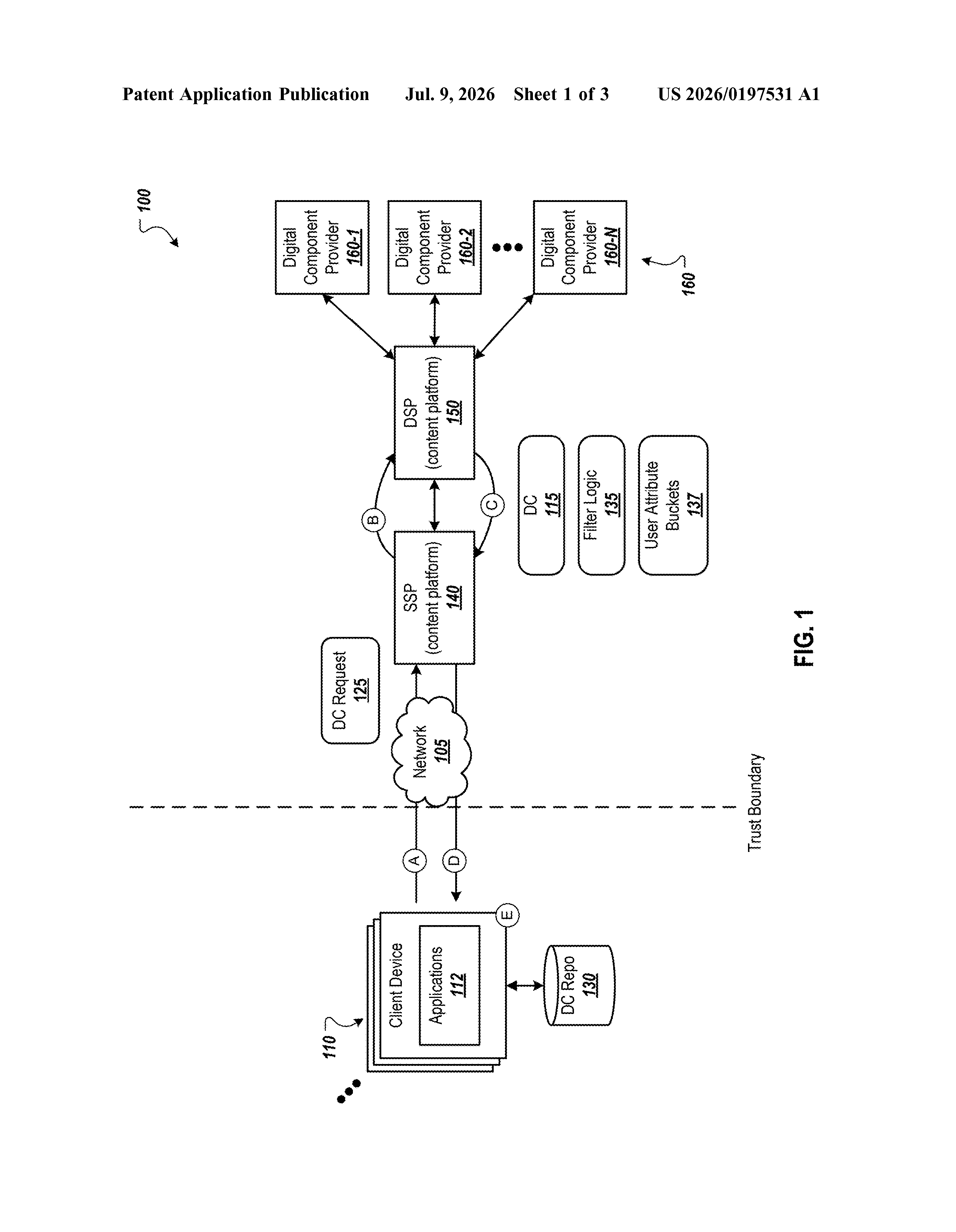
Here's the basic flow: when an app requests an ad, Google's platform looks at the context (what app, what time, what kind of content) and uses it to sort you into broad interest categories called attribute buckets. These are vague on purpose, like "likely interested in cooking" rather than "Jennifer, 34, who searched for pasta recipes three times this week."
The server sends a bundle of candidate ads back to your device along with those bucket labels. Your phone then picks the final ad based on a running tally of your interests it keeps privately. The server never sees your full profile. It only sees anonymous context signals.
How the bucket system assigns and scores users locally
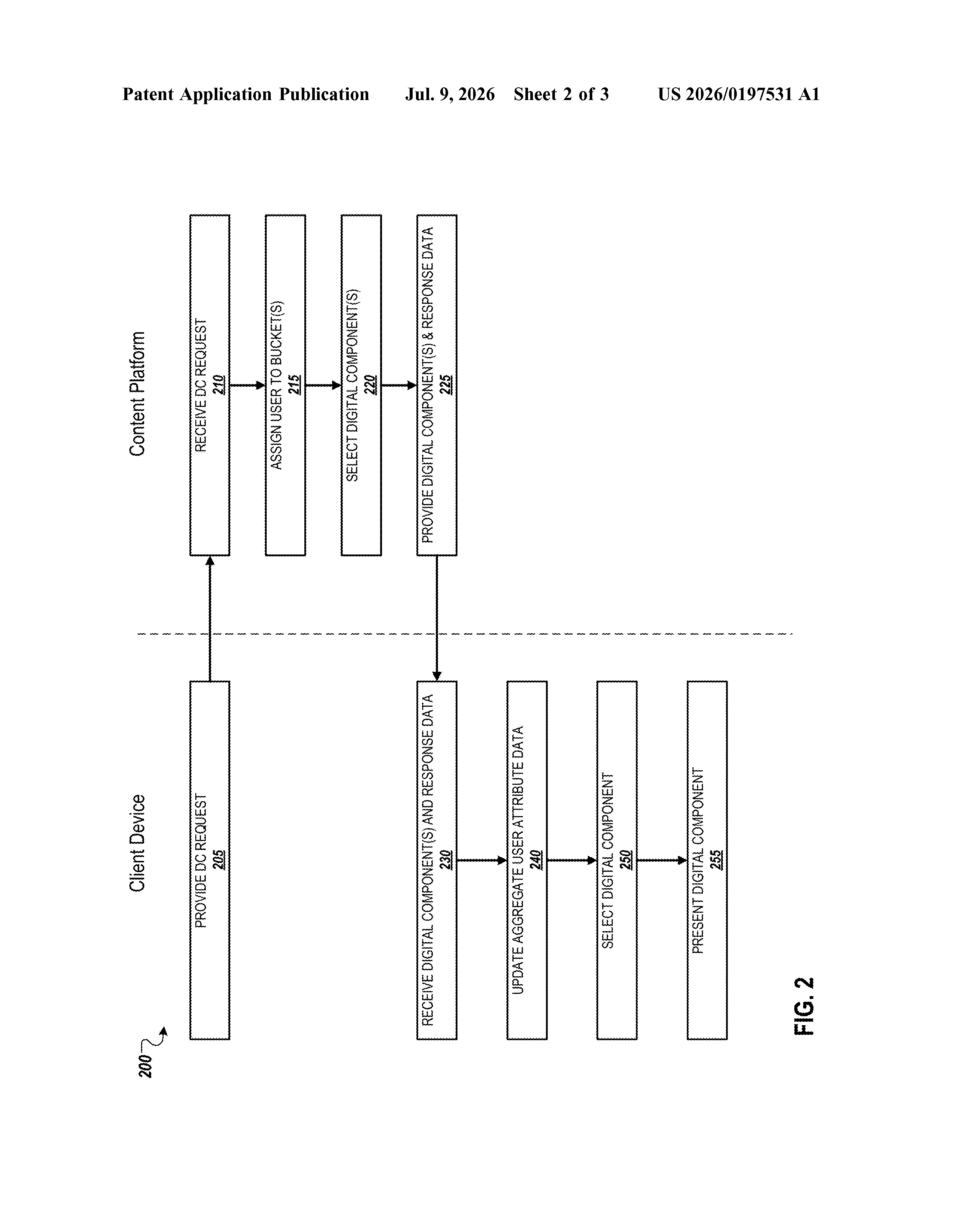
The patent describes a two-stage ad selection process designed to separate the privacy-sensitive step from the server-side step.
Stage one (server side): When an app asks for an ad, it sends contextual signals (think: what kind of app, general content category, rough time of day) to a Google content platform. The platform uses those signals to assign the user to one or more user attribute buckets (broad categories like "sports enthusiast" or "budget shopper") without needing any stored personal history. It then picks a small pool of candidate ads that could plausibly fit those buckets.
Stage two (on-device): The server sends those candidate ads back to the device, along with data indicating which buckets the user was assigned to. The device maintains its own aggregated user attribute data (a local running score of the user's interests built up over time). The app uses that local data to pick the single best ad from the candidate pool and display it.
The key design choice is that the full interest profile never leaves the device. The server only ever sees:
- Contextual signals from the current session
- No persistent user ID or behavioral history
This architecture echoes the approach Google has been pursuing with its Privacy Sandbox initiative, which aims to replace third-party cookies with on-device interest grouping.
What this means for privacy in the post-cookie ad world
For everyday users, this patent describes a world where targeted ads don't require a company to hold a detailed file on your browsing history. Your device keeps the profile; the ad platform only ever sees blurry, context-based signals. That's a meaningful shift from how most ad tech works today, where detailed behavioral data flows freely between dozens of servers.
For the ad industry, this matters because regulatory pressure on personal data collection is only increasing, and cookie-based tracking is fading. Google has an obvious incentive to build a privacy-preserving ad system it controls, and this patent is another piece of that architecture. Whether it delivers meaningfully stronger privacy in practice depends on implementation details not covered in the filing.
This is real engineering work, not just a privacy press release. The on-device selection design genuinely reduces what Google's servers need to see. But it's worth being clear-eyed: Google still controls the bucket definitions, the candidate ad pool, and the platform itself, so users are trusting Google's implementation rather than gaining independent control. Watch this space as Privacy Sandbox details continue to emerge.
Get our take in your Top Stories
Liked this breakdown? Add Patentlyze as a preferred source on Google, and our plain-English take shows up more often in your Top Stories the next time Google patent news breaks.
There are more where this came from
We read every patent application Big Tech publishes and send you the ones worth knowing. Plain English, free, every week.
The drawings
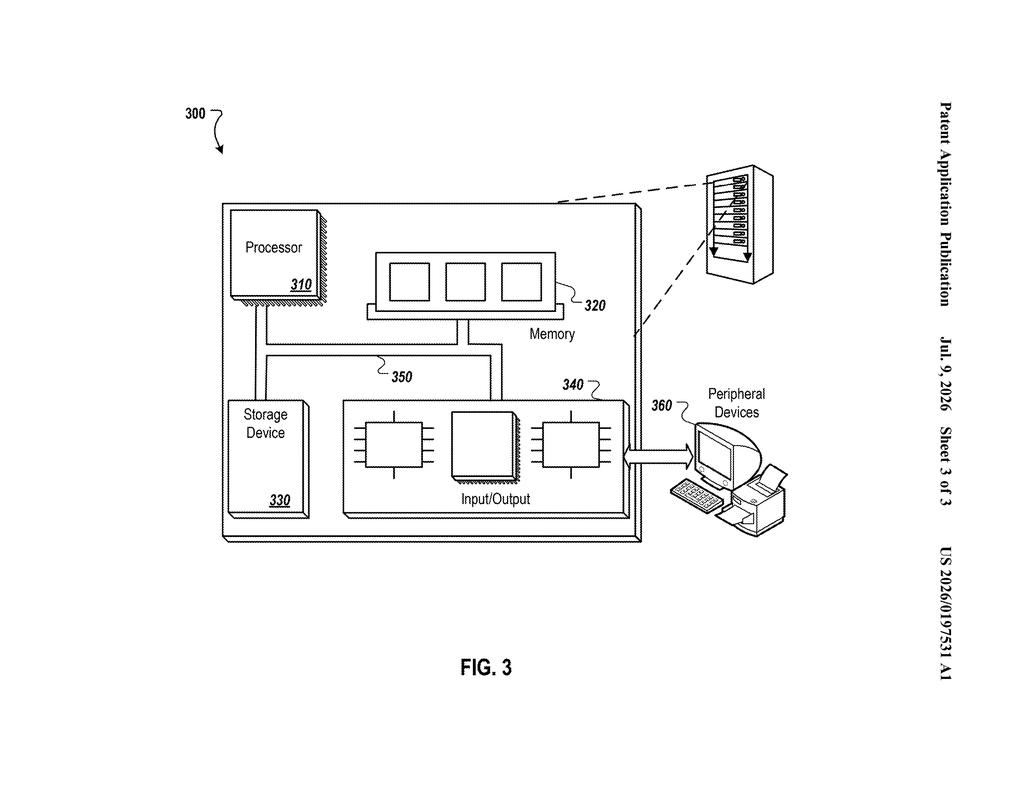
3 drawing sheets from US 2026/0197531 A1 · click any drawing to enlarge
Want this weekly breakdown for a company we don't cover? Patentlyze Pro →