
Apple Patents a Camera System That Reads Doors and Entry Points Aloud
Apple is patenting a system that can look through your phone's camera, recognize a door or other entry point, and automatically describe it out loud, without you having to ask.
What Apple's door-detection audio feature actually does
Imagine walking up to a building entrance and not being able to tell whether the door is locked, which way it swings open, or if it's even the main entrance. For millions of people who are blind or have low vision, that's a real, everyday problem.
Apple's patent describes a system that watches the camera feed in real time and, the moment it spots a door or entryway, speaks up. It doesn't just say "there's a door", it describes characteristics of that entry point beyond just telling you how far away it is. Think details like whether it's a push or pull, or other relevant attributes the camera can pick up.
The system is smart about staying quiet, too. It only triggers the audio when an entry point actually appears in the camera's view. No entry point visible? No announcement. That keeps it from becoming a constant stream of narration while you're just walking down the street.
How the camera decides to describe an entry point
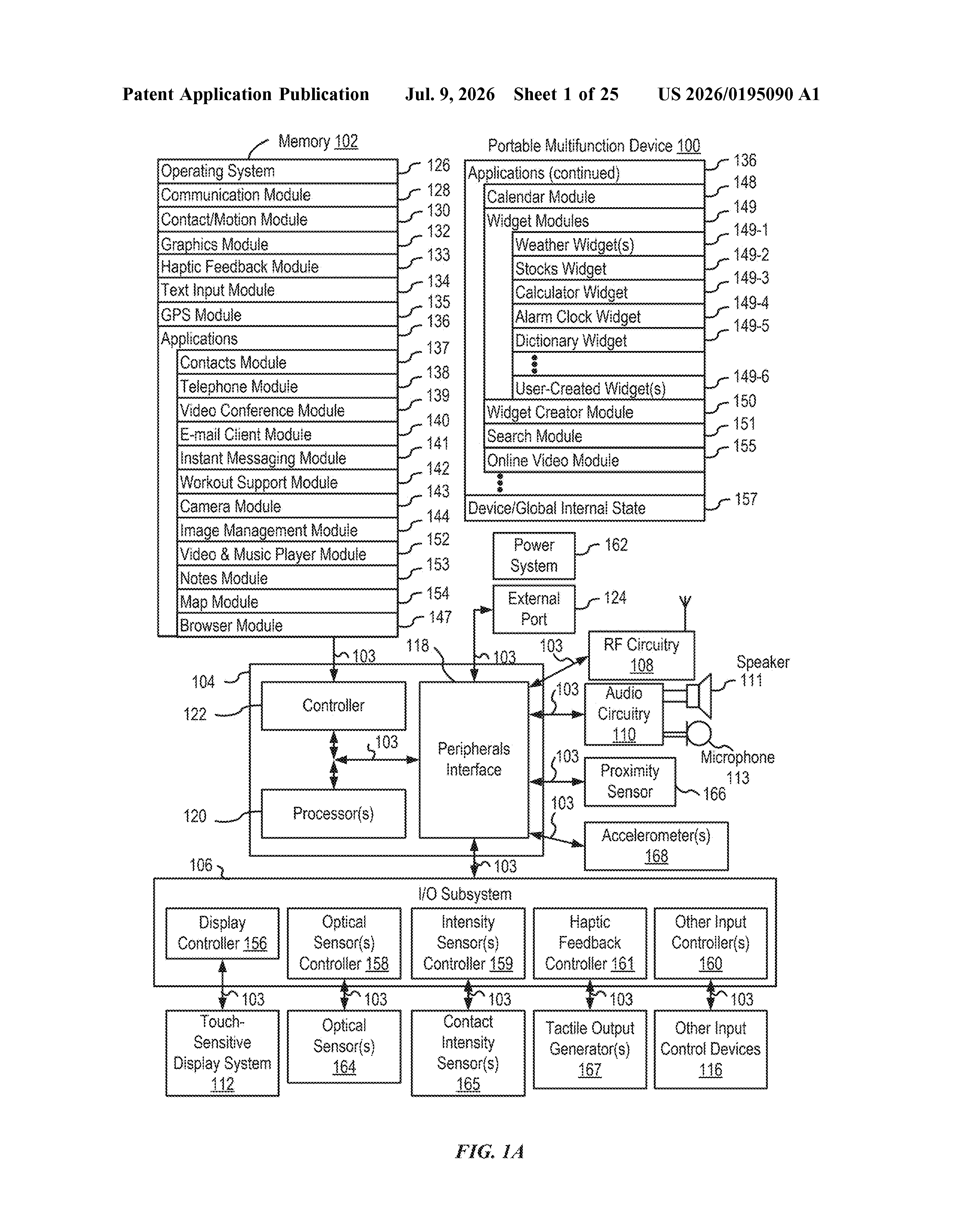
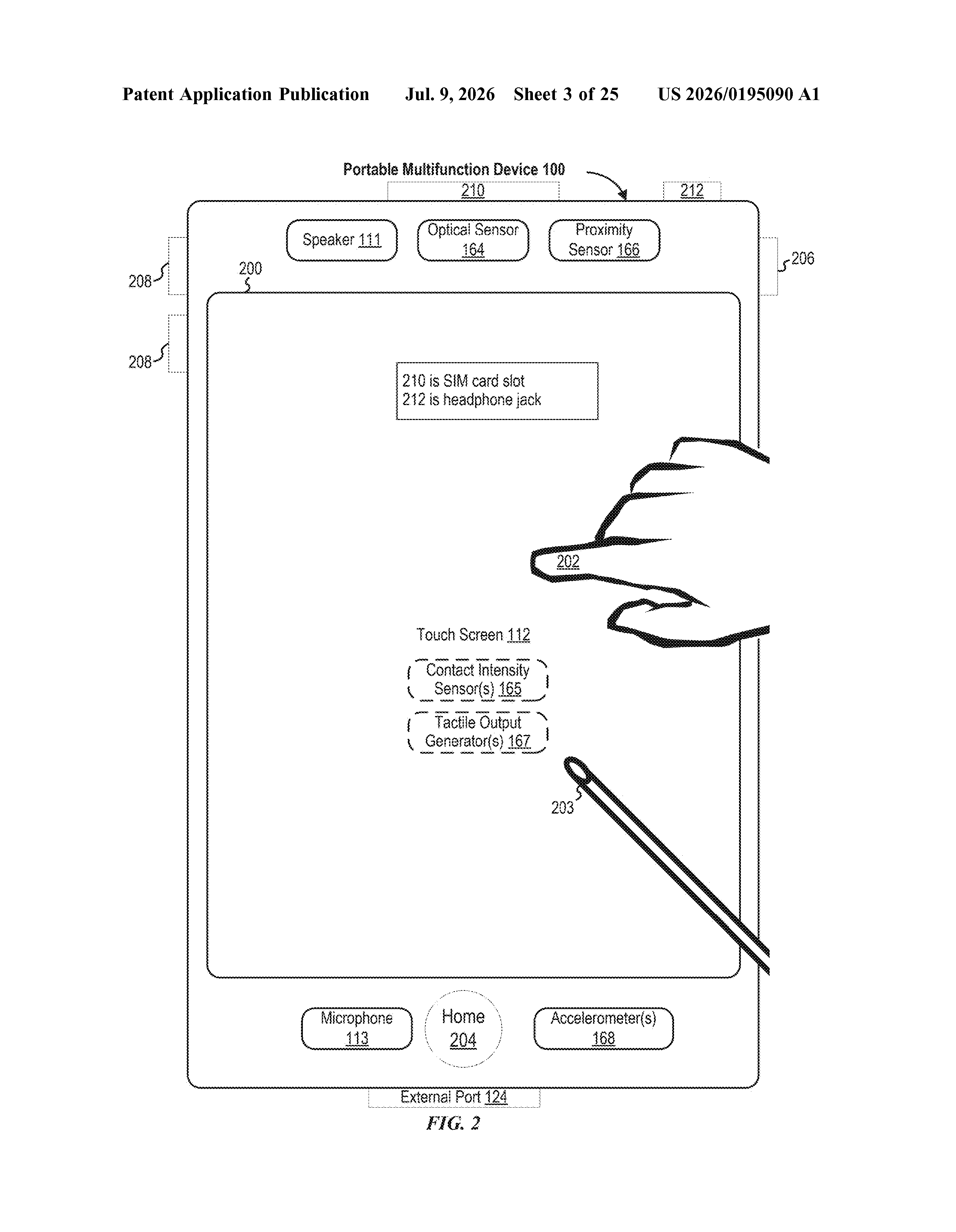
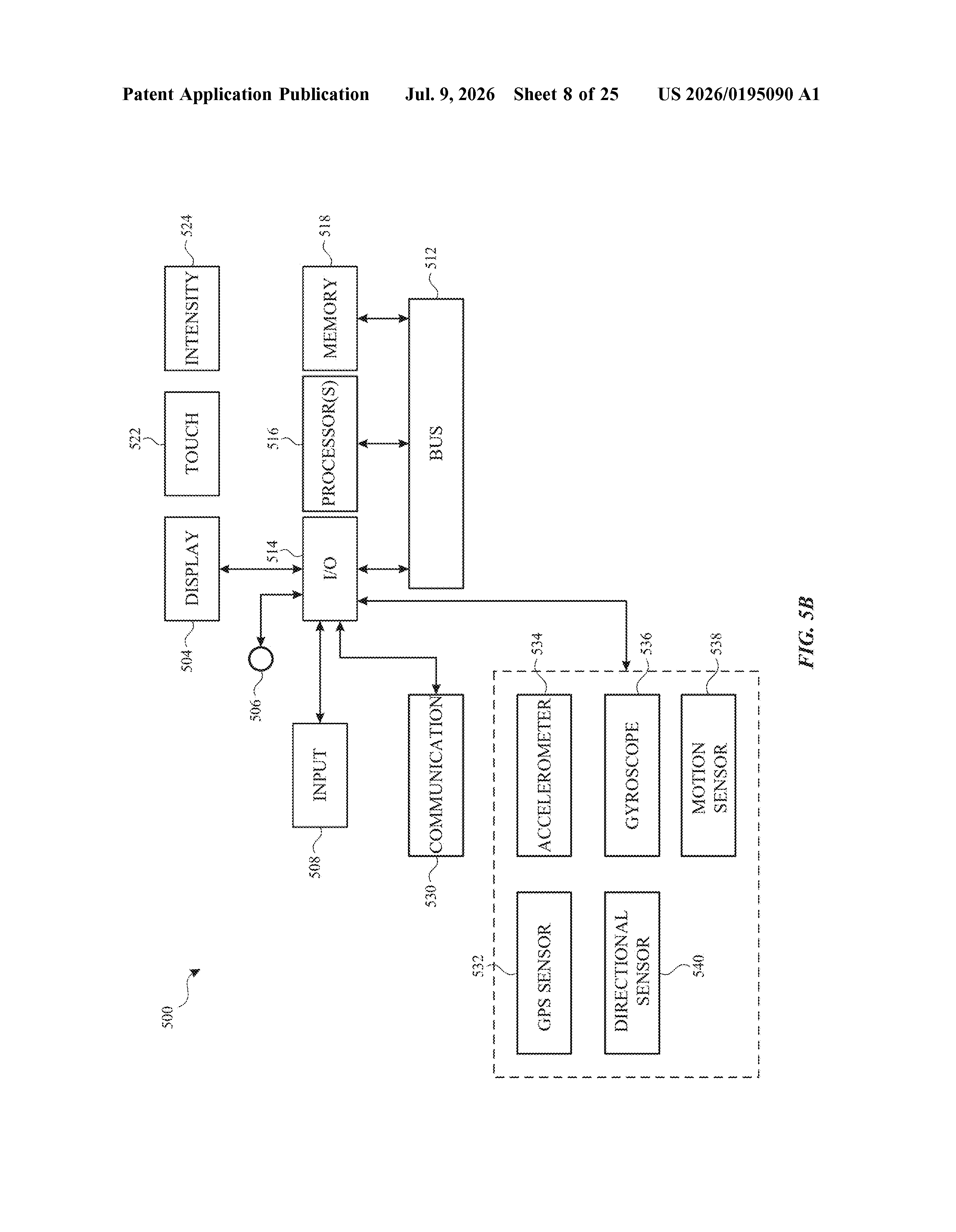
The patent describes a computer system (most likely an iPhone or iPad, though it could apply to Apple Vision Pro or future wearables) that continuously analyzes the live camera feed looking for entry points to physical locations, doors, gates, and similar access points.
When the system identifies an entry point in the frame, it outputs audio describing the entry point's characteristics. Critically, the patent specifies these are characteristics other than just the distance or direction to the entry point, meaning the system is meant to convey richer, more useful information about what kind of entry point it is and what the user might need to know to navigate it.
A parallel branch of the patent also covers detecting people in the camera's field of view and announcing characteristics about them, though the primary independent claim focuses on entry points.
- Camera feed is monitored in real time via optical sensors
- When an entry point enters the frame, audio output is triggered automatically
- When no entry point is visible, the system stays silent
- Characteristics described go beyond simple location or proximity data
This kind of conditional audio output (speak only when relevant, stay silent otherwise) is a common pattern in accessibility features designed to give useful information without overwhelming the user.
What this means for blind and low-vision iPhone users
Apple has been building out its accessibility tools for years, and this patent fits squarely into that work. Features like this are most directly useful for people who are blind or have low vision, giving them a way to understand their physical environment through audio feedback rather than sight. The patent's focus on what the door is like, not just where it is, suggests Apple is trying to go beyond basic obstacle detection toward genuinely practical navigation help.
The broader signal here is that Apple is investing in on-device, real-time scene understanding for everyday physical spaces, not just faces or text. If this capability lands in a future iPhone or Apple Watch, it could become a meaningful upgrade to the existing Magnifier and Detection Mode accessibility tools already shipping in iOS.
This is a focused, practical accessibility patent rather than a flashy consumer feature. Apple's Detection Mode in iOS already does some scene understanding, and this looks like a direct extension of that work toward more specific and useful entry-point awareness. It's not the kind of filing that makes headlines, but for users who rely on audio description of their environment, it represents real progress.
There are more where this came from
We read every patent application Big Tech publishes and send you the ones worth knowing. Plain English, free, every week.
The drawings
25 drawing sheets from US 2026/0195090 A1 · click any drawing to enlarge
Want this weekly breakdown for a company we don't cover? Patentlyze Pro →
Be the first to weigh in