
Microsoft Patents a Framework That Auto-Reverses Failed Tasks Across Multiple Apps
When a multi-step task fails halfway through two separate apps, who cleans up the mess? Microsoft's new patent describes a central controller that automatically reverses every step in every app the moment something goes wrong.
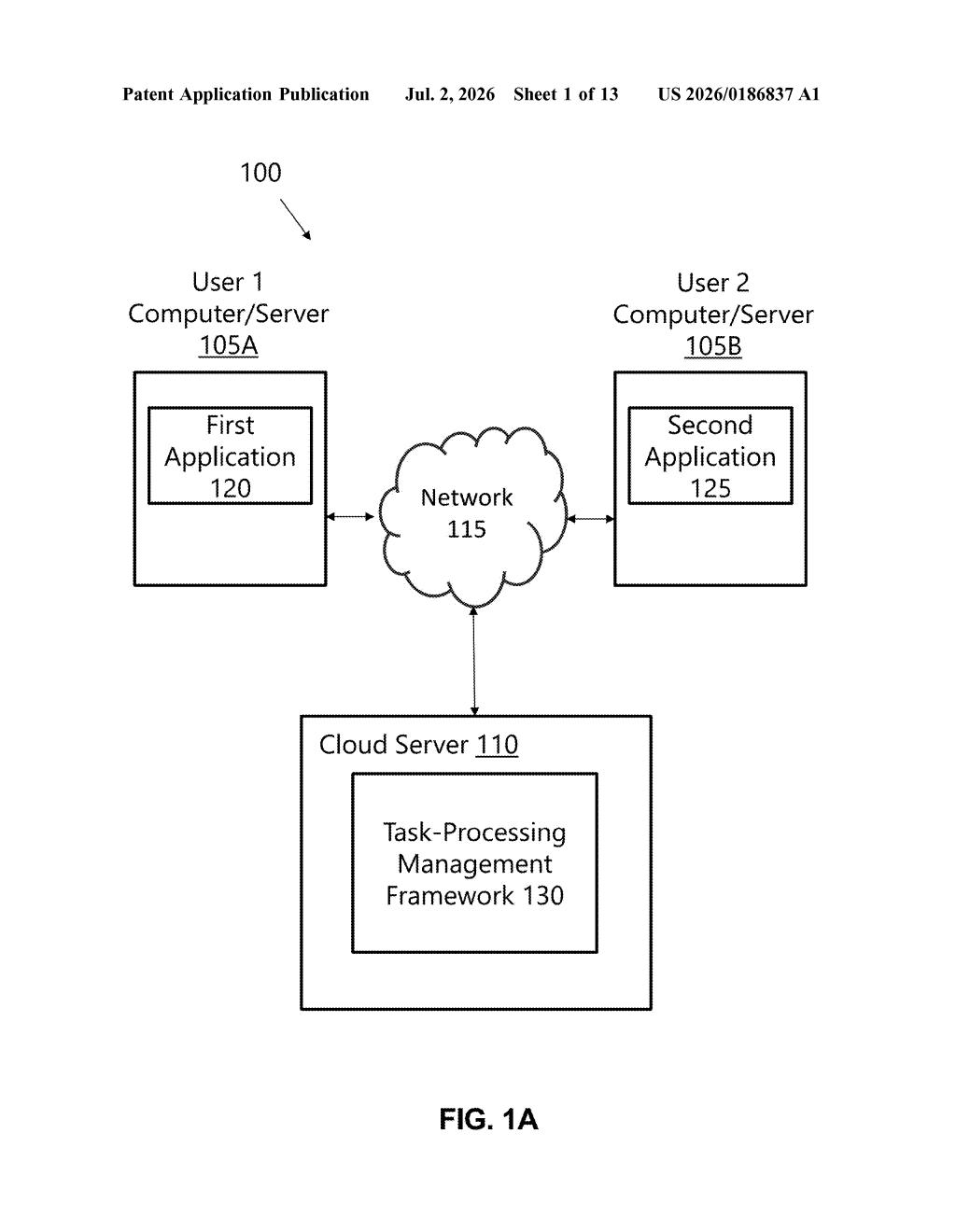
What Microsoft's cross-app task rollback system actually does
Imagine you ask a piece of software to do two things at once: update your calendar in one app and log a record in another. If the calendar update works but the second app crashes, you're left with mismatched data and a manual cleanup job nobody wants.
Microsoft's patent describes a middleman system that coordinates tasks sent to different apps. Before sending any work, it prepacks each task with an automatic "undo" instruction. If either app reports a failure, the central system sends a rollback command to both apps, reverting everything to the state before the task started.
Think of it like a bank transfer: either both sides complete or neither side keeps the change. The goal is to stop half-finished operations from leaving data in a broken, inconsistent state across your tools.
How the order-packet dispatch and rollback chain works
The patent describes a software task-processing framework that sits between a calling system and two or more target applications. When a request comes in, the framework packages each sub-task into what it calls an order packet, which contains source and destination addresses (so each app knows who sent what) plus a payload.
Each payload carries two things: the task function (the actual work to be done) and a rollback function (pre-written instructions for undoing that work if needed). The framework dispatches these packets to dedicated task processors inside each target application.
Once the work is sent, the framework monitors results:
- If both apps report success, the job is done.
- If either app reports a failure, the framework immediately issues a rollback command to all task processors, including the one that succeeded.
This creates an all-or-nothing guarantee across applications, a pattern software engineers call distributed transaction atomicity (the idea that a group of operations either all complete or all get reversed). The novelty here is that the rollback instructions travel with the task from the start, rather than being figured out after a failure occurs.
What this means for enterprise software reliability
Enterprise software often relies on dozens of loosely connected apps handling different parts of the same workflow. Today, when one step fails midway, recovery usually means manual intervention, custom error-handling code baked into each app, or just hoping someone notices the inconsistency later. A central framework that ships rollback logic with the original task removes that burden from each individual application.
For Microsoft's enterprise customers, this kind of infrastructure fits naturally into platforms like Azure or Power Automate, where multi-app workflows are common. If this approach makes it into a shipping product, you'd get automated data consistency without your IT team writing custom recovery scripts for every integration.
This is quiet but genuinely useful infrastructure work. The idea of bundling rollback logic with the task itself, rather than bolting recovery on after a failure, is a clean design choice that could save real hours in enterprise workflow maintenance. It's not a flashy consumer feature, but it solves a problem that frustrates IT teams constantly.
There are more where this came from
We read every patent application Big Tech publishes and send you the ones worth knowing. Plain English, free, every week.
Want this weekly breakdown for a company we don't cover? Patentlyze Pro →
Be the first to weigh in