
Amazon Patents Technology to Stop Cloud Data From Arriving Scrambled
When your cloud server sends thousands of data packets at once, they don't always arrive in the right order. Amazon is patenting a way to keep that process reliable anyway, using structured queues built into the network adapter itself.
What Amazon's out-of-order packet fix actually does
Imagine sending a stack of numbered envelopes through a busy post office. Some arrive early, some late, and a few get lost. Now imagine the post office had a dedicated sorting system for your account that guaranteed every envelope either arrived correctly or triggered an automatic retry. That's roughly what Amazon is describing here.
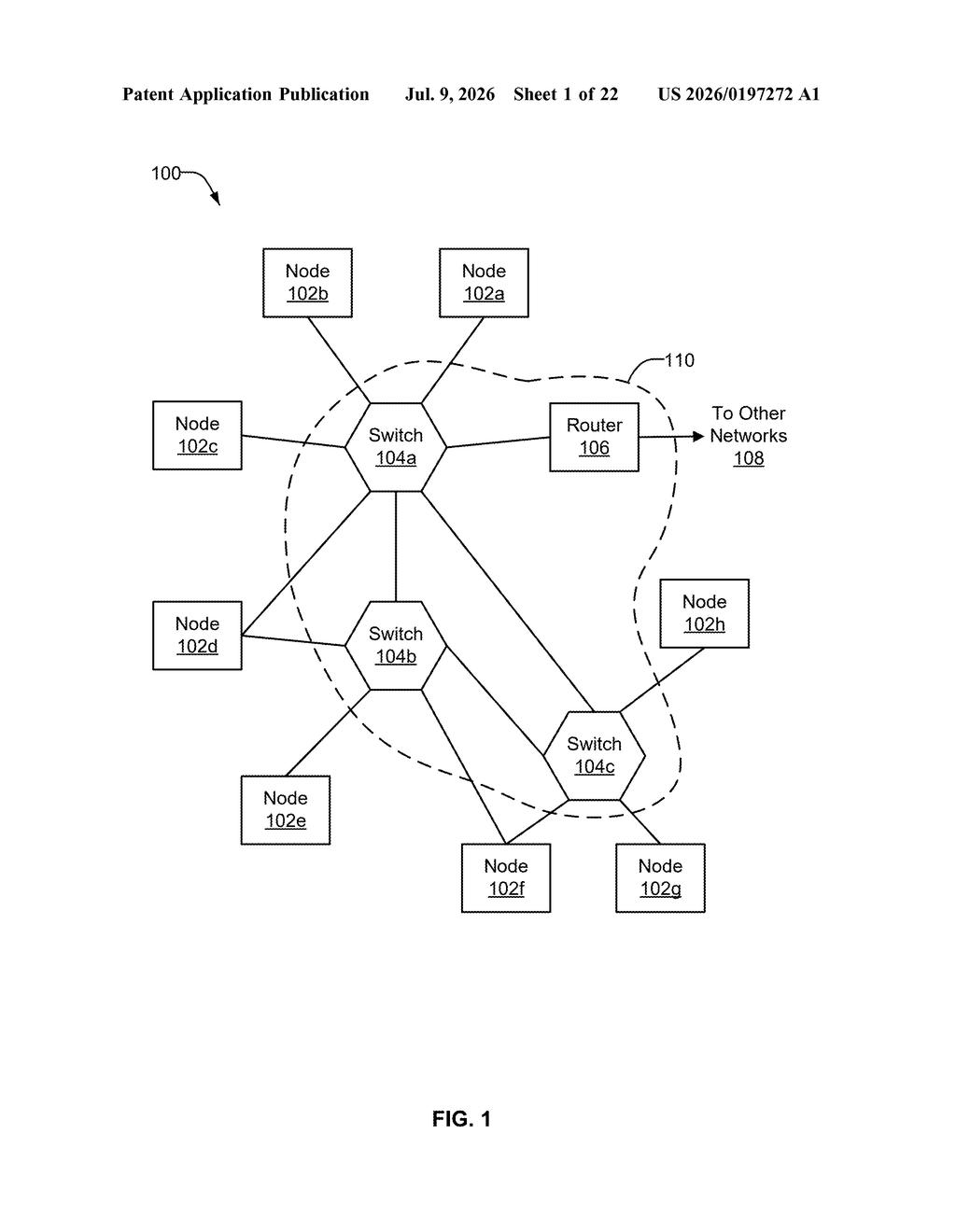
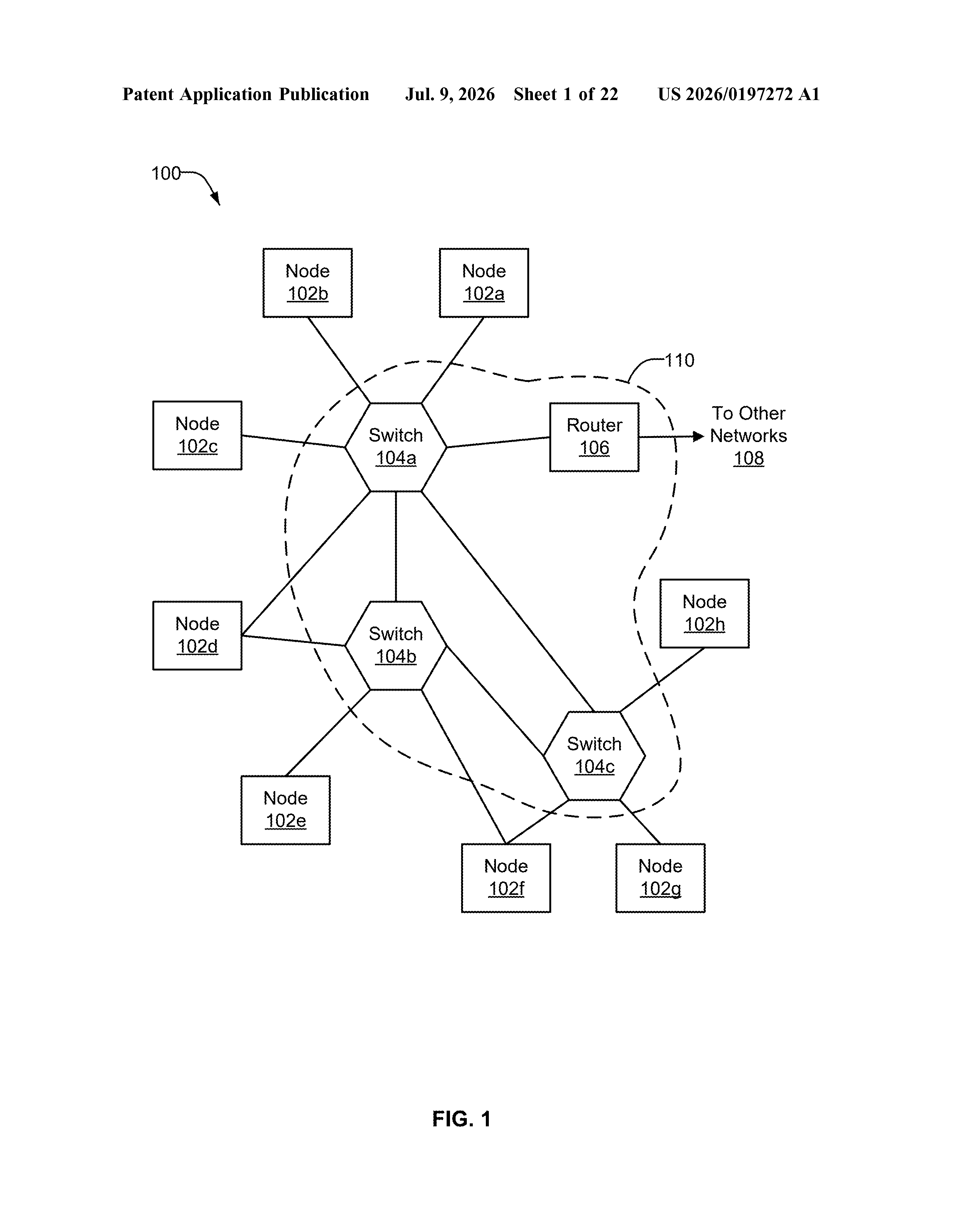
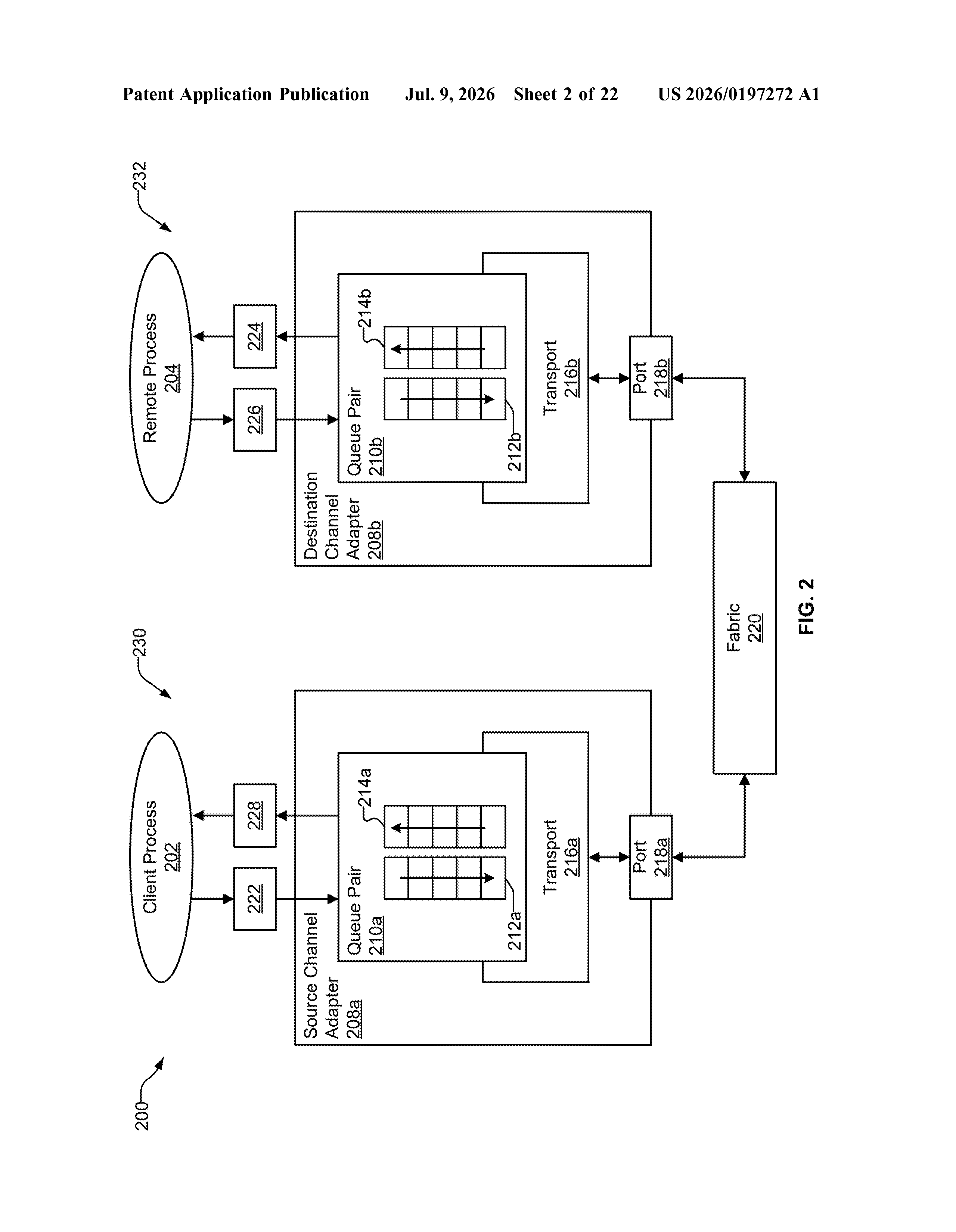
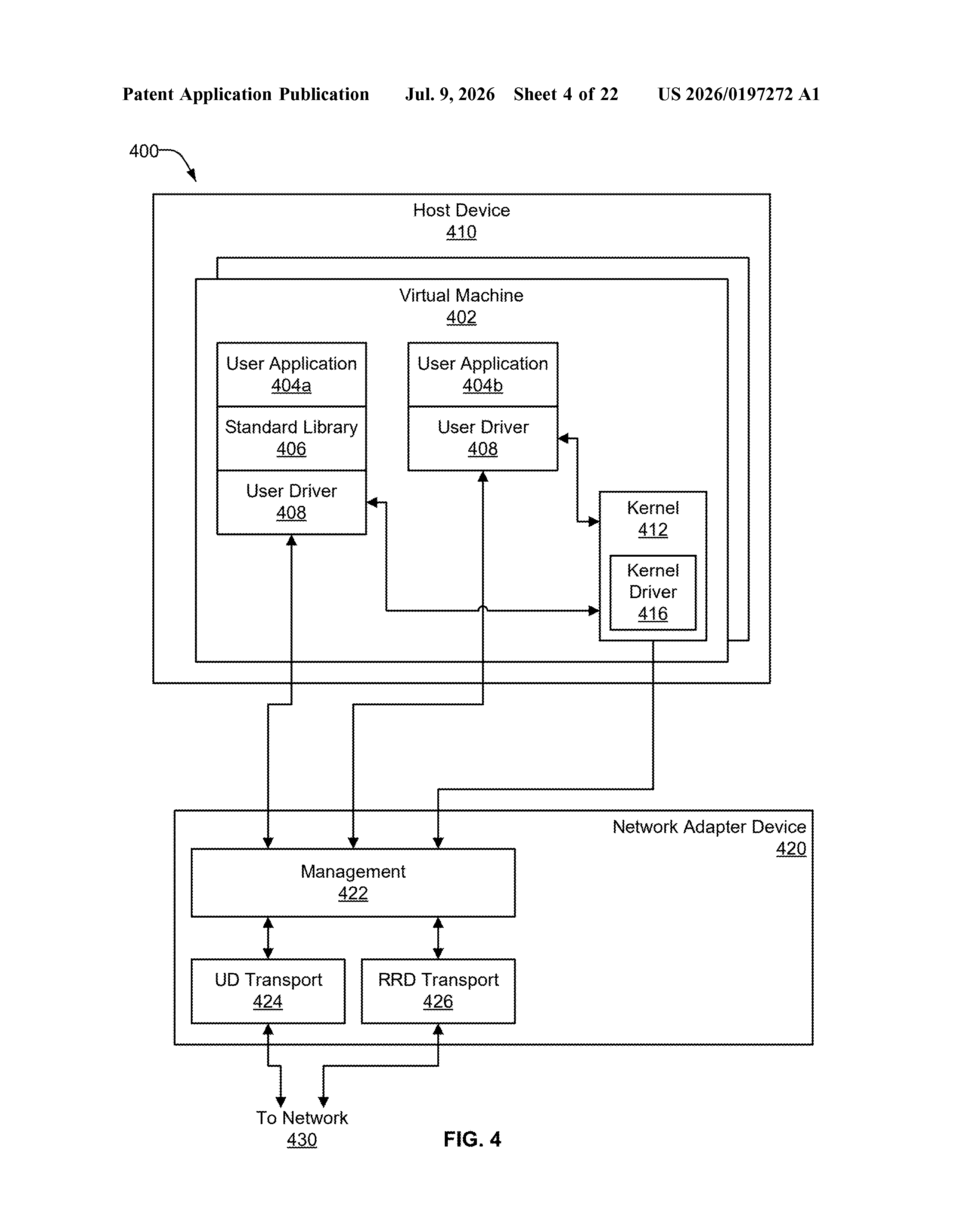
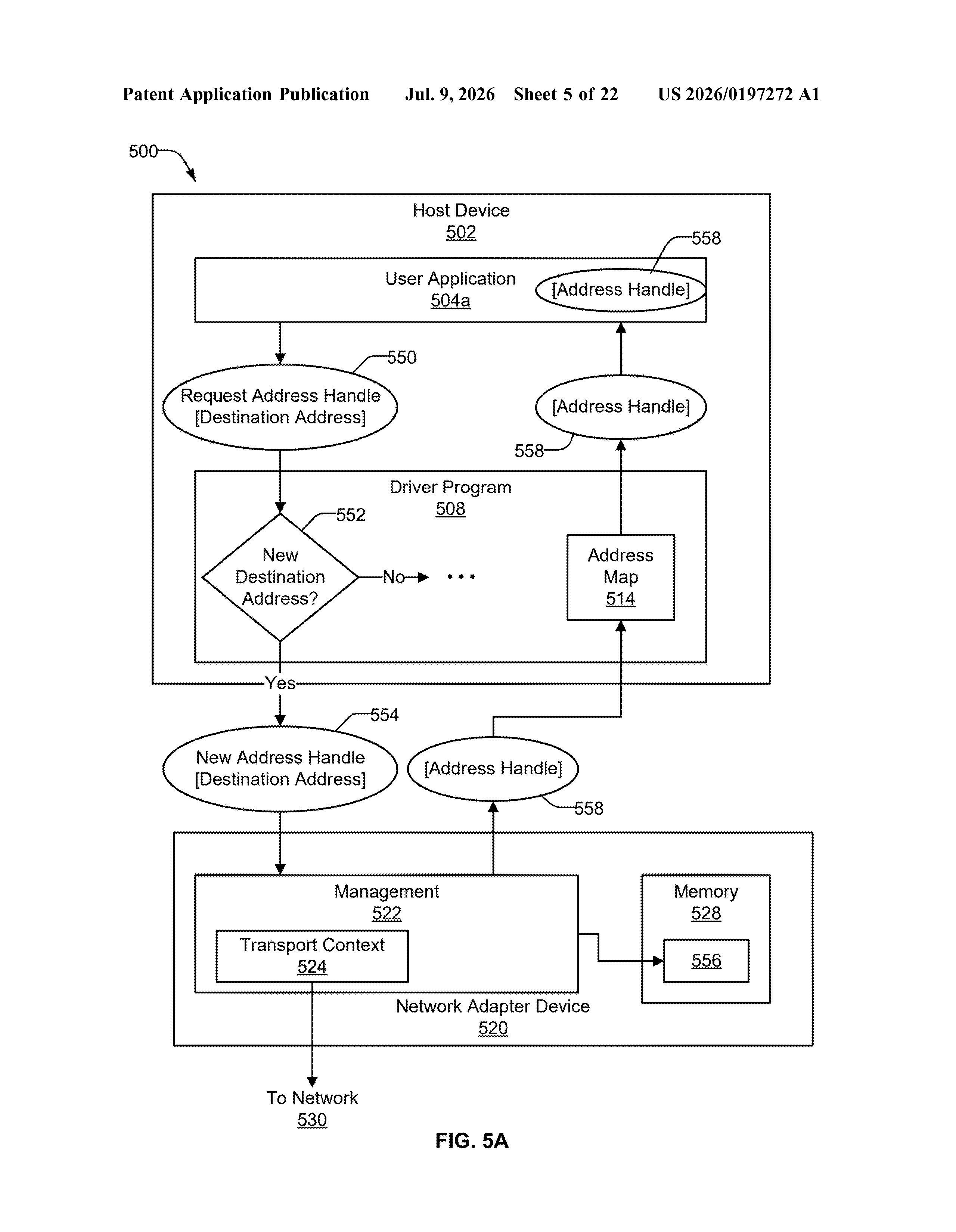
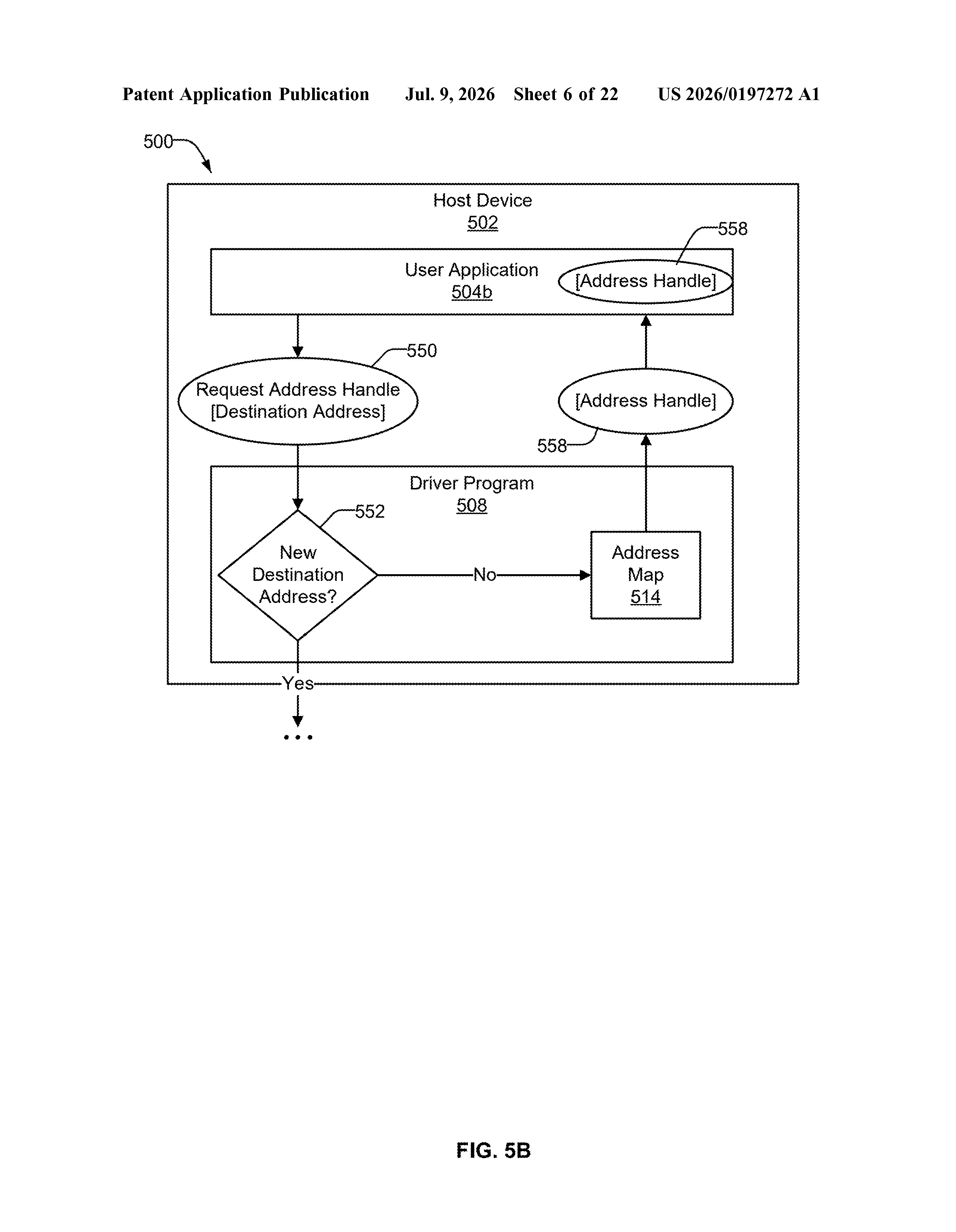
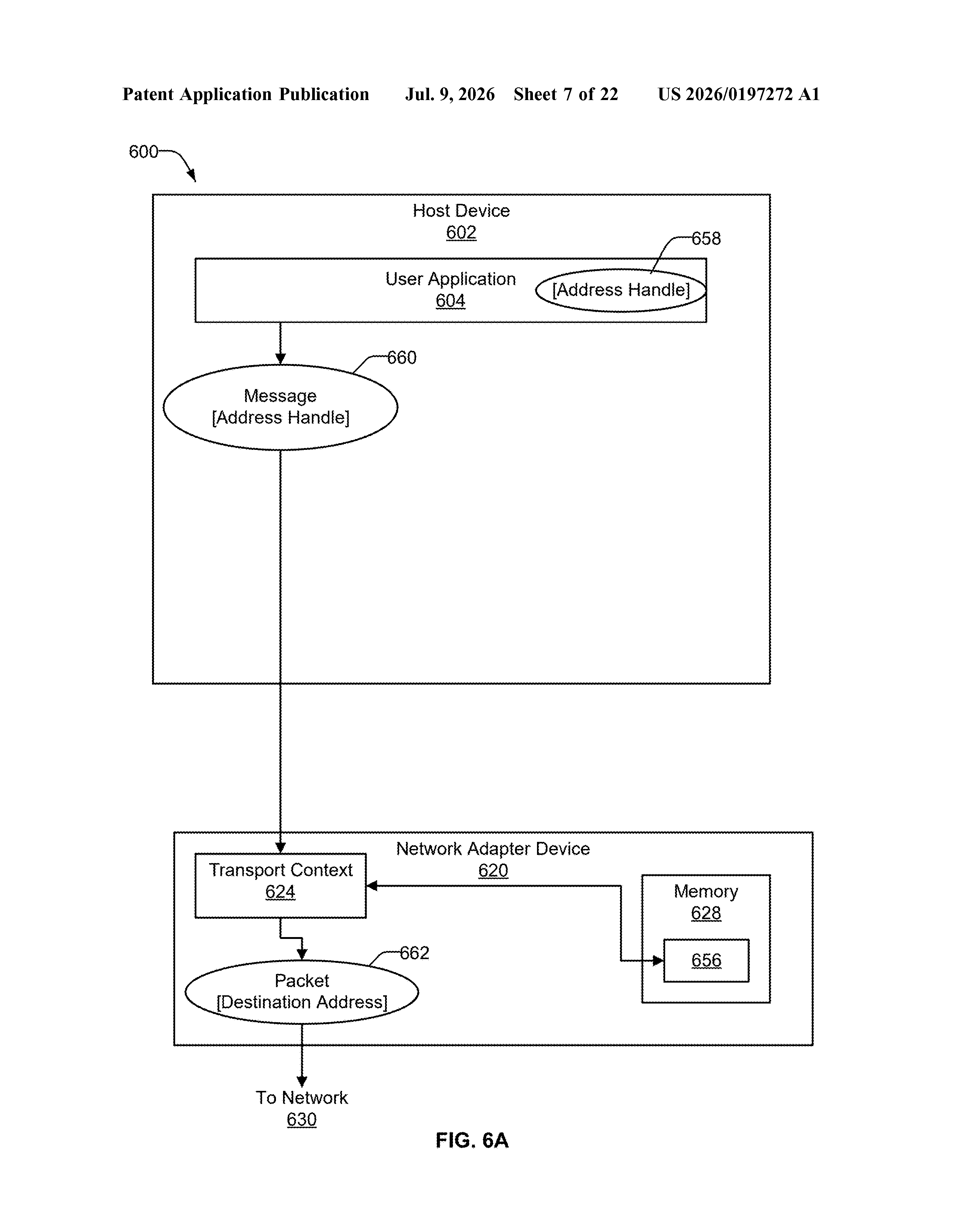
This patent covers a setup where virtual machines (the isolated software environments Amazon rents to businesses on AWS) communicate with a network adapter through dedicated send and receive queues. Each application gets its own virtual interface and its own pair of queues, so traffic from one customer's app doesn't interfere with another's.
The goal is reliable transmission even when packets arrive out of order, which happens constantly in high-speed networks. Rather than making the application deal with that messiness, the hardware layer handles it automatically.
How the queue pairs handle send and receive traffic
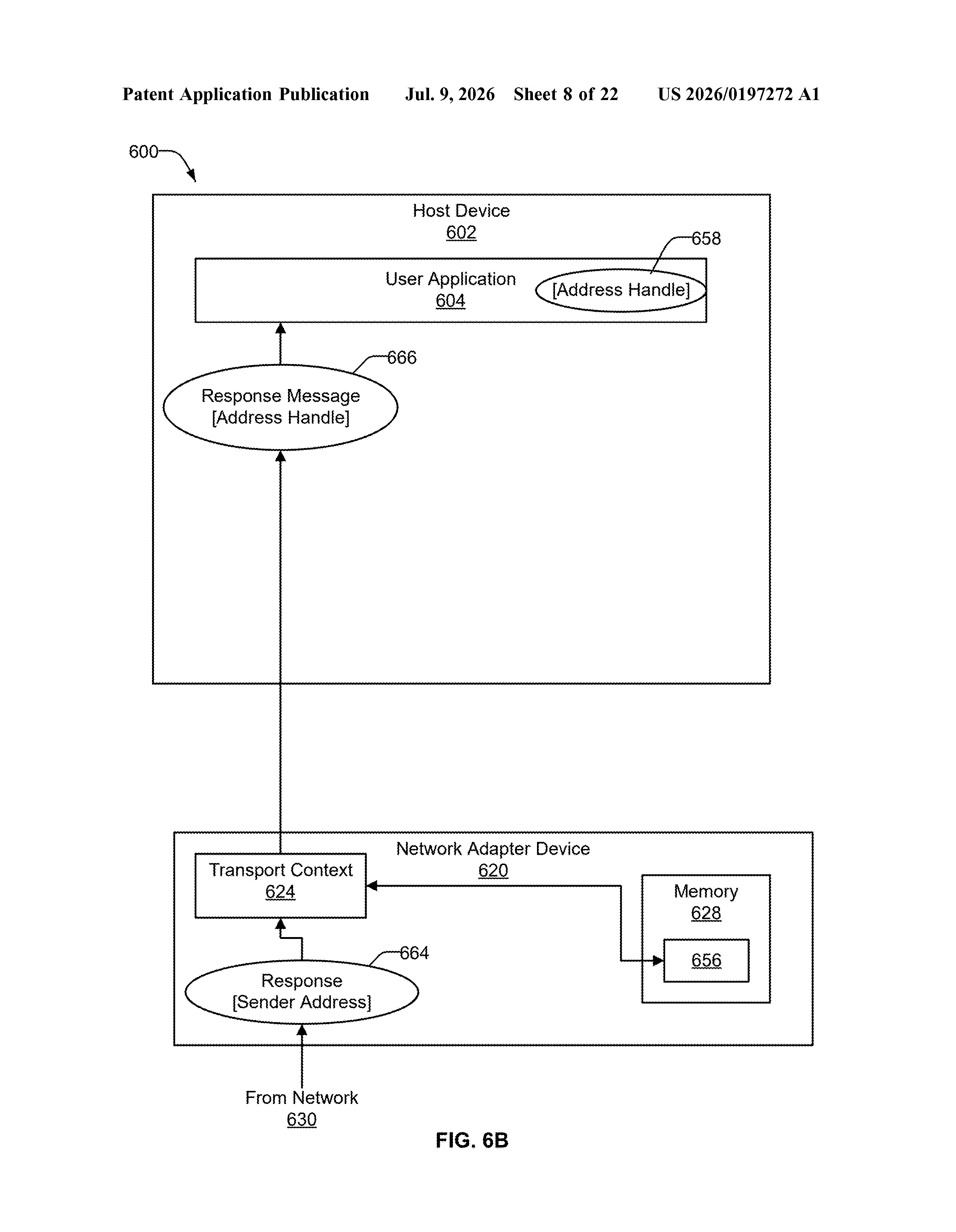
The patent describes a network adapter device connected to a virtual machine through multiple virtual interfaces, where each interface is assigned to a specific user application running inside that virtual machine.
At the core of the design are queue pairs: each one contains a send queue (for packets going out to the network) and a receive queue (for packets coming in from the network). This is a well-known pattern in high-performance networking called RDMA (Remote Direct Memory Access), which lets network hardware move data without involving the main CPU.
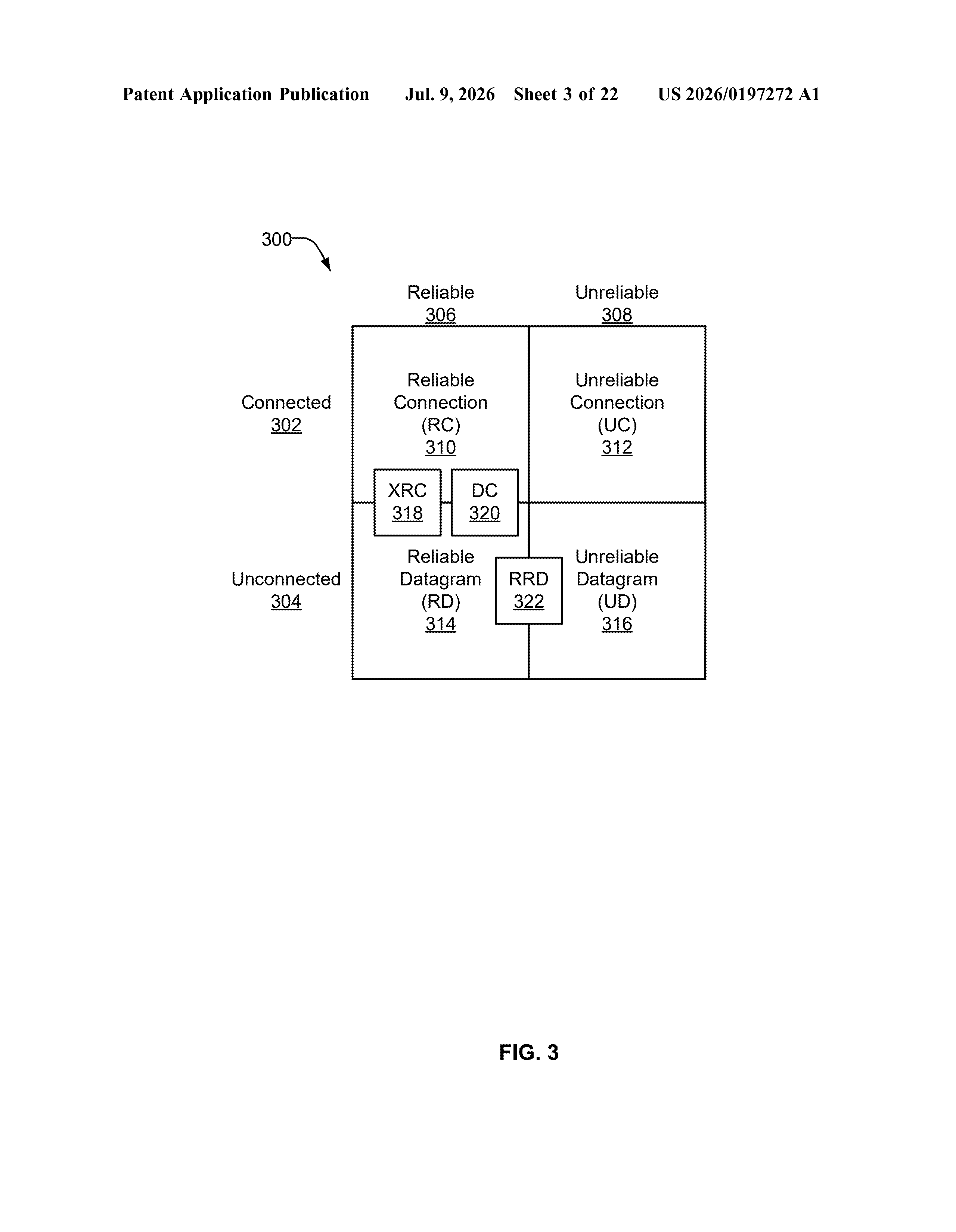
What the patent specifically addresses is making that process reliable under out-of-order conditions. In fast networks, packets frequently arrive in a different sequence than they were sent. The queue-pair architecture here is designed to absorb that disorder at the adapter level, so the application sees a clean, ordered, complete data stream.
- Virtual machines connect to the adapter via multiple virtual interfaces
- Each application gets its own dedicated queue pair
- Send and receive queues handle transmit and incoming packets separately
- Reliability is enforced at the network adapter, not the application layer
What this means for Amazon's cloud networking stack
For Amazon, network throughput and reliability inside AWS data centers is a direct competitive variable. Customers running latency-sensitive workloads (financial trading, real-time AI inference, large distributed training jobs) pay close attention to how well a cloud provider's internal network performs. A hardware-level queuing approach that handles out-of-order delivery without burdening the application is exactly the kind of infrastructure detail that separates fast clouds from slow ones.
That said, the first independent claim (claims 1-20) was canceled in this publication, which significantly weakens the filing's current scope. What remains may be narrower continuation claims or dependent claims. This looks more like an infrastructure housekeeping filing than a major new capability announcement.
This is deep plumbing work. The canceled independent claims make it hard to assess what Amazon actually locked down here, and the core queue-pair concept is not new territory in networking. It's worth filing away as evidence that Amazon is actively patenting its custom network adapter architecture (likely tied to its Nitro or EFA networking hardware), but there's nothing here that signals a visible product change for AWS customers.
There are more where this came from
We read every patent application Big Tech publishes and send you the ones worth knowing. Plain English, free, every week.
The drawings
22 drawing sheets from US 2026/0197272 A1 · click any drawing to enlarge
Want this weekly breakdown for a company we don't cover? Patentlyze Pro →
Be the first to weigh in