
Amazon Patents a Frictionless Item-Return System for Physical Stores
Amazon is patenting a system that can automatically process item returns — or any item 'transition' — as you walk out of a physical store, with no scanning, no staff interaction, and no delay.
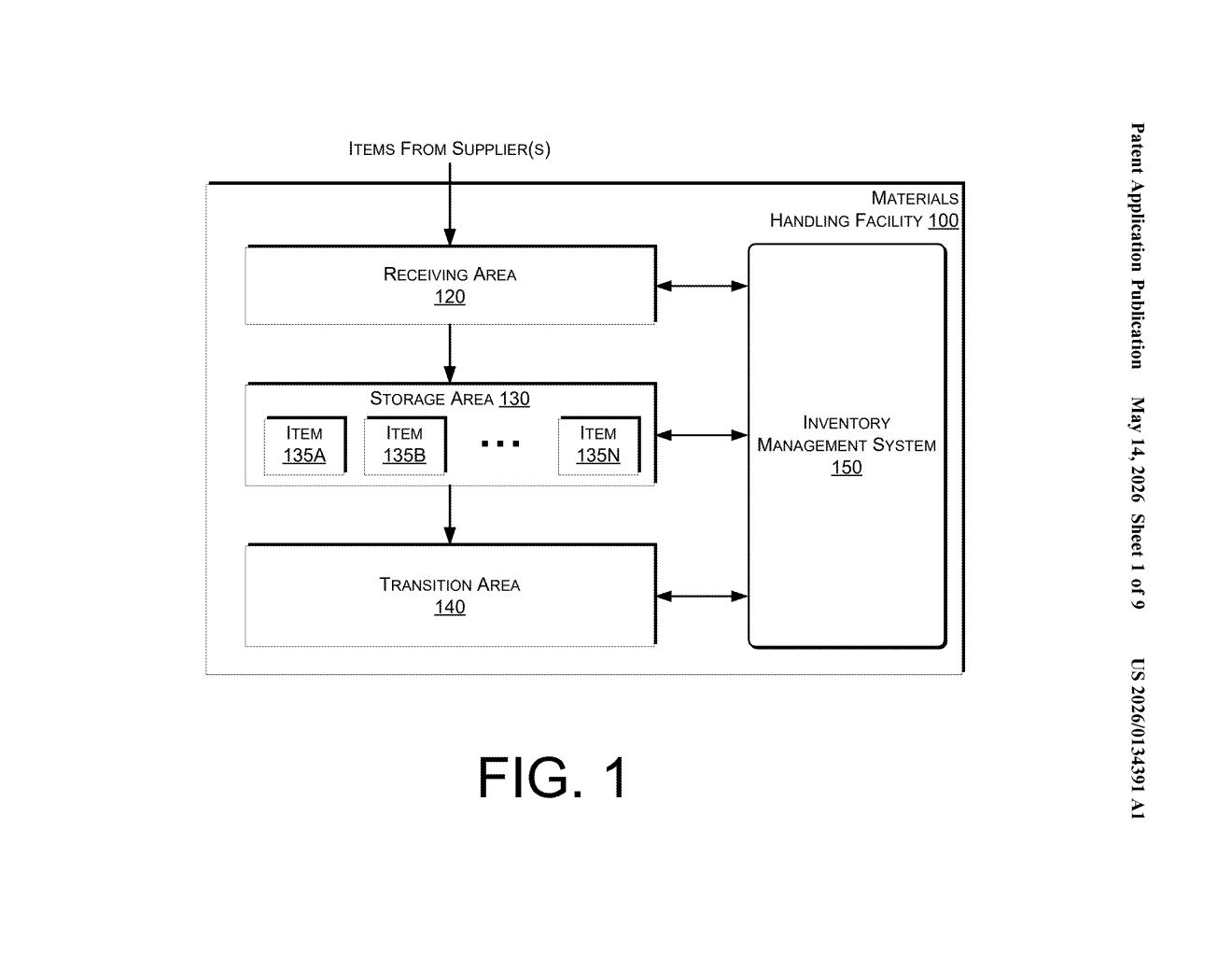
What Amazon's automatic store-exit detection actually does
Imagine you're shopping at a physical store, you pick up a few items, and then decide to put one back before leaving. In most stores, that's fine — you just set it on a shelf. But what if the store already knows you picked it up and needs to reconcile that before you leave?
Amazon's patent describes a system that handles exactly this kind of moment automatically. As you move through a transition area — think a lobby, a gate, or an exit zone — the system detects who you are and which items are associated with your account, then finalizes whatever transaction or return needs to happen. You don't stop, tap, scan, or sign anything.
This builds directly on Amazon's existing Just Walk Out technology, which tracks shoppers and their item picks in real time. The new piece is the exit-side logic: making sure the system cleanly closes out your session, including any items you're returning or handing back, as you pass through the door.
How Amazon's transition-area system tracks and processes items
The patent describes an item transition process that fires when a user enters or passes through a designated transition area inside a materials handling facility (Amazon's term for a store, warehouse, or fulfillment space).
Here's the basic flow the patent outlines:
- The system detects the user in the transition area — likely via computer vision, sensor arrays, or account-linked device signals.
- It identifies the user against a known account or session (tying back to earlier tracking during the shopping visit).
- It checks whether any item transitions need to be processed — this could mean finalizing a purchase, recording a return, or adjusting inventory.
- If a transition is needed, it's executed automatically. A confirmation is then sent to the user, probably via app notification or receipt.
The clever part is that the whole sequence happens without affirmative input from the shopper — you don't tap, swipe, or acknowledge anything in real time. The system resolves the transaction on its own as you exit.
The patent is specifically focused on the return detection side of this loop: making sure items a user picked up but then set down (or handed back) are correctly reconciled before the session closes.
What this means for Amazon's cashierless store ambitions
Amazon has spent heavily on Just Walk Out technology for its Amazon Fresh and Amazon Go stores, but the system has faced real operational headaches — particularly around accurately tracking when customers put items back. A frictionless, automated return-detection layer at the exit would close one of the more persistent gaps in cashierless retail.
For you as a shopper, this means fewer surprise charges for items you thought you returned, and no need to flag anything to staff. For Amazon, it means cleaner transaction data, lower shrinkage ambiguity, and a smoother pitch to third-party retailers who might license the Just Walk Out platform.
This is quiet but genuinely useful infrastructure work. Amazon's cashierless retail push has always been stronger on the 'pick up items' side than the 'put items back' side, and this patent directly addresses that. It's not flashy, but it's the kind of fix that makes or breaks whether a technology actually scales to mainstream retail.
There are more where this came from
We read every patent application Big Tech publishes and send you the ones worth knowing. Plain English, free, every week.
Want this weekly breakdown for a company we don't cover? Patentlyze Pro →