
Tesla Patents a Perforated Glass Window That Absorbs Road Noise
Tesla is experimenting with car windows that have tiny holes punched into the inner glass layer, using the gap between layers to soak up road noise and hold back heat in ways standard double-pane glass can't.
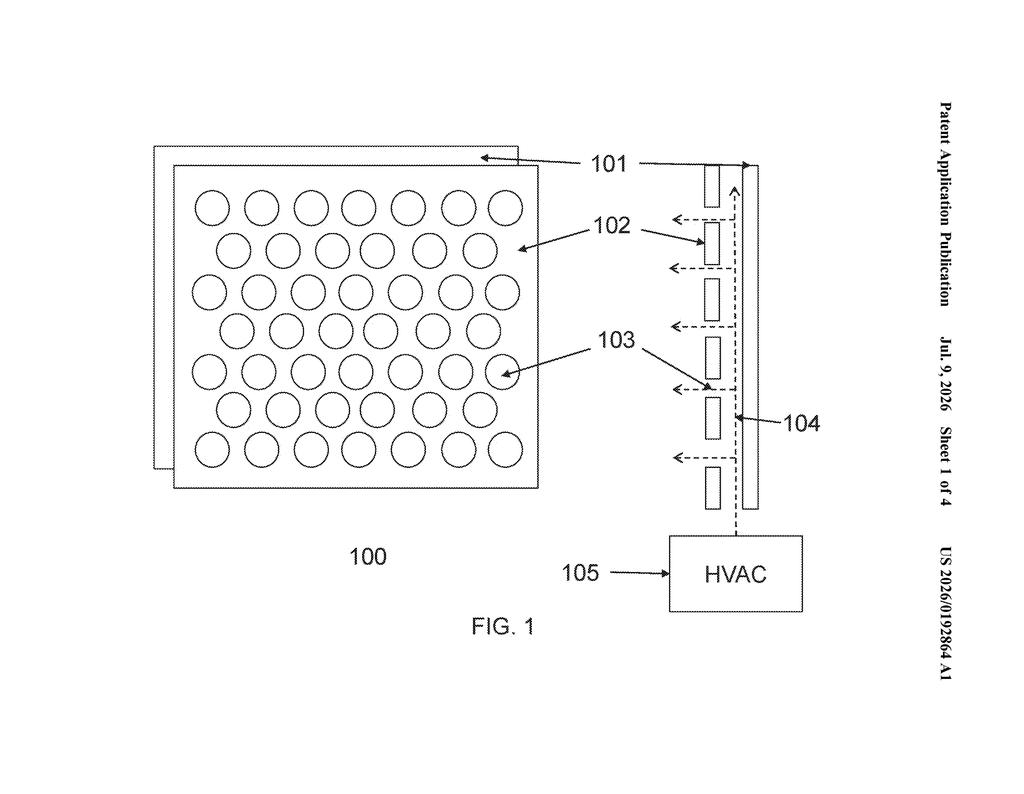
What Tesla's hole-punched car window actually does
Imagine riding in a car where the windows themselves act like acoustic panels absorbing the hum of the road and the rush of wind rather than just reflecting it back at you. That's roughly what Tesla is going for here.
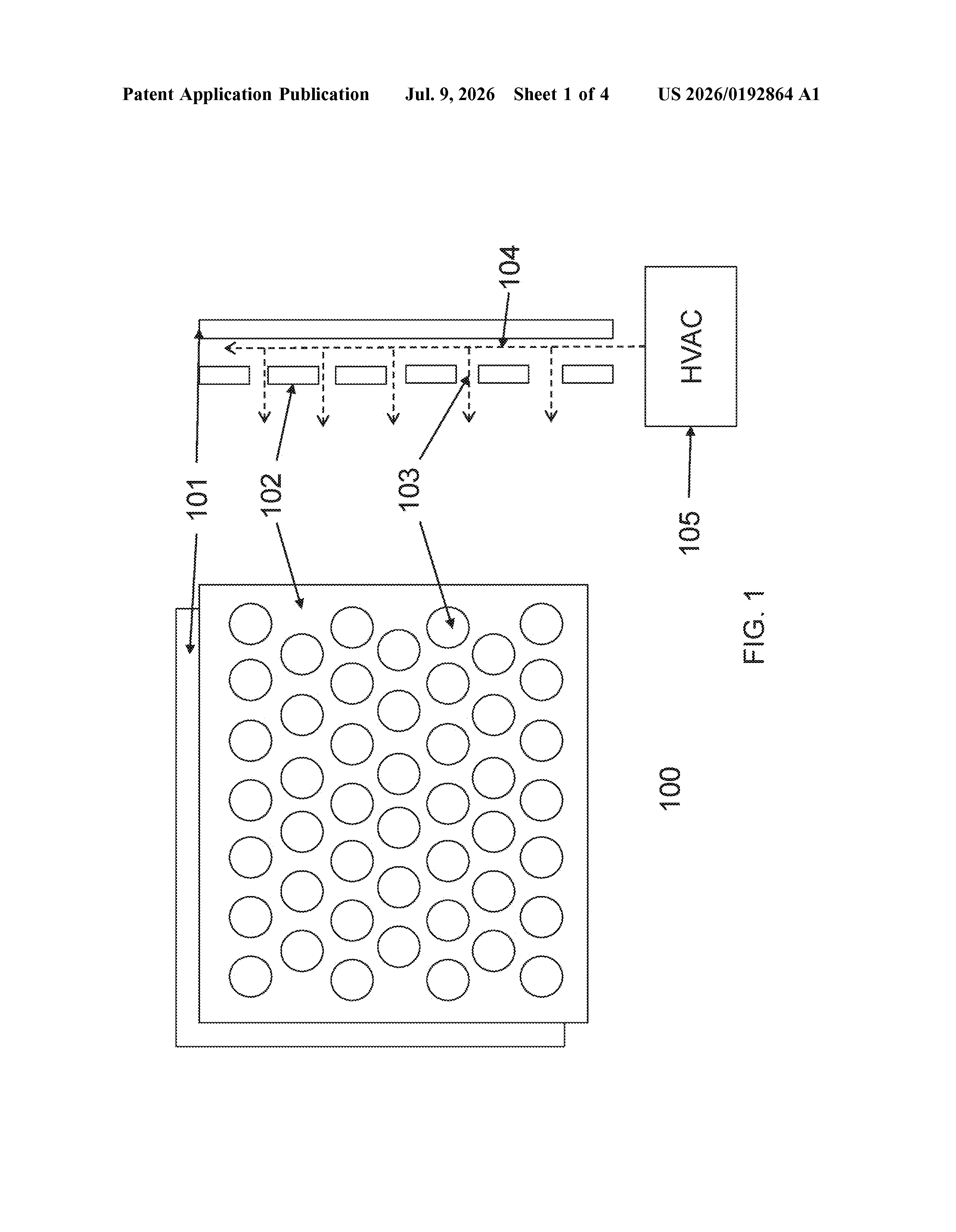
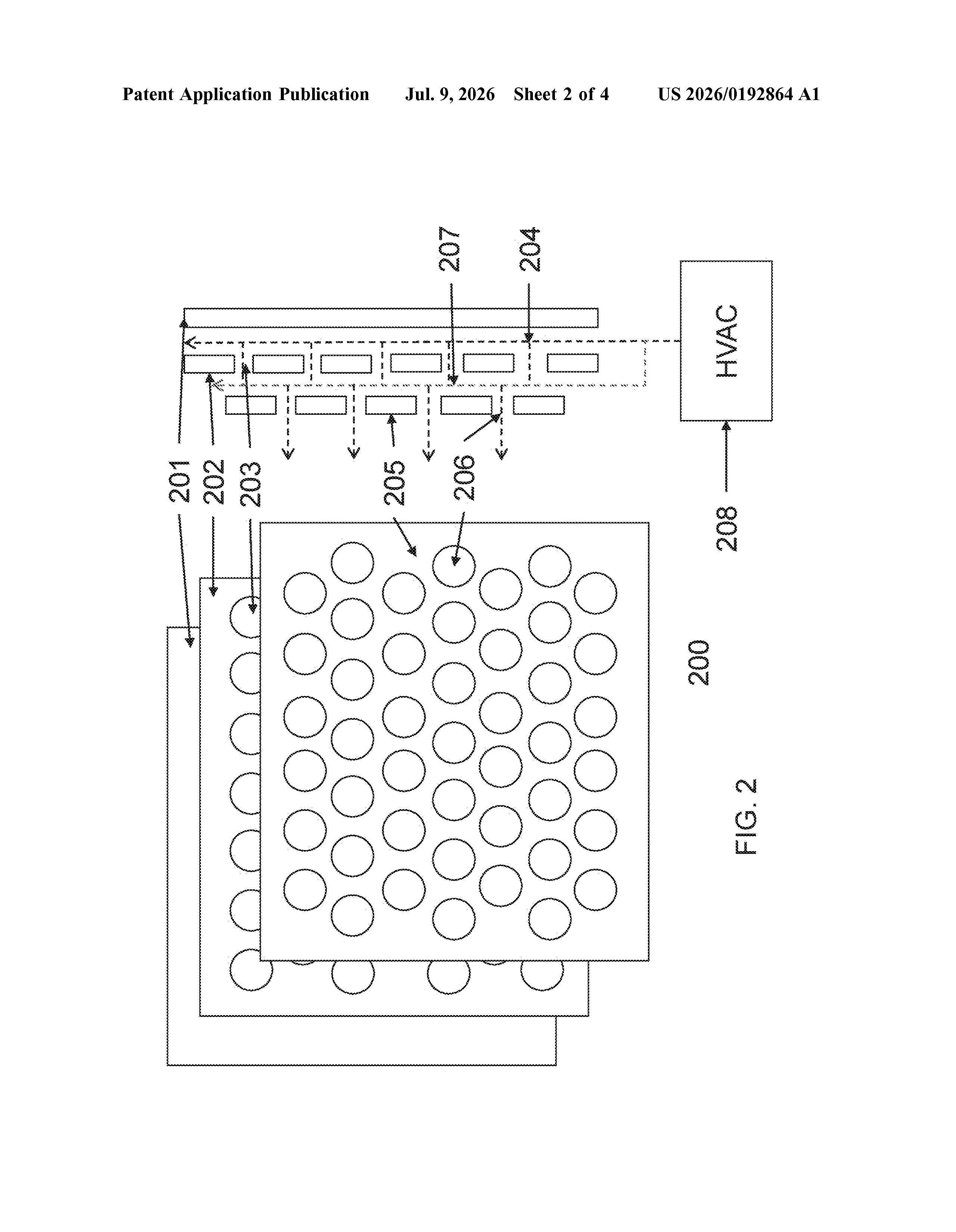
The patent describes a window made of two glass layers with a gap between them, similar to the double-pane windows in your home. The twist: the inner layer is perforated with many small holes. Those holes, combined with the air pocket behind them, are designed to trap and dampen both sound waves and heat transfer.
In practical terms, it's a cabin comfort play. Less road noise and better temperature insulation could make the inside of a Tesla feel quieter and more stable in hot or cold weather, without adding significant weight to the vehicle.
How the perforated inner layer traps sound and heat
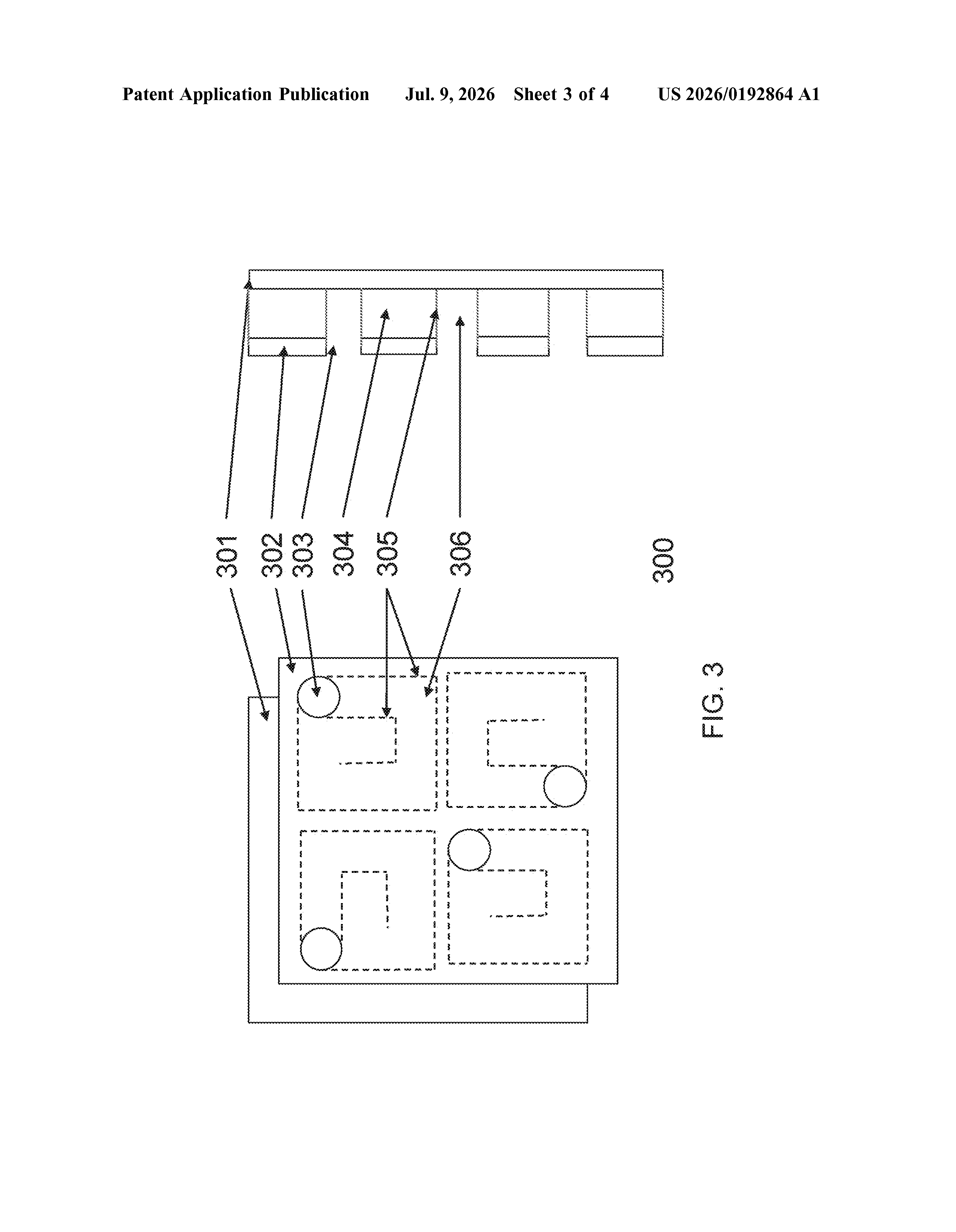
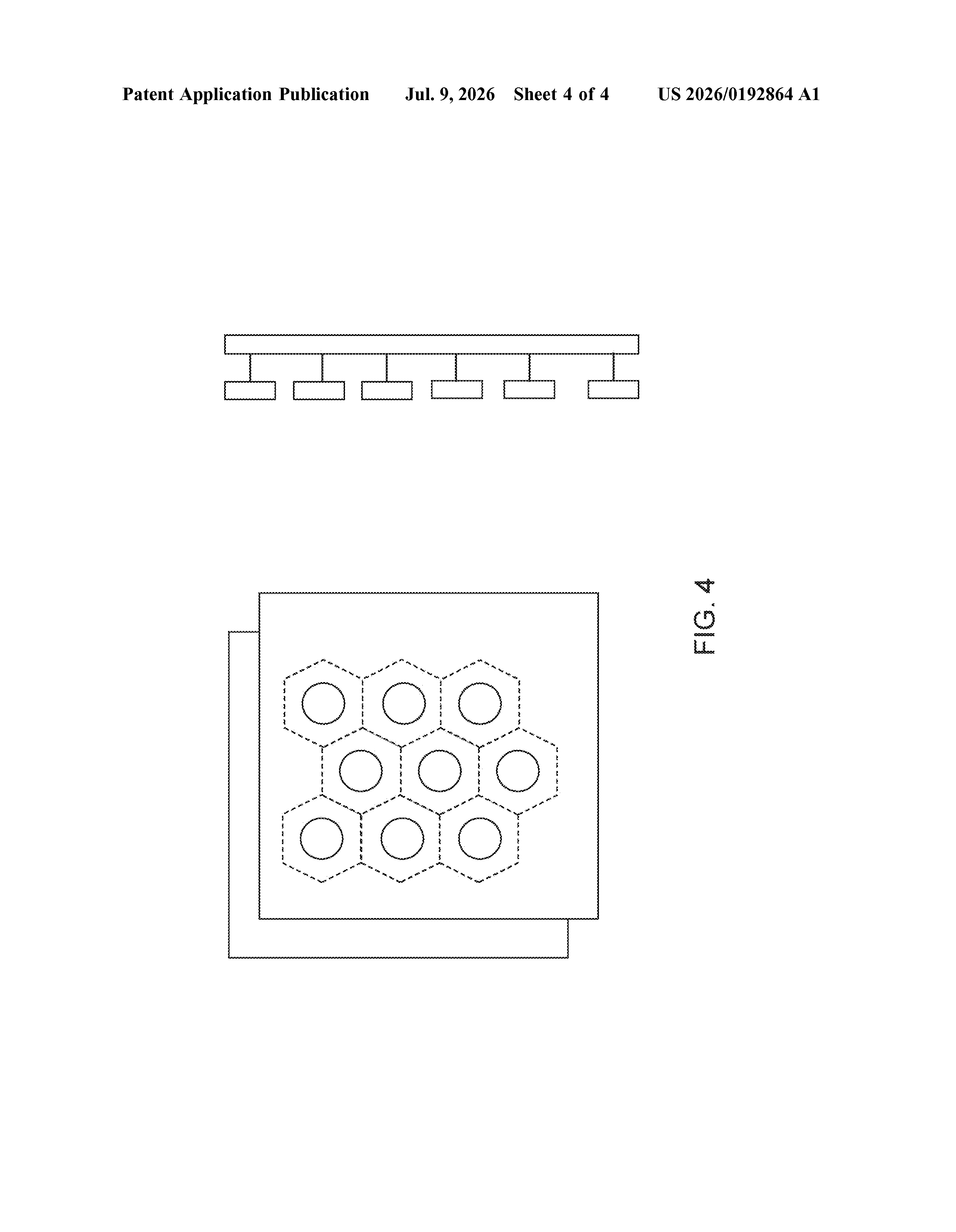
The patent describes an insulated glass unit (IGU) with a structural twist. Instead of two solid panes of glass separated by a sealed air or gas gap (the standard approach in energy-efficient windows), Tesla's design uses an inner pane that is perforated by a grid of small holes.
That perforation is the key idea. In acoustics, perforated panels placed in front of an air cavity are a well-known way to absorb sound (the holes let sound energy enter the cavity, where it dissipates as heat rather than bouncing back). Tesla is applying that same principle to a vehicle window.
The outer glass layer stays solid, so the window still keeps out wind, rain, and debris normally. The gap between the two layers acts as the absorptive cavity. The claimed benefits are:
- Noise absorption: road, wind, and tire noise entering from outside is partially absorbed before it reaches the cabin
- Thermal insulation: the air gap slows heat transfer between outside and inside temperatures
The patent does not specify the exact hole size, spacing, or glass thickness, which are typically the engineering variables that determine how well a perforated absorber performs at specific sound frequencies.
What this could mean for Tesla cabin comfort
Tesla cabins are already among the quietest in the segment, partly because electric drivetrains eliminate engine noise. But tire and wind noise become more noticeable precisely because the powertrain is silent, so window-level acoustic treatment is a logical next step.
On the thermal side, large glass roofs and panoramic windshields are a Tesla signature, and they're known to contribute to interior heat buildup. A window that insulates better without going fully opaque would let Tesla keep its signature glass-heavy aesthetic while reducing the load on the climate system, which in turn preserves battery range. Whether this ever ships in a production vehicle is an open question, but the problem it targets is real.
This is a focused, practical patent targeting two genuine complaints about glass-heavy vehicle designs: heat and noise. It's not a flashy sensor or software filing, but perforated acoustic glass in a production car would be a meaningful upgrade for long-distance comfort. The canceled lead claim is a minor red flag worth watching, as it can indicate early prosecution challenges.
Get our take in your Top Stories
Liked this breakdown? Add Patentlyze as a preferred source on Google, and our plain-English take shows up more often in your Top Stories the next time Tesla patent news breaks.
There are more where this came from
We read every patent application Big Tech publishes and send you the ones worth knowing. Plain English, free, every week.
The drawings
4 drawing sheets from US 2026/0192864 A1 · click any drawing to enlarge
Want this weekly breakdown for a company we don't cover? Patentlyze Pro →