
Apple Patent Targets Wi-Fi Transmission Scheduling During Network Quiet Periods
Your phone's radio chip is doing nothing for tiny fractions of every second. Apple wants to use those gaps to sneak in wireless data transfers before the chip even notices.
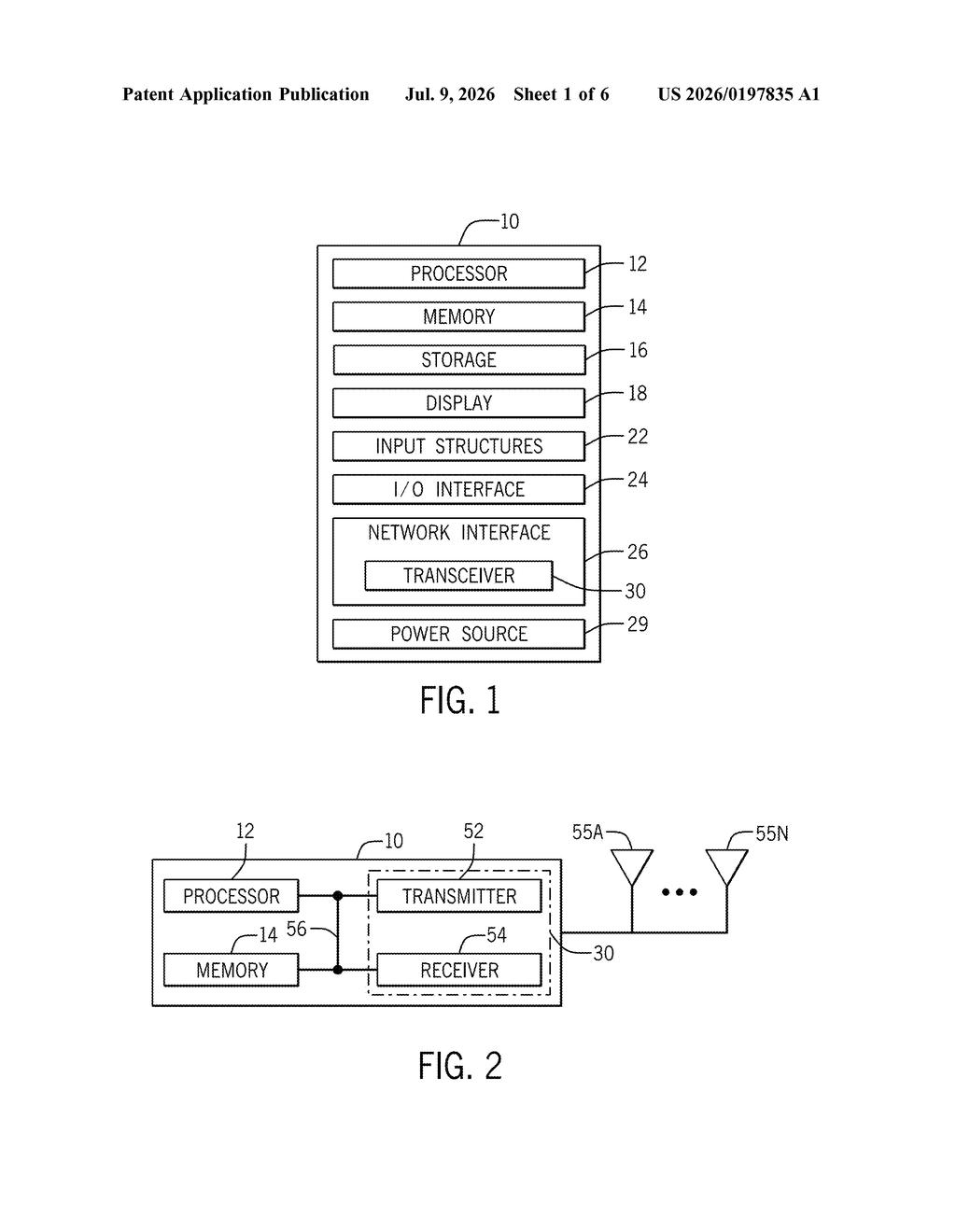
What Apple's radio-gap scheduling actually does
Imagine your phone is constantly juggling Wi-Fi calls, app syncs, and Bluetooth accessories. All of those tasks compete for the same radio hardware, and firing them off randomly wastes both power and time.
Apple's patent describes a system where an app that needs to send data regularly, say, every few seconds, first tells the phone's operating system what schedule it's on. The phone then watches the radio chip for quiet moments when nothing else is happening, and tells the app exactly when to wake up and transmit. The app isn't allowed to just grab the radio whenever it wants; it has to ask, and the system hands out slots like a traffic controller.
The result is that your device sends data during windows that were going to be idle anyway, rather than interrupting something already in progress. That's less wasted energy and fewer collisions between competing transmissions.
How the device finds and assigns idle radio slots
The patent covers a scheduling method that sits between apps and the radio transceiver of a device in a wireless mesh network (a network where each device relays traffic for the others, like HomePod minis or commercial IoT setups).
Here's the sequence:
- An app declares it needs recurring radio access and tells the system how often (the time interval).
- The device analyzes three inputs: current or past radio activity (radio data), the state of other hardware components (system data), and a predictive model that forecasts when the radio will be free.
- From those inputs it identifies time slots of no radio activity, basically confirmed quiet windows.
- It then sends a wake-up command timed so the app wakes up just before a free slot and immediately files a formal grant request for radio access.
The predictive model is the interesting part. Rather than just reacting to current busyness, the device learns usage patterns and anticipates gaps, so the scheduling gets more accurate over time. The claim is broad enough to cover both the device scheduling its own transmissions and a central node in the mesh doing the scheduling on behalf of other devices.
What this means for mesh networks and battery life
Mesh networks live and die by how well they coordinate radio time. When dozens of sensors or smart-home nodes all try to transmit at once, they collide and have to retry, which burns power and slows everything down. A system that pre-assigns quiet windows cuts those collisions at the source.
For battery-powered mesh devices like sensors or accessories, this kind of scheduling can meaningfully extend runtime. For denser setups, like a house full of Thread or Matter accessories, it could reduce the latency hiccups you notice when multiple devices try to check in at the same moment. The approach also keeps apps from hogging the radio in ways the OS can't predict, which matters as iPhones and Macs connect to more and more peripheral devices simultaneously.
This is unglamorous infrastructure work, but it's the kind of thing that makes a real difference in dense smart-home or IoT deployments. Apple already ships mesh networking in HomePod and has Matter support across its platforms, so there's a clear home for this. Don't expect a press release about it, but you'll likely feel the benefit if you have a lot of Apple accessories.
There are more where this came from
We read every patent application Big Tech publishes and send you the ones worth knowing. Plain English, free, every week.
Want this weekly breakdown for a company we don't cover? Patentlyze Pro →
Be the first to weigh in