
Nvidia Patents an AI That Converts Photos and Text Into 3D Models
Nvidia wants to let you describe an object in words or hand over a photo, and get a fully formed 3D model back. This patent outlines the AI system that would make that possible.
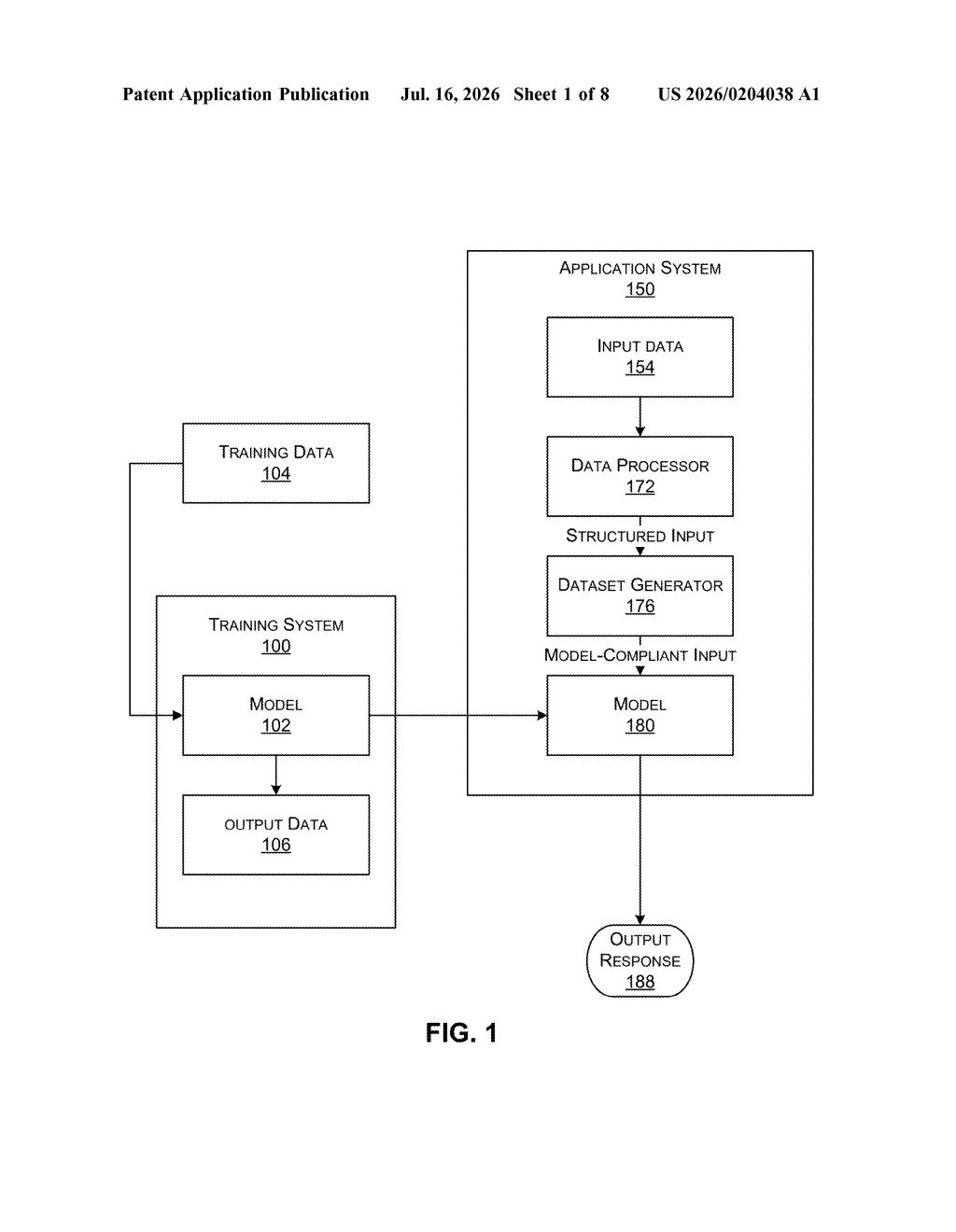
How Nvidia's AI turns a photo and words into a 3D object
Imagine you're designing a video game and you need a 3D model of, say, a worn leather chair. Normally you'd spend hours in modeling software or pay someone to build it. Nvidia's patent describes a system where you could type a description, upload a photo, or do both, and an AI would generate the 3D model for you.
The system reads your text and your image separately, combines what it learns from each, and then builds a three-dimensional representation of the object. It's similar to how image-generating AI like Midjourney works, but the output is a 3D shape you can actually use in a game engine, a simulation, or a design tool.
What's notable here is that it handles multiple input types at once. You're not locked into using only a photo or only a text description. You can mix them, which gives the AI more to work with and, in theory, produces more accurate results.
How the dual-encoder system builds a 3D shape from mixed inputs
The system is built around three main components working together: a text encoder, a 2D-3D encoder, and a decoder.
The text encoder reads your written description and converts it into a compressed numerical representation (called a latent representation) that captures the meaning of the words. The 2D-3D encoder does the same for images or existing 3D data, turning visual input into its own compressed numerical form.
Those two representations are then combined into a single 3D latent representation, which is a kind of abstract internal blueprint of the object. The decoder then takes that blueprint and produces an actual 3D output.
Training the system involves two feedback signals:
- Reconstruction loss: how closely the output matches a known reference object (a direct accuracy check)
- SDS loss (Score Distillation Sampling): a technique borrowed from diffusion-model research that uses a separate AI model to judge whether the output looks realistic and coherent, even when there's no exact reference to compare against
Both signals are used to improve the encoders and decoder over time, nudging each component to get better at its specific job.
What this means for 3D content creation at scale
The bottleneck in 3D content creation has always been time and skill. Building a single high-quality 3D asset can take a professional artist hours or days. If Nvidia can make this system work reliably, it has obvious applications in game development, film production, robotics simulation, and product design, all areas where Nvidia already sells infrastructure.
For Nvidia specifically, this fits squarely with its push to make Omniverse, its platform for building 3D simulations and virtual worlds, more accessible. A tool that auto-generates 3D assets from photos and text descriptions would dramatically lower the barrier to populating those virtual environments, and it would keep developers inside Nvidia's ecosystem to do it.
This is a real and meaningful patent, not routine paperwork. Multimodal 3D generation is one of the genuinely hard unsolved problems in AI, and Nvidia is one of the few companies with both the hardware and the research depth to tackle it seriously. The dual-encoder approach with mixed training signals shows careful thinking, not just a feature grab.
Get our take in your Top Stories
Liked this breakdown? Add Patentlyze as a preferred source on Google, and our plain-English take shows up more often in your Top Stories the next time Nvidia patent news breaks.
There are more where this came from
We read every patent application Big Tech publishes and send you the ones worth knowing. Plain English, free, every week.
Want this weekly breakdown for a company we don't cover? Patentlyze Pro →