
New Patent Teaches AI Chatbots to Learn From Search Logs
Microsoft is working on a way to make AI chatbots dramatically more accurate by feeding them structured data pulled directly from real search logs, so the AI knows not just what you asked, but what things you were actually looking for.
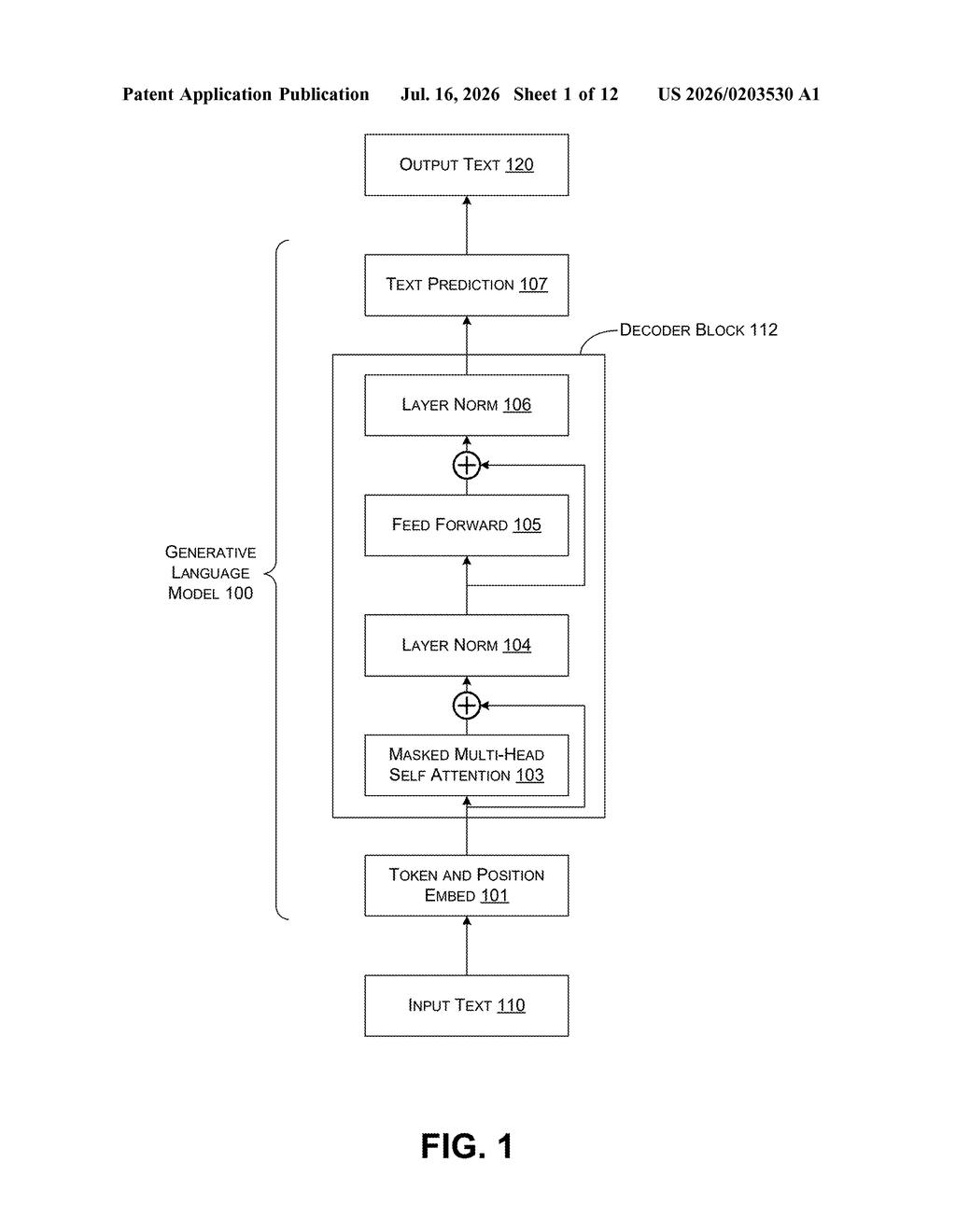
How Microsoft wants AI to use your search history
Imagine you ask an AI assistant about a famous person, and it keeps confusing them with someone else who has a similar name. That kind of mix-up happens because AI models often lack a clear anchor connecting your words to the specific entity you mean.
Microsoft's patent describes a system that pulls real search log data, identifies the specific people, places, and things users were looking for (not just the words they typed), and builds a structured database of those "linked entities." When you ask the AI a question, that database is used to build a richer prompt behind the scenes, one that tells the AI exactly which entity the question is about.
The result is an AI that answers with much better precision, because it's been given a clearer picture of the real-world subject before it even starts generating a response.
How the entity linker connects searches to AI prompts
The system has three main components working together:
- Entity extraction from search logs: A module called an "entity linker" scans historical search queries and identifies the specific real-world entities users were looking for (for example, distinguishing the band "Jaguar" from the car brand "Jaguar" based on context).
- A linked entity database: Those identified entities are stored using "entity resource identifiers" (think of these as unique ID numbers for real-world things, similar to how Wikipedia gives every concept its own page URL). This database accumulates a rich picture of what entities people actually search for.
- Contextualized prompt construction: When a user sends a query to the AI, the system generates a special prompt data structure that includes the relevant linked-entity context. The AI model then generates its response conditioned on that extra context, meaning it knows upfront which specific entity the question is about.
The core idea is that search logs are a goldmine of real-world intent signals. By mining them systematically and linking them to canonical entity identifiers, Microsoft can give its AI models a kind of grounding that pure text training doesn't provide.
What this means for Bing and Microsoft Copilot
For products like Microsoft Copilot and Bing's AI search, this kind of grounding directly addresses one of the most common complaints about AI chatbots: they confidently produce wrong answers about specific people, products, or places. By anchoring responses to verified entity identifiers drawn from actual search behavior, the system trades vague probabilistic guessing for something closer to a lookup.
For you as a user, that could mean fewer hallucinations when asking about niche topics, local businesses, or people who share names with more famous figures. It also gives Microsoft a structural advantage by turning Bing's massive search history into training fuel that rivals without that data can't easily replicate.
This patent is less flashy than a new AI model announcement, but it addresses something genuinely important: AI chatbots are unreliable precisely when they're most useful, on specific factual questions about real things. Using search logs to build a grounding layer is a practical engineering answer to hallucination, and Microsoft's Bing data moat makes this approach more powerful for them than for competitors starting from scratch.
There are more where this came from
We read every patent application Big Tech publishes and send you the ones worth knowing. Plain English, free, every week.
Want this weekly breakdown for a company we don't cover? Patentlyze Pro →
Be the first to weigh in