
Samsung Patents a Wi-Fi Scanning System That Knows When You've Arrived
Your phone already knows roughly where you are, but Samsung wants it to know precisely when you've crossed into a specific zone and scan for Wi-Fi only when it actually makes sense to do so.
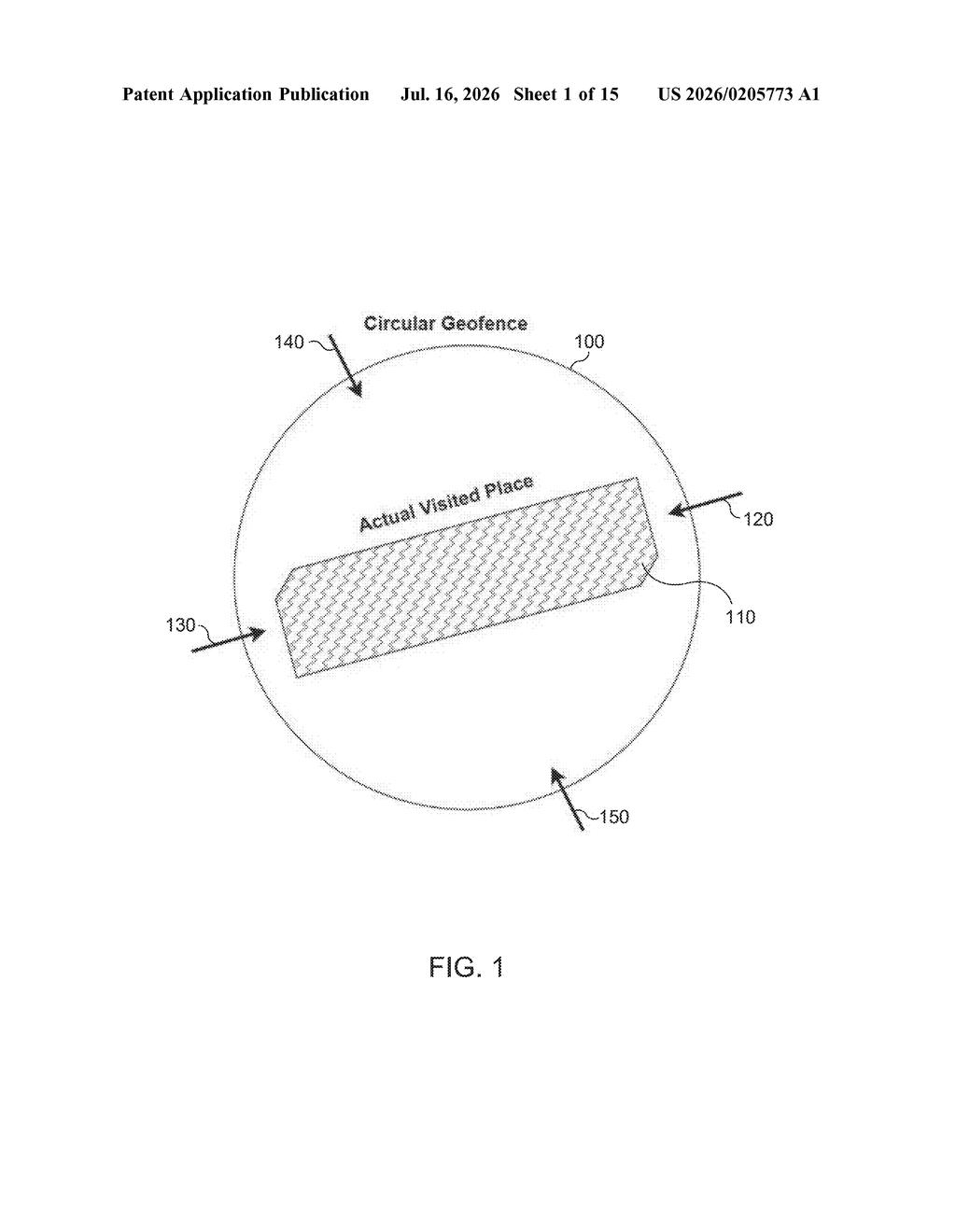
How Samsung's location-aware Wi-Fi scanning works
Imagine you're driving home and your phone needs to figure out exactly when you've pulled into your neighborhood so it can trigger an automation, like turning on your lights or switching off your work profile. Right now, phones do this by pinging your location constantly, which drains the battery and still sometimes gets the timing wrong.
Samsung's patent describes a system that watches how your device is moving, not just where it is, and uses that motion context to decide the best moment to scan for nearby Wi-Fi networks. Instead of scanning all the time, your phone would scan at carefully chosen moments tied to what's happening around a geographic boundary (called a geofence).
The practical result is a phone that figures out you've just arrived somewhere, or that you're about to leave, with better timing and fewer unnecessary scans draining your battery in the process.
How the device schedules scans around movement and geofences
The patent describes a method where a device monitors its own motion state relative to a geofence (a virtual boundary drawn around a real-world location, like your home or workplace). When the device detects a relevant event, such as approaching, crossing, or stopping near that boundary, it identifies specific characteristics tied to that moment.
Those characteristics then drive a scheduling decision: the system calculates when to fire off a Wi-Fi scan request, rather than scanning on a fixed timer. The scan itself is used to pin down the device's location more precisely, including identifying sub-locations within a larger area (for example, which floor of an office building you're on, or which room in a store).
- Detect a motion-related event near a geofence boundary
- Analyze the characteristics of that event (speed, direction, stopping behavior)
- Calculate one or more optimal times to schedule a Wi-Fi scan
- Execute the scan at those scheduled times to confirm or refine location
The key idea is that motion context does the heavy lifting. Rather than blindly scanning every few seconds, the device uses movement signals to predict exactly when a Wi-Fi scan would be most useful.
What this means for location accuracy and battery life
Location-based automations, from smart home triggers to delivery confirmation to workplace check-ins, are only as reliable as the location data powering them. If a phone misses the moment you walk through the front door by 30 seconds, the automation feels broken. This patent targets that gap directly by tying Wi-Fi scans to motion events rather than arbitrary intervals.
For battery life, the benefit is real: Wi-Fi scanning is one of the more power-hungry background tasks a phone performs. A system that scans less often but more intelligently could meaningfully reduce drain without sacrificing the accuracy that location-dependent apps need. Samsung Galaxy devices already have strong geofencing features, so this kind of refinement fits naturally into that ecosystem.
This is a sensible, incremental improvement to something that already exists in every modern smartphone. It's not a flashy idea, but smarter scan scheduling genuinely affects the day-to-day experience of location automations, and battery-conscious users would notice the difference. The sub-location angle, knowing which room or floor you're on, is the more interesting piece and could push this beyond routine infrastructure work.
There are more where this came from
We read every patent application Big Tech publishes and send you the ones worth knowing. Plain English, free, every week.
Want this weekly breakdown for a company we don't cover? Patentlyze Pro →
Be the first to weigh in