
Qualcomm Patents a Wi-Fi Radar Detector That Knows Where It Is
Wi-Fi devices already have to play nice with radar systems by quickly vacating certain radio frequencies when radar is detected. Qualcomm's new patent wants to make that detection smarter — using a machine learning model that factors in where the device is, not just what signals it hears.
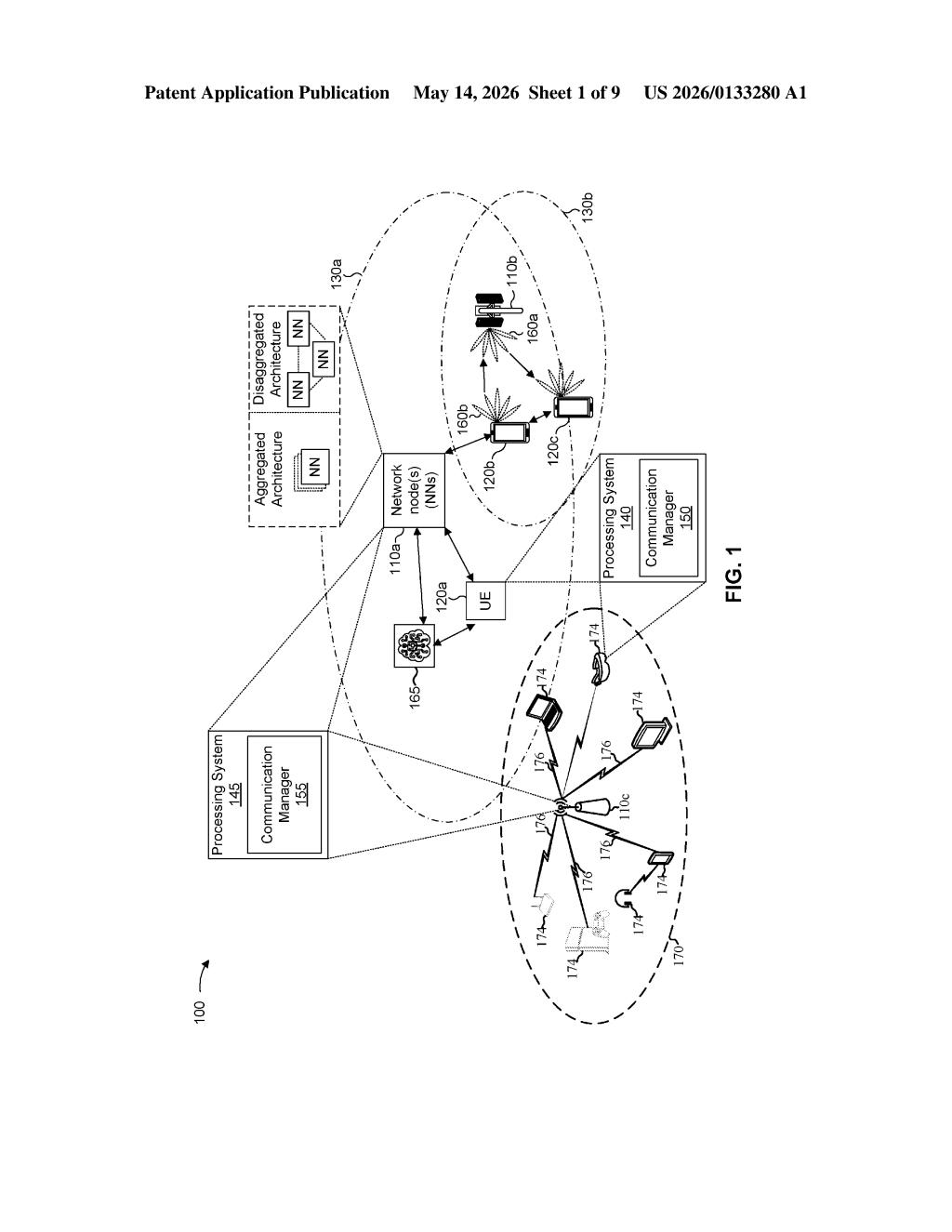
How Qualcomm's ML radar detector works in plain terms
Imagine your Wi-Fi router or phone is operating on a 5 GHz channel, and a nearby weather radar system starts pulsing on that same slice of spectrum. Current rules require wireless devices to detect those radar signals and immediately switch channels — a process called Dynamic Frequency Selection (DFS). The problem is that simple detection can misfire, either missing real radar or falsely flagging other interference as radar and needlessly disrupting your connection.
Qualcomm's patent proposes feeding a machine learning model two types of inputs at once: the raw signal characteristics of whatever pulses the device is receiving, and context about the device's local environment — things like its location or surrounding RF conditions. The model is trained to combine both to decide whether a pulse is genuinely radar.
The result is a smarter detection system that's less likely to cry wolf on a false alarm or miss a real radar signal, keeping your wireless connection more stable while still respecting the rules that protect radar operators.
How the ML model uses environment context to spot radar
The patent describes a wireless device — a phone, access point, or Wi-Fi station — that receives a burst of radio pulses and must decide whether those pulses are radar emissions. Rather than relying solely on static signal thresholds (e.g., pulse width and repetition interval), the system runs the detection through a machine learning model trained on two distinct input channels.
The first input is the observed signal feature of the received pulses — things like pulse duration, power level, chirp pattern, or frequency characteristics that are signatures of radar waveforms. The second input is a device environment input, which captures contextual information about where and how the wireless device is operating — think geographic region, regulatory domain, or local RF environment.
Once the ML model outputs a determination that the pulses are radar, the device transmits a message — likely a channel-switch or DFS event notification — to coordinate with other devices on the network. This two-pronged input design is the core novelty: the model learns to correlate signal features with environmental context, rather than treating every pulse the same regardless of where the device is deployed.
Training involves feeding the model labeled examples of radar signal features paired with device environment data, so it generalizes across different radar types and deployment scenarios.
What this means for Wi-Fi spectrum and radar coexistence
The 5 GHz and 6 GHz bands that modern Wi-Fi depends on are shared with radar systems — everything from weather stations to military installations. Regulators in the US and Europe require Wi-Fi devices to implement DFS, but the detection algorithms have historically been blunt instruments that cause unnecessary channel switches or, worse, fail to vacate when real radar is present.
Qualcomm is essentially arguing that context matters: a device near an airport behaves differently than one in a suburban home, and a smarter model should know the difference. If this approach ships in chipsets, you'd see fewer phantom DFS events that interrupt video calls and gaming sessions, and better real-world compliance with spectrum rules — a quiet but meaningful improvement to Wi-Fi reliability.
This is a sensible, focused application of ML to a real regulatory pain point in Wi-Fi. It's not flashy, but DFS false positives are a genuine headache for enterprise and home networking alike, and adding environmental context to the detection model is a legitimately clever angle. Qualcomm is well-positioned to bake this into its Wi-Fi chipsets, which power a huge swath of routers and mobile devices globally.
There are more where this came from
We read every patent application Big Tech publishes and send you the ones worth knowing. Plain English, free, every week.
Want this weekly breakdown for a company we don't cover? Patentlyze Pro →