
Samsung
Samsung · Cell phone · Filed Dec 11, 2025 · USPTO published Jun 18, 2026 · Jun 18 release
Samsung Patents a Dual-Camera System for Reconstructing Richer Photo Colors
Every digital photo you take is actually missing most of its color data — your phone's sensor guesses the rest. Samsung's new patent describes a way to use two cameras at once to make those guesses far more accurate.
- Publication number
- US 2026/0170605 A1(US20260170605A1)
- Applicant
- SAMSUNG ELECTRONICS CO., LTD.
- Filed · Published
- Dec 11, 2025 · Jun 18, 2026
- Inventors
- SaiKiran Tedla, Junyong Lee, Michael Brown, Mahmoud Afifi
- Status when we published
- Waiting for an examiner
- Document
- 20 claims
- US classification
- 382/162
- Parent application
- Claims priority from a provisional application 63735796 (filed Dec 18, 2024)
What Samsung's two-camera color fix actually does
Your phone's camera sensor doesn't capture every color at every pixel. Instead, it uses a checkerboard-style filter — capturing red here, green there, blue somewhere else — then fills in the missing values by making educated guesses from neighboring pixels. That process is called demosaicing, and when it goes wrong, you get color fringing, muddy edges, or unnatural skin tones.
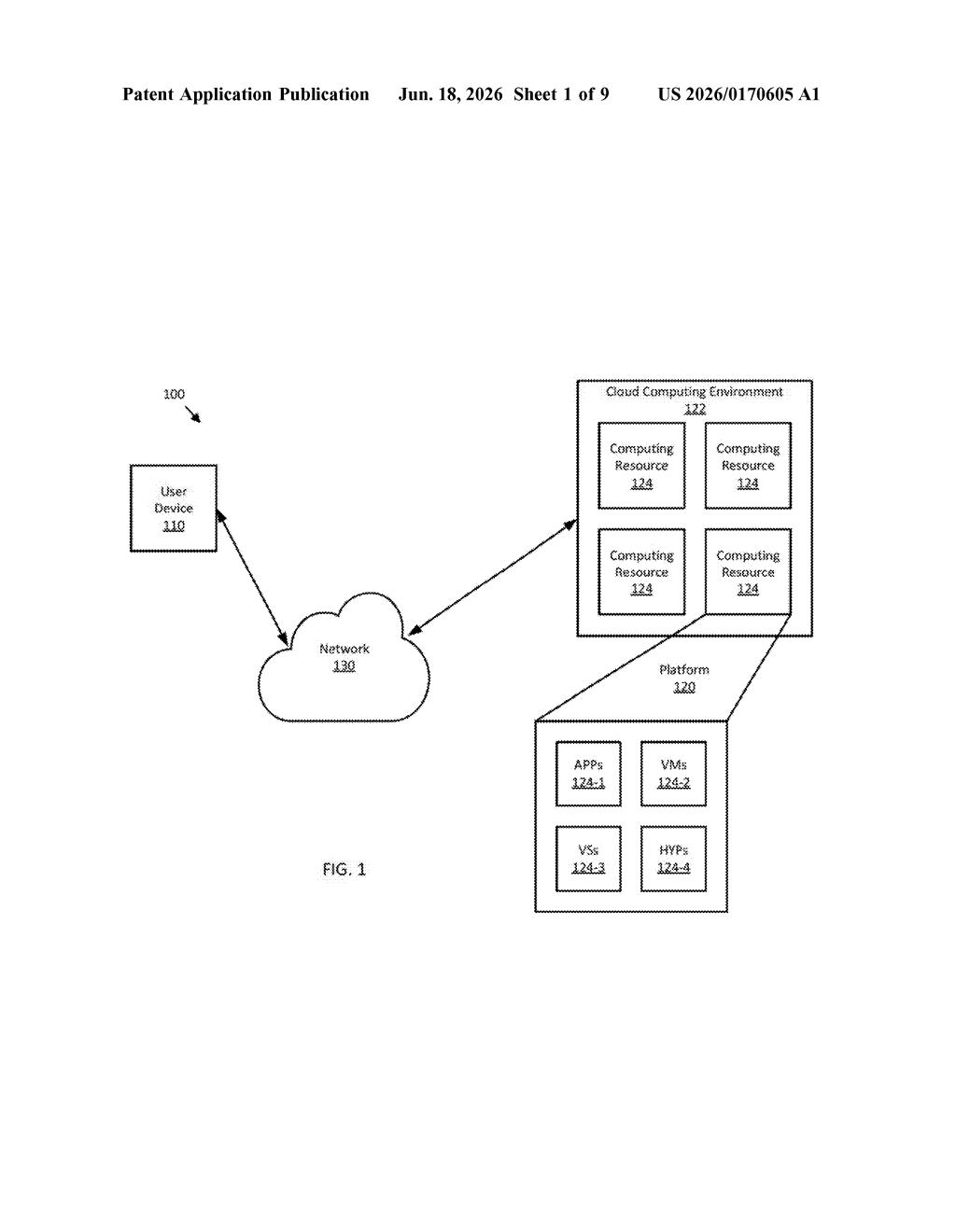
Samsung's patent takes a different approach: instead of relying on one camera to guess, it uses two cameras simultaneously. Each camera captures its own version of the same scene, and the system then compares the two images to understand how the colors in one relate to the colors in the other. That comparison — called a cross-spectral disparity — gives the processor extra information to work with when reconstructing the final image.
The result is a third, combined image with more accurate color than either camera could produce on its own. Think of it like two people describing the same painting from slightly different angles — together, they catch details neither would notice alone.
How the cross-spectral disparity step fills color gaps
The patent describes a pipeline that runs on at least one processor inside a mobile device. Here's how it breaks down:
- Step 1 — Capture: Both cameras photograph the same scene at the same time, each producing a raw mosaic image (a grid where each pixel records only one color channel).
- Step 2 — Initial demosaicing: Each camera's mosaic is independently processed into a full-color image using standard demosaicing — the educated-guessing step that fills in missing color values.
- Step 3 — Cross-spectral disparity estimation: The system compares the two full-color images and calculates how they differ spectrally (meaning: which colors each camera sees more or less of, and where). This is the key innovation — most dual-camera systems align images spatially (for depth), but this one aligns them by color characteristics across different camera types.
- Step 4 — Fusion: A third, final image is generated by combining both demosaiced images with the disparity data, producing a result with richer, more accurate color than either image alone.
The patent specifically targets cameras with different spectral sensitivities — for example, a standard RGB camera paired with one that captures a wider or different range of wavelengths. This is the core of multispectral imaging: using sensors tuned to different light bands to see more of the world than any single camera can.
What this means for Samsung's mobile camera lineup
Most modern flagship phones already carry multiple cameras, but they're typically used for zoom or depth — not for improving raw color accuracy on the main sensor. Samsung's approach would put both cameras to work on every shot, using the second sensor as a color reference rather than just a backup lens. That's a meaningful shift in how multi-camera arrays earn their keep.
For you as a user, this could mean photos that hold up better under artificial lighting, more accurate skin tones, and fewer color artifacts along high-contrast edges — the kinds of subtle issues that separate a good camera phone from a great one. Samsung already leads with multi-camera hardware on its Galaxy S series; this patent suggests the company is looking at how software can squeeze more out of the sensors already in your pocket.
Source: US 2026/0170605 A1 at the USPTO (PDF). Full patent text and figures are in the official publication.
Get our take in your Top Stories
Liked this breakdown? Add Patentlyze as a preferred source on Google, and our plain-English take shows up more often in your Top Stories the next time Samsung patent news breaks.
Add Patentlyze on Google
One click.
There are more where this came from
We read every patent application Big Tech publishes and send you the ones worth knowing. Plain English, free, every week.
More from Samsung
All 1,629 Samsung patents →
More in Camera
All 268 Camera patents →
Apple
Apple Patents a Camera Bump Where the Depth Sensor Points at an Angle
Apple
Apple's New Patent Stops You From Holding Your Phone the Wrong Way for 3D Video
Qualcomm
Qualcomm Patents Zoom-Aware Rectification for Stereo Camera Pairs
Google