
Meta Patents a Web Platform for Building Custom AI Chatbots
Meta is filing patents for a drag-and-drop-style AI chatbot creation system that uses data already sitting on its platforms to train your bot. This looks a lot like the foundation for turning every business page — or personal profile — into an always-on AI assistant.
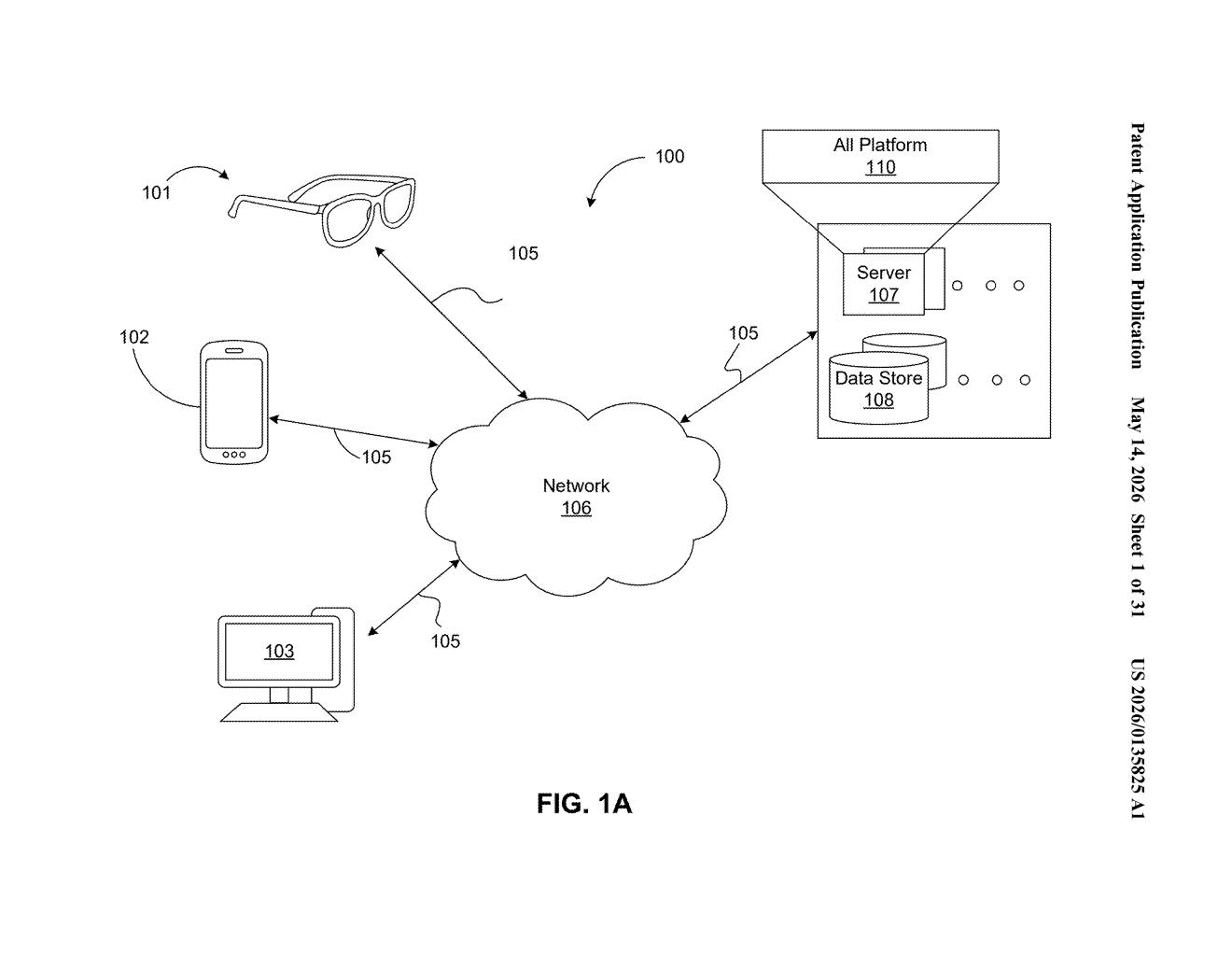
What Meta's AI chatbot builder actually does for you
Imagine you run a small business on Facebook. Instead of hiring someone to answer customer questions at 2 a.m., you could build an AI chatbot that already knows your product catalog, your FAQs, and your brand voice — all because it was trained on data Meta already has about you.
That's essentially what this patent describes. A user visits a web-based interface, picks what they want their AI chatbot to do (answer questions, recommend products, chat with followers), and Meta's system uses existing platform data associated with that user to train a machine learning model on the spot.
The finished chatbot gets deployed directly inside the same platform — no coding required, no third-party tools. It's Meta's pitch for a no-code AI agent factory baked right into its social ecosystem.
How Meta trains your chatbot from your own platform data
The patent describes a web-based creation platform that walks a user through building an AI chatbot via a guided interface. At its core, the flow works like this:
- Prompt display: The UI shows the user a menu of services and functions the chatbot can perform — think customer support, product recommendations, or conversational Q&A.
- User selection: The user picks which capabilities they want. This input acts as the configuration spec for the model.
- On-platform training: Here's the key part — the system trains a machine learning model using both the user's selections and data about the user that already exists on Meta's platform (posts, product listings, prior interactions, etc.).
- Deployment: The trained chatbot is configured and surfaced back in the same UI, ready for real-time conversation with the creator or other platform users.
The claim leans heavily on the phrase "data associated with the user available on the web-based platform" — which is doing a lot of work. It implies the training signal isn't generic; it's personalized to whoever is creating the bot, pulling from Meta's existing data graph.
The USPC 709/206 classification (information transfer, computer network) confirms this is fundamentally about networked, platform-native AI deployment rather than standalone model training.
What this means for AI agents on Facebook and Instagram
If Meta ships something like this, it fundamentally changes what a Facebook business page or Instagram creator account is. Your page stops being a static profile and becomes a live AI agent that can converse with followers, handle support queries, or sell products — 24/7, trained on your own content.
The competitive angle is obvious: this is Meta's answer to platforms like Botpress, ManyChat, or even OpenAI's GPT builder, except it's integrated into a social graph with billions of existing users and their data. For small businesses already living inside Meta's ecosystem, the switching cost to a native tool like this would be essentially zero.
This patent is less about technical novelty and more about Meta staking a claim on the 'AI agent layer' of its own platforms. The underlying ML training loop isn't new — what's interesting is the explicit IP around using Meta's existing user data as the training corpus, and surfacing the result inside the same interface. That's a moat play, not a research breakthrough.
Get our take in your Top Stories
Liked this breakdown? Add Patentlyze as a preferred source on Google, and our plain-English take shows up more often in your Top Stories the next time Meta patent news breaks.
There are more where this came from
We read every patent application Big Tech publishes and send you the ones worth knowing. Plain English, free, every week.
Want this weekly breakdown for a company we don't cover? Patentlyze Pro →