
Nvidia Patents Robots That Build Living Maps Tracking Environmental Changes Over Time
Most robots see the world as a frozen snapshot. Nvidia's new patent describes a system that keeps a constantly updated mental map of an environment, complete with the relationships between objects, so a robot always knows what changed and what to do next.
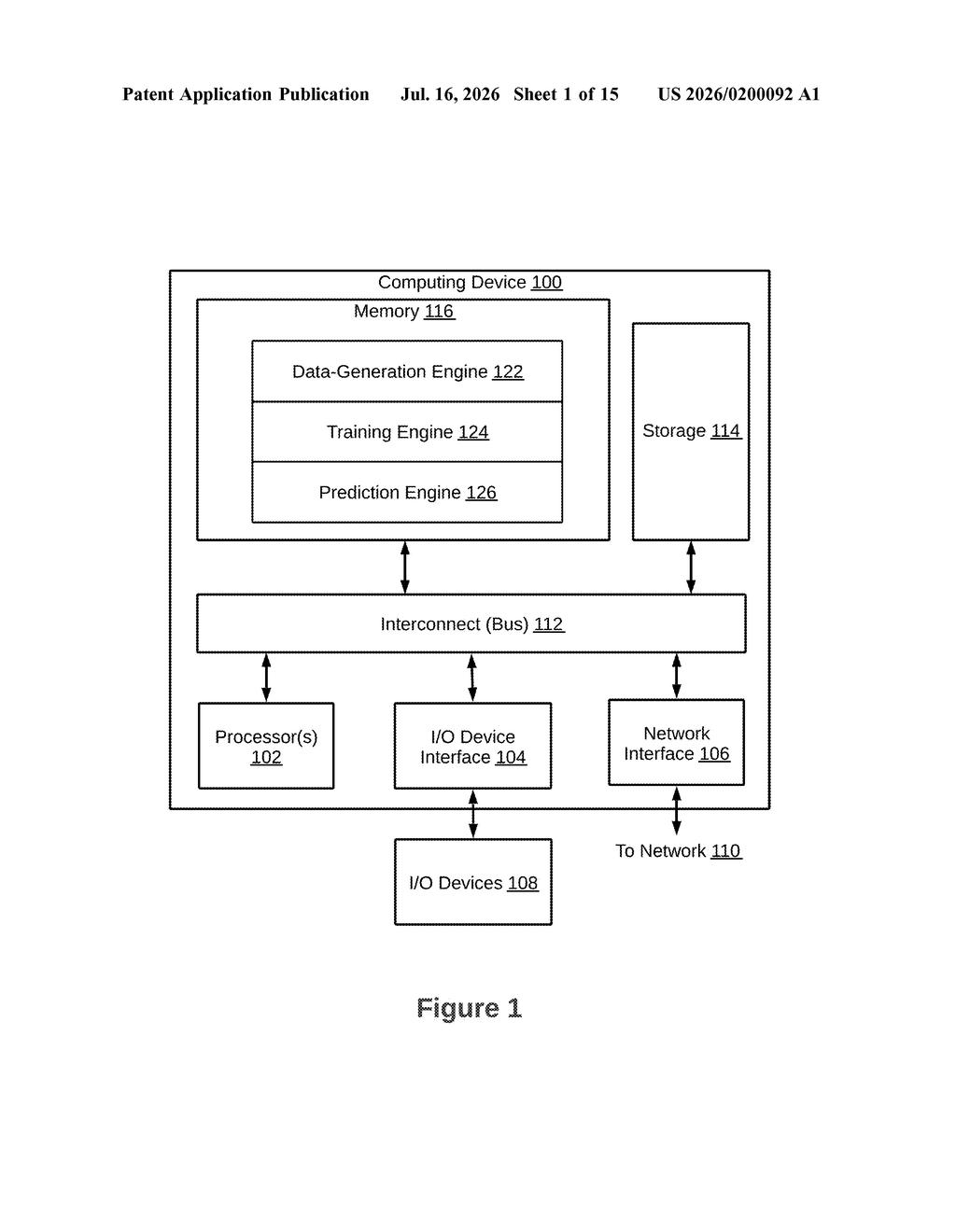
How Nvidia's robot memory map actually works
Imagine you're trying to help a friend navigate a cluttered warehouse, but every time they turn around, boxes have moved and new items have appeared. You'd need to constantly update your mental picture of the space, not just where things were, but how they relate to each other right now.
That's the problem Nvidia is trying to solve for robots. This patent describes a system where a robot uses its cameras and sensors to build a kind of living relationship map of its environment. Every time it picks up new sensor data, a machine learning model figures out how that new information fits into the existing map and updates it accordingly.
Instead of just asking "where is the box?", the robot can ask questions like "what is near the box, what moved recently, and what should I do next?" That richer picture is supposed to make robots far better at planning their next move in real time, without needing a human to reprogram them every time something changes.
How the knowledge graph updates itself from sensor data
The core of this patent is something called a temporal knowledge graph, which is a data structure that stores not just objects in an environment, but the relationships between them and how those relationships change over time. Think of it less like a photo of a room and more like a constantly updated diagram showing what's near what, what has moved, and how everything connects.
When a robot's sensors pick up new data, a machine learning model processes it to extract spatial information (where things are) and temporal information (how things have changed). The model then checks how similar the new data is to what's already in the graph before deciding how to update it. That similarity check is what keeps the map accurate without being flooded with redundant information.
Once the graph is updated, the robot can query it like a database to figure out its next action. The query step is where the "language model" part of the title comes in: large language models (AI systems trained on vast amounts of text) are used to interpret the structured graph data and translate it into actionable decisions.
The key components of the system include:
- Sensor inputs feeding raw data about the physical environment
- A machine learning model that converts raw data into structured spatial and temporal representations
- A temporal knowledge graph that stores and organizes those representations over time
- A query mechanism that asks the graph what the robot should do next
What this means for warehouse robots and autonomous systems
For robotics, one of the hardest problems is making a machine respond sensibly when things change unexpectedly. A robot that relies on a static map fails the moment someone moves a pallet or blocks a hallway. This patent's approach, keeping a live, relationship-aware map that gets smarter with every sensor update, is aimed directly at that weakness. It means a robot could re-plan its route or task on the fly without stopping to be reprogrammed.
Nvidia is positioning itself as a major player in physical AI, the branch of AI that controls robots and autonomous machines rather than just generating text or images. A system like this would fit directly into Nvidia's Isaac robotics platform, which is already used in factory and warehouse automation. If this approach works at scale, it could meaningfully change how industrial robots handle dynamic, unpredictable spaces.
This is a serious, technically specific patent that addresses a real bottleneck in robotics: the gap between a robot knowing where things are and understanding how its world is changing in real time. It's not flashy consumer tech, but Nvidia's push into physical AI makes this kind of foundational filing genuinely worth tracking.
There are more where this came from
We read every patent application Big Tech publishes and send you the ones worth knowing. Plain English, free, every week.
Want this weekly breakdown for a company we don't cover? Patentlyze Pro →
Be the first to weigh in