
Qualcomm Patents a Method to Split AR/VR Processing Between Headset and Phone
Running a full AR or VR experience on a standalone headset burns through battery fast. Qualcomm is patenting a way to automatically shift some of that processing work to your phone or PC depending on how strong the wireless connection is at any given moment.
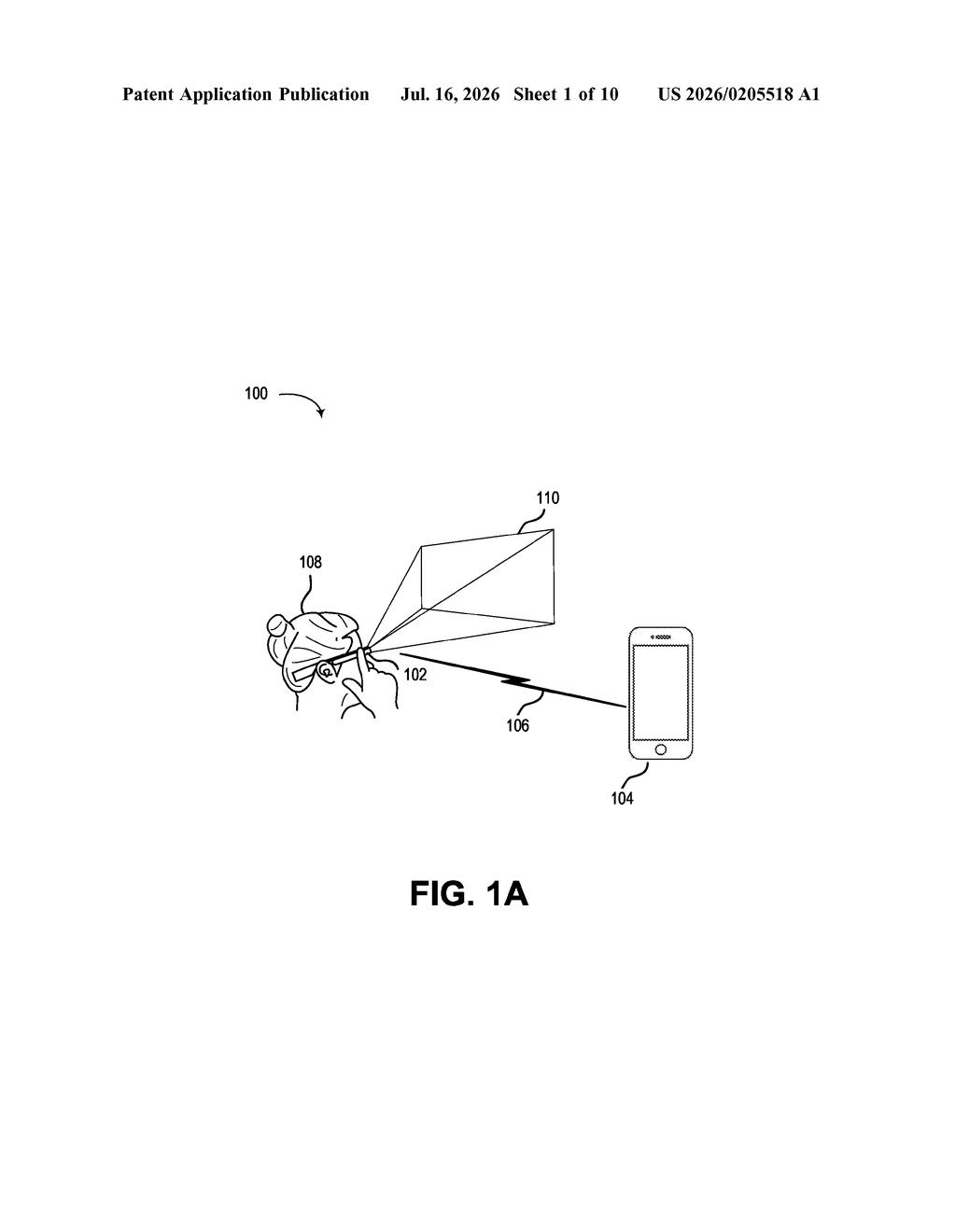
How Qualcomm splits XR computing across two devices
Imagine wearing AR glasses and walking from your living room into the kitchen. The wireless signal between your glasses and your phone weakens slightly. Without any intervention, your headset has to do more work on its own to keep things running smoothly, which drains the battery faster.
Qualcomm's patent describes a system that continuously monitors that wireless link and adjusts how much computing work each device handles. When the connection is strong, your phone or PC can take on the heavy lifting. When it weakens, the headset picks up more of the load automatically.
The system also takes into account what the XR app is actually doing at any moment, so it can make smarter decisions about which tasks to offload and which to keep local. The goal is to keep your experience consistent without burning through your headset's battery or overloading a shaky connection.
How the split perception configuration actually works
The patent describes an apparatus (think: an AR or VR headset, or a companion chip inside one) that constantly estimates the quality of the wireless channel connecting it to a second device such as a phone, PC, or dedicated compute puck.
Using that estimated transmission power information (essentially a measure of how much energy a signal needs to travel reliably between the two devices), the system decides on a split perception configuration. That configuration determines which device handles which parts of the XR workload: things like scene rendering, object tracking, depth estimation, and display output.
The decision also factors in XR application parameters, which are details about what the running app needs at any given moment. A fast-action game has different demands than a slow-paced training simulation. Key inputs to the decision include:
- Current wireless channel conditions (signal power, estimated reliability)
- App-level requirements (frame rate targets, image quality settings)
- Available compute resources on each device
The result is a dynamic allocation that shifts in real time rather than being fixed at app launch, which is the core technical contribution here.
What this means for wireless AR and VR headsets
Standalone AR and VR headsets face a real physical constraint: powerful processors generate heat and eat batteries, but thin, light headsets don't have room for either a large battery or serious cooling. Offloading computation wirelessly to a phone or edge device is one of the main strategies the industry is betting on to make next-generation glasses practical, but it only works well if the offloading is adaptive rather than static.
For you as a user, a system like this could mean longer battery life and more consistent frame rates without you ever having to touch a settings menu. For Qualcomm specifically, this kind of technology is squarely aimed at positioning its chips as the processing backbone of the split-compute XR future that companies like Meta, Microsoft, and Samsung are all building toward.
This is solid infrastructure work for a real problem in XR hardware design, and Qualcomm is exactly the company that should be filing it given its position supplying chips to most major headset makers. It's not a flashy consumer feature, but the underlying idea, dynamically redistributing compute based on wireless conditions, is exactly what will separate headsets that feel comfortable from ones that overheat in 20 minutes.
Get our take in your Top Stories
Liked this breakdown? Add Patentlyze as a preferred source on Google, and our plain-English take shows up more often in your Top Stories the next time Qualcomm patent news breaks.
There are more where this came from
We read every patent application Big Tech publishes and send you the ones worth knowing. Plain English, free, every week.
Want this weekly breakdown for a company we don't cover? Patentlyze Pro →