
Samsung Patents Image Compression That Adapts to Each Pixel's Location on Screen
Every time a chip renders an image, it has to shuttle enormous amounts of pixel data back and forth through memory. Samsung's latest patent targets that bottleneck with a compression system that tailors how it squishes data based on exactly where each pixel sits in the frame.
What Samsung's pixel-position compression actually does
Imagine your TV's processor drawing a scene frame by frame. Before it can show you that image, it has to write raw pixel data to a memory buffer, compress it to save space and bandwidth, then decompress it on the way out. That back-and-forth happens millions of times per second, and doing it badly wastes power and slows things down.
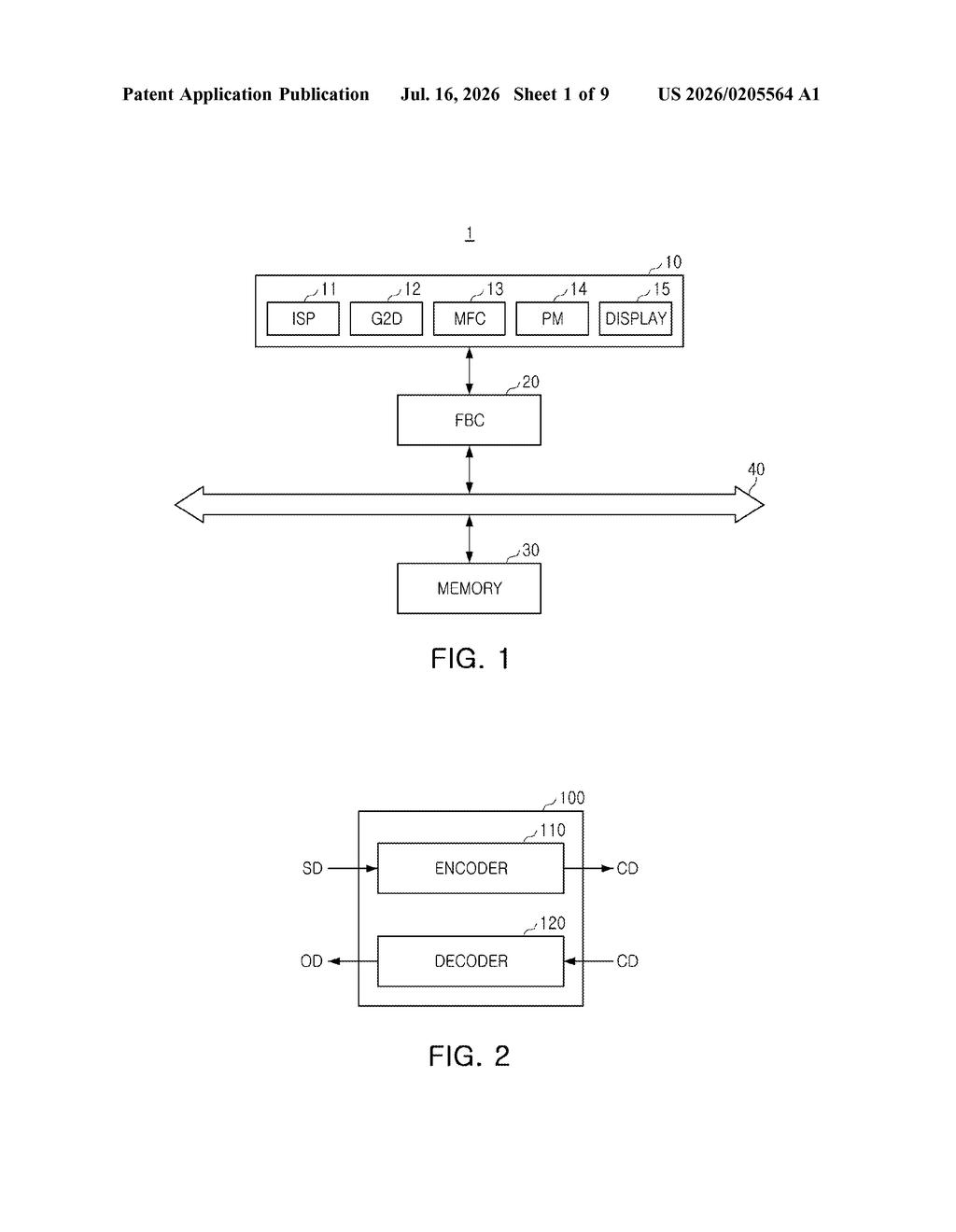
Samsung's patent describes a compression system that takes into account where each pixel is located in the image, not just what color it is. By assigning a unique offset value to each pixel based on its grid coordinates, the system can quantize (round and shrink) the data more precisely, which means it stores a more accurate representation in fewer bits.
The compression and decompression both happen inside a dedicated block within the image processing chip, so the rest of the processor just sees clean image data going in and coming out. It's an efficiency improvement aimed squarely at the hardware inside phones, TVs, and displays.
How pixel coordinates shape the quantization offset
The patent describes an image processing device built around two main blocks: a multimedia IP core (the part of the chip that handles video and image processing) and a frame buffer compressor that sits between that core and memory.
The core innovation is in how the compressor performs quantization (the process of rounding continuous values down to a smaller set of discrete numbers, similar to how MP3 files drop audio data humans can't hear). Instead of applying a single rounding rule to every pixel, this system uses:
- A quantization coefficient that controls how aggressively data is compressed
- A quantization offset fixed at exactly half the quantization coefficient, which helps center the rounding and reduce error
- Pixel position offsets unique to each pixel's (x, y) coordinates in the image grid
That last element is what sets this apart. By factoring in where a pixel lives in the frame, the compressor can apply a more tailored rounding operation rather than a one-size-fits-all approach. The resulting quantized data is then packed into compressed data and stored. When the image needs to be displayed, the same block decompresses it back into output data the display pipeline can use.
What this means for memory bandwidth in Samsung chips
Frame buffer bandwidth is one of the most power-hungry parts of any display pipeline. Phones, TVs, car displays, and AR headsets all move enormous amounts of pixel data every second, and memory access burns a disproportionate share of the chip's energy. A compression scheme that squeezes more accuracy out of fewer bits means the chip can do the same job while reading and writing less data, which saves battery life and reduces heat.
For Samsung, which makes both the display chips inside its Galaxy phones and the memory those chips talk to, owning the full compression stack is a real advantage. A tighter compressor could mean thinner frame buffers, faster refresh rates, or lower power draw, all of which matter whether you're talking about a foldable phone or a next-generation TV processor.
This is unglamorous chip plumbing, but it's the kind of detail that separates good display hardware from great display hardware. Samsung filing this suggests the company is still sweating the low-level efficiency work on its in-house image processing silicon, which is exactly what you'd expect from a company that competes on display quality.
There are more where this came from
We read every patent application Big Tech publishes and send you the ones worth knowing. Plain English, free, every week.
Want this weekly breakdown for a company we don't cover? Patentlyze Pro →
Be the first to weigh in