
New Microsoft Patent Traps Hackers Targeting AI Speech Model Theft
Microsoft has patented a clever honeypot approach to AI security: when a server detects someone probing a speech recognition model to steal it, it swaps in a fake decoy model to feed the attacker useless results.
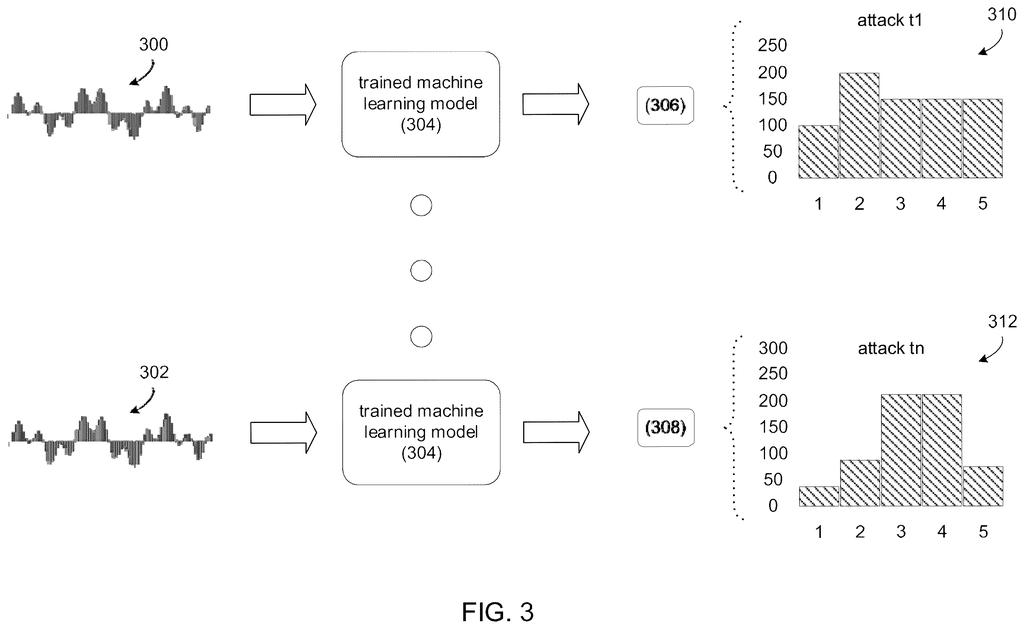
How Microsoft's decoy AI catches model thieves
Imagine you run a smart voice assistant, and someone starts feeding it thousands of weird, garbled audio clips. They're not trying to use your assistant. They're trying to reverse-engineer how it works by studying its responses, then build an identical copy for free. This is called a model inversion attack, and it's a real threat to any company that has spent years training AI.
Microsoft's patent describes a defense system that watches for exactly this kind of probing. When a speech processing AI receives an unusual flood of audio that doesn't match the kind of sounds it was trained on, the system flags it as suspicious.
Instead of blocking the attacker outright (which would tip them off), the system silently routes them to a decoy model. The attacker keeps probing, thinking they're learning something valuable, but they're actually mapping a fake. It's a classic bait-and-switch, applied to AI security.
How the system spots out-of-domain probing attempts
The patent covers a server-side defense system for trained speech processing machine learning models, which are AI systems that recognize or transcribe spoken language and are built for specific acoustic environments (think a call center, a car interior, or a medical office).
The core mechanism works in three steps:
- Monitor incoming requests: The server logs every request made to the AI model, tracking patterns over time rather than evaluating each request in isolation.
- Detect out-of-domain data: If a significant portion of incoming audio contains content or acoustic features that don't resemble the model's original training data, the system flags this as an anomalous pattern. Out-of-domain here means audio that looks nothing like what the model was built to handle, which is a telltale sign of someone probing the system systematically rather than using it normally.
- Deploy a decoy model: Rather than rejecting the suspicious requests, the system silently redirects them to a decoy speech model, a substitute AI that gives misleading or useless outputs.
The decoy approach is intentional. Blocking an attacker abruptly reveals that the defense worked, potentially teaching them to probe more carefully. Feeding them a decoy wastes their time and keeps the real model's behavior hidden.
What this means for companies running AI as a service
Any company selling AI as a service, whether for voice transcription, call analysis, or voice authentication, faces the risk that a competitor or bad actor could steal the model they spent millions training. A stolen model means lost competitive advantage and potentially exposed data about the training set itself.
This patent is particularly relevant as AI APIs become standard business infrastructure. If Microsoft Azure or any similar cloud service runs speech AI for paying customers, protecting those models from theft is a real commercial and legal concern. The decoy approach is more sophisticated than a simple rate limiter or block list because it actively misleads attackers rather than just slowing them down, making it much harder to know when the theft attempt has failed.
This is a genuinely thoughtful security patent. The decoy-model idea isn't just a firewall bolted onto an existing system. It's a purpose-built deception layer, and that distinction matters. If Microsoft ships something like this in Azure AI services, it would meaningfully raise the cost of model-stealing attacks without tipping off the people doing the stealing.
There are more where this came from
We read every patent application Big Tech publishes and send you the ones worth knowing. Plain English, free, every week.
The drawings
7 drawing sheets from US 2026/0214112 A1 · click any drawing to enlarge


Want this weekly breakdown for a company we don't cover? Patentlyze Pro →