
IBM Patents a Safety Net That Catches Destructive AI-Generated Code Before It Runs
AI coding assistants are great at writing code fast — but they can also write code that quietly deletes data or corrupts system state. IBM's new patent tackles that problem by building a sandbox-and-rollback layer directly into the LLM code generation pipeline.
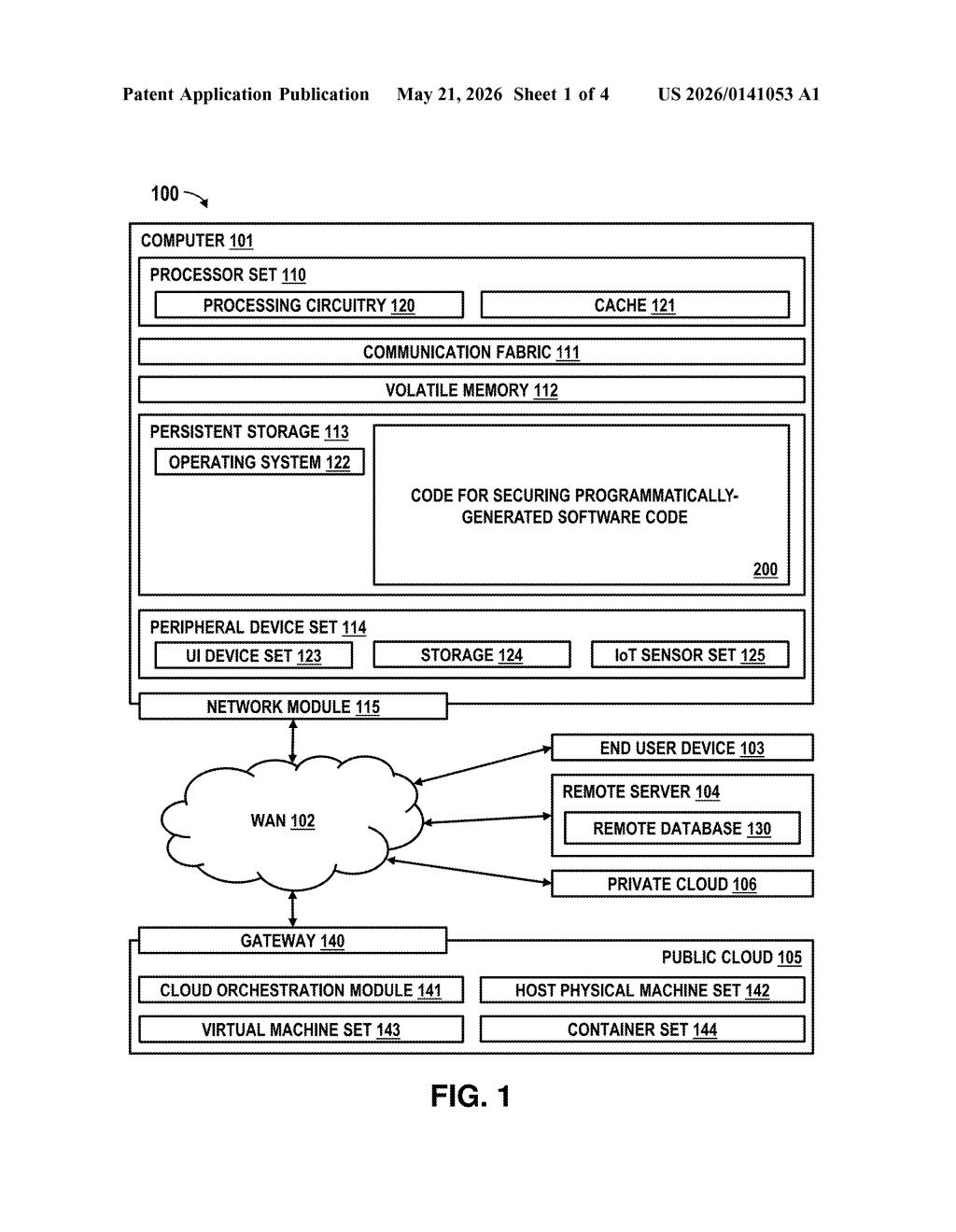
What IBM's AI code safety net actually does
Imagine asking an AI coding tool to write a script that cleans up old files — and the AI, misunderstanding your intent, generates code that wipes something critical. By the time you notice, the damage is done. That's the problem IBM is trying to solve here.
IBM's patent describes a system where an LLM generates code based on your instructions, but before anything actually runs on your real system, a separate analysis layer scans the generated code for what it calls "destructive code" — operations that could delete data, break system state, or otherwise cause hard-to-fix harm.
If something suspicious is flagged, the system routes the code into an isolated sandbox environment first. If it doesn't blow up the sandbox, you also get a reversal function — a built-in undo button that can roll your system back to where it was before the code ran. Only once the sandbox test passes does the code execute for real.
How IBM's system sandboxes and reverses bad generated code
The patent describes a pipeline with three logical modules working in sequence.
First, a Code Generation Module uses a trained LLM — fine-tuned on multiple programming languages to recognize common patterns — to write software based on user-defined inputs. Think of this as the standard "AI writes your code" step that tools like GitHub Copilot already perform.
Second, a Code Analysis and Reversal Module scans the generated output specifically for destructive code (the patent's term for operations that could damage data integrity or system state — things like file deletions, registry modifications, or irreversible database writes). If destructive code is detected, the system flags a rollback requirement.
Third, rather than just refusing to run the code, the system takes a test-then-execute approach:
- The flagged code is run in a controlled, isolated environment (a sandbox) to observe actual behavior without risking production systems.
- Simultaneously, the user is given a reversal function — essentially a pre-generated undo operation that can restore the system to its prior state.
- Only if the sandbox run produces no system error does the code proceed to real execution.
The system also references a Constraints and Boundaries Module and a Knowledge Base, suggesting the LLM is guided by policy rules during generation, not just after the fact.
What this means for enterprises using AI coding tools
Enterprise teams are increasingly letting AI write production code, and the trust gap between "the AI wrote it" and "I understand exactly what it does" is real. A system that automatically identifies potentially destructive operations and gates execution behind sandbox testing addresses a legitimate risk that most current AI coding tools simply hand back to the developer to manage manually.
The reversal function is the most practically interesting piece here. Rather than just blocking suspicious code, IBM's approach pre-computes a rollback path before execution — meaning if something goes wrong in production despite the sandbox passing, you have an escape hatch. For enterprises running AI-assisted automation on live databases or infrastructure, that's a meaningful safety property.
This is a genuinely useful idea dressed up in fairly standard patent language. The core insight — that AI-generated code needs a pre-computed rollback path, not just a warning label — is the kind of pragmatic safety mechanism that enterprise IT buyers actually care about. IBM is squarely targeting the enterprise market here, and the problem being solved is real and growing.
Get our take in your Top Stories
Liked this breakdown? Add Patentlyze as a preferred source on Google, and our plain-English take shows up more often in your Top Stories the next time IBM patent news breaks.
There are more where this came from
We read every patent application Big Tech publishes and send you the ones worth knowing. Plain English, free, every week.
Want this weekly breakdown for a company we don't cover? Patentlyze Pro →