
IBM Patent: AI Assistant Actions Are Automatically Screened for Security Threats
AI agents are increasingly trusted to take actions on your behalf, such as browsing the web, writing files, or calling APIs. IBM's new patent asks a simple but important question: who's watching what those agents actually do when no one is looking?
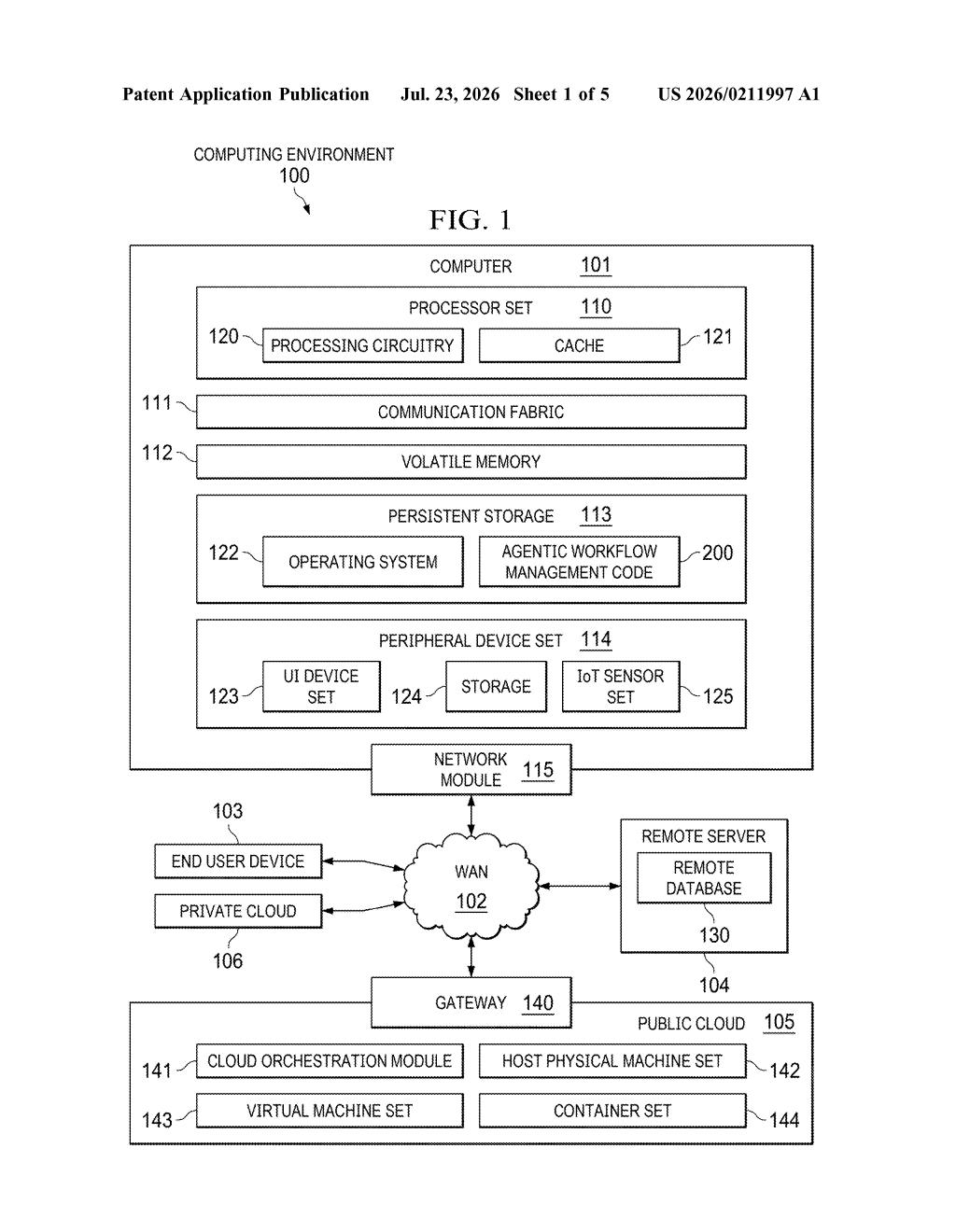
What IBM's AI agent security sandbox actually does
Imagine you hire an assistant and give them a key to your office. You'd probably want to know exactly which rooms they enter, which files they touch, and whether they're doing what you asked or something else entirely. AI agents are a bit like that assistant, except they can act at software speed and at scale.
IBM's patent describes a system that wraps every tool an AI agent uses in its own locked environment. When an AI agent decides to, say, run a web search or send an email on your behalf, the system builds a custom security container for that specific action before it runs. The container checks whether the tool has permission to do what it's about to do, whether that action matches what you actually asked for, and whether any data is flowing somewhere it shouldn't.
The whole thing happens in real time while the task is running, not after the fact. Think of it less like reviewing security camera footage after a break-in and more like having a guard standing in the room watching every move.
How IBM builds a custom cage for each AI tool call
The patent describes a runtime execution environment (basically a secure, temporary container) that is generated fresh each time an AI agent invokes a tool. Rather than applying the same generic security rules to every action, the system tailors the container to the specific tool being called.
Inside that container, the system enforces several layers of controls:
- Tool execution security policies, predefined rules about what a given tool is allowed to do
- Tool permissions, a check that the tool has the right level of access for the operation it's attempting
- Data flow analysis, tracking where data goes during execution to catch unauthorized transfers or leaks
The system also checks the action against the user's original intent (what you actually asked for), so an agent can't do something extra or adjacent to your request without it being flagged.
Critically, monitoring is continuous and real-time. The system watches execution as it happens, not in a post-run audit. If the tool starts doing something outside its defined scope mid-run, the environment can catch it immediately.
Why AI agent security is becoming an urgent problem
AI agents are moving from demos into real enterprise workflows, where they touch databases, email systems, APIs, and cloud services. The security model for that world is still being figured out, and IBM is staking out a position: every tool call should be treated as a potential risk and sandboxed accordingly. That's a meaningful design philosophy, not just a minor feature.
For enterprise buyers in particular, this kind of per-action audit trail and enforcement layer is exactly what compliance and security teams will demand before they let an AI agent near anything sensitive. If IBM ships this as part of its watsonx platform or agent infrastructure, it could become a differentiator in deals where trust and auditability are the deciding factors.
This is a genuinely useful patent addressing a real and growing problem. As agentic AI systems gain access to more tools and more data, runtime behavioral enforcement is the kind of infrastructure that separates serious enterprise deployments from demos that can't pass a security review. IBM is the right company to be working on this, and the approach is concrete enough that it's worth watching.
There are more where this came from
We read every patent application Big Tech publishes and send you the ones worth knowing. Plain English, free, every week.
The drawings
5 drawing sheets from US 2026/0211997 A1 · click any drawing to enlarge


Want this weekly breakdown for a company we don't cover? Patentlyze Pro →