
Google Patent Embeds Hidden 3D Depth and AI Data Layers Inside Video Files
Google is patenting a way to pack extra information, like depth data, editing metadata, or machine learning training signals, inside a normal video file without breaking playback on devices that don't know those extras exist.
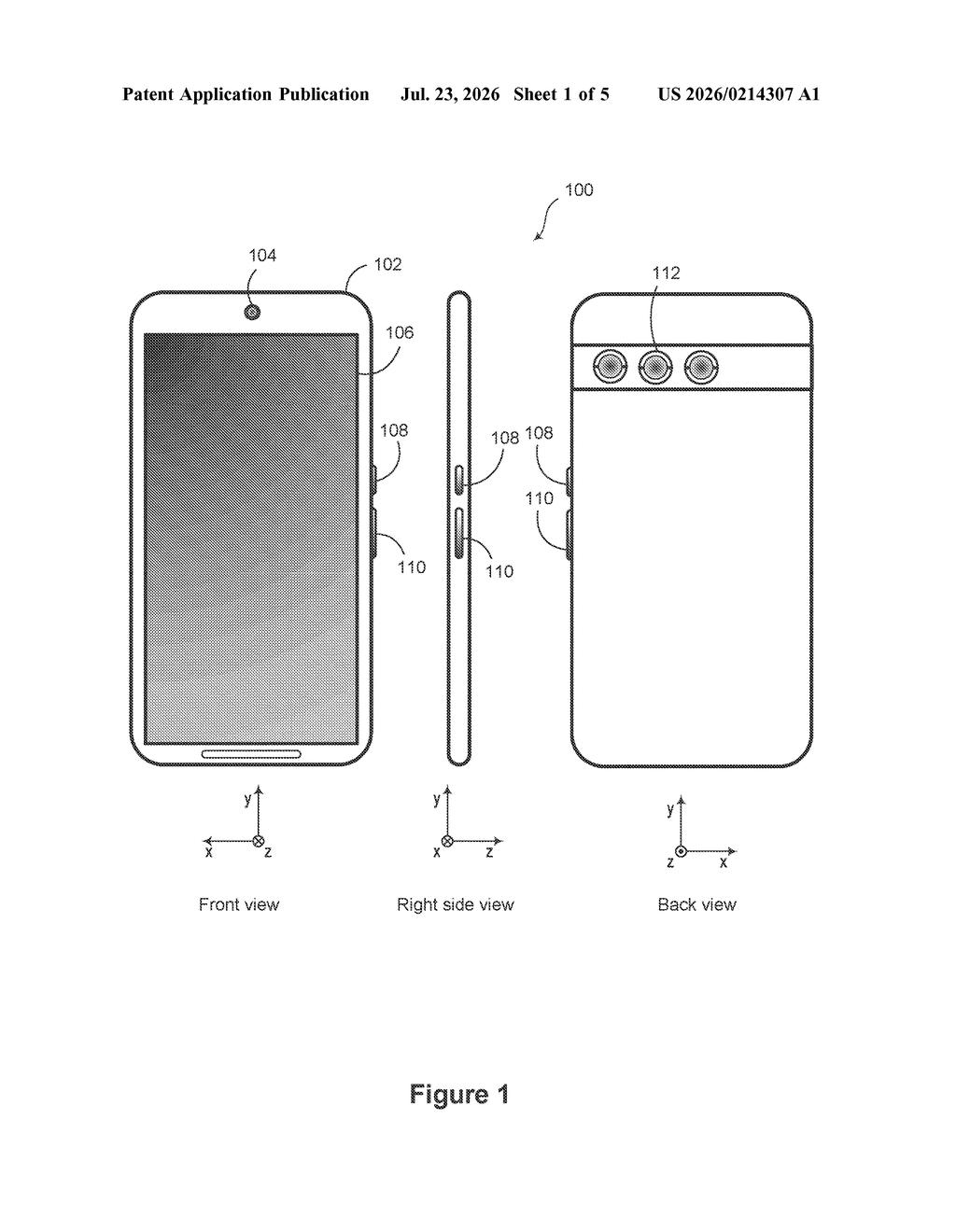
What Google's nested video container actually does
Imagine you film a video on your phone and share it with a friend. Their old TV plays it just fine. But your new laptop, which knows to look deeper, also pulls out a hidden layer of data that tells editing software exactly how far away every object in the frame was from the camera. That's the core idea here.
Google's patent describes a video file format that wraps a standard video inside a larger container. The outer layer is a normal video that any device can play. The inner layer, a nested container, holds bonus tracks: depth information, editing cues, or data used to train AI models. Devices that understand the format can reach in and use those extras. Devices that don't simply ignore them.
This means one file can serve two audiences at once. Your streaming app gets the regular video. A Google AI system or a pro editing tool gets the richer version, all from the same upload.
How the nested container stores and exposes extra tracks
The patent describes a media container format that holds two things at once: a standard video track and a nested inner container packed with supplementary tracks.
The supplementary tracks can include:
- Depth maps (per-frame distance data showing how far each pixel is from the camera lens)
- Editing metadata (information to help post-processing software make better cuts or effects)
- Machine learning training data (labeled or structured information that AI systems can consume directly from the file)
The key mechanism is backward compatibility. The outer file uses a standard format like MP4, so any device that speaks that format plays the main video without errors. The nested container is accessible only to a second group of devices that know to look for it, guided by supplementary track metadata (essentially a built-in table of contents describing what extras are inside and how to read them).
This means the file doesn't need to be transcoded or split before being shared. One file travels through a normal distribution pipeline, and capable endpoints extract the richer data on the other end.
What this means for Pixel cameras and AI video tools
For Pixel camera users, this hints at a future where the videos you shoot carry depth and scene data that Google's own apps, or third-party editors, can use automatically, without any manual export step. The depth layer alone could improve background blur in post, enable augmented reality overlays, or help AI tools identify objects in your footage.
For Google's AI infrastructure, the machine learning angle is the real long game. If Pixel devices can embed structured training data directly into video files at capture time, that data flows back into Google's systems without extra labeling pipelines. It's a way to make every recorded video a potential input for model training and at scale.
This is a quiet but carefully considered patent. The backward-compatibility angle solves a real problem: most rich-media formats fail in the wild because they break on older devices. By hiding extras inside a standard container, Google sidesteps that friction entirely. The machine learning data angle suggests this is less about consumer editing features and more about feeding Google's AI systems from the camera up.
Get our take in your Top Stories
Liked this breakdown? Add Patentlyze as a preferred source on Google, and our plain-English take shows up more often in your Top Stories the next time Google patent news breaks.
There are more where this came from
We read every patent application Big Tech publishes and send you the ones worth knowing. Plain English, free, every week.
The drawings
5 drawing sheets from US 2026/0214307 A1 · click any drawing to enlarge


Want this weekly breakdown for a company we don't cover? Patentlyze Pro →