
Google Patent Reveals AI That Judges Search Results as a Group
Most AI ranking systems score each search result in isolation. Google's new patent describes training a model to look at the whole page of results at once, which changes the math in some important ways.
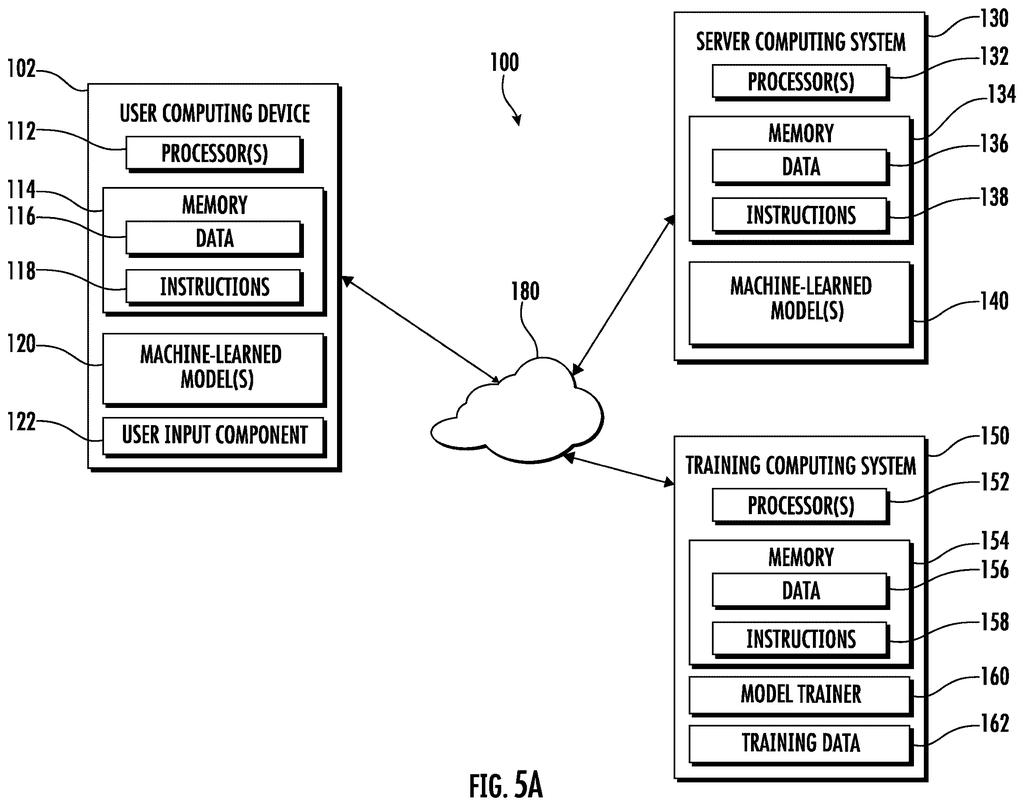
How Google's group-scoring approach changes search ranking
Imagine you search for "best running shoes" and Google shows you ten results. Right now, Google's AI largely scores each result on its own: how likely are you to click on result number three? This patent describes a different approach, where the model also asks a second question: across all ten results, how many total clicks do we expect?
That shift sounds small, but it matters. When a model only scores items one at a time, it can accidentally favor a set of results that are all very similar to each other. By also predicting the total engagement across the whole set, the model gets feedback that nudges it toward a more balanced mix.
Google is training this as part of a bigger system that handles multiple goals at once, individual click prediction, overall engagement, and ranking, all at the same time. Think of it as teaching the same model three related lessons simultaneously rather than one at a time.
How the item network and query network split the work
The patent describes a two-part neural network (a program loosely modeled on the brain) that processes a set of recommended items together.
- Item network: Each candidate result is processed individually to produce an "intermediate representation" (a compressed mathematical summary of that item's relevance signals).
- Query network: All those summaries are then fed together into a second network, which produces a single "set-wise label prediction," meaning a forecast of the total engagement expected across the whole set.
- Set-wise loss: During training, the model is penalized not just for mispredicting individual clicks but also for mispredicting the aggregate count across the group. This is the core new training signal.
The whole thing is trained in a multi-task arrangement (training one model on several related objectives at once) alongside traditional per-item engagement prediction and a ranking task. The idea is that each task reinforces the others, giving the model a richer picture of what a good recommendation set actually looks like.
What this means for search quality and content creators
For everyday search users, a model trained this way could surface a more varied results page rather than four near-identical links at the top. If the model knows it will be judged on total engagement across all results, it has an incentive to spread quality around rather than cluster similar items together.
For content creators and publishers, this is worth watching because it suggests Google is moving toward evaluating pages in competitive context, not in isolation. A page that would rank well on its own might score differently when the model accounts for everything else appearing alongside it. That is a meaningful shift in how ranking signals are constructed, even if the practical impact on any individual site takes time to show up.
This is a genuinely interesting methodological patent, not a flashy product announcement. The set-wise training idea addresses a real weakness in how recommendation models are typically evaluated, and if it works as described, it could measurably improve result diversity. Whether Google ships exactly this approach or uses it as one ingredient in a larger system is impossible to say, but it's the kind of foundational training research that tends to influence products over one to three years.
There are more where this came from
We read every patent application Big Tech publishes and send you the ones worth knowing. Plain English, free, every week.
The drawings
7 drawing sheets from US 2026/0212203 A1 · click any drawing to enlarge


Want this weekly breakdown for a company we don't cover? Patentlyze Pro →
Be the first to weigh in