
IBM Patents a System That Builds You a Custom Video From Across the Web
Instead of handing you a list of links, IBM's patent describes a system that goes out, finds the best video clips for your search across multiple platforms, and assembles them into a single watchable file just for you.
How IBM's auto-stitched video search actually works
Imagine you search for 'how to fix a leaky faucet.' Today, you get ten blue links, maybe a few YouTube thumbnails, and you have to click around to find the one that actually helps. IBM's patent describes a different outcome: you type your question, and the system builds you a custom video by pulling the best matching clips from across multiple video platforms and stitching them together into one file.
The key idea is that your original search query gets expanded into a ranked list of related phrases. Each phrase goes out to video sites separately, and the results are compared against video descriptions and tags to find the clips that best match each phrase. The winning clips get combined into a single composited video delivered back to you.
This is essentially an automated video editor that works on your behalf every time you search. Whether that sounds useful or a little alarming depends on how much you trust the system's taste in clips.
How the system expands queries and matches video metadata
The patent describes a pipeline with several distinct steps:
- Query expansion: The user's original search phrase is broken out into a ranked, ordered list of related text strings. Think of this as the system brainstorming all the sub-topics your search might involve.
- Multi-platform search: Each text string in that list is sent as a query to one or more video-sharing platforms. Each query returns its own batch of candidate video files.
- Metadata matching: The system compares each text string against the text-based metadata (titles, descriptions, tags) of the candidate videos returned for that string. This is how it picks the best clip for each sub-topic.
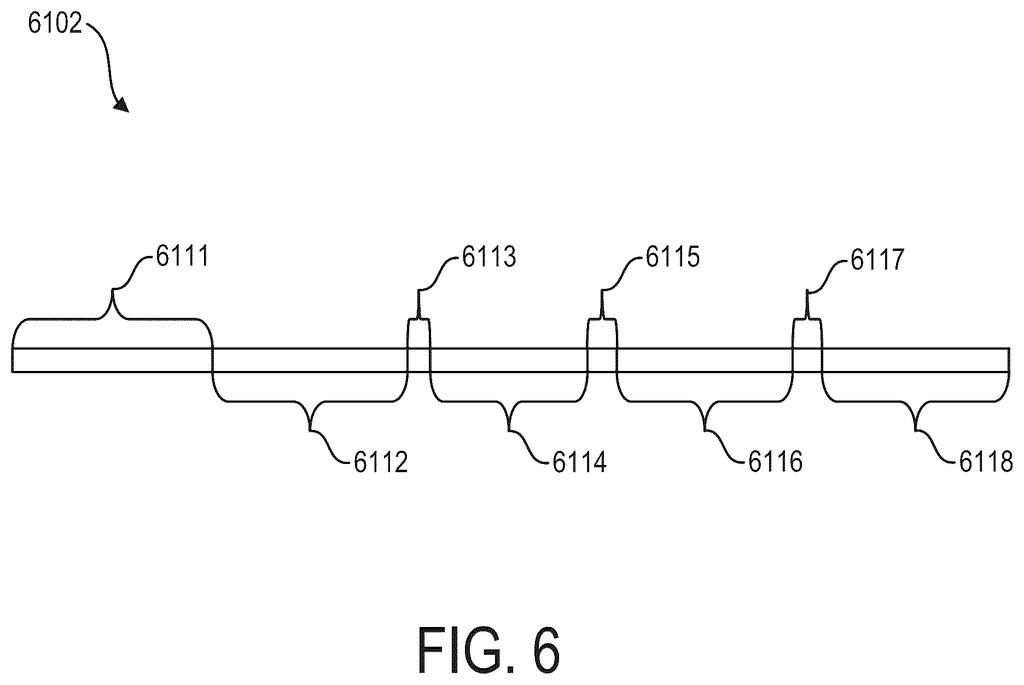
- Compositing: The selected clips are assembled into a single output video file that the user receives.
The patent frames the output as user adaptive, meaning the whole process is shaped around what the individual user was searching for, not a generic pre-built playlist. The claim is specifically about matching at the metadata level, so the system is not doing any video frame analysis, just reading text labels attached to videos.
What this means for video search and content discovery
For everyday users, this would change video search from a browsing task into something closer to asking a question and getting a direct answer. Instead of watching three 15-minute tutorials to find the two useful minutes in each, a system like this could theoretically hand you just those two minutes from each, back to back.
For the video platforms themselves, this raises real questions about how content gets surfaced and credited. If IBM (or any company building on this idea) routes queries across competing platforms and assembles the results, the underlying creators and platforms may have little visibility into how their content ends up in someone else's composited output. That tension between user convenience and content-creator interests is going to be a recurring theme as more AI-driven discovery tools emerge.
This is a genuinely interesting idea that sits right at the intersection of AI search and content aggregation, two areas that are already generating serious legal and commercial friction. The technical approach described is fairly straightforward, but the product concept, auto-assembling a personalized video from across the web, is one that search giants and streaming platforms should be paying attention to. IBM may not ship this as a consumer product, but someone will.
There are more where this came from
We read every patent application Big Tech publishes and send you the ones worth knowing. Plain English, free, every week.
The drawings
9 drawing sheets from US 2026/0221161 A1 · click any drawing to enlarge


Want this weekly breakdown for a company we don't cover? Patentlyze Pro →
Be the first to weigh in