
IBM Patents an AI That Finds and Fixes Dead Links Before Anyone Notices
Every organization has dead or misleading links buried in its documents, and finding them manually is a job no one wants. IBM is patenting a way to make an AI do it instead, and to swap in a better source when a link goes stale.
What IBM's automatic link-repair system actually does
Imagine your company has a policy document that links to an external legal guide. Six months later, that guide gets updated and the section your document was pointing to has been removed or replaced with something unrelated. Nobody catches it, and now your staff is reading the wrong thing.
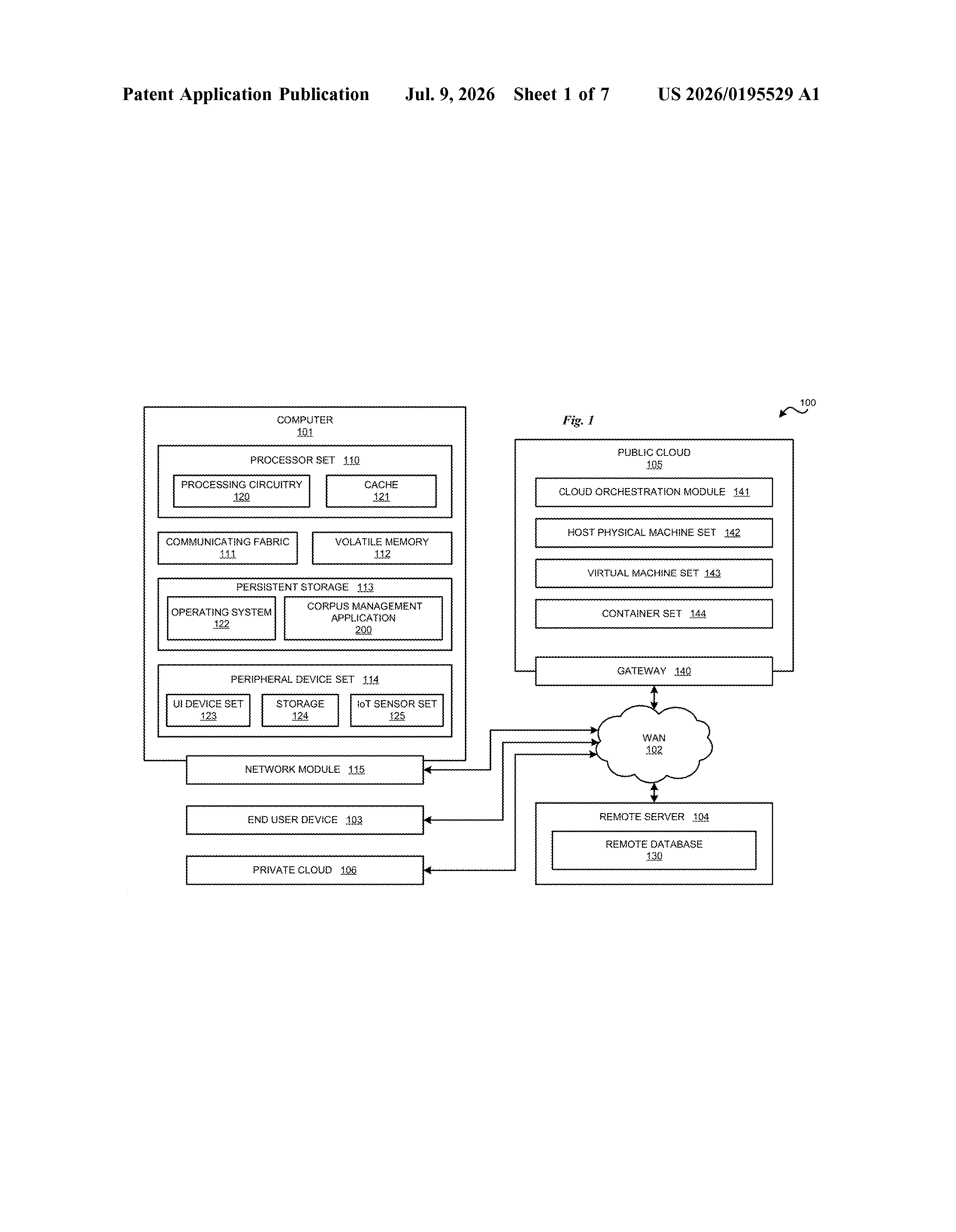
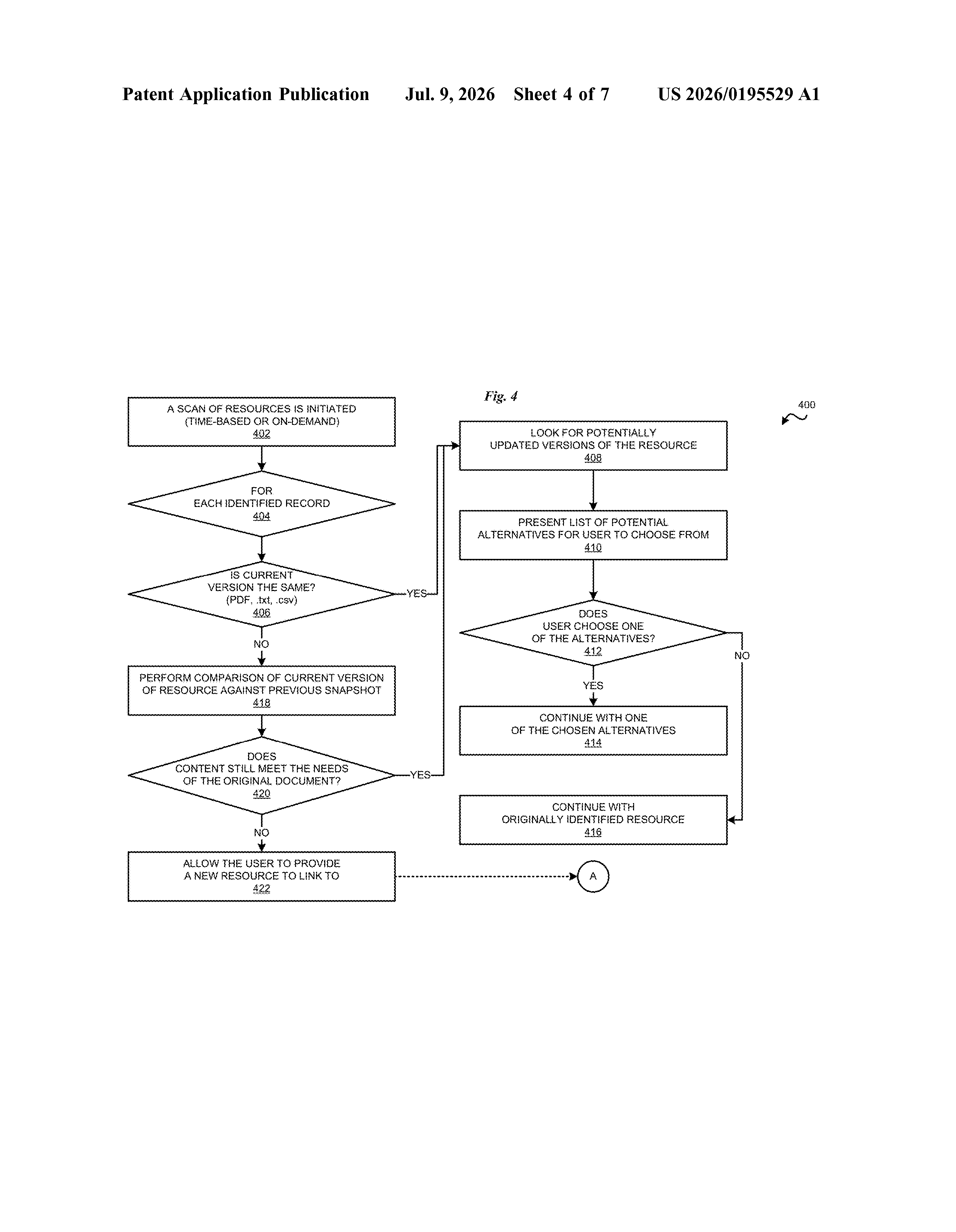
IBM's patent describes a system that watches for exactly this kind of drift. When a linked document changes, an AI reads it and figures out what topics it now covers. If the topic that was originally relevant has gone missing, the system goes looking for a different source that still covers it and reroutes your link automatically.
The practical effect is that your document library stays accurate without anyone having to audit it by hand. Think of it as a spell-checker, but for the meaning of your citations rather than the spelling of your words.
How the LLM spots topic drift and reroutes references
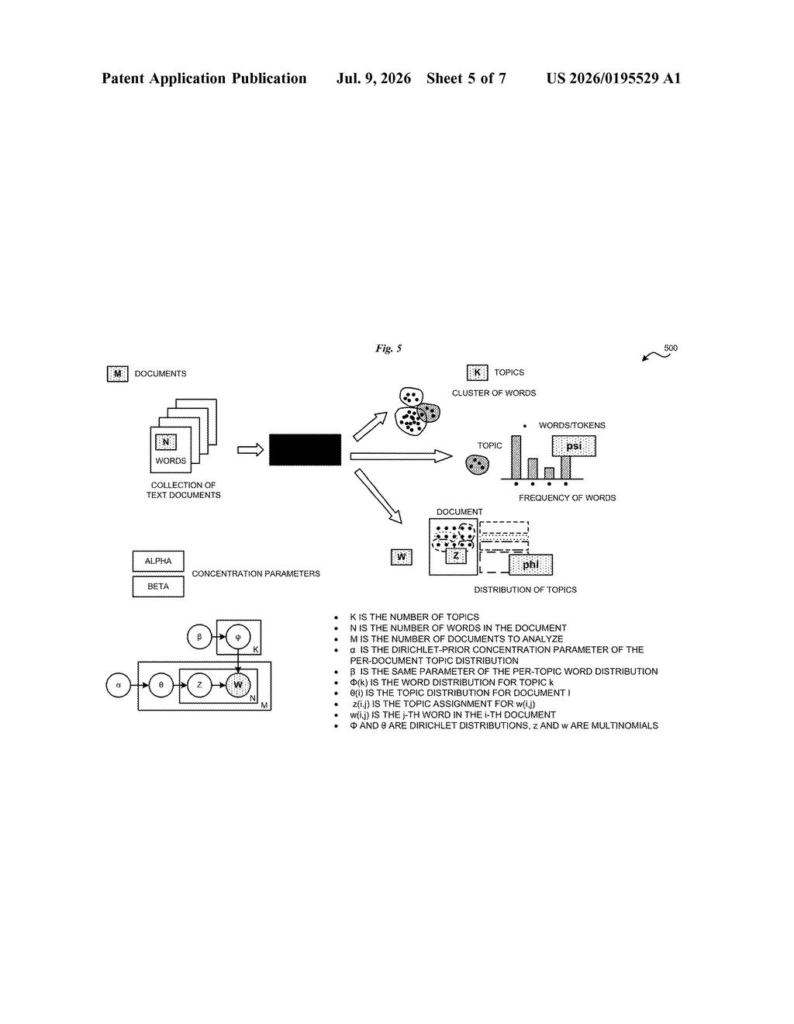
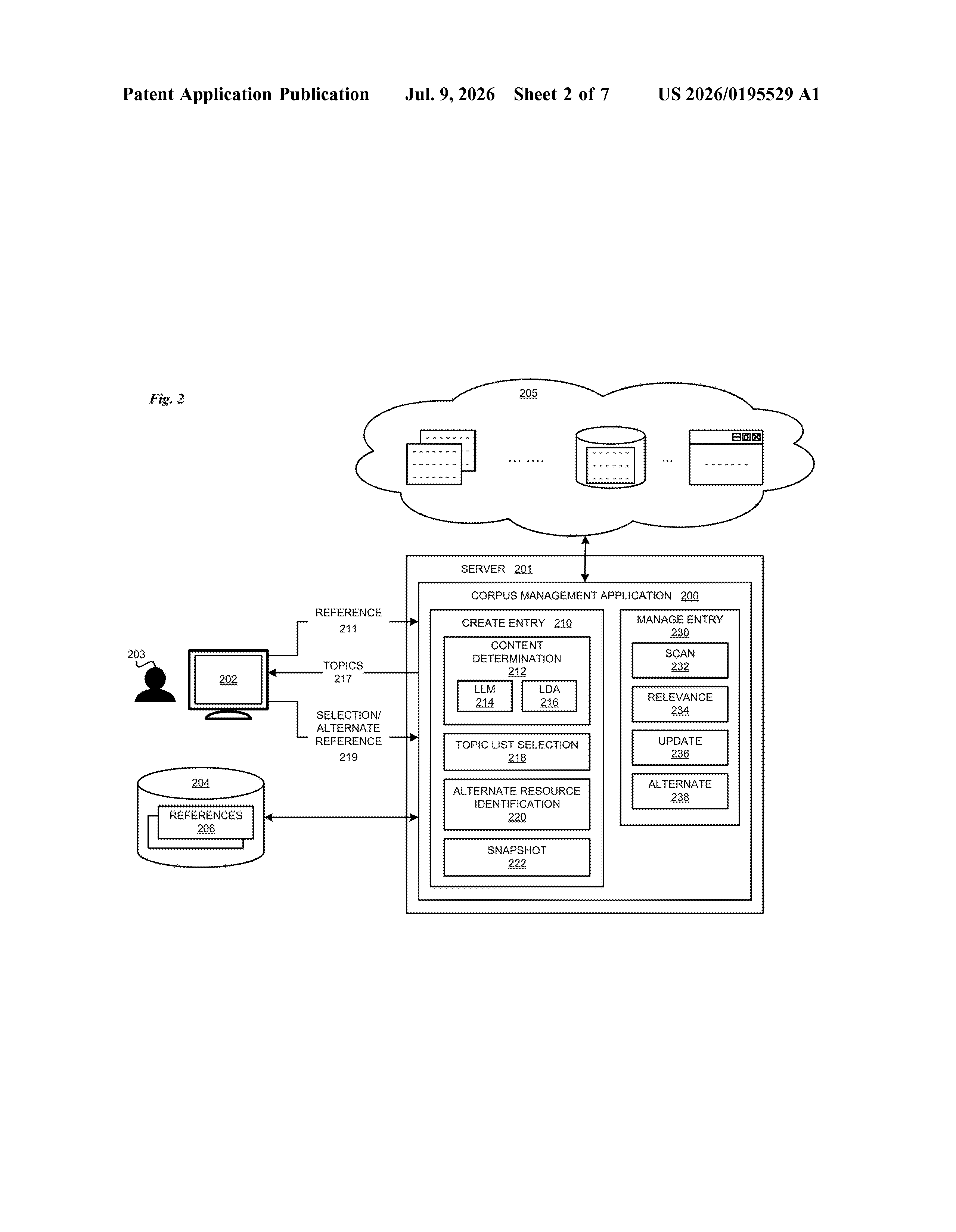
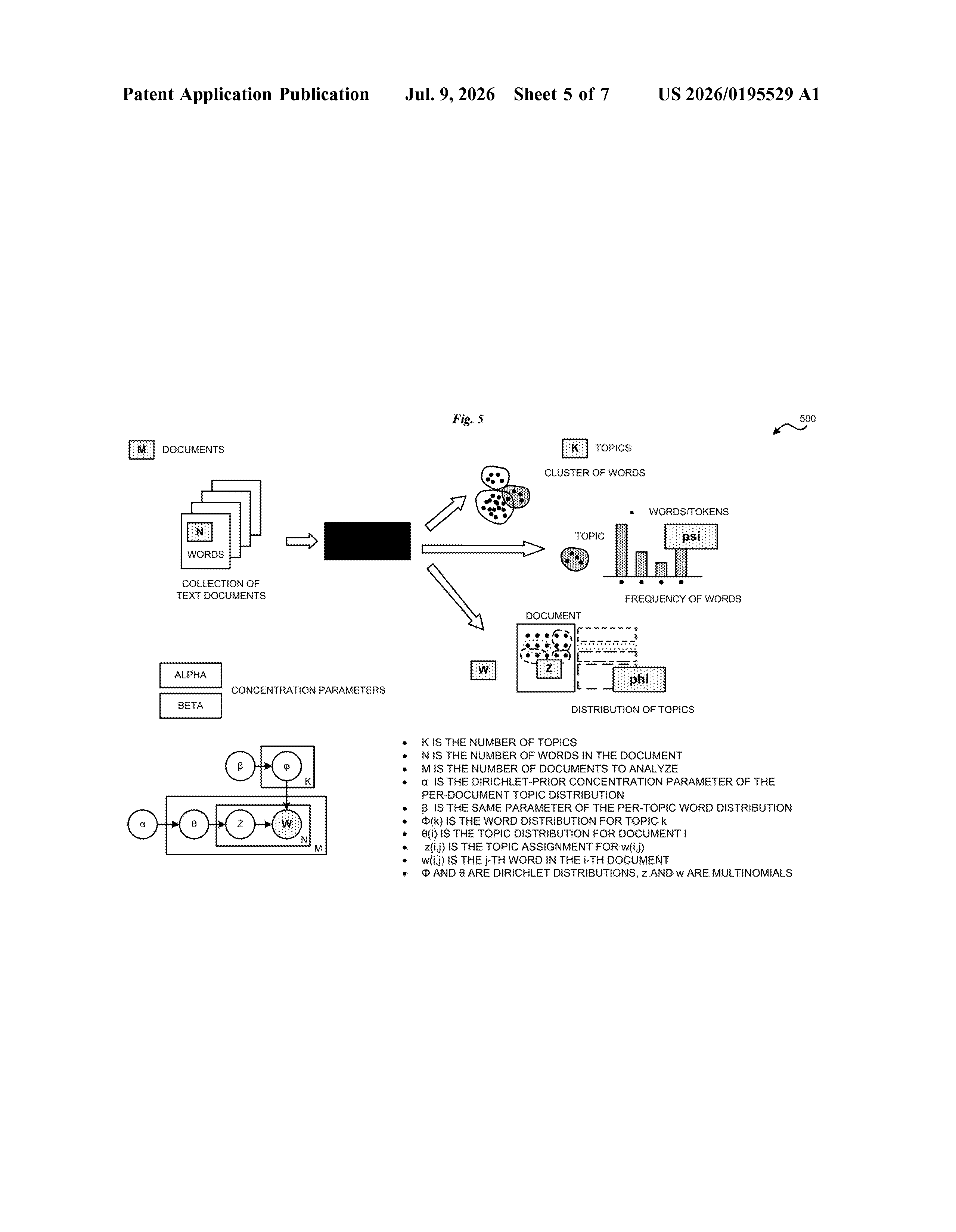
The patent describes a pipeline built around a Large Language Model (LLM) paired with a topic identification module. Together, they read the text of a document and extract a structured list of the subjects it covers.
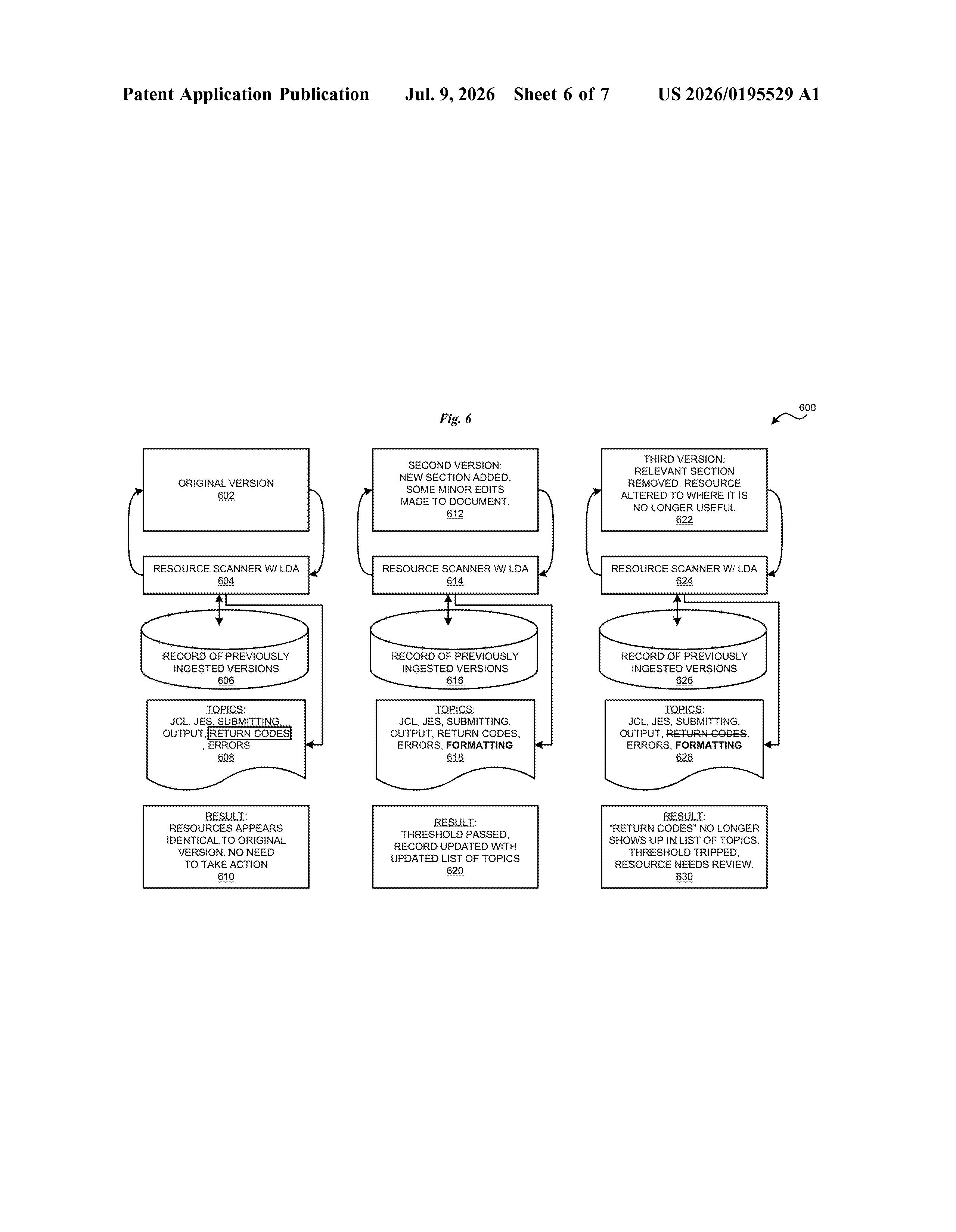
That list gets compared against a stored record of what topics the original linked document was supposed to contain. If a topic that was previously present is now absent, the system treats the link as broken in a semantic sense, meaning the page still loads but no longer says the right thing.
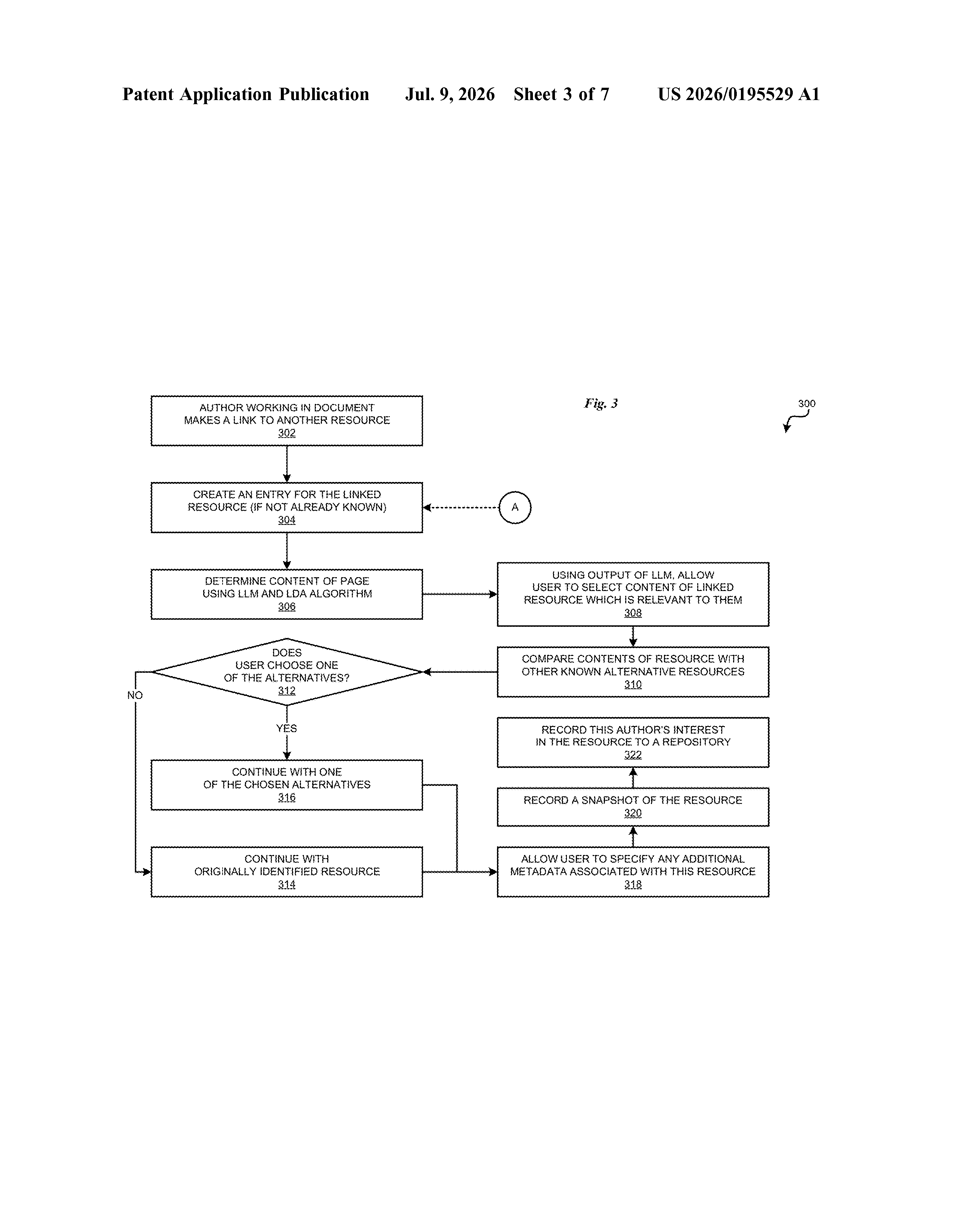
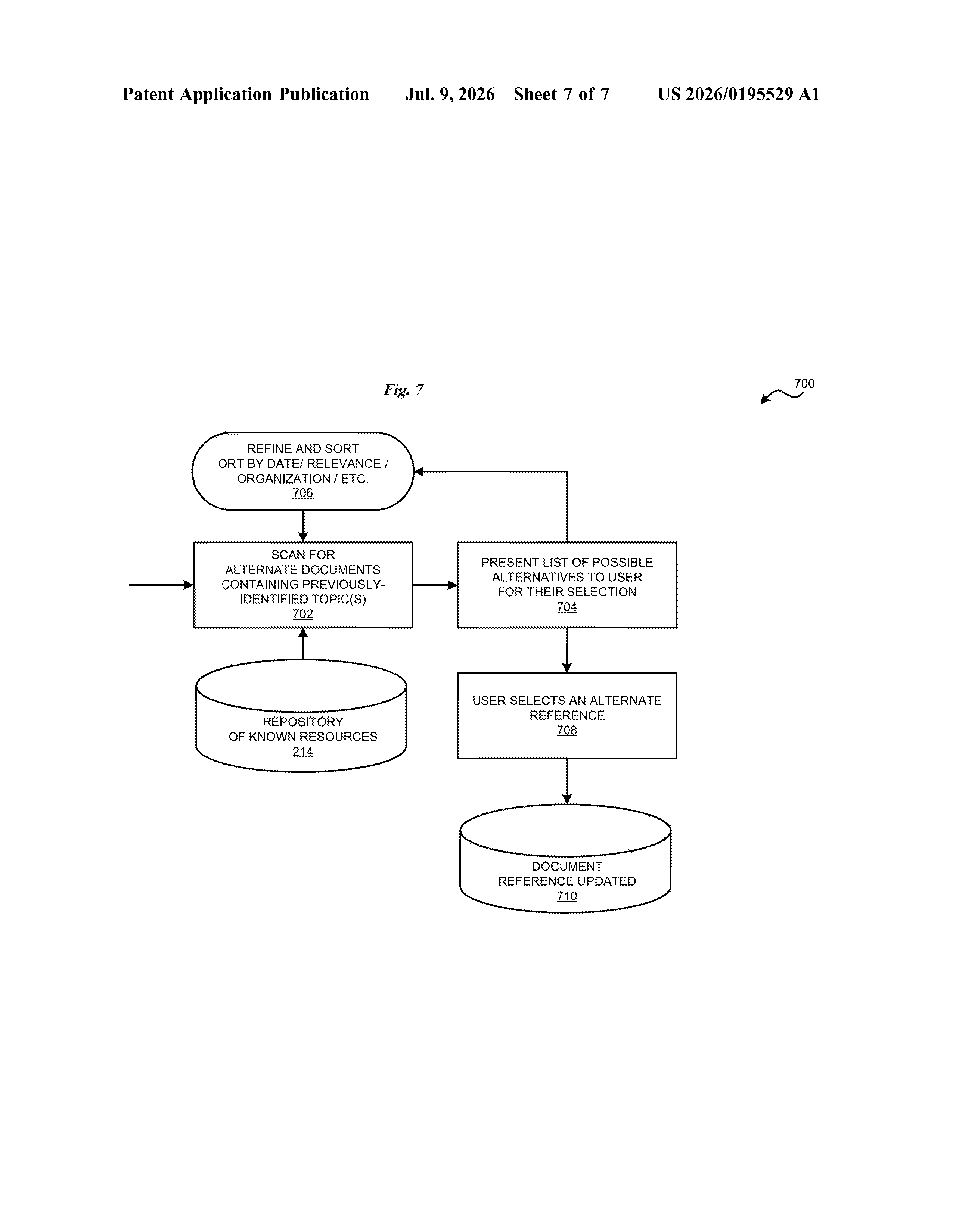
At that point the system automatically searches for an alternate resource that does cover the missing topic and updates the reference in the data repository to point there instead. The key steps are:
- Extract topics from the current version of a linked document using an LLM
- Compare those topics against what the link was originally selected to cover
- Detect when the required topic has disappeared from the source
- Find a replacement document that still covers the topic
- Redirect the stored reference to the replacement
The whole process is described as automatic, meaning no human has to flag the problem first.
What this means for legal, compliance, and enterprise docs
For large organizations, legal teams, or compliance departments, a reference that silently stops meaning what it once meant can create real liability. Manually auditing hundreds or thousands of document links is expensive and error-prone, and most teams simply don't do it often enough. An automated system that catches topic drift the moment it happens changes the economics of keeping a document library accurate.
IBM positions this squarely in the enterprise knowledge-management space, where it already sells tools like Watson and various content services platforms. If this system ships in a product, you would likely see it as a background service in a document management platform that silently keeps your citations current, rather than as anything you interact with directly.
This is genuinely useful infrastructure work for any organization that manages large bodies of interlinked documents. It's not flashy, but the problem it solves, citations that become wrong, is one of those things that causes real headaches in legal, HR, and compliance contexts. IBM has the enterprise customer base to deploy this where it would actually matter.
Get our take in your Top Stories
Liked this breakdown? Add Patentlyze as a preferred source on Google, and our plain-English take shows up more often in your Top Stories the next time IBM patent news breaks.
There are more where this came from
We read every patent application Big Tech publishes and send you the ones worth knowing. Plain English, free, every week.
The drawings
7 drawing sheets from US 2026/0195529 A1 · click any drawing to enlarge
Want this weekly breakdown for a company we don't cover? Patentlyze Pro →