
Samsung Patents a System That Picks Which Battery Powers Your Device Off
When you press the power button to shut down a device with multiple batteries, which battery actually handles that job? Samsung's new patent says the answer matters, and it wants the device to choose the best candidate automatically.
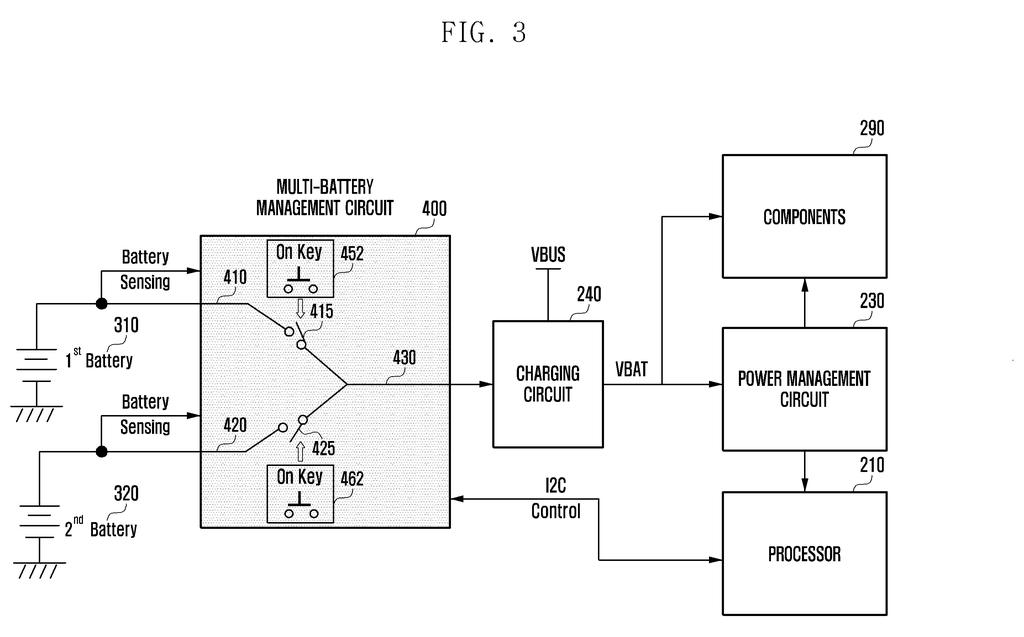
How Samsung's multi-battery shutdown selection works
Imagine your phone has two separate batteries inside, like some foldables do. When you press the power button to turn it off, something has to stay on long enough to finish shutting everything down cleanly. That 'something' draws from one of those batteries, and if you always pull from the same one, it wears unevenly over time.
Samsung's patent describes a system that looks at the state of each battery, things like charge level and health, and picks the one best suited to handle the shutdown process. The others get electrically disconnected from that job at that moment.
The clever part is in the hardware. The physical power button is wired through a set of small switches that are linked to each battery. By routing the button's signal through only the chosen battery's path, the device makes sure that battery is the one doing the work when you power off. It's a small coordination trick with potentially real long-term benefits for battery longevity.
How the on-key switches route shutdown current to one battery
The patent describes a multi-battery management circuit built around two sets of switches:
- Battery switches sit on the electrical paths connecting each battery to the rest of the device. They open or close those paths to control which battery is supplying power.
- On-key switches sit on separate paths tied to the physical power button (the 'on-key'). Each on-key switch is paired with a corresponding battery switch.
When a power-off event is detected (you pressed and held the power button), the processor reads state information from each battery, things like remaining charge, temperature, and cycle count. It picks one battery as the designated shutdown battery.
For every other battery, the system connects that battery's on-key path directly to its battery switch. That means pressing or releasing the power button mechanically opens and closes those batteries' main switches, effectively keeping them out of the shutdown loop. The selected battery is the only one actively powering the device through the shutdown sequence.
This is a hardware-level coordination approach, not just a software preference. The physical button press itself becomes the trigger that isolates the non-selected batteries, which means the behavior persists even in low-power or edge-case shutdown conditions.
What this means for multi-battery phones and foldables
Devices with multiple batteries, including foldable phones, large tablets, and some laptops, already manage charge cycles across cells. But shutdown is a moment most battery management systems treat as an afterthought. If one battery always handles power-off, it accumulates extra wear in a way that's hard to track or balance.
For Samsung's foldable lineup, where two batteries are standard and longevity is a real consumer concern, a system that distributes shutdown wear could extend the useful life of both cells. It also hints at tighter hardware-software integration in how Samsung thinks about power delivery, which matters for any device where replacing a battery is difficult or expensive.
This is quiet, unglamorous engineering work, but it's the kind that actually affects how long a device stays healthy over two or three years of use. Samsung's foldables already carry the stigma of durability questions, so a patent focused on reducing uneven battery wear is a sensible, practical filing. Don't expect a marketing slide about it, but do expect something like it to show up in future Galaxy Z hardware.
There are more where this came from
We read every patent application Big Tech publishes and send you the ones worth knowing. Plain English, free, every week.
The drawings
12 drawing sheets from US 2026/0221787 A1 · click any drawing to enlarge


Want this weekly breakdown for a company we don't cover? Patentlyze Pro →