
Qualcomm Patents a Way to Wake Your Screen the Instant the Chip Wakes Up
Every time you tap your phone screen, there's a tiny delay while the processor boots up and then tells the display to do the same. Qualcomm's new patent cuts out that middleman entirely.
Why your screen lags on wake-up, and Qualcomm's fix
Imagine pressing a button on a sleeping phone. The processor has to wake up first, and only then does it tell the display to start refreshing faster so it can show you something. That gap, even if it's just a fraction of a second, is why screens can feel slightly sluggish on wake.
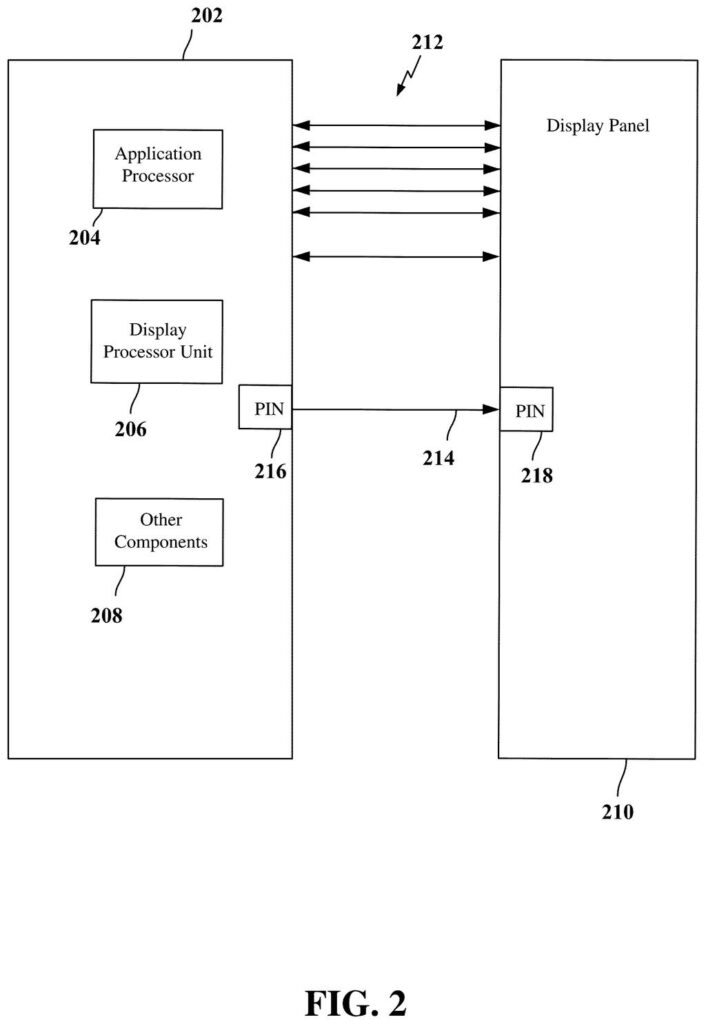
Qualcomm's patent describes a direct hardware connection between the chip and the display. The moment the processor begins waking up, it immediately sends a signal to the screen telling it to jump from its slow, power-saving refresh rate to the faster one needed for smooth interaction. The two wake up together, rather than one waiting on the other.
The result is a tighter, more immediate feeling when you pick up your phone or tap the screen. You're essentially shaving off a small but noticeable step in the wake-up sequence by handling it in hardware rather than software.
How the processor's wake signal reaches the display directly
When a phone is idle, both the processor and the display drop into low-power modes. The display typically refreshes at a very slow rate, say 1 Hz or even lower, to save battery. When something wakes the phone (a tap, a notification, a button press), the processor has to boot itself up before it can send any instructions to the display driver.
Under the current approach, that means the display upgrade is always a second step, waiting for the processor's firmware and software stack to come online. Qualcomm's patent changes this by wiring a dedicated output pin on the processor directly to the display panel. As soon as the processor begins its wake sequence, a hardware wakeup signal goes out on that pin simultaneously.
The display reads that signal as a direct command to increase its frame rate (the number of times per second it redraws the image) from the idle rate to the active rate. No software handshake is required at that stage.
- Processor receives a wakeup event (touch, button, interrupt)
- Processor starts its own boot-up sequence
- Hardware pin fires a wakeup signal to the display at the same moment
- Display begins ramping up its refresh rate in parallel with the processor
What this means for tap-to-response feel on phones
For everyday users, this is about the tactile feeling of a phone that responds instantly. The gap between touching a dark screen and seeing it light up responsively is one of those things you feel before you consciously register it. Shaving time off that sequence makes a device feel faster without actually changing the processor's clock speed or adding more memory.
For Qualcomm, this kind of low-level hardware optimization matters most in mid-range and power-efficient chips where every millisecond of startup overhead is more visible. It also fits into the broader push toward variable refresh rate displays, where the screen constantly shifts between power-saving and active modes and the smoothness of those transitions defines the user experience.
This is a small but genuinely useful optimization. It's not a headline feature, but the kind of detail that separates a phone that feels snappy from one that feels hesitant. Qualcomm filing this as a patent suggests they've found a concrete, measurable improvement and want to protect it, which means there's probably real latency data behind it.
There are more where this came from
We read every patent application Big Tech publishes and send you the ones worth knowing. Plain English, free, every week.
The drawings
7 drawing sheets from US 2026/0221065 A1 · click any drawing to enlarge


Want this weekly breakdown for a company we don't cover? Patentlyze Pro →
Be the first to weigh in