
Google Patent Uses Face Recognition to Auto-Correct Skin Tone Colors in Photos
Your phone's camera doesn't know what you actually look like. Google is patenting a system that does, and uses that knowledge to make sure your skin tone looks right every time you take a photo.
How Google's face-memory white balance actually works
Imagine you take a photo of yourself outside on a cloudy day and your skin looks weirdly yellow. Then you take one under fluorescent lights and you look almost green. That's a white balance problem. Your camera is guessing at what "white" looks like in the current light, and it gets it wrong.
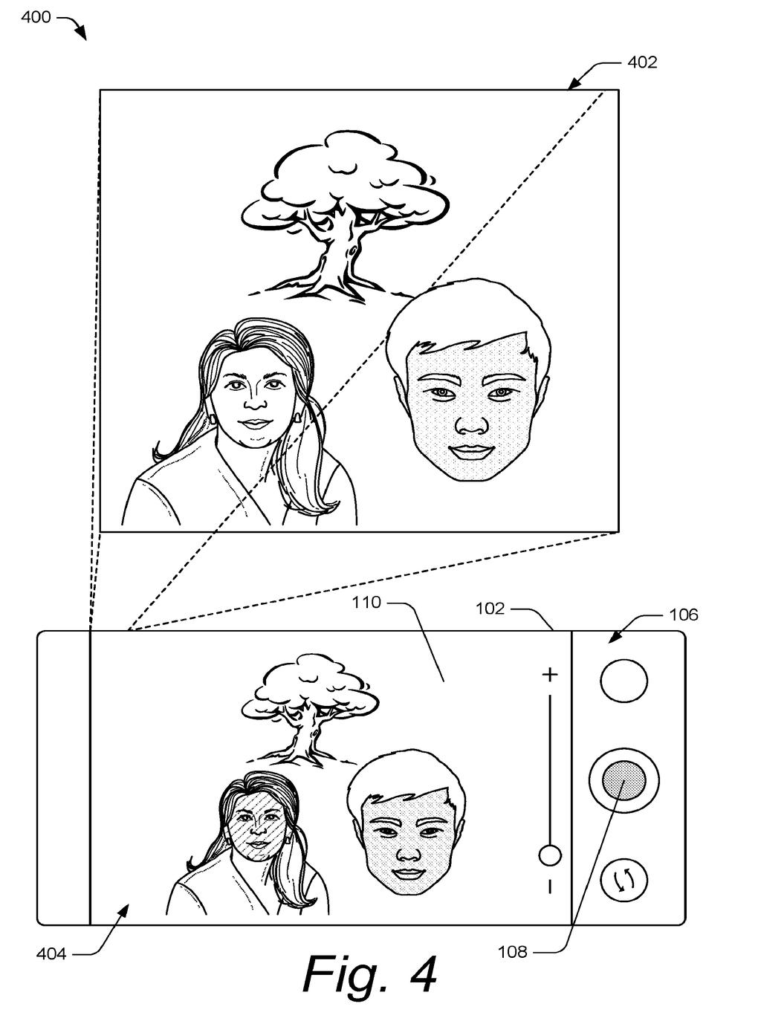
Google's patent describes a system that looks at your face before the shot is taken, then digs through your past photos to find other pictures of the same face. It checks what your skin tone looked like across those older shots and uses that as a reference point to correct the color before snapping the new one.
The result: instead of the camera guessing in a vacuum, it's making a personalized adjustment based on what you actually look like. That's especially important for skin tones that traditional auto white balance tends to handle poorly.
How the camera compares tones across past face photos
The system works in three stages before a photo is captured.
- Face detection in the preview frame: As you line up a shot, the camera identifies any human faces visible in the live preview (called a "precursor image" in the patent). It measures the current color tone of those faces.
- Historical tone retrieval: The camera looks up previous photos that contain the same face, specifically ones taken under different ambient lighting conditions. It builds a tonal profile from that collection.
- White-balance correction: The system calculates the difference between the current detected tone and the historical tonal data, then adjusts camera settings (exposure, color temperature) to close that gap before the shutter fires.
The key insight is that the correction is face-specific. Standard automatic white balance (AWB) systems look at the whole scene and try to find neutral gray or white areas to calibrate against. This patent's approach treats the person's known appearance as its own calibration target, which is a fundamentally different reference point.
The patent doesn't specify whether the face matching happens on-device or in the cloud, but the reference to stored groups of images suggests this would tie into a photos library like Google Photos.
What this means for skin-tone accuracy on Pixel cameras
White balance errors disproportionately affect people with darker skin tones, because most AWB algorithms were tuned on datasets that skew lighter. A system that learns from your specific face across your specific photos sidesteps that bias at least partially, because it's calibrating to your actual appearance rather than a population average.
For Google, this fits naturally into the Pixel camera's ongoing emphasis on computational photography and skin-tone accuracy, a focus the company has marketed heavily since Pixel 6. If this system shipped, it would mean your Google Photos library is doing double duty as a personal color calibration database every time you pick up your phone to take a picture.
This is a genuinely interesting application of face recognition to a real and well-documented camera problem. The approach of using personal photo history as a calibration baseline is more practical than it sounds, and Google already has the infrastructure to make it work. Whether it actually ships in a Pixel camera or stays a patent is another question, but the underlying idea is worth taking seriously.
There are more where this came from
We read every patent application Big Tech publishes and send you the ones worth knowing. Plain English, free, every week.
The drawings
18 drawing sheets from US 2026/0222693 A1 · click any drawing to enlarge


Want this weekly breakdown for a company we don't cover? Patentlyze Pro →
Be the first to weigh in