
Google Patents a Hybrid Auto-Focus System That Prioritizes Close-Up Subjects
Getting a sharp photo of something small and close — a flower petal, an insect, a piece of food — is surprisingly hard for smartphone cameras. Google's new patent describes a smarter autofocus system that knows when to ignore one sensor and trust another to nail those tricky macro shots.
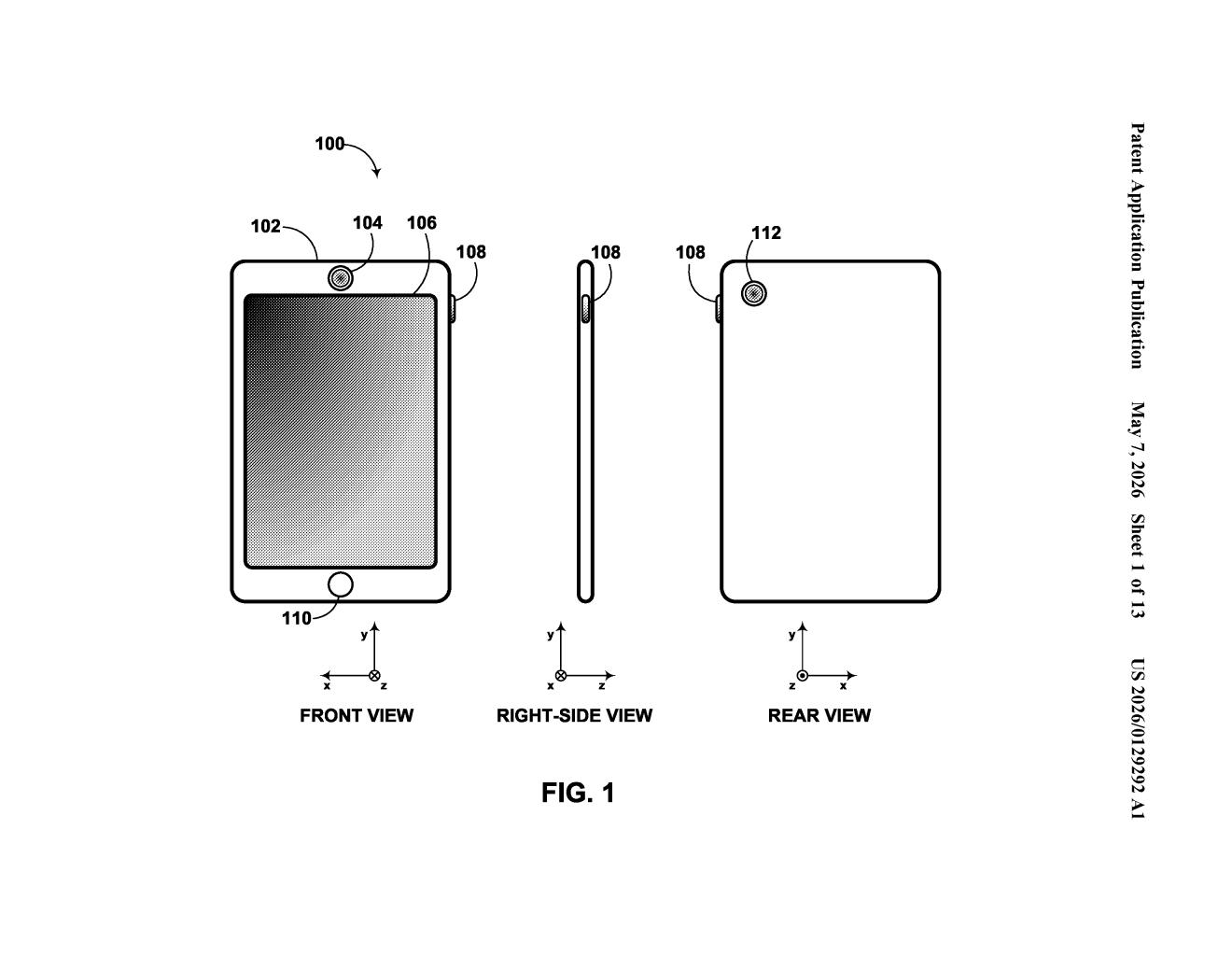
What Google's dual-sensor macro focusing actually does
Imagine you're trying to photograph a tiny ladybug on a leaf. Your phone's camera starts hunting for focus, overshoots the bug, and locks onto the background instead. Frustrating, right? This is a real, common failure mode in smartphone autofocus, especially when you zoom in close.
Google's patent describes a system that runs two depth-sensing technologies simultaneously — phase-detect autofocus (PDAF) and time-of-flight (ToF) — and compares their readings in real time. If the two sensors agree that a nearby foreground object is already sharp under the ToF system, the camera skips PDAF entirely and locks onto that close subject using ToF alone.
The practical upshot: your camera is less likely to "look past" a nearby subject and accidentally focus on something further away. It's a smarter handoff between two systems that are each better in different situations, designed to make zoomed-in, close-up shots more reliably sharp.
How PDAF and ToF depth estimates are compared and switched
The patent describes a hybrid autofocus arbitration system that runs during a live zoomed camera preview. Here's the core logic:
- PDAF (Phase-Detect Autofocus) — the fast, standard approach that uses split-pixel sensors on the image sensor to measure how out-of-phase light rays are, then calculates distance from that. It's great for general-purpose shooting but can struggle with very close subjects.
- ToF (Time-of-Flight) — a dedicated depth sensor (like the one in many Pixel phones) that fires infrared light pulses and measures how long they take to bounce back. It produces a depth map of the entire scene and is particularly reliable at short distances.
- The comparison step — the system evaluates both depth estimates against each other. If the ToF reading indicates a foreground object is already well-focused and the two estimates are consistent, the system bypasses PDAF entirely and activates the ToF-based autofocus mode.
The key insight is that this isn't just "use ToF instead of PDAF." It's a conditional handoff: PDAF is bypassed only when ToF has a confident, validated read on a close foreground subject. The system is designed to avoid the common failure where PDAF "reaches past" a nearby macro subject to focus on a more distant background.
What this means for Pixel camera close-up performance
Macro and close-up photography is one of the last genuinely hard problems in smartphone cameras. Even flagship phones with excellent general autofocus can hunt, jitter, or miss focus on nearby subjects — particularly in zoomed preview modes where depth-of-field is shallower and errors are more visible.
For Pixel users, this kind of intelligent sensor arbitration could mean more consistent macro shots without manually tapping to refocus. It also signals that Google is investing in making its ToF hardware do more active work during the autofocus decision process — not just as a passive depth aid, but as a first-class focus mode that can override the default system when the conditions call for it.
This is a solid, specific patent that addresses a real and well-documented pain point in mobile photography. It's not a moonshot — it's careful systems engineering on a problem that frustrates real users. The fact that it explicitly targets zoomed macro previews suggests Google has data on exactly where current Pixel autofocus struggles and is engineering a targeted fix.
There are more where this came from
We read every patent application Big Tech publishes and send you the ones worth knowing. Plain English, free, every week.
Want this weekly breakdown for a company we don't cover? Patentlyze Pro →