
Samsung Patents a System That Generates Personalized Thumbnail Images for Media Content
What if the thumbnail or description image you see for a movie or TV show was generated specifically for you, based on your viewing habits and profile? That's exactly what Samsung is filing a patent to do.
How Samsung tailors media images to the viewer
Imagine you and a friend both open the same streaming app and land on the same movie's detail page — but you each see a different image describing that movie. One of you sees an action shot because you watch a lot of thrillers; the other sees a romantic scene because that's more their style. That's the core idea here.
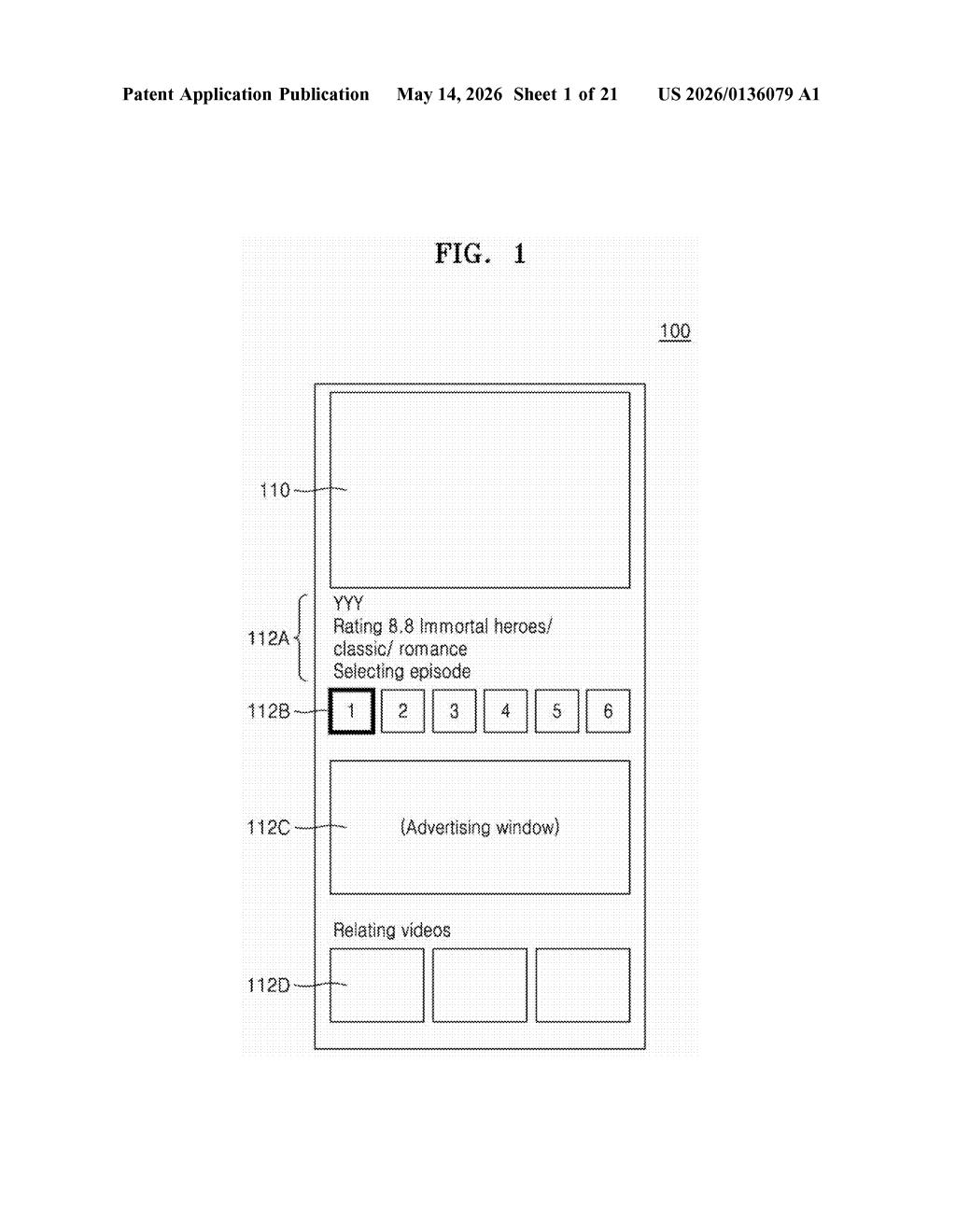
Samsung's patent describes a system that takes both the media content itself and information about the person currently viewing it, then uses that combination to generate a custom "description image" — essentially a personalized visual summary — and displays it on the content's detail page.
It's a bit like how Netflix already personalizes which thumbnail you see for a title, but Samsung's approach goes a step further by generating the image rather than just selecting from a pre-made set. The result is a detail page that feels curated specifically for you.
How Samsung converts user data into description images
The patent outlines a four-step pipeline:
- Receive multimedia data + user info: The system ingests both the content (a show, movie, or other media) and a profile of the current user — things like viewing history, preferences, or demographic data.
- Determine description words: From that combined input, the system extracts or generates text descriptors that capture what's most relevant about the content for that specific user — essentially keywords or phrases that bridge the content's identity with the user's tastes.
- Generate a description image: Those words are fed into an image generation process (likely an AI image model) that produces a custom visual tailored to the extracted descriptors.
- Apply to the detail page: The generated image is placed on the media's detail or product page — the screen you see when you click into a title before hitting play.
The key distinction from existing personalization systems is the generation step. Rather than A/B testing from a finite library of pre-produced assets, Samsung's system synthesizes new imagery on the fly. This implies generative AI at the core, though the patent doesn't specify which model architecture powers it.
What this means for Samsung's streaming and TV platforms
Samsung operates one of the world's largest installed bases of smart TVs, and its Tizen OS powers a significant streaming and app ecosystem including Samsung TV Plus. A system like this could let Samsung offer a deeply personalized content discovery experience without requiring content partners to produce dozens of thumbnail variants per title.
For you as a viewer, it could mean detail pages that feel more immediately relevant — potentially reducing the time you spend deciding what to watch. The flip side is the usual privacy question: this system only works if Samsung is actively using your viewing history and profile data to influence what you see, which is worth being aware of.
This is a pragmatic, AI-enabled evolution of the personalized thumbnail idea that Netflix pioneered years ago. It's not a flashy research patent — it's an operational system patent aimed squarely at Samsung's TV and content platform business. The generative angle is genuinely interesting, but the claim language is broad enough that the actual implementation details remain fuzzy.
There are more where this came from
We read every patent application Big Tech publishes and send you the ones worth knowing. Plain English, free, every week.
Want this weekly breakdown for a company we don't cover? Patentlyze Pro →