
Apple Patents a System That Changes Your Apps Based on Who's in the Room
Imagine your device noticing that your coworker just walked in and automatically switching an app into a shared work view, then reverting to your personal setup the moment they leave. That's the core idea in this Apple patent.
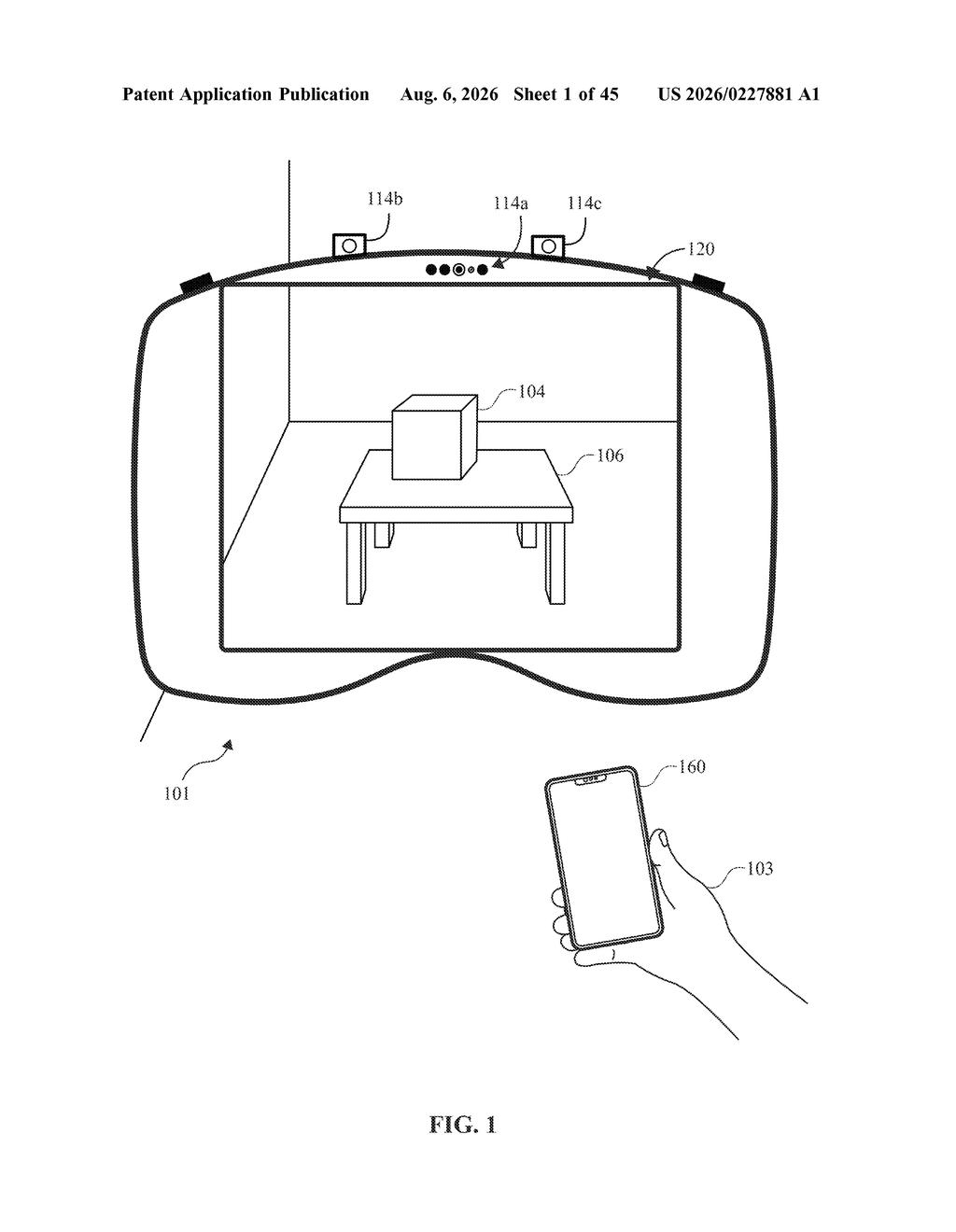
What Apple's people-aware app switching actually does
Picture this: you're using an app on your device, and a friend walks into the room. Without you touching anything, the app shifts to show content or settings tailored for the two of you together. When that friend leaves and a different person walks in, the app shifts again to match that person's context. That's the behavior Apple is trying to patent here.
The device detects which other users are physically nearby by communicating with their gadgets, then compares that group against stored preferences or profiles. Different combinations of people trigger different app behaviors, and if nobody else is around, the device just falls back to your personal defaults.
This isn't about asking you to switch modes manually. The whole point is that the device figures out the social situation itself and adjusts on your behalf. Think of it like a smart host who rearranges the living room depending on which guests have arrived.
… detecting that a set of one or more respective users of one or more respective electronic devices, different from the first electronic device, is collocated in a physical environment with a first user of the first electronic device; …
Translation: The system notices when other people carrying their own devices are sharing the same physical room with you.
How the device detects nearby users and swaps contexts
The patent describes a method where a first electronic device displays a 3D user interface (think spatial computing, not a flat phone screen) and simultaneously monitors the physical environment for other nearby users.
When the device detects that a specific person or group of people is collocated (meaning physically present in the same space), it triggers one or more context-specific operations tied to that group. The key mechanic is that different combinations produce different behaviors:
- If User B is present but not User C, the app performs operations tailored to User B.
- If User C is present but not User B, the app performs a different set of operations tailored to User C.
- If nobody extra is present, the device falls back to default behavior.
The patent doesn't lock this to a single detection method, leaving room for Bluetooth, Ultra Wideband, Wi-Fi proximity, or device-to-device signaling to do the actual nearby-person detection. The 3D environment mention in the claim strongly points toward a spatial computing headset like Apple Vision Pro as the primary target device, though the broader language covers phones and tablets too.
… were no set of users collocated with the first user in the physical environment, the first electronic device would perform one or more default operations.
Translation: When you are completely by yourself, the device simply falls back to standard behavior.
What this means for shared spaces and Apple Vision Pro
For Apple Vision Pro and any future spatial computing devices, this kind of awareness would be a real shift in how shared digital spaces work. Today, mixed-reality experiences are almost entirely personal. A system that automatically reshapes what you see in 3D space based on who has walked into the room could make shared workspaces, family entertainment, or collaborative design sessions feel genuinely different rather than just multiplayer versions of solo apps.
There's also a privacy angle worth watching. A device that constantly monitors who is physically nearby and adjusts behavior accordingly raises questions about how it identifies people and what data it stores about your social patterns. Apple will need to answer those questions before something like this ships.
This is a genuinely interesting patent because it treats social context as a first-class input rather than an afterthought. Most device interfaces are designed for one person at a time, and the clunky workaround has always been handing the device over or pulling up a screen share. Apple is sketching out a world where the device does that social math automatically, which is a natural fit for spatial computing where multiple people can occupy the same digital and physical space simultaneously.
There are more where this came from
We read every patent application Big Tech publishes and send you the ones worth knowing. Plain English, free, every week.
The drawings
45 drawing sheets from US 2026/0227881 A1 · click any drawing to enlarge


Want this weekly breakdown for a company we don't cover? Patentlyze Pro →
Be the first to weigh in