
Sony Patents a Two-Stage Light-Filtering System That Cuts Glare in Photos
Sony is working on a camera sensor that runs incoming light through two separate polarization filters in sequence, aiming to capture four distinct light directions at once while blocking everything unwanted in between.
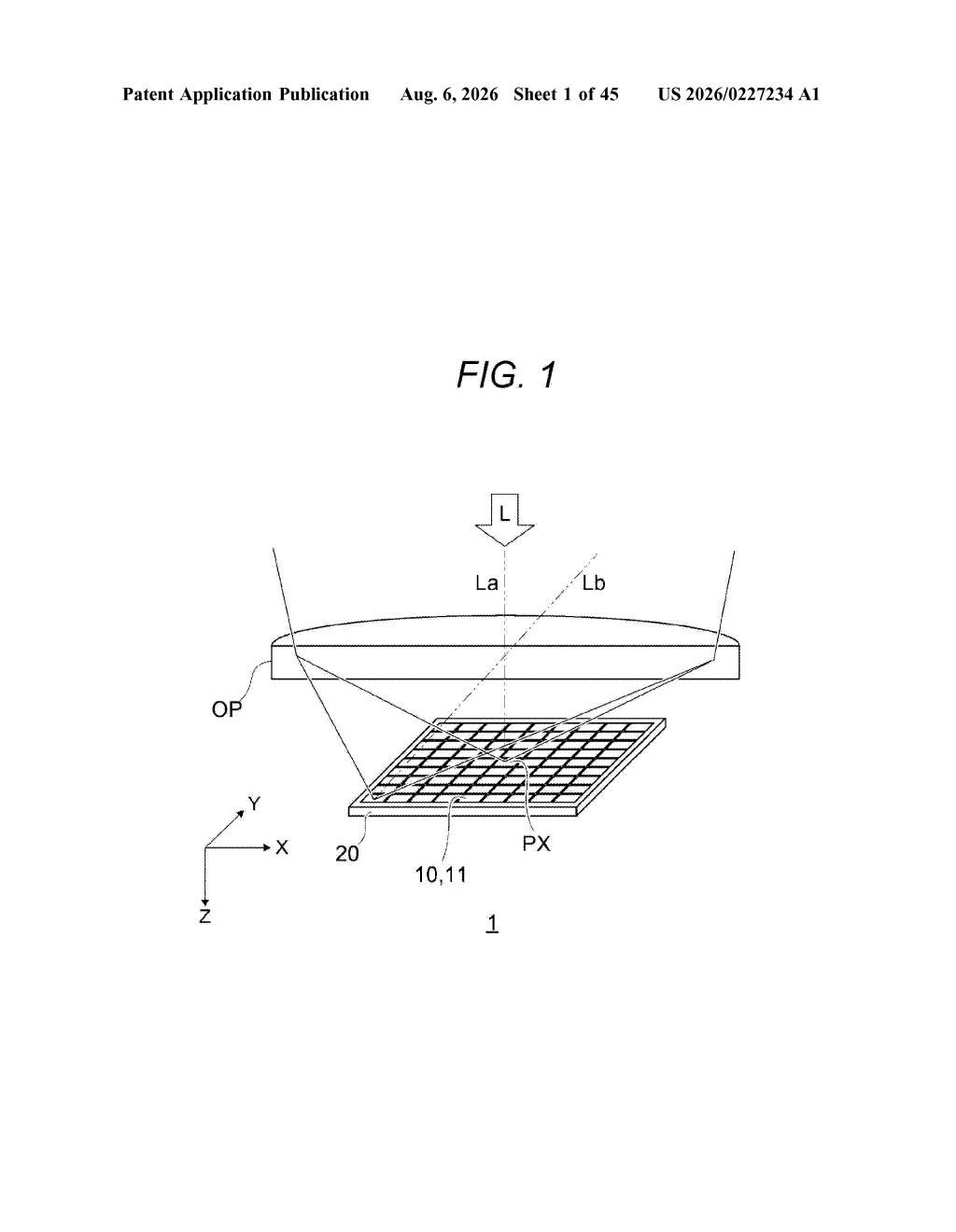
What Sony's stacked polarization filter actually does
Imagine you're taking a photo through a window. Glare bounces off the glass and washes out everything behind it. A polarizing filter on a camera lens can cut that glare, but standard sensors still let in some of the light they're trying to block, which muddies the final image.
Sony's patent describes a sensor with two polarization layers stacked on top of each other. The first layer is a grid of tiny microstructures that sort incoming light by the direction it's vibrating. The second layer is a more conventional polarizer that catches anything the first layer missed. Only light traveling in the exact directions you want makes it through to the actual sensor pixels.
The system handles four different light directions at once, which is how specialized cameras map surfaces, detect reflections, or see through glare. The double-filter design is meant to give each pixel a cleaner, purer read of the light it's supposed to measure.
a polarization controller that includes a plurality of two-dimensionally arrayed microstructures and selectively transmits a plurality of types of polarized light in incident light …
Translation: A tiny grid of structures filters incoming light based on its wave direction.
How the microstructure grid and second filter work together
Light waves vibrate in different directions as they travel, a property called polarization. Cameras that measure polarization can extract information invisible to normal sensors, like surface texture, reflectivity, or the presence of water on a road.
Sony's design stacks two polarization components:
- A polarization controller: a flat grid of tiny microstructures (think of a microscopic venetian blind array) that sorts light by oscillation direction before it goes anywhere else.
- An additional polarizer: a second, more traditional filter layer placed after the first, which selectively passes only the light directions already sorted by the controller.
- A photoelectric conversion unit: the actual pixel array that converts the filtered light into electrical signals.
The system passes four distinct polarization orientations (first, second, third, and fourth polarized light, each vibrating in a different direction) through both stages before the pixels ever see it. The redundancy is the point: any stray light leaking past the first stage gets caught by the second, so each pixel receives a purer signal from its intended polarization direction.
This dual-stage approach is the core claim. Most polarization sensors use a single filter layer, which leaves some cross-contamination between adjacent pixel types.
… suppressing reception of undesired polarized light while achieving favorable light receiving sensitivity of desired polarized light in each light receiving pixel …
Translation: It blocks unwanted glare while keeping the sensor sensitive to the light you actually want to capture.
What this means for cameras that see through glare
Polarization imaging is already used in industrial inspection, autonomous vehicle cameras, and medical imaging, anywhere you need to see past reflections or measure surface properties precisely. The persistent challenge has been cross-talk: light intended for one pixel type leaking into a neighboring one and degrading accuracy. Sony's stacked-filter approach directly targets that problem.
For consumer cameras, sharper polarization data could mean better automatic glare reduction or improved AR overlays that understand surface reflectivity. For industrial or automotive sensors, it could translate to more reliable object detection in wet or bright conditions. Sony is one of the world's largest image sensor suppliers, so design choices made here tend to show up across a wide range of cameras from many manufacturers.
This is a focused, incremental engineering improvement rather than a conceptual leap. Sony is clearly investing in polarization sensor quality, which makes sense given how much autonomous-vehicle and industrial-vision work depends on it. It's not a headline product, but it's the kind of foundational sensor work that determines what cameras can and can't see a few years from now.
There are more where this came from
We read every patent application Big Tech publishes and send you the ones worth knowing. Plain English, free, every week.
The drawings
45 drawing sheets from US 2026/0227234 A1 · click any drawing to enlarge


Want this weekly breakdown for a company we don't cover? Patentlyze Pro →
Be the first to weigh in