
Sony Patents a Fix for the Size Problem in Photo-Based 3D Scanning
When a computer builds a 3D model from photos alone, it has no idea how big anything actually is. Sony's new patent describes a way to fix that by pairing the camera with a distance sensor.
Why photo-built 3D models lose their real-world size
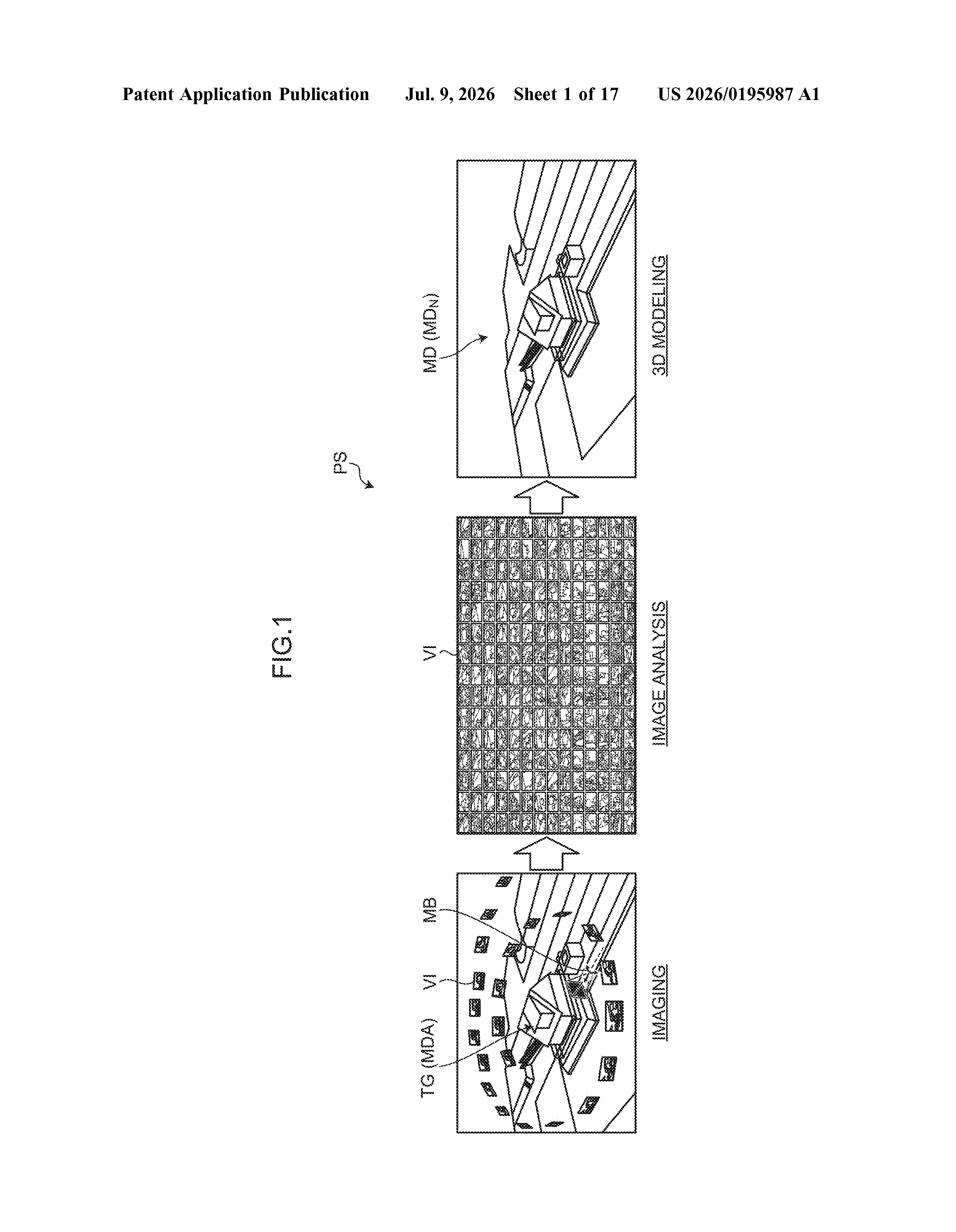
Imagine you take dozens of photos of a room and feed them into software that stitches them into a 3D model. The shape looks right, but the software has no idea whether the room is the size of a closet or a gymnasium. That size information, called "scale," simply isn't in the photos.
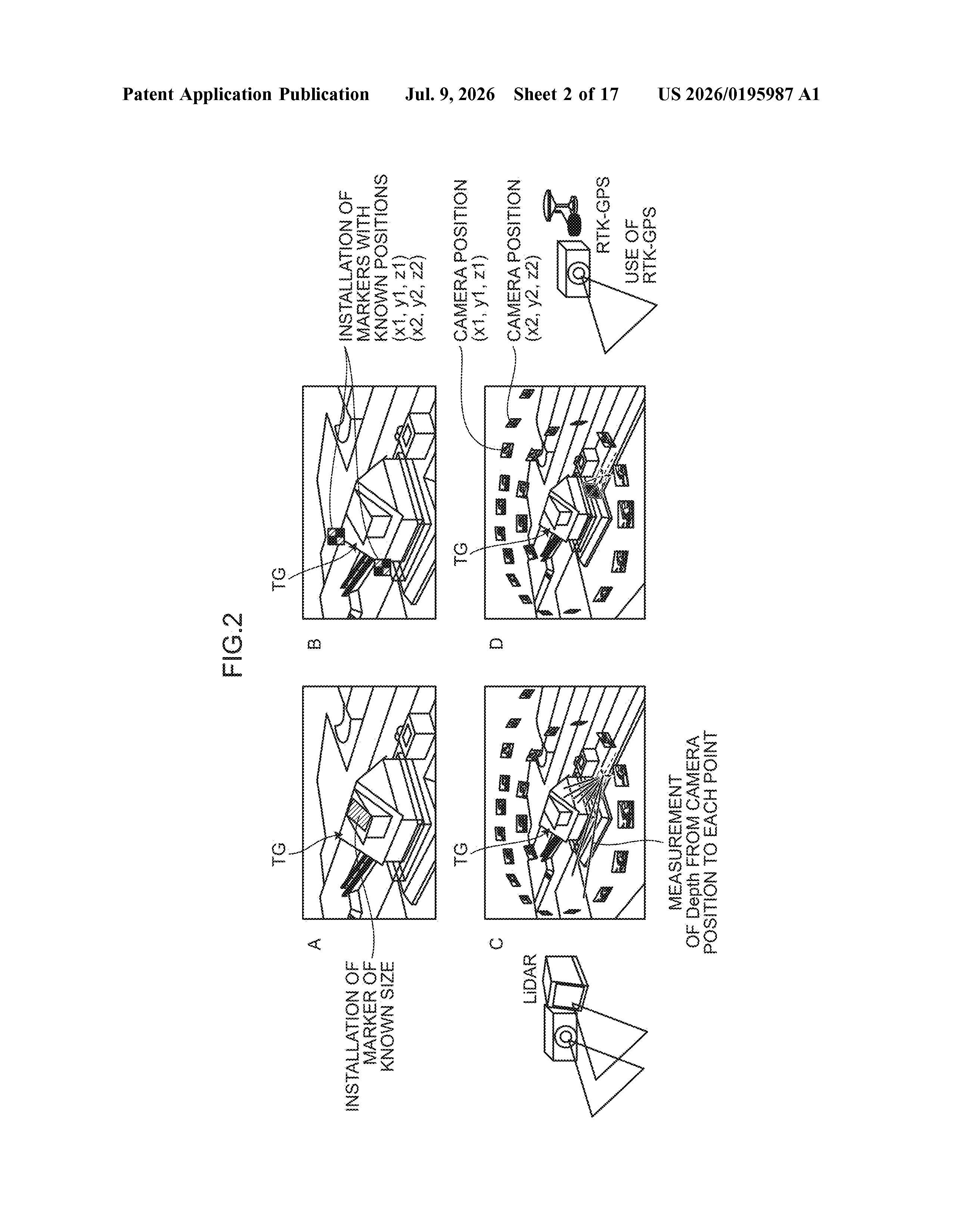
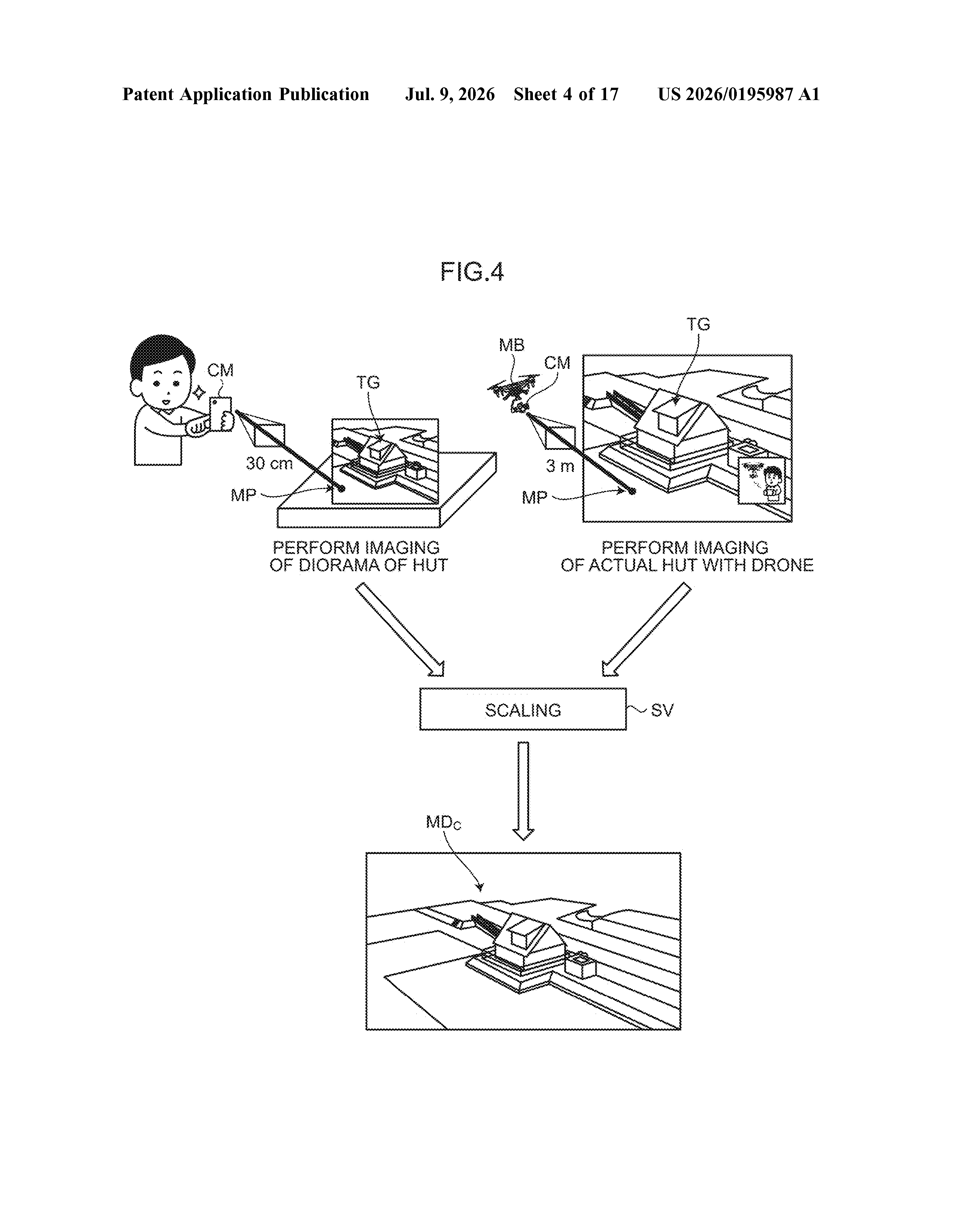
Sony's patent describes a method that solves this by adding a distance sensor alongside the camera. The sensor shoots a laser or similar beam at part of the scene and gets back a precise real-world measurement. The system then figures out exactly which part of the 3D model that measurement corresponds to, and uses it to lock the whole model to the correct real-world size.
The result is a 3D model that isn't just the right shape but also the right size, automatically, without someone having to manually enter a reference measurement. That kind of accuracy matters a lot for surveying, construction, virtual production, and any serious use of 3D scanning.
How Sony's distance sensor anchors the model to real measurements
The patent describes a three-step process running on a computer attached to a camera-and-sensor rig:
- Generate a normalized 3D model: The system takes images from a camera and builds a 3D model using standard photogrammetry (the technique of reconstructing depth and shape from overlapping photos). The word "normalized" here means the model's coordinates are in a relative, unitless space, so the shape is correct but the scale is arbitrary.
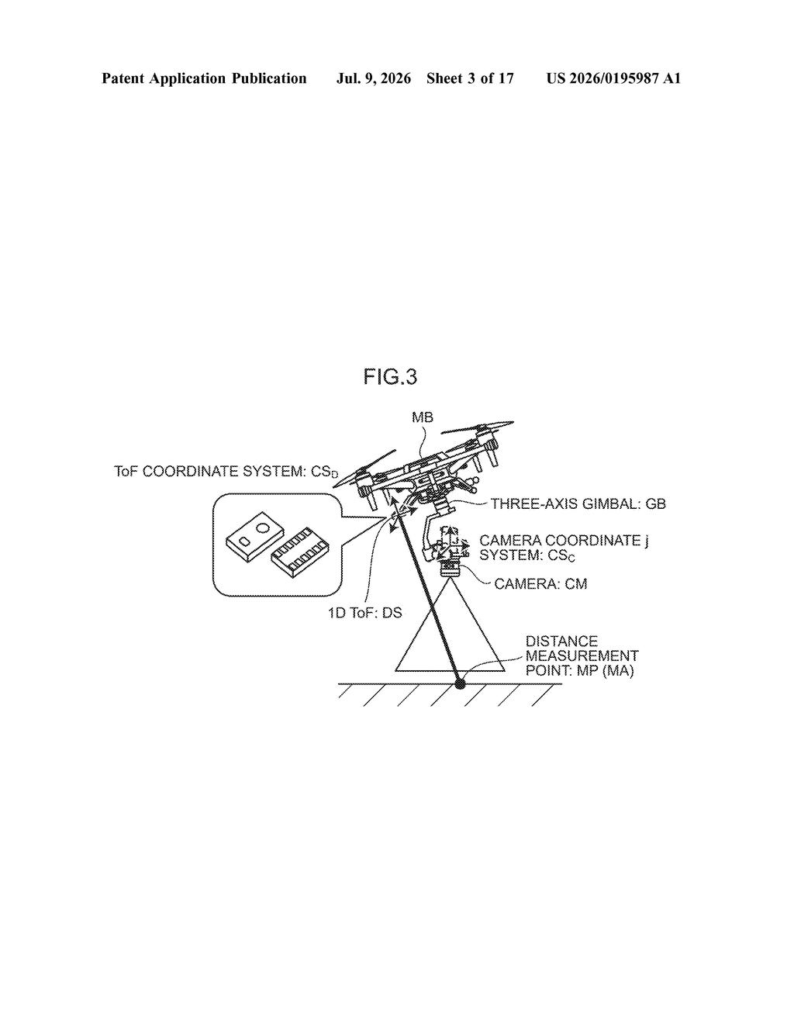
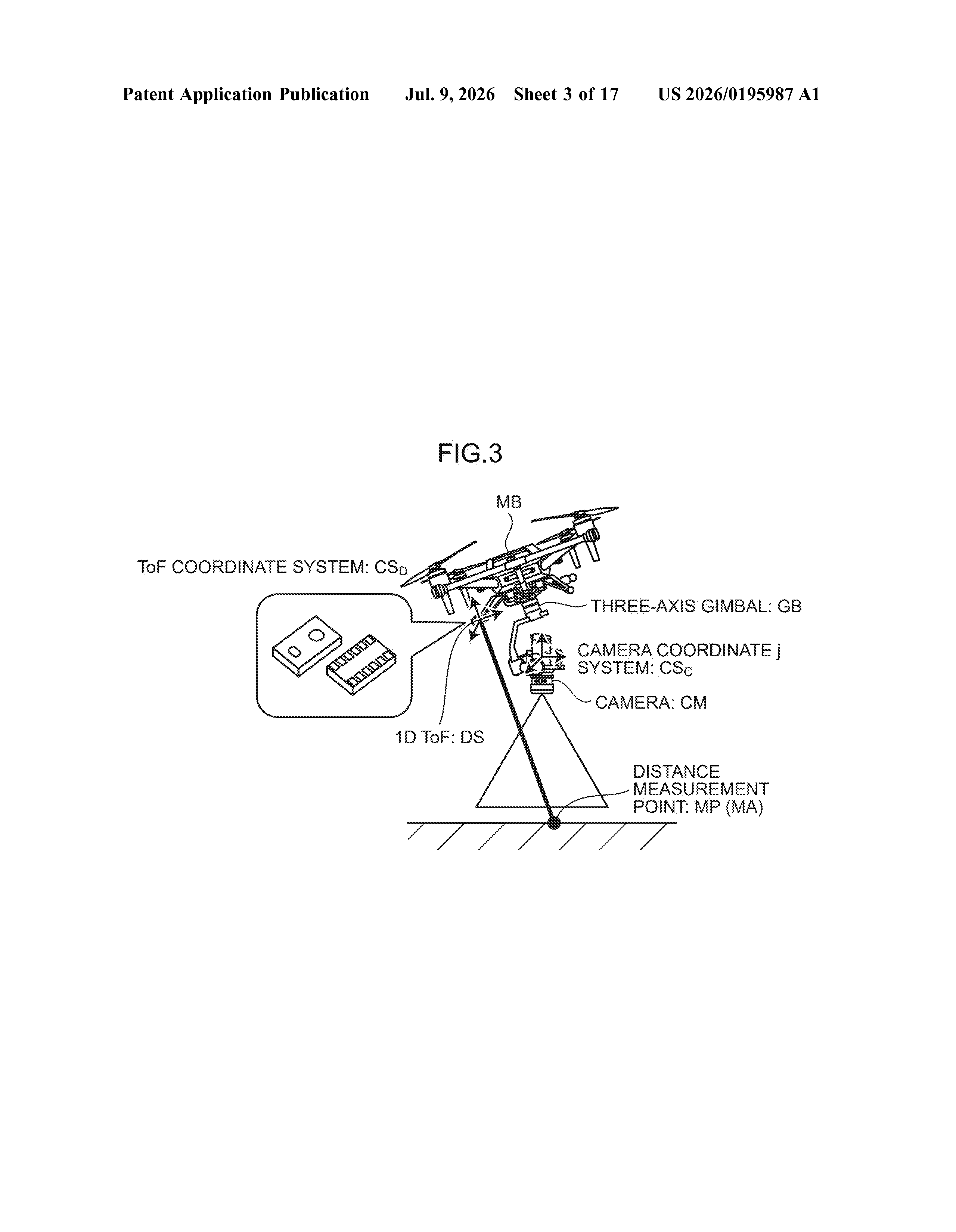
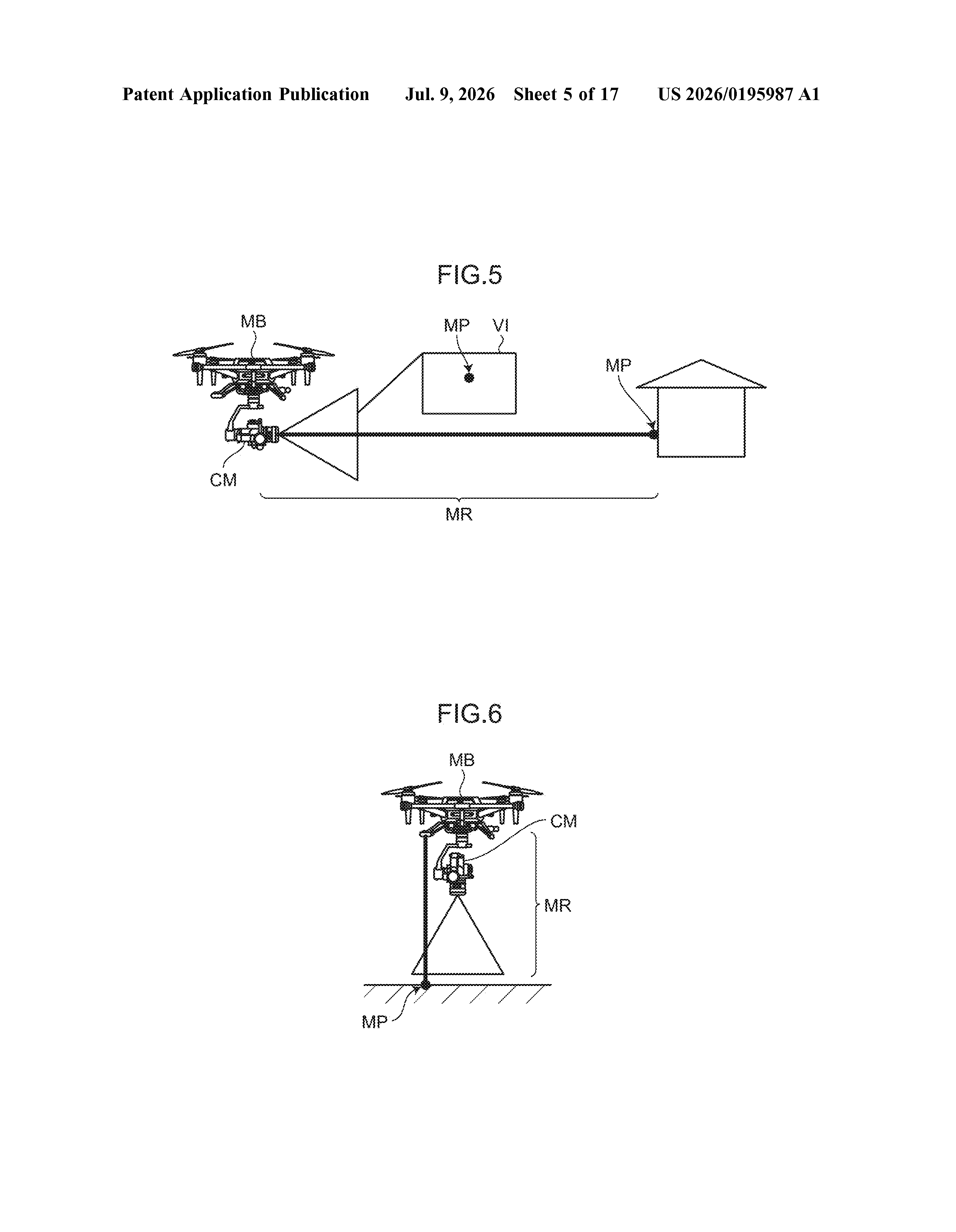
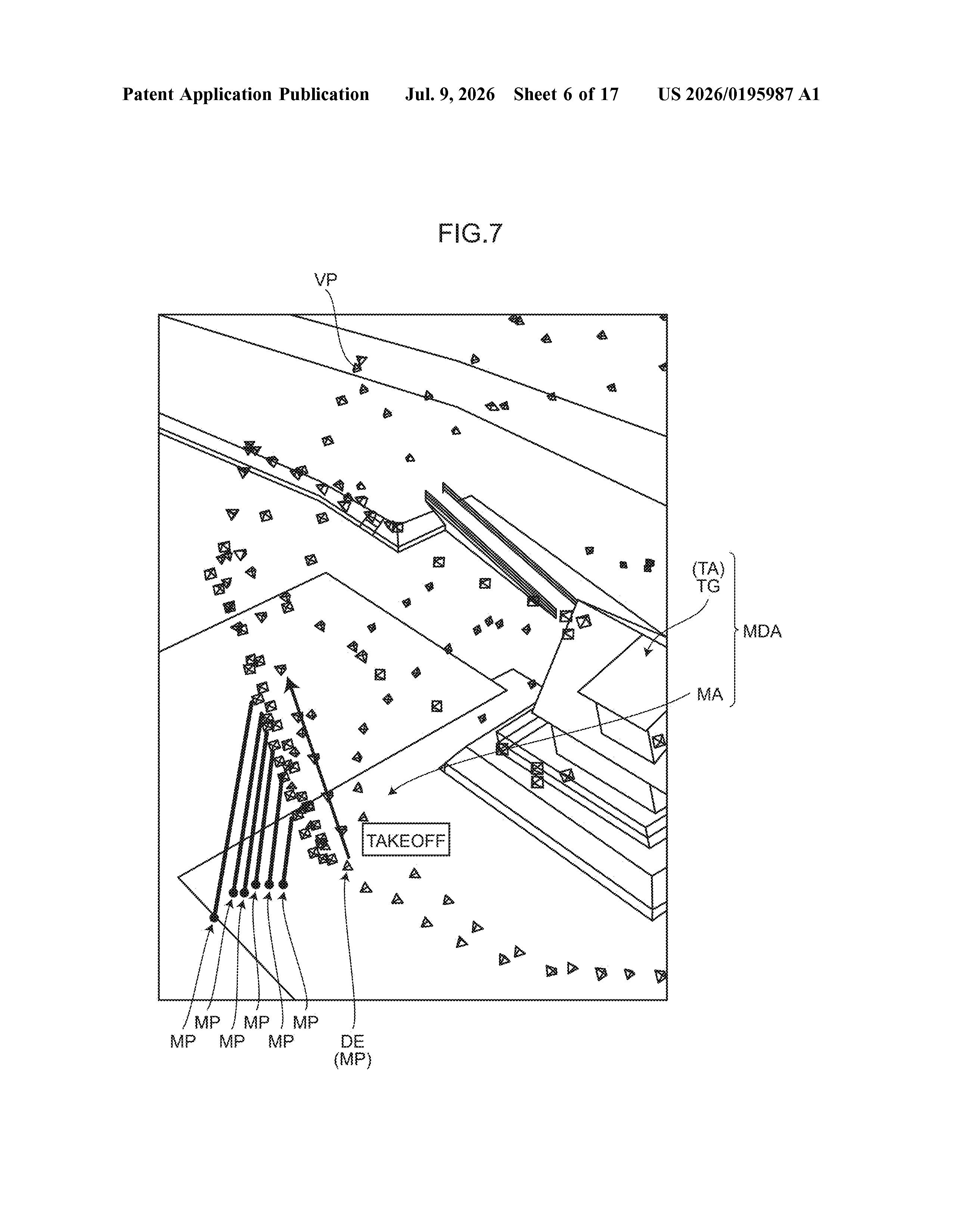
- Calculate where the distance sensor is looking: Because the camera and the distance measurement sensor (think LiDAR or a laser rangefinder) are mounted at known positions relative to each other, the system can calculate exactly which spot inside the 3D model the sensor was pointing at when it took its reading.
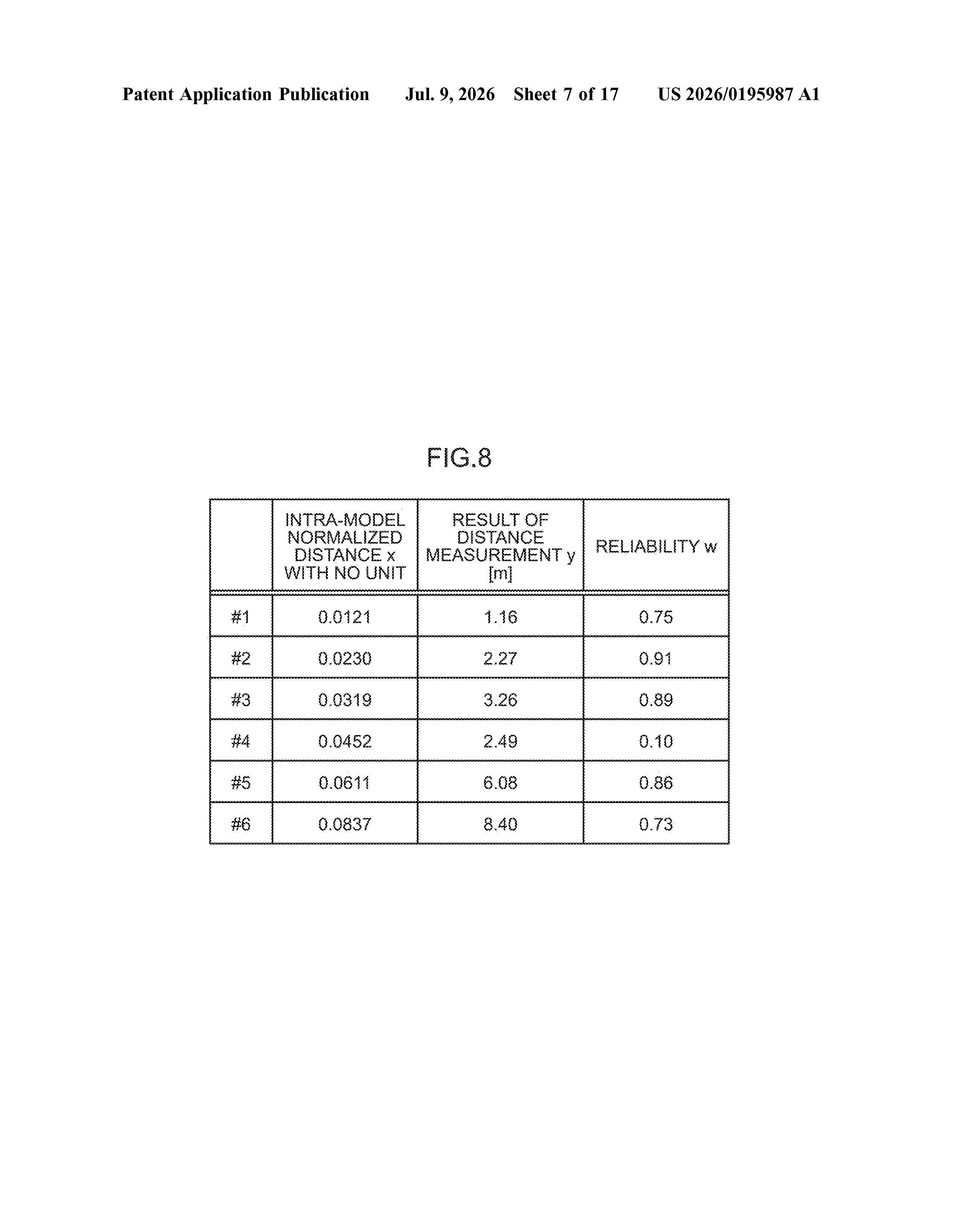
- Estimate the real scale: The system compares the unitless distance between two points in the 3D model to the actual physical distance the sensor measured for the same area. The ratio between those two numbers becomes a scaling factor that converts the whole model into accurate real-world units.
The key insight is that knowing the relative position and attitude (orientation) between the camera and the distance sensor is enough to tie a single precise measurement to the right location in the model, which then calibrates everything else.
What this means for Sony's camera and imaging products
Photo-based 3D scanning is increasingly common in film production virtual sets, construction site documentation, and even consumer apps. The persistent weak point has always been scale: without a physical ruler in the scene or manual input, the model is just a correctly shaped but dimensionless blob. Automating that fix with a paired distance sensor makes the whole workflow faster and less error-prone.
For Sony, this connects naturally to its camera and professional imaging business. A camera body or external rig that combines a high-resolution sensor with a distance measurement device could produce ready-to-use scaled 3D captures out of the box, which would be a meaningful selling point for professional cinematographers, surveyors, and XR content creators who need accurate geometry without a separate post-processing step.
This is a focused, practical engineering patent rather than a splashy AI story, but it addresses a real and persistent gap in photogrammetry workflows. If Sony bakes this into a future camera product or Cinema Line accessory, it could become one of those features that professionals wonder how they lived without.
Get our take in your Top Stories
Liked this breakdown? Add Patentlyze as a preferred source on Google, and our plain-English take shows up more often in your Top Stories the next time Sony patent news breaks.
There are more where this came from
We read every patent application Big Tech publishes and send you the ones worth knowing. Plain English, free, every week.
The drawings
17 drawing sheets from US 2026/0195987 A1 · click any drawing to enlarge
Want this weekly breakdown for a company we don't cover? Patentlyze Pro →