
Sony's New Patent Bakes a Proof-of-Authenticity Link Into Every Photo at the Moment It's Taken
As AI-generated images flood the internet, Sony is filing patents for a way to give every camera-captured photo its own built-in proof of authenticity, a web address baked directly into the file before any editing can happen.
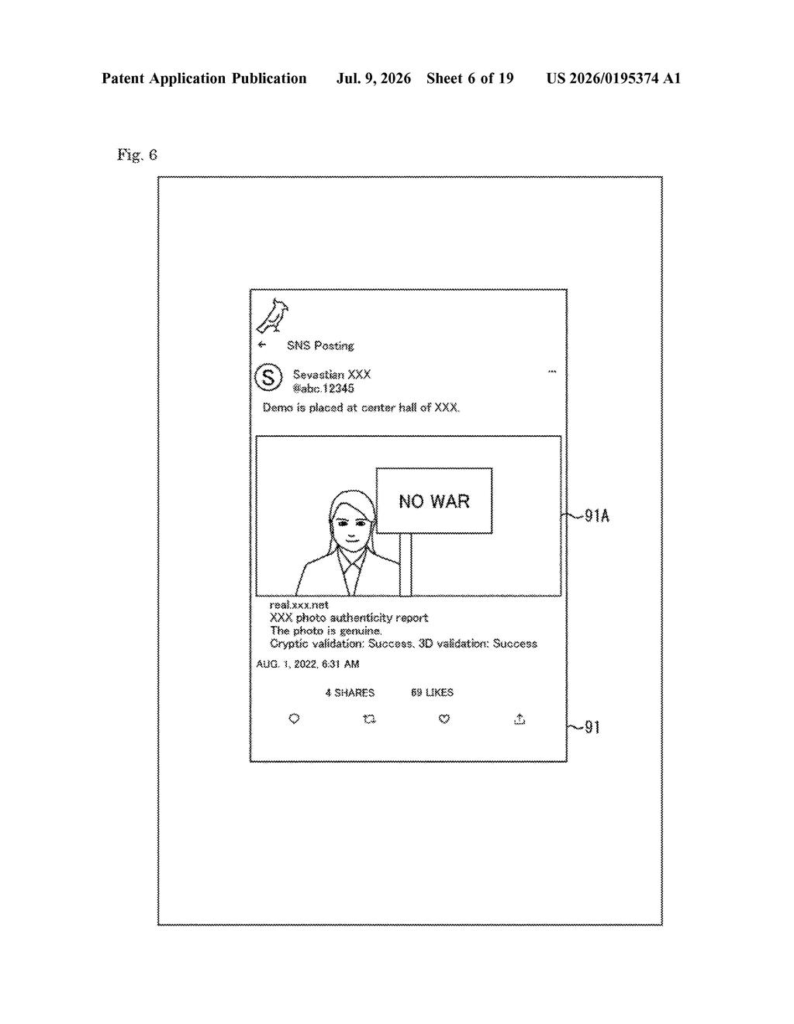
How Sony wants to prove your photos are untouched
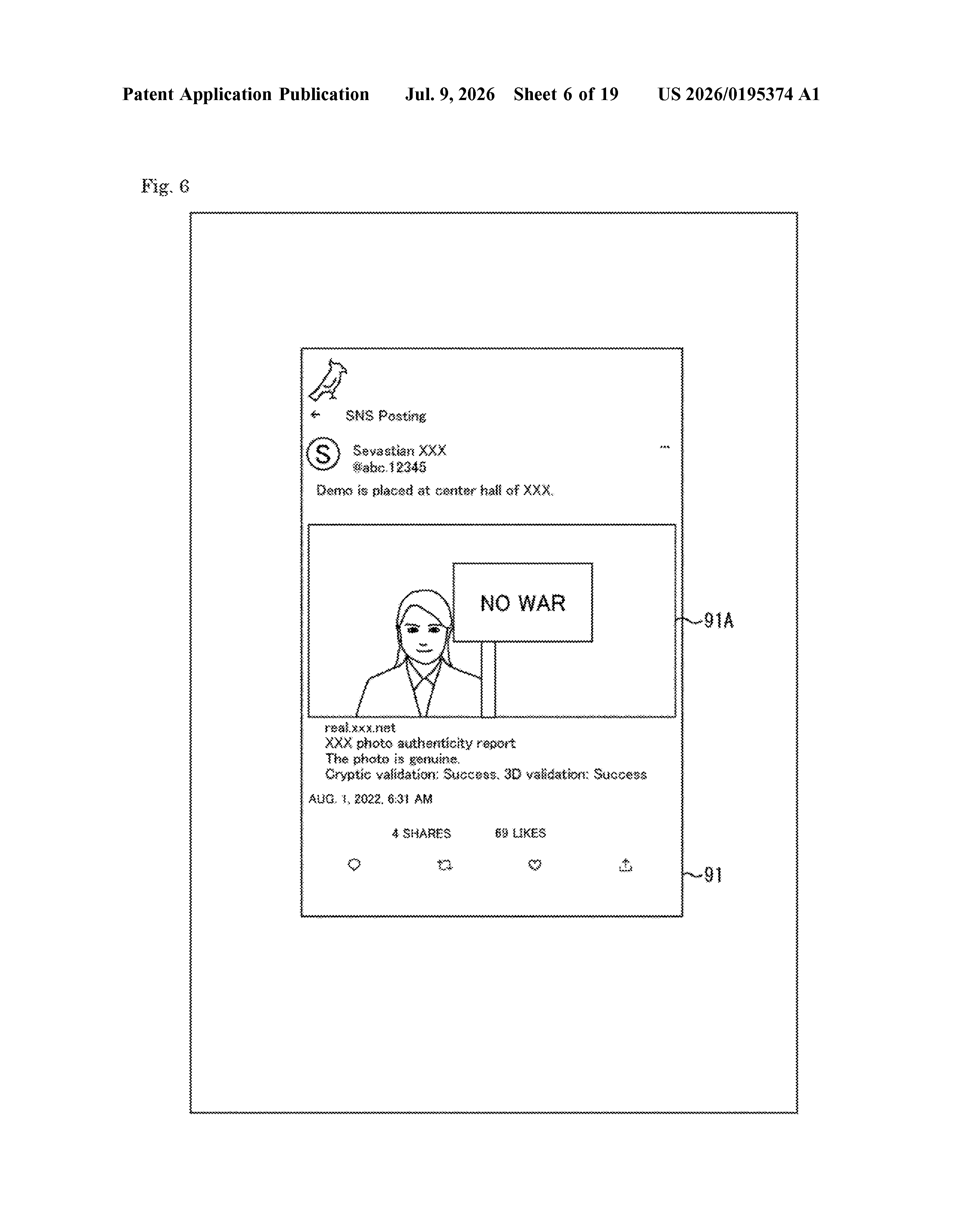
Imagine taking a photo and having a tiny, unfakeable receipt attached to it the moment the shutter clicks. That receipt links to a public webpage where anyone can check: is this photo real, and has it been changed?
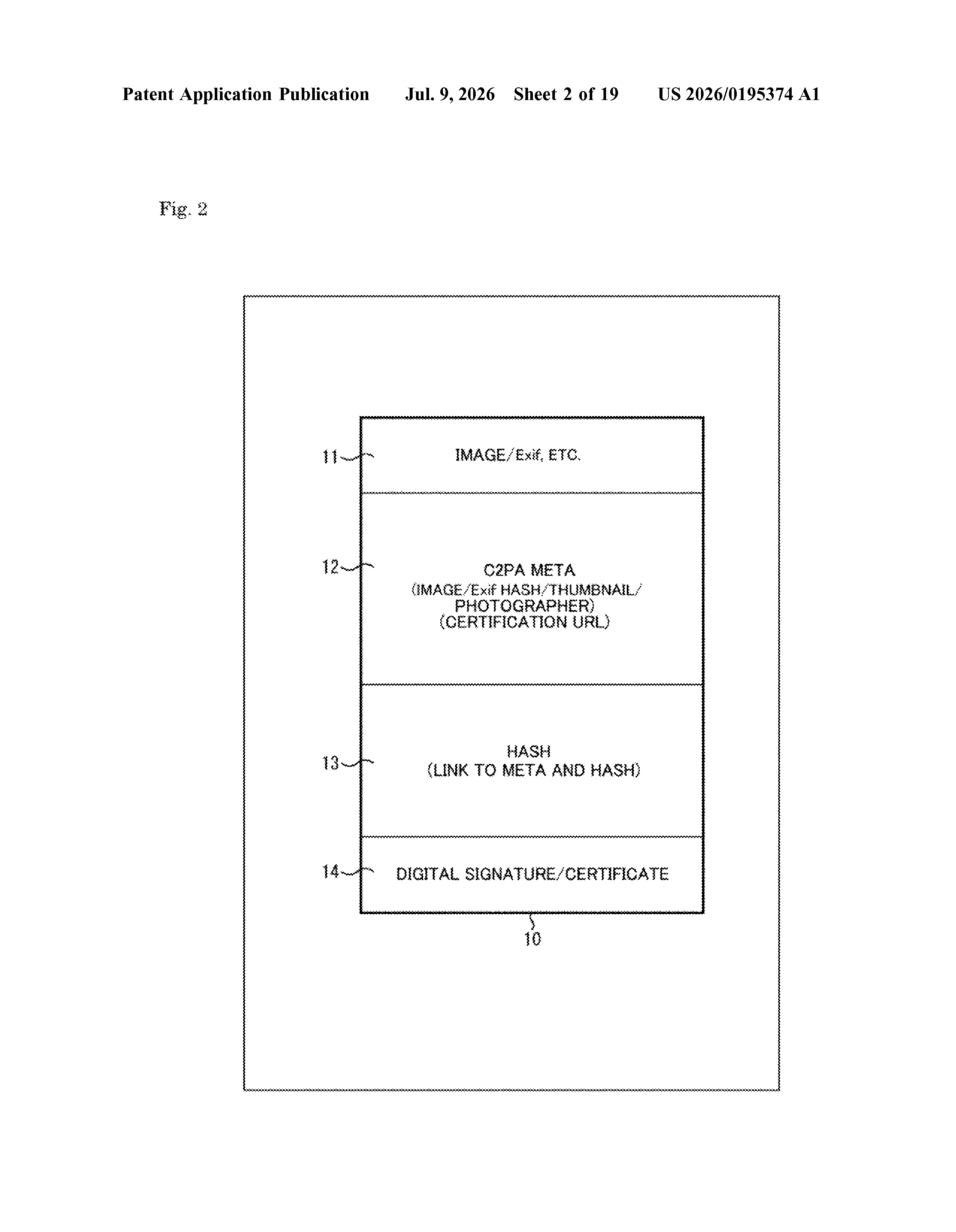
That's roughly what Sony is working on. The idea is to write a special web address directly into the raw image file (the unedited file that comes straight off the camera sensor) before any software can touch it. That web address points to a certification page Sony would publish, showing the original image details.
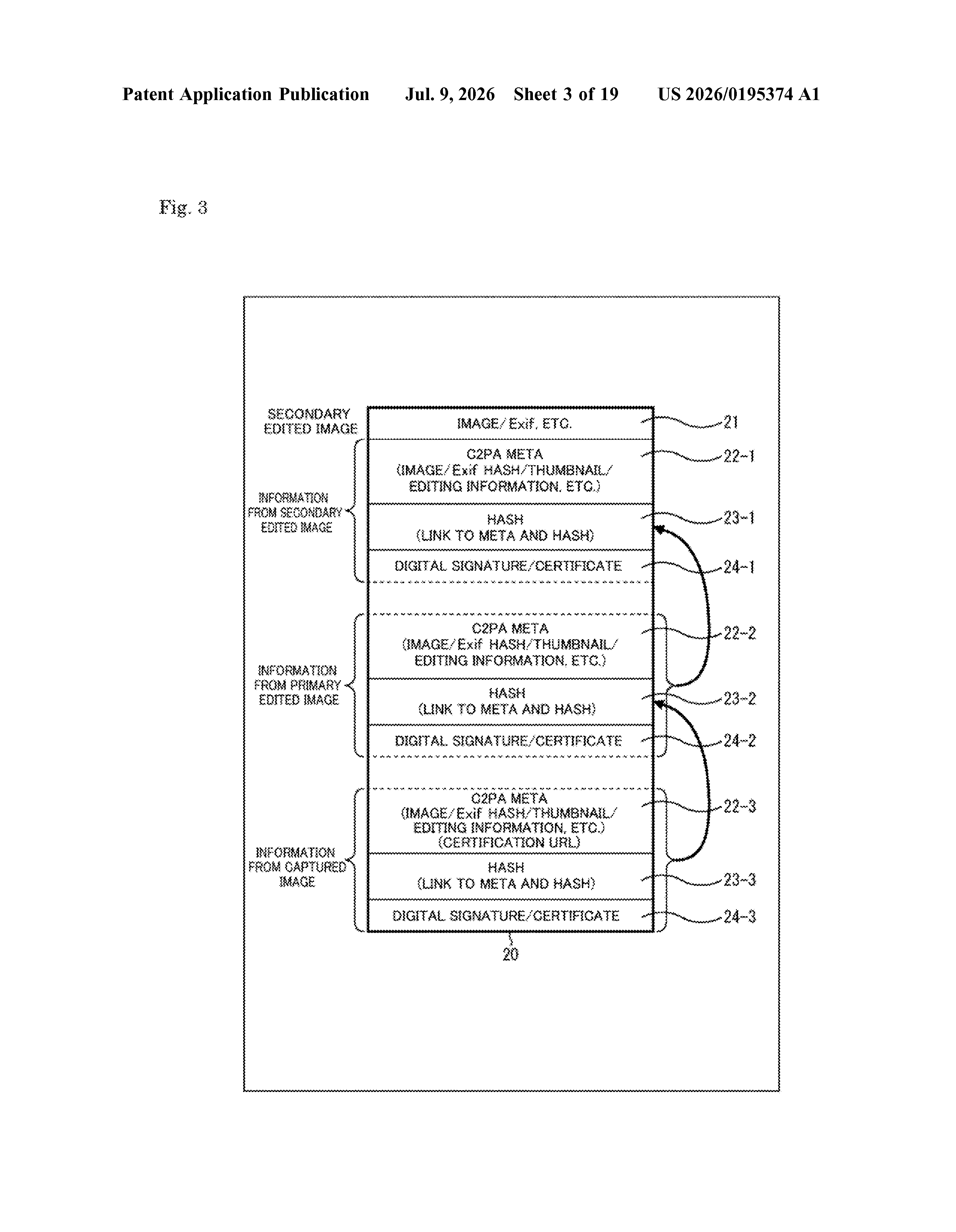
If someone later edits the photo or tries to pass off a fake, the certification page would expose the mismatch. It's a bit like a car's VIN number, it doesn't stop theft, but it makes verification much easier after the fact.
How the certification URL gets baked into the image file
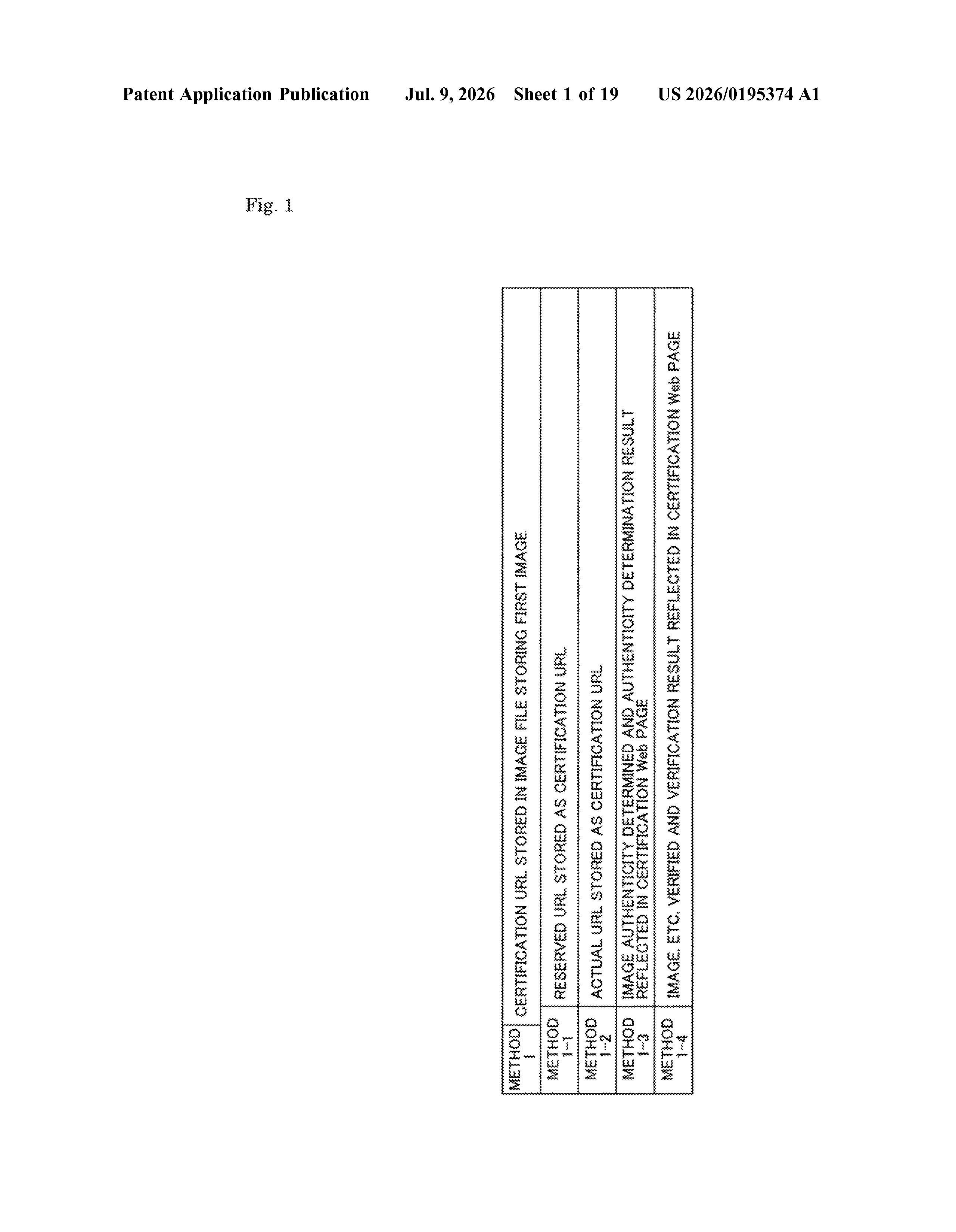
The patent describes a two-part system built around what Sony calls a certification URL, which is simply a web address generated at the time an image is created.
- A certification URL generation unit creates a unique web address tied to a specific image.
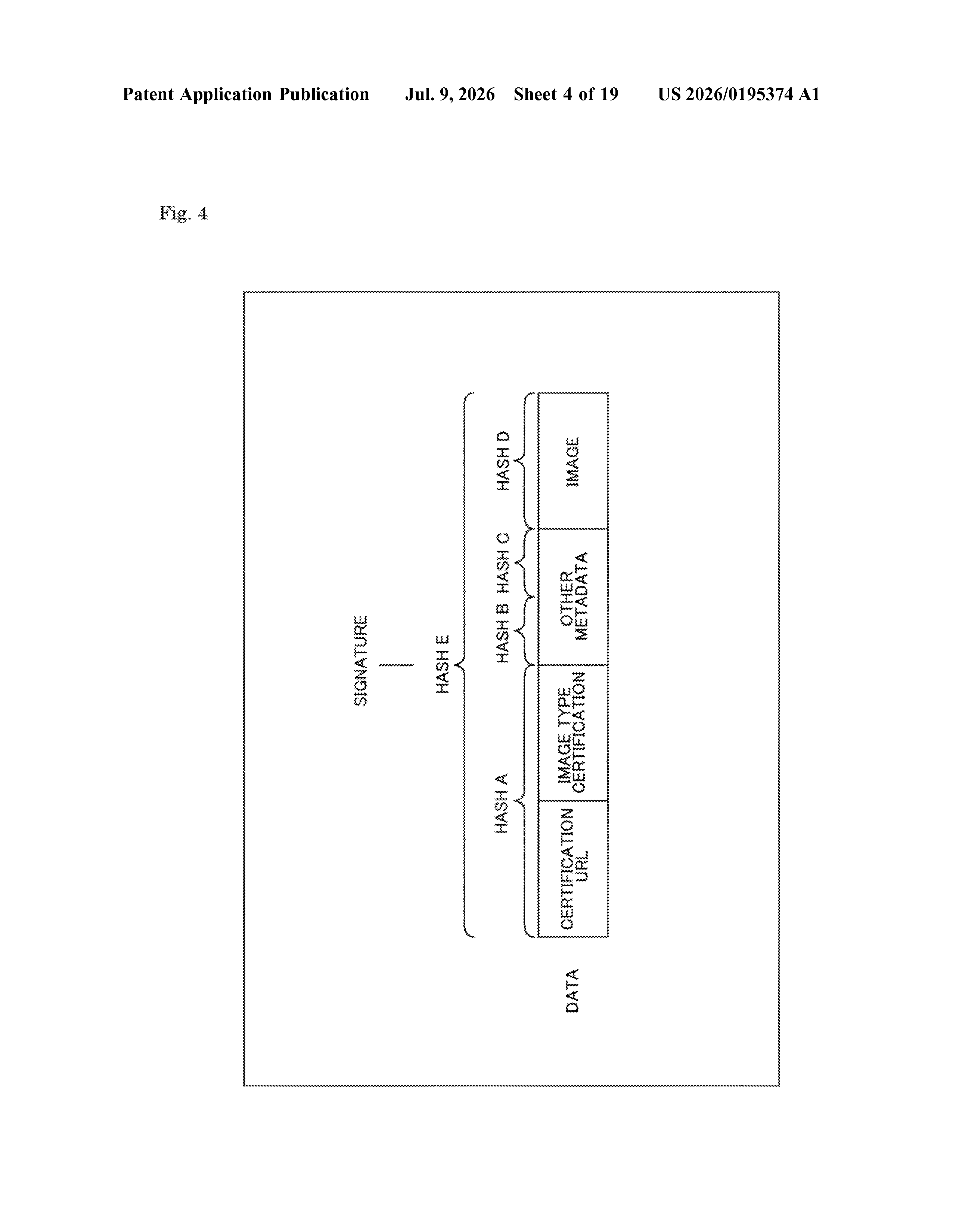
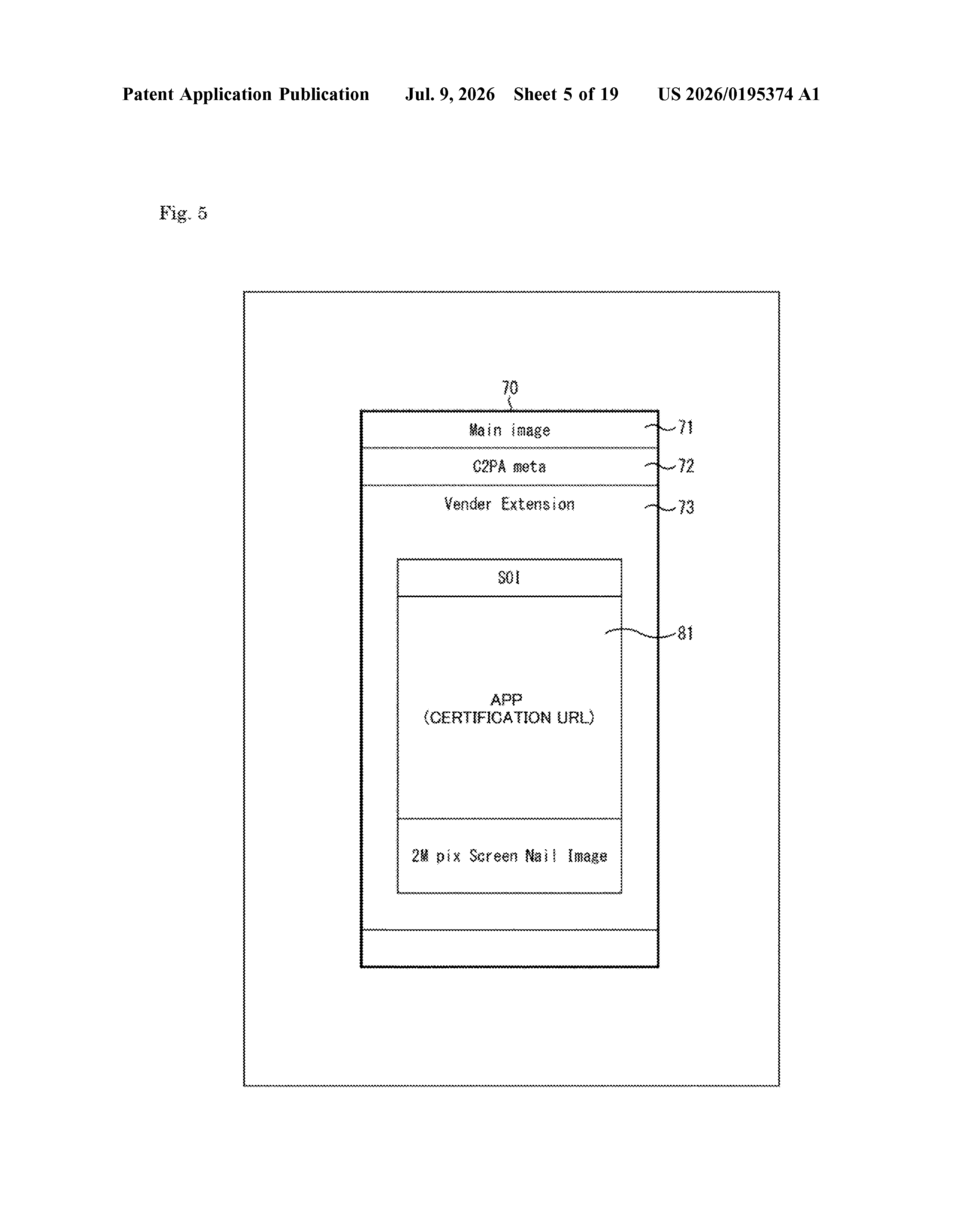
- A certification URL storage unit writes that address into the raw image file, the unprocessed file produced directly from the camera's sensor, before any editing software can alter it.
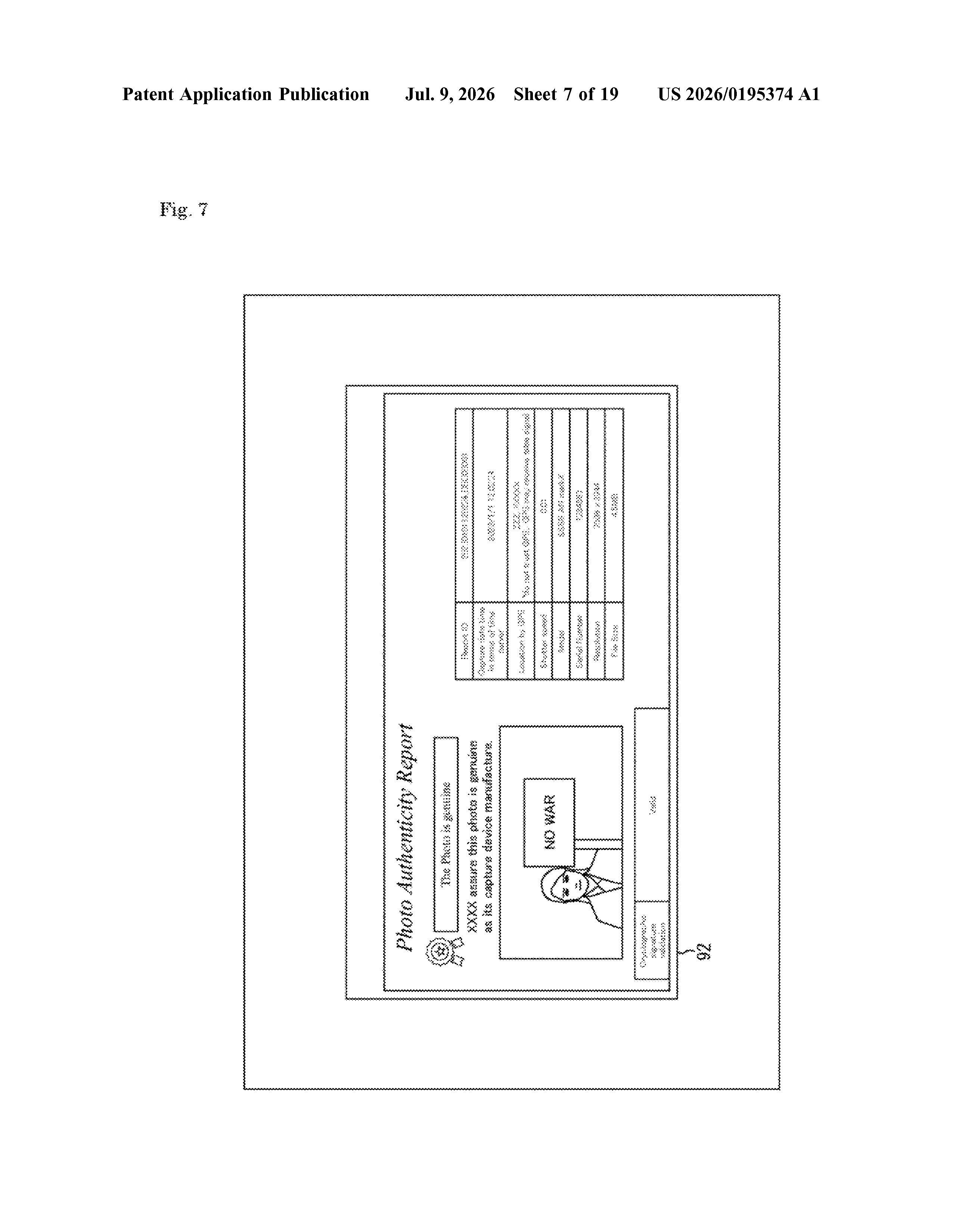
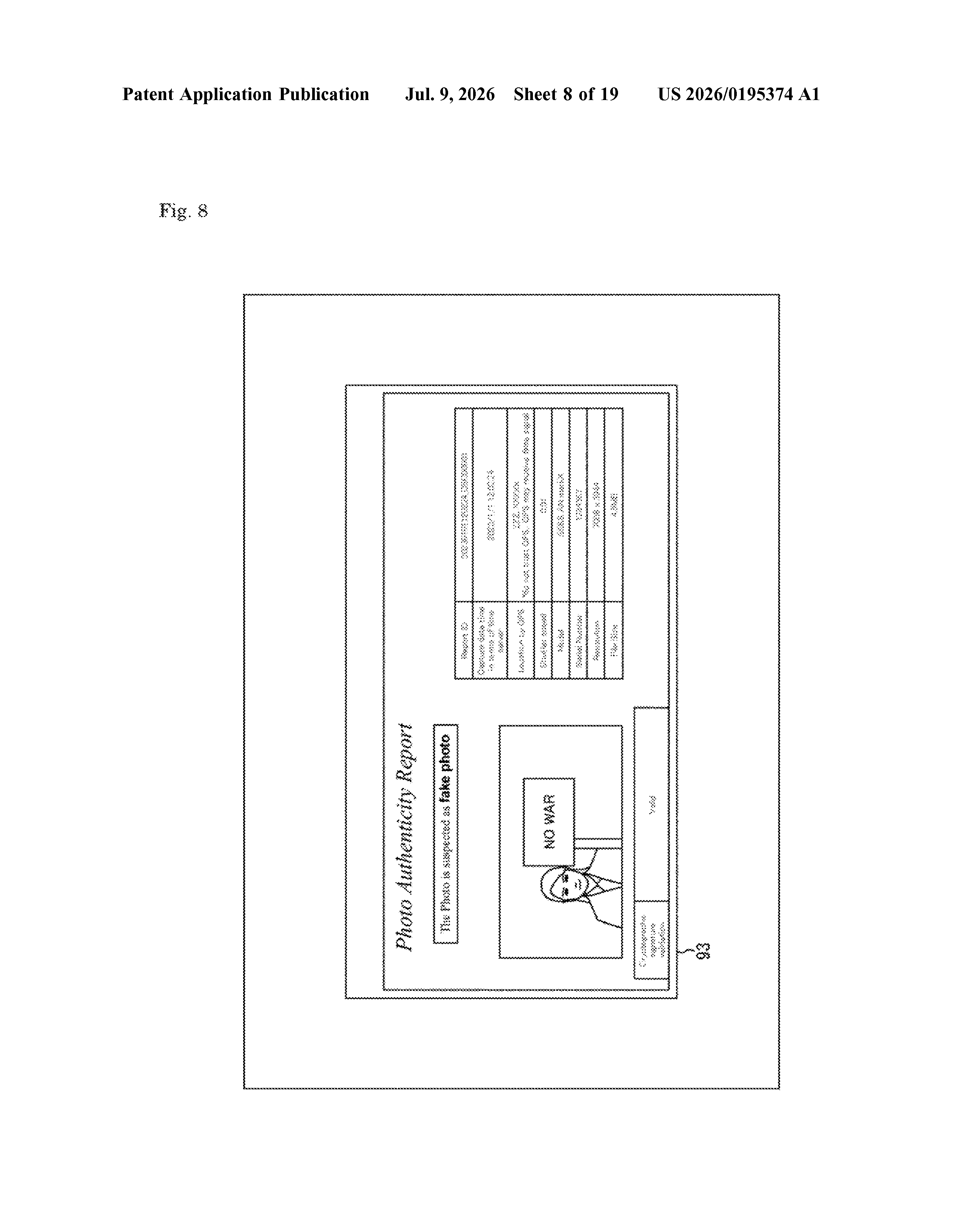
- Separately, the system generates and publishes a certification web page at that URL, which contains information proving the image's genuineness.
The key detail is timing: the URL is embedded in the file while the image is still unprocessed. This matters because it means the link was present before any possible manipulation. Anyone opening the file later, whether a journalist, a court, or a social media platform, can visit that URL and compare what they see against what the certification page says the original image looked like.
Sony's framing is about preventing a "drop in reliability" of image authenticity guarantees, suggesting the system is designed to stay trustworthy even as images change hands across platforms.
What this means for photo authenticity in the AI era
Misinformation researchers and journalists have been asking camera makers to build authenticity tools directly into hardware for years, and a few industry efforts (like the Content Authenticity Initiative) are already pushing similar ideas. Sony's patent takes a specific approach: anchoring authenticity to the raw file itself, not to metadata that can be stripped or replaced downstream.
For everyday users, the practical impact would likely show up in professional contexts first. News photographers, legal professionals, and insurance adjusters routinely need to prove an image hasn't been doctored. A system like this could make that verification as simple as clicking a link, rather than hiring a forensics expert.
This is a genuinely interesting filing because it targets the right moment: the instant before any human touches the image. Embedding the URL in the unprocessed file is smarter than attaching metadata later, which has always been easy to strip. The real test will be whether Sony can make the backend certification infrastructure trustworthy and long-lived, because a broken link defeats the whole purpose.
Get our take in your Top Stories
Liked this breakdown? Add Patentlyze as a preferred source on Google, and our plain-English take shows up more often in your Top Stories the next time Sony patent news breaks.
There are more where this came from
We read every patent application Big Tech publishes and send you the ones worth knowing. Plain English, free, every week.
The drawings
19 drawing sheets from US 2026/0195374 A1 · click any drawing to enlarge
Want this weekly breakdown for a company we don't cover? Patentlyze Pro →